

 Pregledaj u prostoru
 Pošalji
 Podeli
 Detalji o delu

 Преузми
 Slični predmeti
 Rendgenski snimak
 Slajdovi
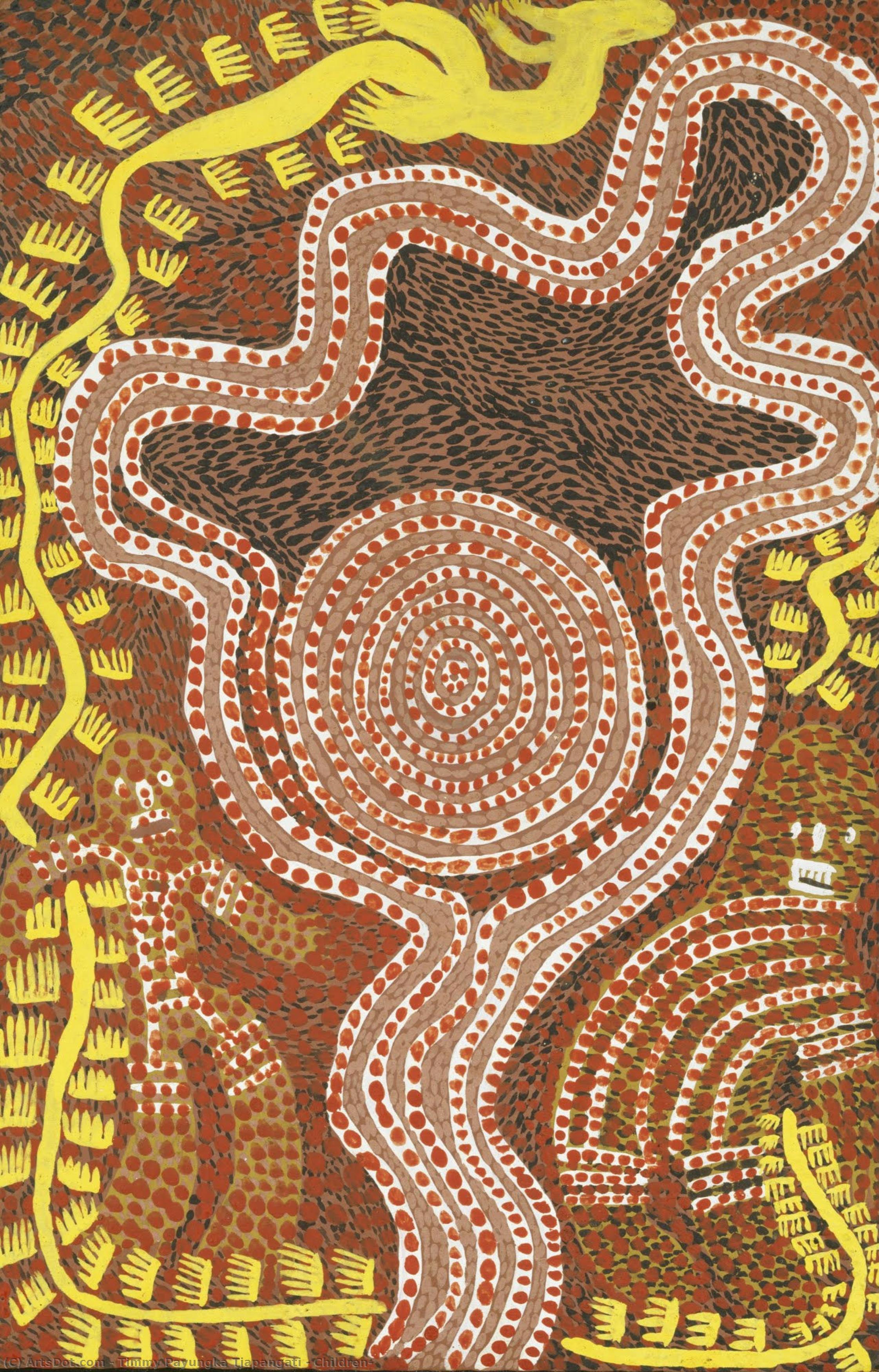
Children
 Painting
- Aboriginal Art
 1974
1974 46.0 x 21.0 cm
 Art Gallery of New South Wales
 Pročitaj više
Kupite digitalnu sliku visoke rezolucije i poboljšanog kvaliteta, koja je znatno superiornija od onoga što vidite u online prikazu.
Svaka datoteka je pedantno pripremljena od strane naših stručnjaka koristeći napredne alate i profesionalnu ručnu retušu. Osiguravamo da svaka slika ima izuzetnu oštrinu, preciznu reprodukciju boja i fine detalje.
Konačna datoteka se dostavlja putem e-pošte u roku od 72 sata, optimizovana za neposrednu upotrebu u profesionalnim, izdavačkim i štamparskim okruženjima. To je isti kvalitet kojem veruju vrhunski studiji dizajna, izdavači i galerije.
Digitalna slika
Preuzmite datoteku visoke rezolucije za ličnu upotrebu, štampanje i kreativne projekte. ( Kupi print Kupi ručno naslikanu sliku)
Uključeno uz svaku porudžbinu digitalne slike
Profesionalna digitalna isporuka, zagarantovana
Kada odaberete ArtsDot.com, ne dobijate samo sliku – vi primate profesionalno unapređeno digitalno umetničko delo, izrađeno sa najvećom preciznošću i uz garanciju zadovoljstva. Evo svega što automatski dolazi uz vašu porudžbinu:

Brza dostava putem e-pošte
Vaša digitalna slika visoke rezolucije biće vam poslata putem e-pošte u roku od 72 sata od poručivanja – spremna za trenutnu upotrebu.

Digitalna datoteka unapređena veštačkom inteligencijom
Vaše umetničko delo je profesionalno optimizovano korišćenjem naprednih AI alata i ručne obrade, čime se osiguravaju maksimalni detalji, oštrina i preciznost boja.

Besplatna ponovna isporuka doživotno
Slučajno ste obrisali ili izgubili svoju datoteku? Ne brinite – poslaćemo vam je ponovo u bilo kom trenutku, potpuno besplatno.

Bez troškova uvoza – zauvek
Uživajte u svojim umetničkim delima trenutno, bez carine, dažbina ili troškova dostave – digitalni download je uvek bez poreza.

Garancija vernosti boja
Uz pomoć profesionalnih alata i upravljanja bojama, osiguravamo da vaša digitalna slika što vernije odražava originalne boje.

Garancija zadovoljstva od 100 dana
Ako niste zadovoljni svojom digitalnom slikom, izvršićemo reviziju ili ćemo vam vratiti 100% novca u roku od 100 dana – bez ikakvih pitanja.

100% garancija povrata novca
Niste zadovoljni? Dobijte puni povraćaj novca u roku od 100 dana od prijema digitalne datoteke – bez suvišnih pitanja.

Popusti na velike porudžbine
Kupite 3 slike, uštedite 10% - Kupite 5 slika, uštedite 15% - Kupite 10+ slika, uštedite 20%. Odlično za kreativne projekte, galerije i agencije.
The Vibrant Echoes of Country: An Exploration of Timmy Payungka Tjapangati's "Children"
To stand before Children by Timmy Payungka Tjapangati is not merely to observe a painting; it is to step into a vibrant, pulsating narrative drawn from the deepest wellsprings of Aboriginal Australian culture. This piece, executed in 1974, radiates an almost palpable energy through its masterful use of color and pattern. The composition immediately draws the eye toward a central, luminous circle—a focal point that seems to hold the very essence of life and connection. Surrounding this core are other scattered circles, each one acting as both an individual note in a grand symphony and a vital link within a complex tapestry.
A Symphony of Form and Line
The technique employed here is deeply rooted in the traditions of the Papunya Tula school of painting, yet it speaks with a distinctly personal voice. Tjapangati’s signature style merges ancient storytelling methods with modern artistic execution. The intricate network of lines that weave between the colored circles is breathtaking; these are not random markings but deliberate pathways suggesting movement, energy, and perhaps the journeys of ancestral beings across the land. The palette—dominated by brilliant yellows, passionate reds, and warm oranges—is inherently evocative, mirroring the ochres found in the Australian outback under a fierce sun. It is a visual language that bypasses mere description to communicate feeling.
Symbolism Woven from Ancestral Lore
For those familiar with Aboriginal art, the symbolism embedded within Children resonates profoundly. The circles often represent significant gathering places, waterholes, or sacred sites—the very anchors of community life and spiritual knowledge. The patterns themselves are mnemonic devices, visual maps of creation stories, Dreamtime journeys, and kinship ties. While the subject matter is titled "Children," the work speaks to a broader theme: continuity. It celebrates lineage, the passing down of wisdom, and the enduring spirit of people connected irrevocably to their Country. Owning this piece is acquiring a tangible piece of cultural memory.
Bringing the Spirit Home
For collectors and designers alike, Children offers more than just decoration; it offers an infusion of vital, untamed spirit into any space. Its dynamic composition ensures that it commands attention while simultaneously inviting quiet contemplation. Whether displayed in a gallery setting or integrated into a modern living area, the warmth emanating from its colors and the rhythmic pulse suggested by its lines create an immediate sense of grounding and vibrancy. It is a powerful reminder of the enduring beauty of cultural heritage, making it a truly soulful addition to any curated collection.
Srodna umetnička dela
Biografija umetnika
The Spirit of the Pintupi: The Life and Legacy of Timmy Payungka Tjapangati
In the vast, sun-drenched landscapes of Western Australia, the story of Timmy Payungka Tjapangati unfolds as a profound testament to the endurance of Aboriginal culture. Born in 1942 at Parayirpilynga, near the shimmering expanse of Lake Mackay in the Pilbara region, Tjapangati was a man deeply rooted in the ancestral rhythms of the Pintupi people. His early life was shaped by the ancient tracks and sacred sites of his country, a landscape that would later become the spiritual foundation for his transformative artistic career. As part of a generation that navigated the complex transitions of the mid-20th century, Tjapangati’s journey took him from the traditional ways of his youth to the burgeoning contemporary art movements of the Western Desert.
The trajectory of his life was marked by significant movement and adaptation. Following a period spent at Warburton, where he met his wife, Tchapangati’s family eventually moved through Yarrana toward Kintore in the Northern Territory. It was during the 1960s that he arrived at Papunya, a pivotal moment that would place him at the heart of a cultural revolution. Alongside figures such as Geoffrey Bardon, Tchapangati became one of the original pioneers of the Papunya Tula movement. This era saw the translation of ephemeral sand paintings and body decorations onto permanent surfaces like board and canvas, allowing the sacred narratives of the Pintupi to reach a global audience while maintaining their profound spiritual integrity.
A Visual Language of Dreaming and Law
Tchapangati’s artistic style is far more than mere decoration; it is a sophisticated visual language used to communicate the Dreaming—the complex web of ancestral creation, law, and kinship. His work is characterized by a masterful blend of traditional Aboriginal storytelling and modern compositional techniques. Through intricate patterns and symbolic iconography, he mapped the spiritual topography of his people. One of his most celebrated achievements, Kangaroo and Shield People Dreaming at Lake Mackay (1980), serves as a breathtaking window into a sacred men's story. This particular masterpiece, now held in the prestigious collection of the Art Gallery of New South Wales, demonstrates his ability to render the profound weight of ancestral presence through a delicate yet powerful aesthetic.
Beyond the grand narratives of the Dreaming, Tchapangati possessed a unique sensitivity for capturing the intimate essence of Aboriginal life. His painting Children stands as a poignant example of his skill in portraying the continuity of culture and the tender bonds of community. Every stroke and dot in his repertoire served to reinforce the connection between the land, the people, and the eternal laws that govern them. As an important Law Man, his art was not merely an expression of creativity but a vital act of cultural preservation, ensuring that the rituals and stories of the Pintupi remained vibrant and visible.
A Legacy of Cultural Sovereignty
The historical significance of Timmy Payungka Tjapangati extends well beyond the borders of the art gallery. He was a central figure in the struggle for Indigenous intellectual property rights, playing a crucial role in the landmark 1994 "Carpets Case." This legal battle was a watershed moment for Australian law, successfully asserting that Aboriginal artists hold copyright over their traditional designs and cultural knowledge. His activism helped protect the integrity of Indigenous art from misappropriation, ensuring that the sacred symbols he painted remained under the stewardship of his people.
As Tchapangati moved to Kintore in 1981 and later helped establish the settlement at Kiwirrkura, he remained a steadfast guardian of his heritage. His influence was not limited to the canvas; it was passed down through generations, most notably to his daughter, Lorna Napana Tjapangati, who continues the tradition of Pintupi excellence. When Timmy Payungka Tchapangati passed away on May 7, 2000, he left behind a legacy that is both deeply personal and globally significant. His life’s work remains a bridge between the ancient past and the contemporary world, inviting all who view it to witness the enduring power of the Australian desert spirit.
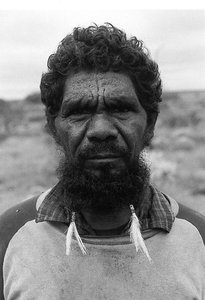
timmy payungka tjapangati
2000 , Australia
Kratke činjenice
- Artistic Movement Or Style: World Goes Pop
- Artists Or Movements Influenced By This Artist: ['Pop Art']
- Artists Who Influenced This Artist:
- Andy Warhol
- Roy Lichtenstein
- Date Of Death: 2000
- Notable Artworks: ['Various works featured in The World Goes Pop exhibition']