

 Pregledaj u prostoru
 Pošalji
 Podeli
 Detalji o delu

 Преузми
 Slični predmeti
 Rendgenski snimak
 Slajdovi
 Stats
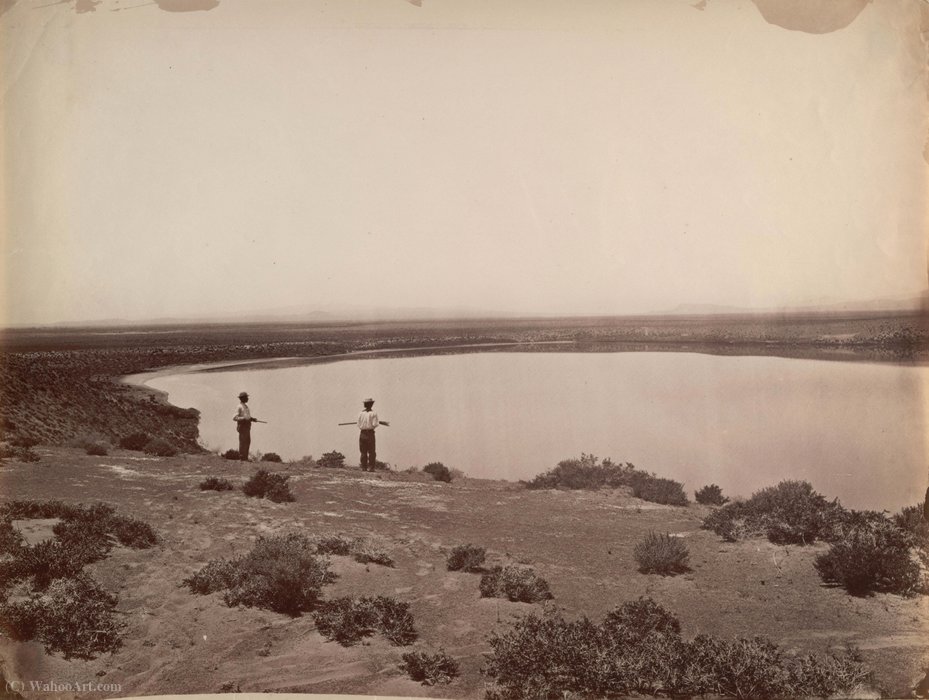
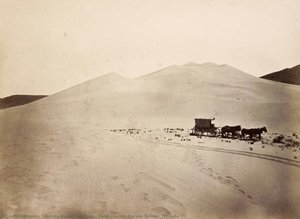
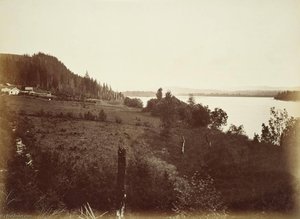
StatsDesert lake near ragtown, carson desert, nevada

 Pročitaj više
Ručno rađena uljana reprodukcija
Ručno oslikano uljanim bojama na platnu u dimenzijama i okviru po vašem izboru, izrađeno po porudžbini od strane naših umetnika. ( Switch to Print Switch to Digital Image)




































Izaberite jednu od naših unapred definisanih veličina koje odgovaraju originalnim proporcijama umetničkog dela.

Можете унети сопствене димензије како бисте прилагодили дело одређеном оквиру или простору. Ако одабрана величина не одговара пропорцијама оригинала, слика ће бити исечена или проширена додатним елементима који се ручно насликавају. Дигитални prikaz ће вам бити послат на одобрење пре почетка производње.
Имајте на уму да преглед на екрану не одражава стварно исецање или проширење. Само приказ (mockup) ће тачно приказати коначну композицију.
Иако су доступне прилагођене величине, препоручујемо да одаберете димензију из дефинисане листе како бисте сачували оригиналне пропорције.
Nakon narudžbine, tim ArtsDot.com će klijentu putem e-pošte poslati uputstva i dostaviti prikaz predloženog rešenja
Isporuka širom sveta () za 3/4 nedelje umesto uobičajenih 5 nedelja. (7 септембар). Bez kompromisa po pitanju kvaliteta.

Besplatna ekspresna dostava širom sveta

Visokokvalitetno laneno platno

Kompletno osiguranje transporta

Garancija povraćaja carine i uvoznih dažbina

Garancija vernosti boja

Politika povraćaja u roku od 100 dana (isključivo u slučaju nedostataka)

Garancija povrata novca od 100%

Popust pri grupnoj kupovini
 Opcija sa staklom dostupna je samo za dimenzije manje od 110 cm

Desert lake near ragtown, carson desert, nevada
Tehnika reprodukcije
Dimenzije reprodukcije
-


Konačna cena
$ 288
Srodna umetnička dela
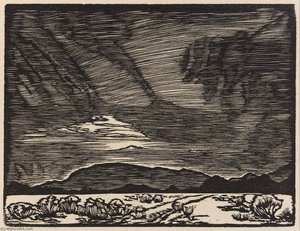
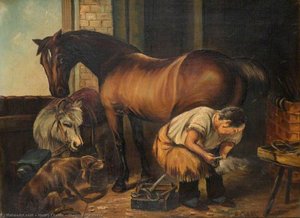
Biografija umetnika
A Pioneer of Photographic Documentation: The Life and Legacy of Alexander Gardner
Born in Paisley, Scotland, in 1821, Alexander Gardner embarked on a journey that would indelibly mark the history of photography and visual documentation. His early life was steeped in social reform, influenced by the utopian ideals of Robert Owen and the burgeoning cooperative movements sweeping through Britain. Initially trained as a jeweler, Gardner’s path took an unexpected turn when he became involved with establishing a cooperative community in Iowa, a testament to his commitment to progressive principles. This experience honed not only his organizational skills but also his communication abilities during his time as editor of the *Glasgow Sentinel*, exposing him to the complex interplay of political and social issues that would later inform his artistic vision. A pivotal moment arrived at the 1851 Great Exhibition in London, where Gardner encountered the groundbreaking photography of Mathew Brady – an encounter that ignited a passion for the medium and set the course for his future career.Documenting a Nation Divided: The Civil War Years
In 1856, Gardner immigrated to the United States, quickly immersing himself in the world of photography by joining Mathew Brady’s studio. He rapidly became an indispensable part of Brady's operation, initially specializing in producing large-format prints – known as Imperial photographs – before assuming increasing responsibilities as Brady’s eyesight began to decline. Gardner’s role expanded beyond technical expertise; he managed Brady’s Washington D.C. gallery and skillfully captured portraits of soldiers and prominent figures, including several significant depictions of Abraham Lincoln. His connection with Allan Pinkerton facilitated crucial communication between Brady and President Lincoln, ultimately leading to Gardner's appointment as chief photographer under the U.S. Topographical Engineers, followed by a position as staff photographer for General George B. McClellan. The Battle of Antietam in 1862 proved to be a defining moment, where Gardner bravely developed photographs in a portable darkroom on the battlefield itself, capturing the grim realities of war with unprecedented immediacy. However, his contribution extended beyond mere battle scenes; he meticulously documented the aftermath of conflict and the profound human cost of the Civil War, offering a stark and unflinching portrayal of its devastation.Beyond the Battlefield: A Lasting Photographic Record
Gardner’s most enduring work is arguably *Gardner's Photographic Sketch Book of the Civil War* (1866), a two-volume collection featuring 50 hand-mounted original prints that showcased his most compelling images from the conflict. Though not immediately commercially successful, this publication remains an invaluable historical record, offering a visceral and intimate glimpse into the war’s impact on both the landscape and its people. Throughout his career, Gardner collaborated with numerous photographers, notably Timothy H. O'Sullivan, whose contributions were often intertwined with his own. He is also remembered for capturing several portraits of President Lincoln, some initially believed to be the last taken before his assassination – though later research clarified they dated from February 1865. Perhaps most poignantly, Gardner uniquely documented Lincoln’s funeral procession and photographed the conspirators involved in the assassination, including their execution by hanging, providing a chillingly direct record of this pivotal moment in American history.Later Years and Enduring Significance
Following the Civil War, Gardner continued to work as a photographer, expanding his scope to document Native American treaties and survey the route of the Kansas Pacific Railroad – projects that reflected the nation’s westward expansion and its complex relationship with indigenous populations. He briefly stepped away from photography to co-found an insurance company, demonstrating his entrepreneurial spirit. However, his legacy has been complicated by a historical tendency to attribute his photographs solely to Mathew Brady. Recent scholarship, however, increasingly recognizes Gardner's significant contributions as both a photographer and a documentarian in his own right. His work remains invaluable for its detailed portrayal of the Civil War era, offering profound insights into military life, political events, and the human experience during a pivotal period in American history. Gardner’s photographs are not merely historical artifacts; they are powerful testaments to the enduring power of visual storytelling.Key Achievements & Recognition
- Pioneering War Photography: Gardner's work revolutionized how war was documented, moving beyond traditional illustrations to provide a realistic and often harrowing depiction of battlefield conditions and their aftermath.
- *Photographic Sketch Book of the Civil War*: This collection stands as a landmark achievement in photographic publishing, offering a comprehensive visual record of the conflict.
- Lincoln Portraiture: His portraits of Abraham Lincoln are among the most iconic and historically significant images of the 16th President.
- Documentation of Historical Events: Gardner’s coverage of Lincoln's funeral and the execution of his assassins provides a unique and chillingly direct record of these events.
- Collaboration with Timothy O’Sullivan: His partnership with O’Sullivan produced some of the most enduring images of the American West, capturing its vastness and beauty.
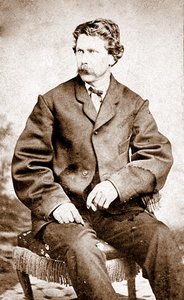
Timothy O'Sullivan Alexander Gardner
1821 - 1882 , United Kingdom
Osnovne informacije
- Artistic Movement Or Style: Civil War Photography
- Artists Who Influenced This Artist:
- Mathew Brady
- Robert Owen
- Date Of Birth: October 17, 1821
- Date Of Death: December 10, 1882
- Full Name: Alexander Gardner
- Nationality: Scottish-American
- Notable Artworks:
- Photographic Sketch Book
- Lincoln portraits
- Johnson’s Mill
- Place Of Birth: Paisley, UK
Povezani članci

Echoes of Time: Exploring the Enduring Appeal & Historical Context of Vintage Art Prints
Explore the captivating world of vintage art prints! Discover their history, collecting tips & enduring appeal. Expert insights on chromolithography and building a legacy collection with ArtsDot.

Pictorialism: A Search for Artistic Photography's Soul – Aesthetics, Techniques & Legacy
Explore the captivating world of Pictorialism – a pivotal movement that transformed photography into fine art. Discover key artists like Stieglitz & Käsebier, techniques, and collecting tips from experts.

Monochrome Visions: Exploring the Aesthetic & Historical Significance of Black & White Photography
Explore the rich history & artistic power of black and white photography. From early techniques to iconic masters like Ansel Adams, discover why monochrome continues to captivate art lovers today. Expert insights for collectors.
Beyond the Lens: Photography's Enduring Influence on Modern & Contemporary Art
Explore photography's pivotal role in shaping modern & contemporary art. Discover key movements, influential artists like Stieglitz, and expert collecting advice from ArtsDot.

Giclée Prints: Archival Quality & Aesthetic Nuances for the Discerning Collector
Explore the world of giclée prints with ArtsDot. Learn about archival quality, aesthetic nuances & investment potential. Expert guidance for discerning art collectors seeking museum-quality reproductions and lasting value.