 Pregledaj u prostoru
 Pošalji
 Podeli
 Detalji o delu

 Преузми
 Slični predmeti
 Rendgenski snimak
 Slajdovi
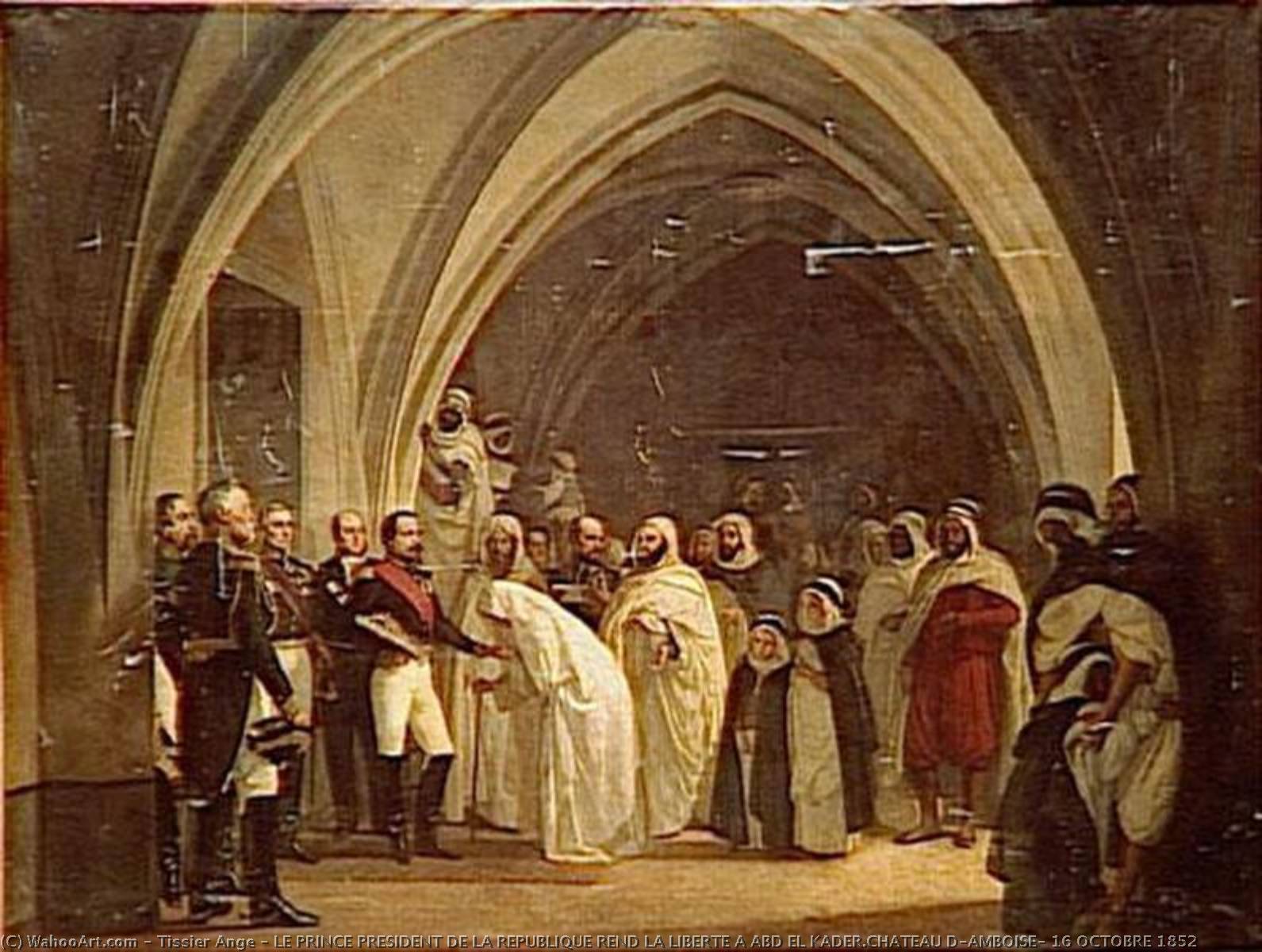
LE PRINCE PRESIDENT DE LA REPUBLIQUE REND LA LIBERTE A ABD EL KADER.CHATEAU D'AMBOISE, 16 OCTOBRE 1852
 Pročitaj više
Giclee štampa / Umetnički otisak
Giclée štampa ili print na platnu muzejskog kvaliteta uz brzu proizvodnju i fleksibilne opcije završne obrade. ( Kupi ručno naslikanu sliku Kupi digitalnu sliku)




































Izaberite jednu od naših unapred definisanih veličina koje odgovaraju originalnim proporcijama umetničkog dela.

Možete uneti sopstvene dimenzije kako biste umetničko delo prilagodili specifičnom okviru ili prostoru. Ako odabrani format ne odgovara proporcijama originalne slike, mi ćemo ili iscrtati deo dela ili proširiti sliku pomoću ogledane ivice ili jednobojnog popunjavanja. Digitalni prikaz će vam biti poslat na odobrenje pre početka proizvodnje.
Imajte na umu da pregled na ekranu ne odražava stvarno iscrtavanje ili proširivanje. Samo će prikaz (mockup) precizno pokazati finalnu kompoziciju.
Iako su prilagođene dimenzije dostupne, preporučujemo da odaberete dimenziju sa unapred definisane liste kako biste očuvali originalne proporcije.
Dostava širom sveta () za 2 nedelje umesto uobičajenih 4/5 nedelja. (28 август)

Besplatna ekspresna dostava širom sveta

Visokokvalitetno laneno platno

Kompletno osiguranje transporta

Garancija povraćaja carine i uvoznih dažbina

Garancija vernosti boja

Politika povrata u roku od 60 dana (samo u slučaju nedostataka)

Garancija povrata novca od 100%

Popust pri grupnoj kupovini
 Opcija sa staklom dostupna je samo za dimenzije manje od 110 cm

LE PRINCE PRESIDENT DE LA REPUBLIQUE REND LA LIBERTE A ABD EL KADER.CHATEAU D'AMBOISE, 16 OCTOBRE 1852
Giclee štampa / Umetnički otisak
Dimenzije reprodukcije
-


Konačna cena
$ 62
Srodna umetnička dela




Biografija umetnika
The Refined Gaze: Jean-Baptiste-Ange Tissier and the Portraiture of an Era
Jean-Baptiste-Ange Tissier (1843-1906) occupies a fascinating, if often overlooked, position within the landscape of 19th-century French painting. He wasn’t a revolutionary iconoclast like Courbet or Manet, nor did he pursue the atmospheric explorations of the Impressionists. Instead, Tissier carved out a successful career as a highly sought-after portraitist, specializing in capturing the elegance and opulence of the Second Empire and its immediate aftermath. His canvases offer a compelling glimpse into the lives of the Parisian bourgeoisie, nobility, and those connected to the court of Napoleon III – a world steeped in social ritual, refined taste, and carefully constructed appearances. Born into an artistic family, Tissier received his formal training at the École des Beaux-Arts under Léon Cogniet, a prominent academic painter known for his historical and portrait work. This foundation instilled in him a mastery of classical technique, evident in his precise draftsmanship, balanced compositions, and subtle handling of light and shadow. However, Tissier’s talent lay not in grand narratives but in the intimate portrayal of individual character within a specific social context.A Court Painter's Ascendancy
Tissier’s breakthrough came with his appointment as an official portraitist to Napoleon III and Empress Eugénie. This prestigious position secured him access to the highest echelons of French society, and he quickly became renowned for his ability to flatter and idealize his sitters while simultaneously conveying a sense of their personality. His portraits are not merely likenesses; they are carefully curated representations designed to project an image of wealth, status, and moral virtue. He excelled at depicting the sumptuous fabrics, elaborate jewelry, and ornate interiors that defined the Second Empire aesthetic. The artist’s skill in rendering textures – silk shimmering under candlelight, the gleam of pearls, the rich velvet of a gentleman's coat – is particularly noteworthy. While many artists were beginning to break away from academic conventions, Tissier embraced them, finding a lucrative and fulfilling niche within the established art world. He understood the desires of his clientele: they wanted portraits that affirmed their position in society, and Tissier delivered with unwavering skill and sensitivity. His work during this period is characterized by a restrained elegance and a meticulous attention to detail, reflecting the formality and decorum of the imperial court.Beyond the Imperial Circle: Expanding Themes
The fall of the Second Empire in 1870 did not diminish Tissier’s career; rather, it broadened his subject matter. While he continued to paint portraits of former members of the aristocracy and wealthy patrons, he also began to explore scenes of contemporary life, often depicting women in intimate settings – reading, writing letters, or simply lost in thought. These paintings, while still exhibiting his characteristic technical finesse, reveal a growing interest in psychological nuance and emotional depth. He moved beyond purely celebratory depictions to capture moments of quiet contemplation and subtle vulnerability. Tissier’s later works also demonstrate a fascination with historical themes, particularly those related to the French monarchy. He painted scenes from the lives of Marie Antoinette and other royal figures, often imbuing them with a sense of romantic nostalgia and tragic beauty. This shift suggests a desire to connect with France's rich cultural heritage and perhaps offer a commentary on the tumultuous events that had recently transpired.Influences and Artistic Style
Tissier’s artistic lineage is rooted in the traditions of 18th-century French portraiture, particularly the work of artists like Élisabeth Vigée Le Brun and Jean-Auguste-Dominique Ingres. He admired their ability to capture both physical likeness and inner character with remarkable precision.- His early training at the École des Beaux-Arts exposed him to the academic principles of composition, anatomy, and perspective.
- The influence of Dutch Golden Age painters is also evident in his meticulous attention to detail and his mastery of light and shadow.
- While he did not fully embrace Impressionism, he was aware of its innovations and incorporated some of its techniques – such as broken brushstrokes and a heightened sense of atmosphere – into his later works.