

 Pregledaj u prostoru
 Pošalji
 Podeli
 Detalji o delu

 Преузми
 Slični predmeti
 Rendgenski snimak
 Slajdovi
 Stats
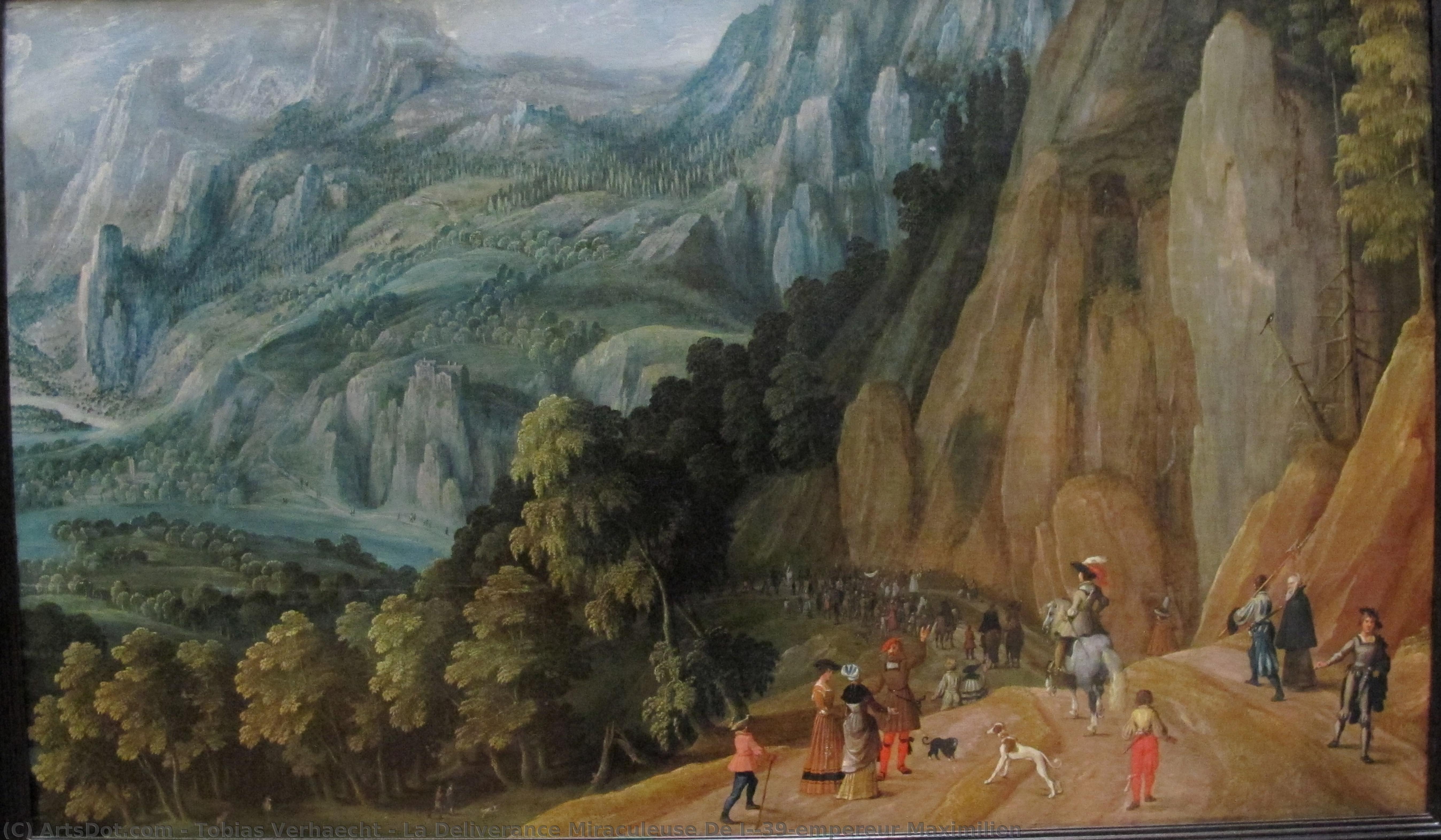
StatsLa Deliverance Miraculeuse De I'empereur Maximilien


 Pročitaj više
Kupite digitalnu sliku visoke rezolucije i poboljšanog kvaliteta, koja je znatno superiornija od onoga što vidite u online prikazu.
Svaka datoteka je pedantno pripremljena od strane naših stručnjaka koristeći napredne alate i profesionalnu ručnu retušu. Osiguravamo da svaka slika ima izuzetnu oštrinu, preciznu reprodukciju boja i fine detalje.
Konačna datoteka se dostavlja putem e-pošte u roku od 72 sata, optimizovana za neposrednu upotrebu u profesionalnim, izdavačkim i štamparskim okruženjima. To je isti kvalitet kojem veruju vrhunski studiji dizajna, izdavači i galerije.
Digitalna slika
Preuzmite datoteku visoke rezolucije za ličnu upotrebu, štampanje i kreativne projekte. ( Switch to Print Kupi ručno naslikanu sliku)
Uključeno uz svaku porudžbinu digitalne slike
Profesionalna digitalna isporuka, zagarantovana
Kada odaberete ArtsDot.com, ne dobijate samo sliku – vi primate profesionalno unapređeno digitalno umetničko delo, izrađeno sa najvećom preciznošću i uz garanciju zadovoljstva. Evo svega što automatski dolazi uz vašu porudžbinu:

Brza dostava putem e-pošte
Vaša digitalna slika visoke rezolucije biće vam poslata putem e-pošte u roku od 72 sata od poručivanja – spremna za trenutnu upotrebu.

Digitalna datoteka unapređena veštačkom inteligencijom
Vaše umetničko delo je profesionalno optimizovano korišćenjem naprednih AI alata i ručne obrade, čime se osiguravaju maksimalni detalji, oštrina i preciznost boja.

Besplatna ponovna isporuka doživotno
Slučajno ste obrisali ili izgubili svoju datoteku? Ne brinite – poslaćemo vam je ponovo u bilo kom trenutku, potpuno besplatno.

Bez troškova uvoza – zauvek
Uživajte u svojim umetničkim delima trenutno, bez carine, dažbina ili troškova dostave – digitalni download je uvek bez poreza.

Garancija vernosti boja
Uz pomoć profesionalnih alata i upravljanja bojama, osiguravamo da vaša digitalna slika što vernije odražava originalne boje.

Garancija zadovoljstva od 100 dana
Ako niste zadovoljni svojom digitalnom slikom, izvršićemo reviziju ili ćemo vam vratiti 100% novca u roku od 100 dana – bez ikakvih pitanja.

100% garancija povrata novca
Niste zadovoljni? Dobijte puni povraćaj novca u roku od 100 dana od prijema digitalne datoteke – bez suvišnih pitanja.

Popusti na velike porudžbine
Kupite 3 slike, uštedite 10% - Kupite 5 slika, uštedite 15% - Kupite 10+ slika, uštedite 20%. Odlično za kreativne projekte, galerije i agencije.
La Deliverance Miraculeuse De I'empereur Maximilien: A Symphony of Stone and Spirit
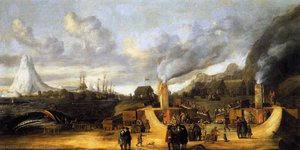
The painting “La Deliverance Miraculeuse De I’empereur Maximilien,” attributed to Tobias Verhaecht, stands as a cornerstone of Northern Renaissance landscape art—a testament to the meticulous observation of nature combined with profound symbolic representation. Executed circa 1600-1631 during the height of Mannerism, this monumental canvas transcends mere depiction; it invites contemplation on themes of resilience, divine intervention, and the enduring power of faith amidst formidable geological formations.- Subject Matter: The scene portrays a dramatic vista dominated by towering mountains—a landscape rendered with breathtaking realism—populated by figures engaged in purposeful activity. Notably prominent is a horseback rider, positioned centrally and elevated above the surrounding terrain, embodying leadership and conveying an aura of authority.
- Style & Technique: Verhaecht’s masterful technique exemplifies Mannerist principles. He employs chiaroscuro – dramatic contrasts between light and shadow – to sculpt the mountain peaks and imbue them with palpable texture. The artist utilizes a rich palette dominated by earthy tones—ochres, browns, and grays—creating an atmosphere of solemn grandeur and conveying a sense of timelessness.
- Historical Context: Created during a period marked by religious fervor and artistic experimentation, “La Deliverance Miraculeuse” reflects the humanist spirit of its time while simultaneously grappling with theological concerns. The painting’s composition echoes biblical narratives—specifically tales of deliverance—suggesting an allegorical dimension that elevates it beyond a simple topographical representation.
- Symbolism: The mountains themselves serve as potent symbols of stability, permanence, and spiritual ascent. The rider's posture communicates unwavering resolve and symbolizes the triumph of faith over adversity. Furthermore, the inclusion of figures engaged in activity—perhaps representing humanity striving for enlightenment—underscores the painting’s overarching message about overcoming obstacles through perseverance.
- Emotional Impact: Viewing “La Deliverance Miraculeuse” evokes a feeling of awe and reverence. The artist skillfully captures the grandeur of the natural world while simultaneously conveying an emotional depth that resonates with viewers on a visceral level. It is a painting designed to inspire contemplation and provoke reflection on the relationship between humanity and divinity—a timeless masterpiece that continues to captivate audiences centuries after its creation.
Detailed Analysis: Composition and Color Palette
Verhaecht’s compositional choices are deliberate, guiding the viewer's gaze across the expansive landscape. The central rider dominates the visual field, anchoring the scene and establishing a hierarchy of importance. Careful attention to perspective—evident in the receding mountain slopes—creates an illusion of depth that enhances the painting’s dramatic impact. Simultaneously, Verhaecht employs a restrained color palette characterized by muted hues—primarily browns and grays—to reinforce the solemn mood and emphasize the ruggedness of the terrain. Subtle accents of blue within the sky contribute to visual harmony and heighten the sense of atmospheric grandeur.Provenance & Artistic Influences
Tobias Verhaecht’s artistic lineage traces back to Joachim Patinir, whose pioneering landscapes established a precedent for portraying natural vistas with unparalleled realism and expressive power. Verhaecht's formative years in Florence under the patronage of Francesco I de' Medici exposed him to the innovations of Italian Mannerism—a stylistic movement characterized by elongated figures, stylized drapery, and heightened emotional intensity. These influences are palpable in “La Deliverance Miraculeuse,” which embodies the spirit of Mannerist art while retaining Verhaecht’s distinctive artistic vision.Conclusion: A Legacy of Beauty and Reflection
“La Deliverance Miraculeuse De I’empereur Maximilien” remains a remarkable achievement in landscape painting—a captivating fusion of observation, technique, and symbolism that continues to inspire admiration and scholarly inquiry. Its enduring appeal lies not merely in its visual splendor but also in its capacity to provoke contemplation on fundamental questions about human existence and the sublime majesty of creation. It is a painting that transcends time, inviting viewers to immerse themselves in its evocative atmosphere and contemplate its profound spiritual significance.Srodna umetnička dela


Biografija umetnika
The Architect of the World Landscape
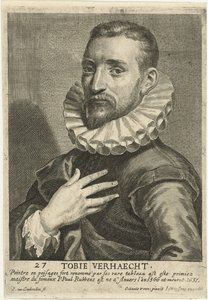
In the vibrant, bustling heart of Antwerp during the late sixteenth century, a master was at work, weaving together the rugged textures of mountains and the ethereal light of distant horizons. Tobias Verhaecht, born in 1561, emerged as a pivotal figure in the Flemish tradition, a painter whose brush captured the vastness of the "world landscape." His artistry was deeply rooted in the Mannerist traditions established by legends such as Joachim Patinir and Pieter Bruegel the Elder. Verhaecht did not merely paint scenery; he constructed entire universes on canvas, where panoramic vistas stretched toward infinite, hazy peaks, inviting the viewer to lose themselves in a meticulously detailed topography of the imagination.
The trajectory of Verhaecht’s life was as expansive as his landscapes. As the son of Cornelis van Haecht, he was born into the prestigious lineage of the Antwerp Guild of St. Luke, gaining entry to the guild as the son of a master. This early immersion in the professional artistic community provided him with a foundation that would eventually lead him far beyond the borders of Flanders. Before 1590, Verhaecht embarked on a transformative journey through Italy, a period that would profoundly refine his aesthetic sensibilities. In Florence, he found himself under the esteemed patronage of Francesco I de' Medici, Grand Duke of Tuscany, an honor that speaks to the high regard in which his talent was held. His travels continued to Rome, where he applied his skill to the grand medium of fresco painting, capturing the monumental scale of classical landscapes within the architectural splendor of Italian interiors.
A Legacy of Mentorship and Mastery
Upon his return to Antwerp, Verhaecht transitioned from a wandering traveler to a pillar of the local art scene. Having achieved the status of master in the Guild of St. Luke around 1590–91, he became a central figure in the city's cultural fabric. Perhaps his most enduring historical significance lies in his role as a teacher; it was Verhaemt who first instructed the legendary Pieter Paul Rubens. While the young Rubens would eventually depart Verhaecht’s studio to pursue the grander scale of history painting, the foundational lessons in landscape and composition learned under Verhaecht remained a vital part of his artistic DNA. The lineage of Verhaecht’s influence extended through many pupils, including Willem van Haecht, Jacques Backereel, and Martin Ryckaert, ensuring that his stylistic fingerprints were pressed upon the next generation of Flemish masters.
Beyond the studio, Verhaecht’s life was a complex tapestry of personal triumph and profound sorrow. His domestic life was marked by significant shifts; he married Suzanna van Mockenborch, a connection that linked him to the family of Rubens' stepfather, but her untimely death in 1595 plunged him into a period of both financial hardship and personal grief. He later found companionship again with Esther Pamphi, yet his later years were shadowed by the loss of his children, Cornelis and Suzanna. Despite these tribulations, Verhaecht remained an active participant in the intellectual life of Antwerp, joining the violieren, a local chamber of rhetoric, even composing a comedy in 1620. His life was a testament to the resilience of the creative spirit, standing as a bridge between the structured Mannerism of the sixteenth century and the burgeoning Baroque era that would soon redefine European art.
tobias verhaecht
1561 - 1631 , Belgium
Kratke činjenice
- Artistic Movement Or Style: Mannerist world landscape
- Artists Or Movements Influenced By This Artist:
- Peter Paul Rubens
- Willem van Haecht
- Martin Ryckaert
- Artists Who Influenced This Artist:
- Joachim Patinir
- Pieter Bruegel the Elder
- Date Of Birth: 1561
- Date Of Death: 1631
- Full Name: Tobias Verhaecht
- Nationality: Flemish
- Place Of Birth: Antwerp, Belgium