

 Pregledaj u prostoru
 Pošalji
 Podeli
 Detalji o delu

 Преузми
 Slični predmeti
 Rendgenski snimak
 Slajdovi
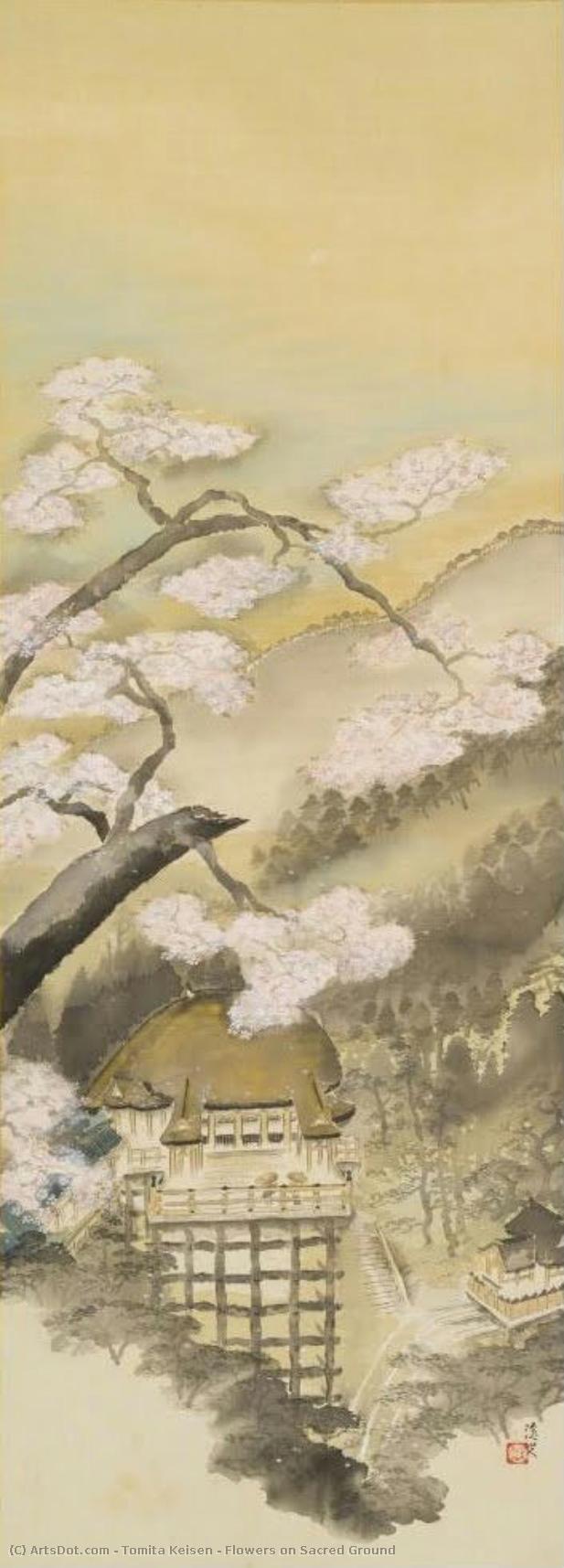
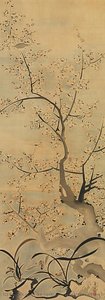
Flowers on Sacred Ground


 Pročitaj više
Ručno rađena uljana reprodukcija
Ručno oslikano uljanim bojama na platnu u dimenzijama i okviru po vašem izboru, izrađeno po porudžbini od strane naših umetnika. ( Kupi print Kupi digitalnu sliku)




































Izaberite jednu od naših unapred definisanih veličina koje odgovaraju originalnim proporcijama umetničkog dela.

Можете унети сопствене димензије како бисте прилагодили дело одређеном оквиру или простору. Ако одабрана величина не одговара пропорцијама оригинала, слика ће бити исечена или проширена додатним елементима који се ручно насликавају. Дигитални prikaz ће вам бити послат на одобрење пре почетка производње.
Имајте на уму да преглед на екрану не одражава стварно исецање или проширење. Само приказ (mockup) ће тачно приказати коначну композицију.
Иако су доступне прилагођене величине, препоручујемо да одаберете димензију из дефинисане листе како бисте сачували оригиналне пропорције.
Nakon narudžbine, tim ArtsDot.com će klijentu putem e-pošte poslati uputstva i dostaviti prikaz predloženog rešenja
Isporuka širom sveta () za 3/4 nedelje umesto uobičajenih 5 nedelja. (6 септембар). Bez kompromisa po pitanju kvaliteta.

Besplatna ekspresna dostava širom sveta

Visokokvalitetno laneno platno

Kompletno osiguranje transporta

Garancija povraćaja carine i uvoznih dažbina

Garancija vernosti boja

Politika povrata u roku od 100 dana (samo u slučaju nedostataka)

Garancija povrata novca od 100%

Popust pri grupnoj kupovini
 Opcija sa staklom dostupna je samo za dimenzije manje od 110 cm

Flowers on Sacred Ground
Tehnika reprodukcije
Dimenzije reprodukcije
-


Konačna cena
$ 263
Srodna umetnička dela

Biografija umetnika
The Soul of Nihonga: The Life and Legacy of Tomita Keisen
In the delicate interplay of light and mineral pigment, the works of Tomita Keisen (1879–1936) offer a window into a Japan caught between the weight of ancient tradition and the dawn of modernity. Born in Fukuoka, Keisen’s early life was rooted in a world of meticulous craftsmanship, shaped by his family's heritage as restaurateurs. This foundational appreciation for precision and detail would later manifest in his mastery of Nihonga, a style that seeks to capture the essence of the natural world through traditional Japanese techniques. His journey was not merely one of technical skill, but a profound spiritual pilgrimage that sought to bridge the gap between the earthly landscape and the divine.
Keisen’s artistic evolution was shaped by a rigorous and diverse education that spanned the most influential schools of his era. His initial training under Kinugasa Morimase, a painter for the Kuroda clan, introduced him to the structured, bold aesthetics of the Kanō school. However, Keisen possessed an insatiable intellectual curiosity that drove him toward the more naturalistic and contemplative Shijō school. By studying under Tsuji Kakō in Kyoto, he learned to infuse his landscapes with a sense of quietude and spiritual depth. This synthesis of styles allowed him to move beyond mere representation, creating works where the atmosphere itself feels heavy with meaning.
A Tapestry of Faith and Exploration
What truly distinguishes Keisen from his contemporaries was the profound spiritual dimension that permeated his brushwork. His worldview was a complex tapestry woven from threads of Christianity and Zen Buddhism, a duality that informed his travels and his artistic gaze. During his expeditions to China and Okinawa, Keisen did not merely observe landscapes; he sought out the sacred. He immersed himself in the iconography of Heian-period Buddhist imagery, absorbing the ancient aesthetic sensibilities that prioritize the ephemeral beauty of the moment. This deep engagement with religious history allowed him to utilize mineral pigments not just for color, but to evoke a sense of timelessness and reverence.
His technical mastery is most evident in his ability to manipulate traditional materials to achieve extraordinary atmospheric effects. Through the careful application of crushed minerals and organic pigments, he could recreate the misty morning light over a mountain range or the subtle translucency of water. His achievements were recognized by the most prestigious institutions of his time, including frequent exhibitions at the Japan Painting Association, which cemented his status as a leading figure in the Meiji-era art scene. His work serves as a testament to the power of Nihonga to convey complex emotional and spiritual states through the medium of nature.
Historical Significance and Enduring Influence
The historical importance of Tomita Keisen lies in his role as a guardian of tradition who was nonetheless open to the transformative energies of his age. He did not view the past as a static relic, but as a living language capable of expressing contemporary truths. His ability to integrate the structured lineage of the Kanō school with the fluid naturalism of the Shijō school created a unique visual vocabulary that resonated with both scholars and the public.
Today, Keisen’s legacy is preserved in significant collections, most notably at the Moa Museum, where his landscapes continue to inspire awe. His life remains a profound example of how an artist can navigate the tensions between different belief systems and artistic movements to create something truly universal. To look upon a Keisen painting is to witness a moment of perfect equilibrium—where the physical world meets the spiritual, and where every brushstroke carries the weight of history.
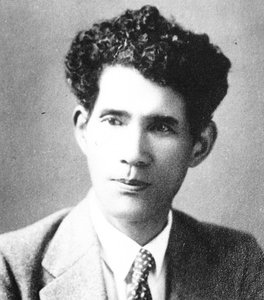
tomita keisen
1879 - 1936 , Japan
Osnovne informacije
- Artistic Movement Or Style: Nihonga
- Artists Or Movements Influenced By This Artist: ['Kanō School']
- Artists Who Influenced This Artist:
- Kinugasa Morimase
- Tsuji Kakō
- Date Of Birth: December 9, 1879
- Date Of Death: 1936
- Full Name: Tomita Keisen
- Nationality: Japanese
- Notable Artworks:
- Eight Views of Saga
- Peacock and Bamboo
- Izanagi and Izanami
- Place Of Birth: Fukuoka, Japan
Povezani članci
The Beauty of Ink Wash: Discover Serene & Soulful Art for Your Home
Discover the tranquil beauty of ink wash painting. Explore how Sumi-e and monochrome landscapes bring Zen-inspired serenity and soulful elegance to your home decor through expert curation and timeless East Asian aesthetics.
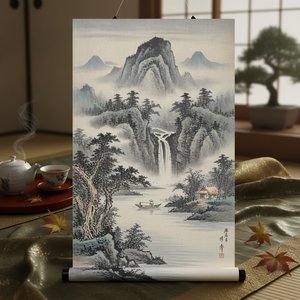
Serenity on Canvas: A Guide to the Timeless Beauty of Japanese Landscape Painting
Discover the serene beauty of Japanese landscape painting. From Hokusai's iconic woodblock prints to meditative sumi-e ink washes, explore a visual journey through the 'floating world' and learn how to bring this timeless Zen aesthetic into your modern home decor.

Katsushika Hokusai: 25 Remek-dela Japanskog Umetnika za Vaš Dom | ArtsDot
Uronite u svet Katsushike Hokusaija! Otkrijte 25 remek-dela japanskog umetnika, uključujući čuveni 'Veliki talas'. Ukiyo-e štampe, pejzaži i istorija iza svakog dela. Pronađite inspiraciju za dekor enterijera i kupite reprodukcije slika vrhunskog kvaliteta na ArtsDot.com.
Ephemeral Expressions: Exploring the Nuances of Ink on Paper Through History & Contemporary Art
Explore the captivating world of ink wash painting – from its ancient origins to contemporary masters. Discover techniques, symbolism & conservation insights with ArtsDot.com.
Floating World: The Captivating Art and Legacy of Japanese Ukiyo-e
Explore the profound beauty of Japanese Ukiyo-e. Discover the history, masters like Hokusai, and the enduring legacy of the 'Floating World' through an expert art-historical lens.