

 Pregledaj u prostoru
 Pošalji
 Podeli
 Detalji o delu

 Преузми
 Slični predmeti
 Rendgenski snimak
 Slajdovi
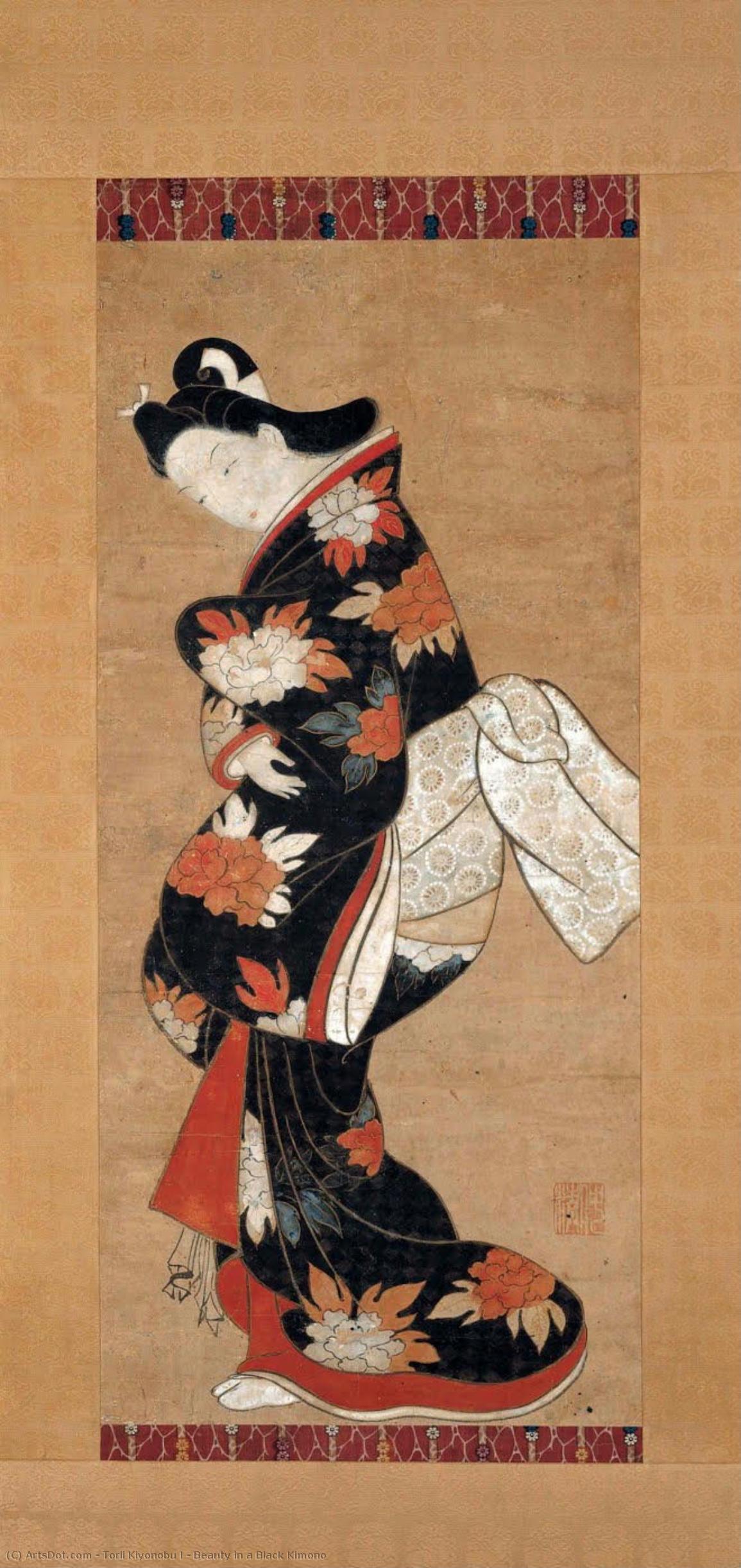
Beauty in a Black Kimono
 Painting
- Ukiyo-e
 1710
1710 60.0 x 27.0 cm
 Kimbell Art Museum
 Pročitaj više
Kupite digitalnu sliku visoke rezolucije i poboljšanog kvaliteta, koja je znatno superiornija od onoga što vidite u online prikazu.
Svaka datoteka je pedantno pripremljena od strane naših stručnjaka koristeći napredne alate i profesionalnu ručnu retušu. Osiguravamo da svaka slika ima izuzetnu oštrinu, preciznu reprodukciju boja i fine detalje.
Konačna datoteka se dostavlja putem e-pošte u roku od 72 sata, optimizovana za neposrednu upotrebu u profesionalnim, izdavačkim i štamparskim okruženjima. To je isti kvalitet kojem veruju vrhunski studiji dizajna, izdavači i galerije.
Digitalna slika
Preuzmite datoteku visoke rezolucije za ličnu upotrebu, štampanje i kreativne projekte. ( Kupi print Kupi ručno naslikanu sliku)
Uključeno uz svaku porudžbinu digitalne slike
Profesionalna digitalna isporuka, zagarantovana
Kada odaberete ArtsDot.com, ne dobijate samo sliku – vi primate profesionalno unapređeno digitalno umetničko delo, izrađeno sa najvećom preciznošću i uz garanciju zadovoljstva. Evo svega što automatski dolazi uz vašu porudžbinu:

Brza dostava putem e-pošte
Vaša digitalna slika visoke rezolucije biće vam poslata putem e-pošte u roku od 72 sata od poručivanja – spremna za trenutnu upotrebu.

Digitalna datoteka unapređena veštačkom inteligencijom
Vaše umetničko delo je profesionalno optimizovano korišćenjem naprednih AI alata i ručne obrade, čime se osiguravaju maksimalni detalji, oštrina i preciznost boja.

Besplatna ponovna isporuka doživotno
Slučajno ste obrisali ili izgubili svoju datoteku? Ne brinite – poslaćemo vam je ponovo u bilo kom trenutku, potpuno besplatno.

Bez troškova uvoza – zauvek
Uživajte u svojim umetničkim delima trenutno, bez carine, dažbina ili troškova dostave – digitalni download je uvek bez poreza.

Garancija vernosti boja
Uz pomoć profesionalnih alata i upravljanja bojama, osiguravamo da vaša digitalna slika što vernije odražava originalne boje.

Garancija zadovoljstva u roku od 100 dana
Ako niste zadovoljni svojom digitalnom slikom, revidirat ćemo je ili vratiti 100% novca u roku od 100 dana – bez ikakvih pitanja.

100% garancija povrata novca
Niste zadovoljni? Obezbedite pun povrat novca u roku od 100 dana od trenutka kada ste primili svoju digitalnu datoteku – bez suvišnih pitanja.

Popusti na velike porudžbine
Kupite 3 slike, uštedite 10% - Kupite 5 slika, uštedite 15% - Kupite 10+ slika, uštedite 20%. Odlično za kreativne projekte, galerije i agencije.
Srodna umetnička dela
Biografija umetnika
Rachel Ruysch: A Pioneer of Still Life and Botanical Observation
Rachel Ruysch (1664 – 1750) stands as a monumental figure in the history of art, particularly recognized for her groundbreaking contributions to the genre of still life painting. Born in The Hague, Netherlands, into a family deeply rooted in scientific pursuits—her father was a botanist, physician, and anatomist—Ruysch’s artistic journey was inextricably linked with meticulous observation and an unparalleled understanding of the natural world. Her early training under Willem van Aelst, a renowned painter known for his detailed depictions of objects, provided her with a solid foundation in technique and composition. However, it was her subsequent influence by Otto Marseus van Schriek, famed for his atmospheric forest scenes populated by insects and reptiles, that truly shaped her distinctive style—a fascination with the delicate beauty and often unsettling details of decaying flora and fauna. Ruysch’s career unfolded across several key locations: initially in The Hague from 1701 to 1708, where she became the first female member of the Confrerie Pictura, a prestigious artists' society; then as court painter to the Elector Palatine, Johan Willem, in Düsseldorf (1708-1716), producing lavish portraits and historical scenes; and finally, returning to The Hague for much of her later career. Her artistic practice wasn’t simply about rendering beautiful objects; it was a deeply scientific endeavor. Ruysch meticulously documented the life cycles of flowers, insects, and other specimens, often presenting them in dramatic arrangements that highlighted their textures, colors, and even their decomposition. She employed innovative techniques—using oil paints mixed with turpentine to create incredibly realistic effects of moisture and translucency—to capture the fleeting beauty of her subjects. Her work moved beyond mere representation; she sought to convey a sense of immediacy, as if the viewer were witnessing these moments in nature unfold before their eyes.The Rise of a Unique Style: From Forest Scenes to Botanical Studies
Ruysch’s artistic evolution is marked by a shift from the dark, atmospheric forest scenes influenced by van Schriek to a more focused exploration of botanical subjects. This transition wasn't abrupt but rather a gradual refinement of her skills and interests. She began incorporating insects, fungi, and other small creatures into her still lifes, elevating them to positions of prominence alongside flowers and fruits. Her compositions became increasingly complex, layering multiple specimens upon one another in arrangements that were both visually stunning and scientifically informative. Unlike many of her contemporaries who focused on idealized representations of nature, Ruysch embraced the realities of decay, presenting wilted petals, bruised fruit, and even insect corpses with a remarkable degree of honesty and detail. This willingness to confront mortality—and the beauty inherent within it—was revolutionary for its time. The impact of Ruysch’s work extended beyond the realm of art; she was also a respected scientific illustrator. Her meticulous drawings and paintings served as valuable records of plant life, contributing significantly to botanical knowledge. She even developed her own techniques for preserving specimens, ensuring that her subjects retained their vibrant colors and intricate details for posterity. Her dedication to both artistic expression and scientific observation cemented her legacy as a truly unique artist—one who seamlessly blended the disciplines of art and science.A Court Artist and a Woman in a Male-Dominated World
Rachel Ruysch’s career navigated a challenging landscape dominated by male artists. Despite facing prejudice and skepticism, she persevered, establishing herself as one of the most successful and respected painters of her era. Her appointment as court painter to the Elector Palatine in Düsseldorf was a significant achievement, demonstrating her artistic merit and securing her a position of influence within the royal court. She skillfully utilized this role to showcase her talents, producing portraits for the nobility alongside elaborate still lifes that adorned the palace walls. Furthermore, Ruysch’s membership in the Confrerie Pictura—a guild of artists dedicated to promoting art and fostering professional connections—provided her with valuable support and recognition. This association allowed her to exhibit her work, exchange ideas with fellow artists, and establish a network of patrons. Ruysch's success as a female artist during this period is particularly noteworthy, challenging conventional notions about the roles and capabilities of women in the art world.Legacy and Lasting Influence
Rachel Ruysch’s influence on subsequent generations of still life painters is undeniable. Her meticulous attention to detail, her innovative use of color and texture, and her willingness to depict the beauty of decay paved the way for future artists who sought to capture the complexities of the natural world. Her work continues to be admired today for its scientific accuracy, its artistic beauty, and its profound insights into the ephemeral nature of life. The National Gallery in London holds a significant collection of Ruysch’s paintings, offering visitors a rare opportunity to appreciate the extraordinary talent and enduring legacy of this pioneering artist. Her dedication to observation and her ability to transform fleeting moments in nature into lasting works of art solidify her place as one of the most important figures in the history of still life painting.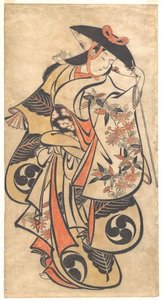
torii kiyonobu i
1664 - 1729