

 Pregledaj u prostoru
 Pošalji
 Podeli
 Detalji o delu

 Преузми
 Slični predmeti
 Rendgenski snimak
 Slajdovi
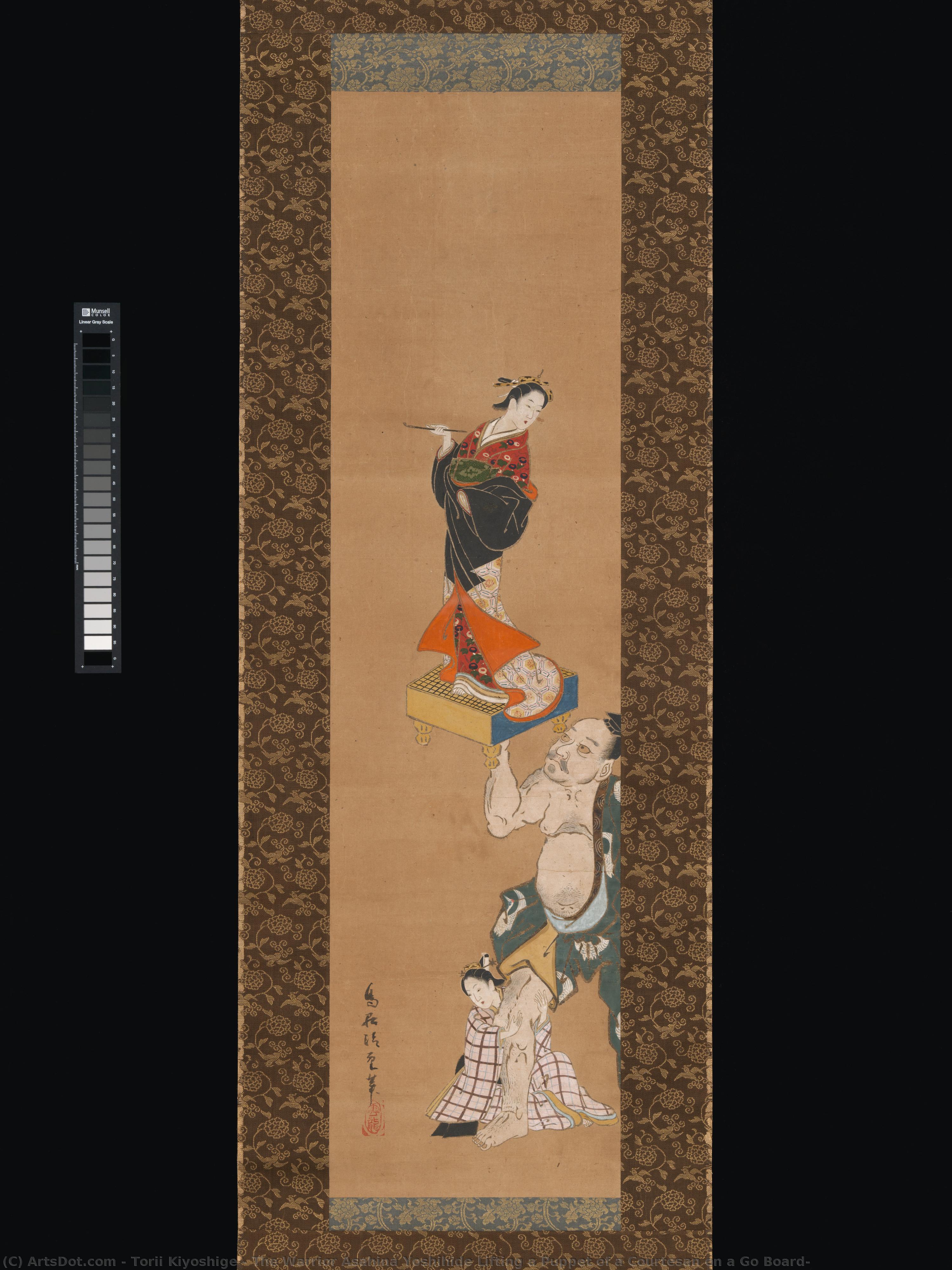
The Warrior Asahina Yoshihide Lifting a Puppet of a Courtesan on a Go Board
 701
701 76.0cm x 20.0cm
 Pročitaj više
Giclee štampa / Umetnički otisak
Giclée štampa ili print na platnu muzejskog kvaliteta uz brzu proizvodnju i fleksibilne opcije završne obrade. ( Kupi ručno naslikanu sliku Kupi digitalnu sliku)




































Izaberite jednu od naših unapred definisanih veličina koje odgovaraju originalnim proporcijama umetničkog dela.

Možete uneti sopstvene dimenzije kako biste umetničko delo prilagodili specifičnom okviru ili prostoru. Ako odabrani format ne odgovara proporcijama originalne slike, mi ćemo ili iscrtati deo dela ili proširiti sliku pomoću ogledane ivice ili jednobojnog popunjavanja. Digitalni prikaz će vam biti poslat na odobrenje pre početka proizvodnje.
Imajte na umu da pregled na ekranu ne odražava stvarno iscrtavanje ili proširivanje. Samo će prikaz (mockup) precizno pokazati finalnu kompoziciju.
Iako su prilagođene dimenzije dostupne, preporučujemo da odaberete dimenziju sa unapred definisane liste kako biste očuvali originalne proporcije.
Dostava širom sveta () za 2 nedelje umesto uobičajenih 4/5 nedelja. (25 август)

Besplatna ekspresna dostava širom sveta

Visokokvalitetno laneno platno

Kompletno osiguranje transporta

Garancija povraćaja carine i uvoznih dažbina

Garancija vernosti boja

Politika povrata u roku od 60 dana (samo u slučaju nedostataka)

Garancija povrata novca od 100%

Popust pri grupnoj kupovini
 Opcija sa staklom dostupna je samo za dimenzije manje od 110 cm

The Warrior Asahina Yoshihide Lifting a Puppet of a Courtesan on a Go Board
Giclee štampa / Umetnički otisak
Dimenzije reprodukcije
-


Konačna cena
$ 62
Opis predmeta
Srodna umetnička dela










Biografija umetnika
The Vibrant Pulse of the Floating World: The Legacy of Torii Kiyoshige
In the bustling, neon-lit spirit of Edo-period Japan, where the boundaries between reality and theater often blurred, Torii Kiyoshige emerged as a master of the ephemeral. Born in Tokyo around 1716, Kiyoshige was not merely an observer of his era but a vital architect of its visual identity. As a prominent member of the Torii School, he belonged to a lineage of artists tasked with capturing the electric energy of the Kabuki stage and the transient delights of the "floating world." While biographical records from this period are often as fleeting as the subjects he painted, his artistic footprint is indelible, marked by a profound ability to translate the muscular tension of a dramatic performance into the delicate medium of woodblock printing.
The Torii School itself held a unique position in the cultural landscape of Edo. Originally serving as the primary creators of Kabuki theater signboards and promotional materials, the school’s style was inherently tied to the spectacle of the stage. Kiyoshige inherited this tradition of theatricality, yet he elevated it beyond mere advertisement. His work moved past the functional requirements of promotion to explore the psychological depth of his subjects. Unlike some of his contemporaries who favored serene or static compositions, Kiyoshige infused his prints with a sense of dynamic movement and structural complexity that mirrored the climactic moments of a Kabuki play.
A Symphony of Color and Dramatic Tension
What truly distinguishes Kiyoshige from other Ukiyo-e masters is his unparalleled command over a dramatic color palette. He did not use color simply to decorate; he used it to narrate. His prints are celebrated for their bold, often startling contrasts between light and shadow, a technique that served to amplify the emotional stakes of his scenes. By manipulating hues, he could evoke the heavy atmosphere of a tragic confrontation or the bright, fleeting joy of a festival. This mastery of color allowed him to communicate the internal struggles of his characters—primarily famous actors—making the viewer feel the weight of their dramatic poses.
His technical prowess is perhaps most evident in his ability to capture mie, those iconic, frozen moments of intense emotion where an actor strikes a powerful pose. Through meticulous line work and strategic use of negative space, Kiyoshige could direct the eye through a composition, ensuring that the viewer’s gaze followed the arc of a story. His work often featured:
- Dynamic Compositions: Utilizing diagonal lines and overlapping figures to create a sense of depth and action.
- Theatrical Realism: A dedication to capturing the specific costumes, makeup, and physical intensity of Kabuki performers.
- Atmospheric Depth: Using color gradients to suggest the smoky air of a theater or the twilight of an Edo street.
Historical Significance and Artistic Endurance
The significance of Torii Kiyoshige lies in his role as a bridge between the functional art of the early Torii masters and the highly refined, independent art forms that followed. He took the foundational elements of theater promotion—the focus on action and recognizable icons—and transformed them into sophisticated works of fine art that could stand alone without the context of a playbill. His ability to blend the muscularity of historical legends with the elegance of contemporary fashion helped define the aesthetic standards of the mid-18th century.
Even today, as we look back upon the "floating world," Kiyoshige’s work remains a window into the soul of old Japan. He captured a culture that found profound meaning in the temporary, teaching us that beauty is most potent precisely because it cannot last. Through his bold strokes and vibrant pigments, the echoes of the Edo stage continue to resonate, inviting modern audiences to experience the timeless magic of a world caught in a moment of eternal motion.
Torii Kiyoshige
Japan
Osnovne informacije
- Artistic Movement Or Style: Ukiyo-e School
- Artists Or Movements Influenced By This Artist: ['Western Art']
- Artists Who Influenced This Artist:
- Torii Kiyonaga
- Komatsuya Hyakki
- Full Name: Torii Kiyoshige
- Nationality: Japanese
- Notable Artworks:
- Ichikawa Yaozö I as Soga-no-gorö
- The Actor Sawamura Sojuro II
- The Actor Sawamura Sojuro I as Soga no Juro
- Minamoto no Yoritomo Hiding in a Tree
- Yoshiwara: Mount Fuji on the Left (Yoshiwara, hidari Fuji)
- Cuckoo flying over deutzia flowers
- The Actor Matsumoto Koshiro II as Fuwa Banzaemon in the play "Monzukushi Nagoya Soga," performed at the Ichimura Theater in the first month, 1748
- Place Of Birth: Tokyo, Japan

