

 Pregledaj u prostoru
 Pošalji
 Podeli
 Detalji o delu

 Преузми
 Slični predmeti
 Rendgenski snimak
 Slajdovi
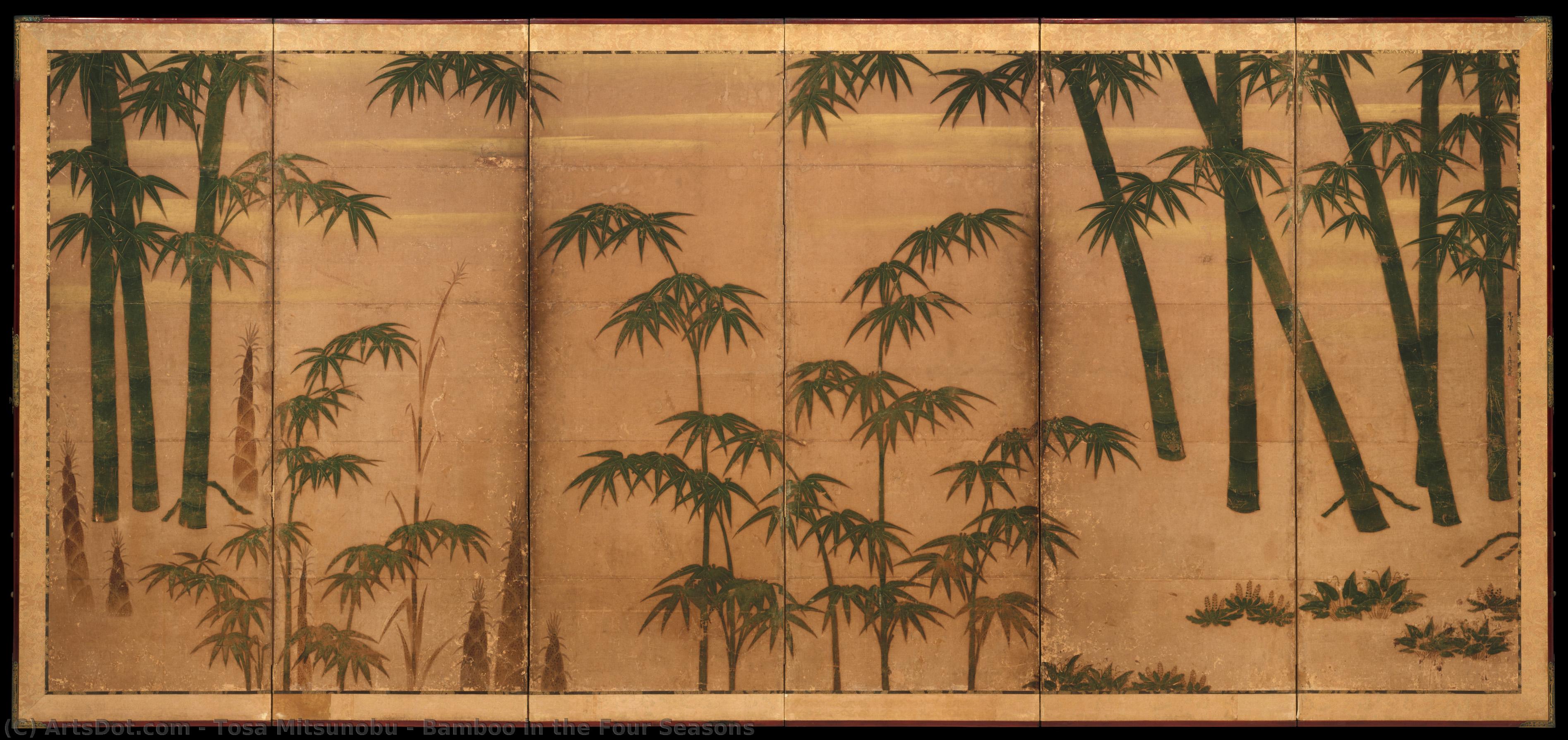
Bamboo in the Four Seasons
 501
501 157.0cm x 360.0cm
 Pročitaj više
Ručno rađena uljana reprodukcija
Ručno oslikano uljanim bojama na platnu u dimenzijama i okviru po vašem izboru, izrađeno po porudžbini od strane naših umetnika. ( Kupi print Kupi digitalnu sliku)




































Izaberite jednu od naših unapred definisanih veličina koje odgovaraju originalnim proporcijama umetničkog dela.

Можете унети сопствене димензије како бисте прилагодили дело одређеном оквиру или простору. Ако одабрана величина не одговара пропорцијама оригинала, слика ће бити исечена или проширена додатним елементима који се ручно насликавају. Дигитални prikaz ће вам бити послат на одобрење пре почетка производње.
Имајте на уму да преглед на екрану не одражава стварно исецање или проширење. Само приказ (mockup) ће тачно приказати коначну композицију.
Иако су доступне прилагођене величине, препоручујемо да одаберете димензију из дефинисане листе како бисте сачували оригиналне пропорције.
Nakon narudžbine, tim ArtsDot.com će klijentu putem e-pošte poslati uputstva i dostaviti prikaz predloženog rešenja
Isporuka širom sveta () za 3/4 nedelje umesto uobičajenih 5 nedelja. (29 август). Bez kompromisa po pitanju kvaliteta.

Besplatna ekspresna dostava širom sveta

Visokokvalitetno laneno platno

Kompletno osiguranje transporta

Garancija povraćaja carine i uvoznih dažbina

Garancija vernosti boja

Politika povrata u roku od 60 dana (samo u slučaju nedostataka)

Garancija povrata novca od 100%

Popust pri grupnoj kupovini
 Opcija sa staklom dostupna je samo za dimenzije manje od 110 cm

Bamboo in the Four Seasons
Tehnika reprodukcije
Dimenzije reprodukcije
-


Konačna cena
$ 263
Srodna umetnička dela

Biografija umetnika
Jan van Eyck: A Pioneer of Northern Renaissance Vision
Jan van Eyck, a name synonymous with groundbreaking innovation and meticulous detail in 15th-century art, stands as one of the most pivotal figures in the development of Western painting. Born around 1395 in Maaseik, Belgium – though his exact birthdate remains uncertain – he emerged from a family steeped in artistic tradition, likely apprenticed to his brother Hubert van Eyck. Van Eyck’s legacy isn't simply defined by individual masterpieces; it lies in the revolutionary techniques he pioneered, fundamentally altering how artists approached light, texture, and representation. His work represents a crucial bridge between the Gothic traditions of his time and the burgeoning naturalism that would characterize the High Renaissance.Early Life and Artistic Training
The precise details of van Eyck’s early life are somewhat elusive, shrouded in the historical gaps of the late medieval period. What is known with certainty is that he began his artistic career in Maaseik, where he likely honed his skills before relocating to Bruges around 1430. Bruges, then a thriving center for trade and art patronage under the rule of Philip the Good, Duke of Burgundy, offered an unparalleled environment for artistic development. It was here that van Eyck’s talent truly flourished, attracting the attention of the powerful duke who became his primary patron. This association proved immensely beneficial, providing him with commissions, access to luxurious materials, and a platform to experiment with new techniques. While Hubert van Eyck is often credited alongside Jan in works like the Ghent Altarpiece, recent scholarship suggests that Jan may have been the more dominant force within the partnership, particularly in the later stages of their collaboration.Technological Innovations: Oil Painting and Hyperrealism
Van Eyck’s most significant contribution to art history is undoubtedly his mastery of oil painting – a technique he seemingly developed independently, though others were experimenting with similar methods at the time. Prior to van Eyck, artists primarily used tempera paint, which dries quickly but lacks the rich colors and luminous effects achievable with oils. Van Eyck’s innovation allowed for layering pigments gradually, creating subtle gradations of tone, incredible detail, and a remarkable sense of depth and realism. This meticulous approach is vividly demonstrated in works like the *Arnolfini Portrait* (1434), where every object – from the folds of the clothing to the reflection in the mirror – is rendered with astonishing precision. Furthermore, van Eyck’s use of light was revolutionary. He meticulously observed and depicted how light interacted with surfaces, creating a sense of three-dimensionality that had previously been largely absent in panel paintings. His ability to capture the textures of fabrics, the sheen of metal, and the delicate details of human skin is unparalleled. This hyperrealistic style, combined with his mastery of oil painting, set a new standard for artistic representation and profoundly influenced generations of artists who followed.Major Works and Artistic Style
Jan van Eyck’s oeuvre comprises a remarkable collection of paintings, each showcasing his exceptional skill and innovative techniques. The *Ghent Altarpiece* (1432), a monumental work commissioned for St. Bavo's Cathedral in Ghent, remains one of the most celebrated masterpieces of the Northern Renaissance. Its complex structure, featuring multiple panels depicting scenes from the life of Christ, is a testament to van Eyck’s technical prowess and his ability to convey profound religious narratives through intricate detail. The *Arnolfini Portrait* (1434), arguably his most famous work, continues to fascinate art historians with its enigmatic symbolism and meticulous realism. The painting depicts Giovanni Arnolfini and his wife, Giovanna Cenami, in their home, filled with objects that carry layers of meaning – from the single candle symbolizing God’s presence to the discarded shoes representing humility. Other notable works include *Portrait of a Man* (1433), showcasing van Eyck's ability to capture individual personality and likeness, and various devotional panels reflecting the religious piety of his time.Legacy and Historical Significance
Jan van Eyck’s impact on art history is immeasurable. He not only perfected the technique of oil painting but also fundamentally altered the way artists approached realism, detail, and representation. His meticulous observation of nature, combined with his innovative use of light and color, established a new standard for artistic excellence that influenced generations of Northern Renaissance painters, including Rogier van der Weyden, Hans Memling, and Albrecht Dürer. His work stands as a cornerstone of Western art, demonstrating the power of technical innovation to elevate artistic expression and provide profound insights into the culture and society of his time. Van Eyck’s legacy continues to inspire artists and captivate viewers today, solidifying his place as one of the most important figures in the history of art.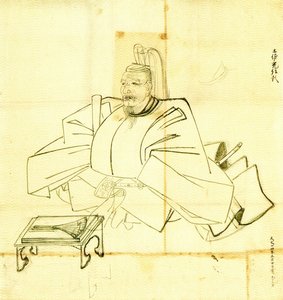
tosa mitsunobu
1434 - 1525 , Japan
Osnovne informacije
- Artistic Movement Or Style:
- Early Netherlandish art
- Flemish art
- Gothic art
- Artists Or Movements Influenced By This Artist: ['Rogier van der Weyden']
- Artists Who Influenced This Artist: ['Robert Campin']
- Date Of Birth: 1395
- Date Of Death: 1441
- Full Name: Jan van Eyck
- Nationality: Dutch
- Notable Artworks:
- Ghent Altarpiece
- Arnolfini Portrait
- Place Of Birth: Maaseik, Belgium

