

 Pregledaj u prostoru
 Pošalji
 Podeli
 Detalji o delu

 Преузми
 Slični predmeti
 Rendgenski snimak
 Slajdovi
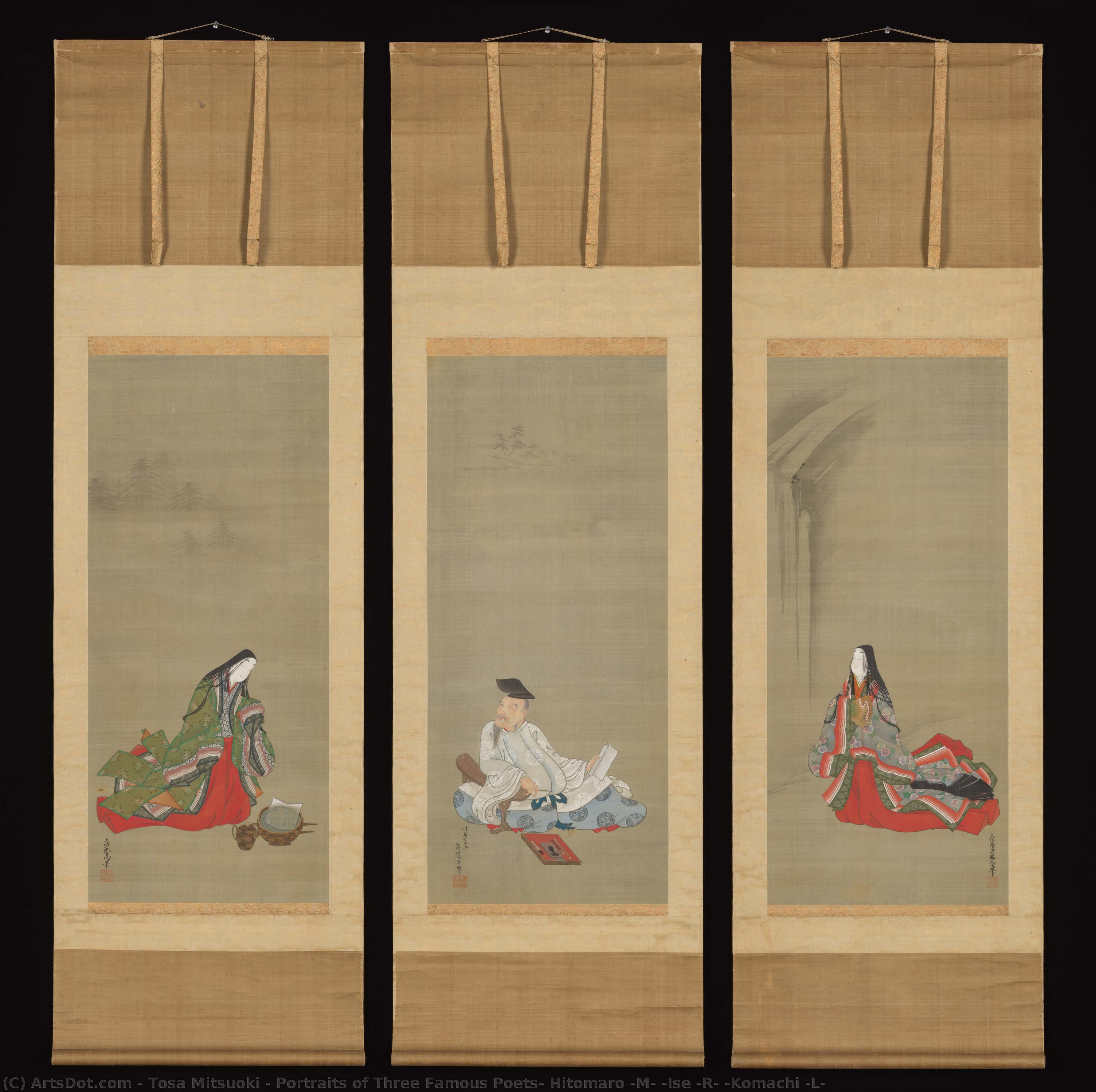
Portraits of Three Famous Poets: Hitomaro (M) ・Ise (R) ・Komachi (L)
 1691
1691 100.0 x 44.0 cm
 Pročitaj više
Kupite digitalnu sliku visoke rezolucije i poboljšanog kvaliteta, koja je znatno superiornija od onoga što vidite u online prikazu.
Svaka datoteka je pedantno pripremljena od strane naših stručnjaka koristeći napredne alate i profesionalnu ručnu retušu. Osiguravamo da svaka slika ima izuzetnu oštrinu, preciznu reprodukciju boja i fine detalje.
Konačna datoteka se dostavlja putem e-pošte u roku od 72 sata, optimizovana za neposrednu upotrebu u profesionalnim, izdavačkim i štamparskim okruženjima. To je isti kvalitet kojem veruju vrhunski studiji dizajna, izdavači i galerije.
Digitalna slika
Preuzmite datoteku visoke rezolucije za ličnu upotrebu, štampanje i kreativne projekte. ( Kupi print Kupi ručno naslikanu sliku)
Uključeno uz svaku porudžbinu digitalne slike
Profesionalna digitalna isporuka, zagarantovana
Kada odaberete ArtsDot.com, ne dobijate samo sliku – vi primate profesionalno unapređeno digitalno umetničko delo, izrađeno sa najvećom preciznošću i uz garanciju zadovoljstva. Evo svega što automatski dolazi uz vašu porudžbinu:

Brza dostava putem e-pošte
Vaša digitalna slika visoke rezolucije biće vam poslata putem e-pošte u roku od 72 sata od poručivanja – spremna za trenutnu upotrebu.

Digitalna datoteka unapređena veštačkom inteligencijom
Vaše umetničko delo je profesionalno optimizovano korišćenjem naprednih AI alata i ručne obrade, čime se osiguravaju maksimalni detalji, oštrina i preciznost boja.

Besplatna ponovna isporuka doživotno
Slučajno ste obrisali ili izgubili svoju datoteku? Ne brinite – poslaćemo vam je ponovo u bilo kom trenutku, potpuno besplatno.

Bez troškova uvoza – zauvek
Uživajte u svojim umetničkim delima trenutno, bez carine, dažbina ili troškova dostave – digitalni download je uvek bez poreza.

Garancija vernosti boja
Uz pomoć profesionalnih alata i upravljanja bojama, osiguravamo da vaša digitalna slika što vernije odražava originalne boje.

Garancija zadovoljstva u roku od 60 dana
Ako niste zadovoljni svojom digitalnom slikom, revidirat ćemo je ili vratiti 100% novca u roku od 60 dana – bez ikakvih pitanja.

100% garancija povrata novca
Niste zadovoljni? Obezbedite pun povrat novca u roku od 60 dana od trenutka kada ste primili svoju digitalnu datoteku – bez suvišnih pitanja.

Popusti na velike porudžbine
Kupite 3 slike, uštedite 10% - Kupite 5 slika, uštedite 15% - Kupite 10+ slika, uštedite 20%. Odlično za kreativne projekte, galerije i agencije.
Opis kolekcionarskog dela
Srodna umetnička dela










Biografija umetnika
A Legacy Revived: The Life and Art of Tosa Mitsuoki
Tosa Mitsuoki, born in Sakai in 1617, stands as a pivotal figure in the narrative of Japanese painting during the Edo period. He wasn’t merely an artist; he was a restorer, inheriting the mantle of leadership from his father, Tosa Mitsunori, and tasked with breathing new life into the esteemed Tosa school. This lineage connected him to a tradition stretching back to the late Muromachi period, a heritage steeped in artistic refinement and dedicated service to the imperial court. Mitsuoki’s early training under his father was rigorous, focused on the creation of ceremonial fans – objects embodying both artistry and symbolic weight for Japan's highest echelons. This foundational experience would prove instrumental as he navigated the complexities of courtly patronage and sought to re-establish the Tosa school’s prominence.From Sakai to Kyoto: A Courtier’s Brush
The year 1634 marked a turning point, not just for Mitsuoki but for the future of the Tosa school. At the direct request of Emperor Go-Mizunoo, he relocated from Sakai to Kyoto, a move laden with purpose: to reclaim the school’s position as favored artists within the imperial court. This wasn't simply about artistic ambition; it was a strategic maneuver to reconnect with a vital source of patronage that had waned over time. His dedication culminated in 1654 when he formally assumed the title of *edokoro azukari*, effectively becoming head of the Imperial Court Painting Bureau, solidifying his family’s longstanding association with the court. This appointment wasn't merely a ceremonial honor; it placed Mitsuoki at the heart of artistic production for the emperor and the nobility, influencing aesthetic trends and shaping the visual landscape of the era.Blending Tradition and Innovation: The Evolving Style
Mitsuoki’s artistry was characterized by a delicate balancing act – honoring the core tenets of Yamato-e while embracing new influences. Yamato-e, with its flat planes of color delineated by precise outlines, its meticulous detail, and conventional depictions of landscapes and figures, formed the bedrock of his style. However, Mitsuoki wasn’t content to simply replicate the past. He skillfully integrated elements from Chinese painting techniques, demonstrating a cosmopolitan awareness that broadened his artistic vocabulary. Perhaps more significantly, he echoed stylistic choices prevalent in the Kanō school, a dominant force in Japanese art at the time. This willingness to adapt and synthesize different approaches allowed him to appeal to evolving court tastes, securing continued support while simultaneously revitalizing the Tosa aesthetic. His paintings weren’t simply beautiful objects; they were statements of cultural synthesis, reflecting the dynamic artistic climate of the Edo period. Notable works like “Portraits of Three Famous Poets” – Hitomaro, Ise, and Komachi – showcase this blend, exhibiting both the refined elegance of Yamato-e and a subtle depth informed by other schools. Other celebrated pieces include "Egrets and Cotton Roses," "Two Scenes of the Tale of Genji", “Murasaki Shikibu Gazing at the Moon”, “Flowering Cherry with Poem Slips” and “Quail and Autumn Flowers”.A Diminishing Flame: Legacy and Decline
Though Mitsuoki successfully revived the Tosa school during his lifetime, ensuring its continuation through his descendants who also held the position of *edokoro azukari*, a subtle decline began to emerge. Subsequent generations lacked the same innovative spirit, tending towards imitation rather than genuine artistic development. This stagnation gradually eroded interest and patronage, leading to a waning influence in the centuries that followed. Interestingly, a brief revival occurred in the nineteenth century with artists like Tanaka Totsugen and Reizei Tamechika, who dedicated themselves to replicating Mitsuoki’s work – a testament to his enduring stylistic impact. The artistic practices within the Tosa school were unique, relying on closely guarded secrets passed down orally or through concise written notes from master to student, reflecting a deeply ingrained tradition of craftsmanship and knowledge transmission. Despite this initial success, Mitsuoki's legacy remains complex. His contributions remain significant, offering invaluable insight into the artistic tastes and cultural values of the Edo period. His paintings continue to be admired for their beauty, historical importance, and as a window into a fascinating era of Japanese art.
Tosa Mitsuoki
1617 - 1691 , Japan
Kratke činjenice
- Artistic Movement Or Style: Yamato-e, Edo period
- Artists Or Movements Influenced By This Artist:
- Tanaka Totsugen
- Reizei Tamechika
- Artists Who Influenced This Artist:
- Chinese painters
- Kanō school artists
- Date Of Birth: November 21, 1617
- Date Of Death: November 14, 1691
- Full Name: Tosa Mitsuoki
- Nationality: Japanese
- Notable Artworks:
- Portraits of Three Poets
- Egrets and Cotton Roses
- Two Scenes of Genji
- Murasaki Shikibu Gazing
- Flowering Cherry
- Quail and Autumn Flowers
- Place Of Birth: Sakai, Japan

