

 Pregledaj u prostoru
 Pošalji
 Podeli
 Detalji o delu

 Преузми
 Slični predmeti
 Rendgenski snimak
 Slajdovi
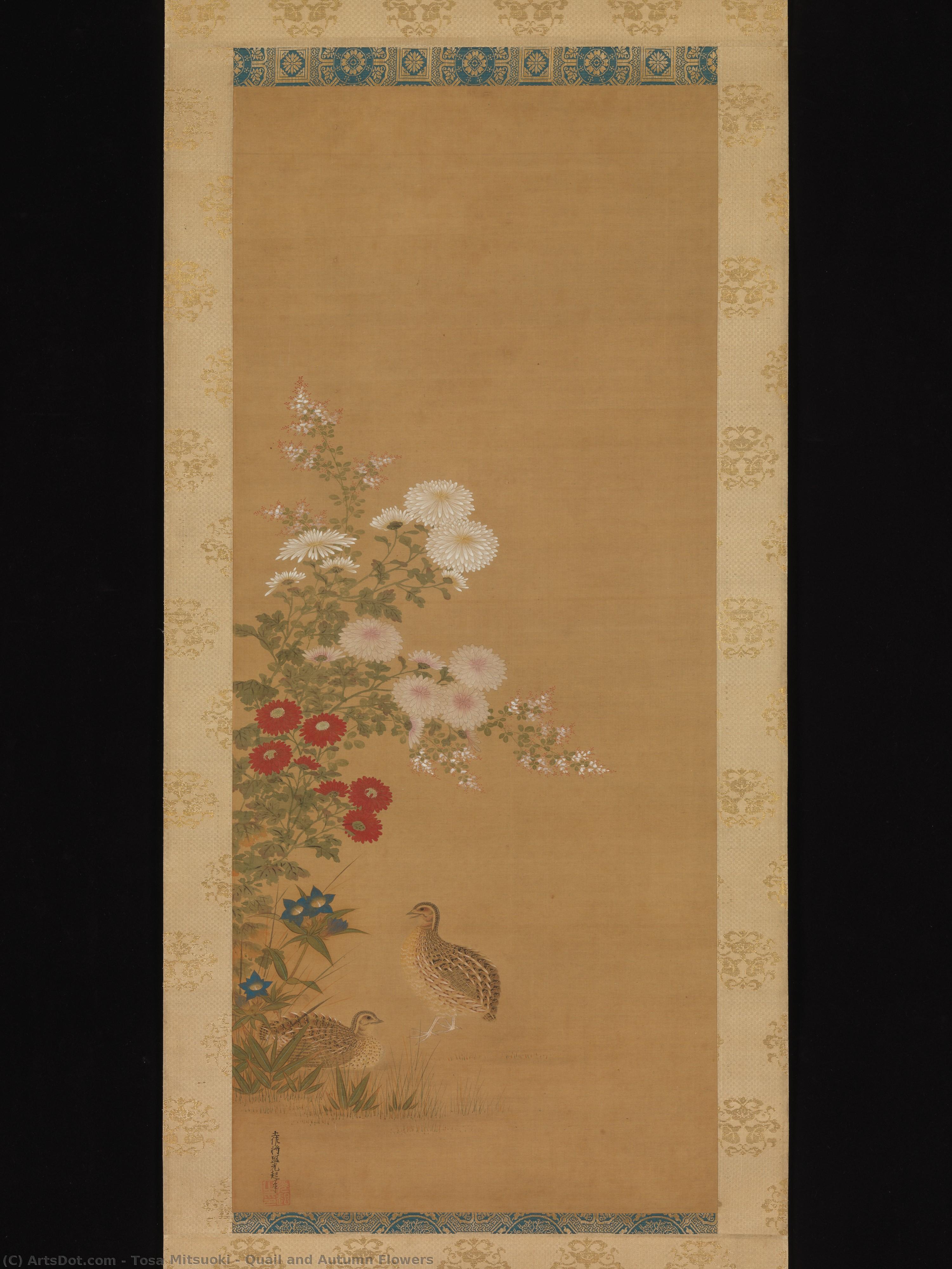
Quail and Autumn Flowers


 Pročitaj više
Ručno rađena uljana reprodukcija
Ručno oslikano uljanim bojama na platnu u dimenzijama i okviru po vašem izboru, izrađeno po porudžbini od strane naših umetnika. ( Kupi print Kupi digitalnu sliku)




































Izaberite jednu od naših unapred definisanih veličina koje odgovaraju originalnim proporcijama umetničkog dela.

Можете унети сопствене димензије како бисте прилагодили дело одређеном оквиру или простору. Ако одабрана величина не одговара пропорцијама оригинала, слика ће бити исечена или проширена додатним елементима који се ручно насликавају. Дигитални prikaz ће вам бити послат на одобрење пре почетка производње.
Имајте на уму да преглед на екрану не одражава стварно исецање или проширење. Само приказ (mockup) ће тачно приказати коначну композицију.
Иако су доступне прилагођене величине, препоручујемо да одаберете димензију из дефинисане листе како бисте сачували оригиналне пропорције.
Nakon narudžbine, tim ArtsDot.com će klijentu putem e-pošte poslati uputstva i dostaviti prikaz predloženog rešenja
Isporuka širom sveta () za 3/4 nedelje umesto uobičajenih 5 nedelja. (23 август). Bez kompromisa po pitanju kvaliteta.

Besplatna ekspresna dostava širom sveta

Visokokvalitetno laneno platno

Kompletno osiguranje transporta

Garancija povraćaja carine i uvoznih dažbina

Garancija vernosti boja

Politika povrata u roku od 60 dana (samo u slučaju nedostataka)

Garancija povrata novca od 100%

Popust pri grupnoj kupovini
 Opcija sa staklom dostupna je samo za dimenzije manje od 110 cm

Quail and Autumn Flowers
Tehnika reprodukcije
Dimenzije reprodukcije
-


Konačna cena
$ 263
Opis umetničkog dela
A Serene Encounter: Quail and Autumn Flowers by Tosa Mitsuoki
Immerse yourself in the tranquil beauty of "Quail and Autumn Flowers," a captivating Edo-period scroll painting meticulously crafted by the esteemed Japanese artist, Tosa Mitsuoki. This artwork offers a glimpse into a world where nature's elegance intertwines with symbolic meaning, creating a scene that resonates with peace and longevity.
Style & Technique: Echoes of Tradition and Innovation
Mitsuoki’s work exemplifies the Yamato-e style—a traditional Japanese painting technique characterized by its delicate lines, vibrant colors, and emphasis on narrative storytelling. However, Mitsuoki wasn't merely a follower of tradition; he skillfully incorporated influences from Chinese landscape paintings and even subtly echoed the stylistic choices of the powerful Kanō school. This blend demonstrates his artistic evolution and ability to appeal to a broader audience within the imperial court. The painting is rendered on silk using layered washes of natural pigments, creating a luminous effect that enhances the depth and detail of the scene. Notice the precise brushwork defining each feather, blossom, and leaf—a testament to Mitsuoki’s mastery.
Symbolism & Historical Context: A Celebration of Prosperity
Beyond its aesthetic appeal, "Quail and Autumn Flowers" is rich in symbolism deeply rooted in Southern Song Chinese artistic traditions. The pairing of quails with chrysanthemums isn't accidental; it signifies peace and longevity—desirable qualities highly valued in Japanese culture. The inclusion of other autumn flowers like bush clover (hagi) and Chinese bellflowers (kikyō) further reinforces the seasonal setting and amplifies the sense of abundance. This painting was created during a period when Mitsuoki actively worked to revive the fortunes of the Tosa school, which had previously been overshadowed by the Kano school. His efforts demonstrate a commitment to preserving traditional Japanese artistic heritage while embracing new influences.
Emotional Impact & Artistic Legacy
The overall impression is one of serene contemplation. The soft lighting, balanced composition, and harmonious color palette evoke a sense of tranquility and invite viewers to pause and appreciate the beauty of nature. Mitsuoki’s "Quail and Autumn Flowers" isn't just a painting; it's an embodiment of Japanese artistic values—a celebration of harmony, prosperity, and the enduring power of natural imagery. Owning a reproduction allows you to bring this timeless piece into your home or office, creating a space filled with elegance and quiet beauty.
Key Features at a Glance:
- Subject Matter: Birds (Quail), Flowers (Chrysanthemums, Bush Clover, Chinese Bellflowers) & Foliage
- Style: Yamato-e with Chinese and Kanō influences
- Technique: Layered washes of color on silk, meticulous brushwork
- Symbolism: Peace, longevity, prosperity, beauty
- Artist: Tosa Mitsuoki (1617-1691)
Srodna umetnička dela
Biografija umetnika
A Legacy Revived: The Life and Art of Tosa Mitsuoki
Tosa Mitsuoki, born in Sakai in 1617, stands as a pivotal figure in the narrative of Japanese painting during the Edo period. He wasn’t merely an artist; he was a restorer, inheriting the mantle of leadership from his father, Tosa Mitsunori, and tasked with breathing new life into the esteemed Tosa school. This lineage connected him to a tradition stretching back to the late Muromachi period, a heritage steeped in artistic refinement and dedicated service to the imperial court. Mitsuoki’s early training under his father was rigorous, focused on the creation of ceremonial fans – objects embodying both artistry and symbolic weight for Japan's highest echelons. This foundational experience would prove instrumental as he navigated the complexities of courtly patronage and sought to re-establish the Tosa school’s prominence.From Sakai to Kyoto: A Courtier’s Brush
The year 1634 marked a turning point, not just for Mitsuoki but for the future of the Tosa school. At the direct request of Emperor Go-Mizunoo, he relocated from Sakai to Kyoto, a move laden with purpose: to reclaim the school’s position as favored artists within the imperial court. This wasn't simply about artistic ambition; it was a strategic maneuver to reconnect with a vital source of patronage that had waned over time. His dedication culminated in 1654 when he formally assumed the title of *edokoro azukari*, effectively becoming head of the Imperial Court Painting Bureau, solidifying his family’s longstanding association with the court. This appointment wasn't merely a ceremonial honor; it placed Mitsuoki at the heart of artistic production for the emperor and the nobility, influencing aesthetic trends and shaping the visual landscape of the era.Blending Tradition and Innovation: The Evolving Style
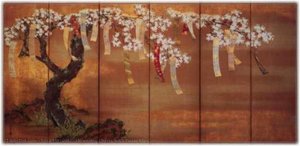
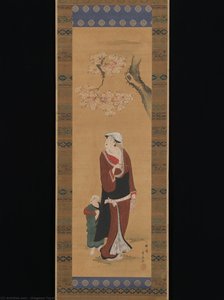
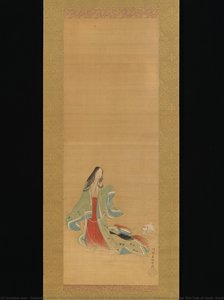
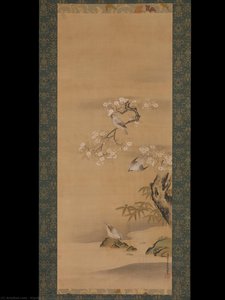
Mitsuoki’s artistry was characterized by a delicate balancing act – honoring the core tenets of Yamato-e while embracing new influences. Yamato-e, with its flat planes of color delineated by precise outlines, its meticulous detail, and conventional depictions of landscapes and figures, formed the bedrock of his style. However, Mitsuoki wasn’t content to simply replicate the past. He skillfully integrated elements from Chinese painting techniques, demonstrating a cosmopolitan awareness that broadened his artistic vocabulary. Perhaps more significantly, he echoed stylistic choices prevalent in the Kanō school, a dominant force in Japanese art at the time. This willingness to adapt and synthesize different approaches allowed him to appeal to evolving court tastes, securing continued support while simultaneously revitalizing the Tosa aesthetic. His paintings weren’t simply beautiful objects; they were statements of cultural synthesis, reflecting the dynamic artistic climate of the Edo period. Notable works like “Portraits of Three Famous Poets” – Hitomaro, Ise, and Komachi – showcase this blend, exhibiting both the refined elegance of Yamato-e and a subtle depth informed by other schools. Other celebrated pieces include "Egrets and Cotton Roses," "Two Scenes of the Tale of Genji", “Murasaki Shikibu Gazing at the Moon”, “Flowering Cherry with Poem Slips” and “Quail and Autumn Flowers”.A Diminishing Flame: Legacy and Decline
Though Mitsuoki successfully revived the Tosa school during his lifetime, ensuring its continuation through his descendants who also held the position of *edokoro azukari*, a subtle decline began to emerge. Subsequent generations lacked the same innovative spirit, tending towards imitation rather than genuine artistic development. This stagnation gradually eroded interest and patronage, leading to a waning influence in the centuries that followed. Interestingly, a brief revival occurred in the nineteenth century with artists like Tanaka Totsugen and Reizei Tamechika, who dedicated themselves to replicating Mitsuoki’s work – a testament to his enduring stylistic impact. The artistic practices within the Tosa school were unique, relying on closely guarded secrets passed down orally or through concise written notes from master to student, reflecting a deeply ingrained tradition of craftsmanship and knowledge transmission. Despite this initial success, Mitsuoki's legacy remains complex. His contributions remain significant, offering invaluable insight into the artistic tastes and cultural values of the Edo period. His paintings continue to be admired for their beauty, historical importance, and as a window into a fascinating era of Japanese art.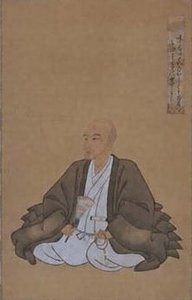
Tosa Mitsuoki
1617 - 1691 , Japan
Osnovne informacije
- Artistic Movement Or Style: Yamato-e, Edo period
- Artists Or Movements Influenced By This Artist:
- Tanaka Totsugen
- Reizei Tamechika
- Artists Who Influenced This Artist:
- Chinese painters
- Kanō school artists
- Date Of Birth: November 21, 1617
- Date Of Death: November 14, 1691
- Full Name: Tosa Mitsuoki
- Nationality: Japanese
- Notable Artworks:
- Portraits of Three Poets
- Egrets and Cotton Roses
- Two Scenes of Genji
- Murasaki Shikibu Gazing
- Flowering Cherry
- Quail and Autumn Flowers
- Place Of Birth: Sakai, Japan
Povezani članci

Katsushika Hokusai: 25 Remek-dela Japanskog Umetnika za Vaš Dom | ArtsDot
Uronite u svet Katsushike Hokusaija! Otkrijte 25 remek-dela japanskog umetnika, uključujući čuveni 'Veliki talas'. Ukiyo-e štampe, pejzaži i istorija iza svakog dela. Pronađite inspiraciju za dekor enterijera i kupite reprodukcije slika vrhunskog kvaliteta na ArtsDot.com.
Suzuki Harunobu: Pioneering Ukiyo-e & the Refinement of Edo Period Printmaking
Discover the revolutionary world of Suzuki Harunobu, a pioneer of ukiyo-e printmaking. Explore his exquisite nishiki-e techniques, diverse subjects & lasting impact on Japanese art history. Learn more at ArtsDot.
Floating World: The Captivating Art and Legacy of Japanese Ukiyo-e
Explore the profound beauty of Japanese Ukiyo-e. Discover the history, masters like Hokusai, and the enduring legacy of the 'Floating World' through an expert art-historical lens.
Serenity on Canvas: A Guide to the Timeless Beauty of Japanese Landscape Painting
Discover the serene beauty of Japanese landscape painting. From Hokusai's iconic woodblock prints to meditative sumi-e ink washes, explore a visual journey through the 'floating world' and learn how to bring this timeless Zen aesthetic into your modern home decor.
Japonisme: How Japanese Woodblock Prints Revolutionized Western Art
Explore the profound impact of Japonisme on Western art. Discover how Japanese ukiyo-e woodblock prints revolutionized perspective, color, and composition for masters like Monet and Van Gogh, forever changing the course of modern art history.

