

 Pregledaj u prostoru
 Pošalji
 Podeli
 Detalji o delu

 Преузми
 Slični predmeti
 Rendgenski snimak
 Slajdovi
 Stats
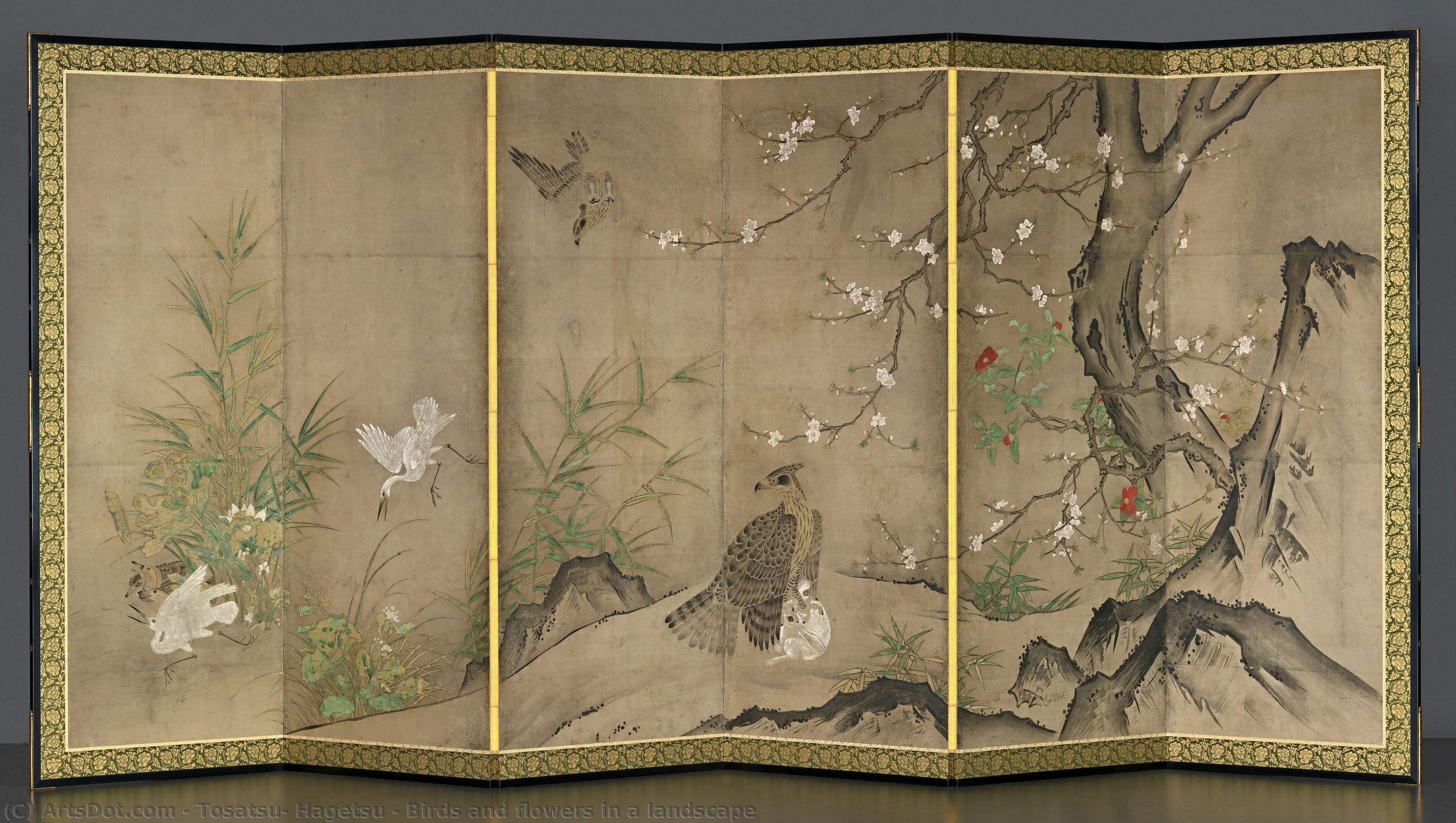
StatsBirds and flowers in a landscape
 Pigment
- Muromachi period
 1575
1575- Early Modern
 155.0 x 357.0 cm
 Nacionalna galerija Viktorije
 Pročitaj više
Ručno rađena uljana reprodukcija
Ručno oslikano uljanim bojama na platnu u dimenzijama i okviru po vašem izboru, izrađeno po porudžbini od strane naših umetnika. ( Switch to Print Switch to Digital Image)




P118B $10

P118H $10

P118W $10

P438Z $10

P508JH $12

P508YH $12

P805H $10

P805Z $10

P919BZ $10

P919G $10

P919XJ $10

P959ZH $10

P968JZ $12

W106C $8

W218G $10

W218JH $8

W218Y $10

W307PJ $10

W316G $10

W316PJ $8

W316Y $10

W398PJ $8

W4111J $10

W500HY $15

W500JH $15

W692G $12

W849H $8

W940BG $15

W953PJ $8




Izaberite jednu od naših unapred definisanih veličina koje odgovaraju originalnim proporcijama umetničkog dela.

Можете унети сопствене димензије како бисте прилагодили дело одређеном оквиру или простору. Ако одабрана величина не одговара пропорцијама оригинала, слика ће бити исечена или проширена додатним елементима који се ручно насликавају. Дигитални prikaz ће вам бити послат на одобрење пре почетка производње.
Имајте на уму да преглед на екрану не одражава стварно исецање или проширење. Само приказ (mockup) ће тачно приказати коначну композицију.
Иако су доступне прилагођене величине, препоручујемо да одаберете димензију из дефинисане листе како бисте сачували оригиналне пропорције.
Nakon narudžbine, tim ArtsDot.com će klijentu putem e-pošte poslati uputstva i dostaviti prikaz predloženog rešenja
Isporuka širom sveta () za 3/4 nedelje umesto uobičajenih 5 nedelja. (8 септембар). Bez kompromisa po pitanju kvaliteta.

Besplatna ekspresna dostava širom sveta

Visokokvalitetno laneno platno

Kompletno osiguranje transporta

Garancija povraćaja carine i uvoznih dažbina

Garancija vernosti boja

Politika povraćaja u roku od 100 dana (isključivo u slučaju nedostataka)

Garancija povrata novca od 100%

Popust pri grupnoj kupovini
 Opcija sa staklom dostupna je samo za dimenzije manje od 110 cm

Birds and flowers in a landscape
Tehnika reprodukcije
Dimenzije reprodukcije
-


Konačna cena
$ 263
A Symphony of Seasons: The Eternal Dance of Nature
In the delicate expanse of Hagetsu Tōsatsu’s 1575 masterpiece, Birds and flowers in a landscape, time itself seems to pause, allowing the viewer to wander through a meticulously crafted cycle of life. This rare sixteenth-century screen serves as a breathtaking visual poem, where the fleeting moments of the Japanese seasons are captured with profound permanence. As one gazes upon the composition, the eye is led through a seasonal odyssey: the chilling elegance of winter is whispered through camellia flowers, which gradually yield to the tender promise of spring via plum blossoms. The warmth of early summer arrives with the graceful irises and lush peonies, eventually culminating in the heavy, serene beauty of mid-to-late summer lotus plants. It is not merely a painting, but a living calendar that celebrates the rhythmic pulse of the natural world.
The atmosphere of the work is one of profound tranquility, yet Tōsatsu masterfully introduces a sudden, visceral tension that prevents the scene from becoming purely decorative. Amidst the serene morning mist and the quietude of the flora, a violent hunting scene erupts; three hawks descend with predatory precision, stalking their prey. This juxtaposition of peaceful botanical beauty and the raw, instinctive ferocity of the hunt creates a captivating emotional depth. For the viewer, this tension mirrors the duality of life itself—the coexistence of stillness and action, of peace and struggle.
The Warrior’s Spirit and Artistic Lineage
To understand the soul of this screen, one must look to the historical landscape of the Muromachi period. During this era, such paintings were far more than mere ornaments; they were profound symbols of status and philosophy for the ruling military lords and the Samurai class. The purity of the natural elements paired with the disciplined, lethal skill of the hawks resonated deeply with the warrior ethos, reflecting their own refined lives and the sharp, focused instincts required by their station. Tōs_atsu, a second-generation follower of the legendary Sesshū Tōyō, utilizes a style that pays homage to this great master. The rugged textures of the rocks, the skeletal strength of the plum trees, and the commanding presence of the herons all echo Sesshū’s influential brushwork, yet they are infused with a uniquely Japanese sensitivity that was beginning to diverge from its Chinese Song dynasty inspirations.
The technique employed in this pigment painting is nothing short of extraordinary. Tōsatsu utilizes vibrant, rich pigments that breathe life into every petal and feather, creating a sense of three-dimensional depth within the two-dimensional plane. The artist’s ability to balance the delicate, soft rendering of flowers with the sharp, decisive lines of the hunting birds demonstrates a technical mastery that commands respect. For collectors and interior designers, this piece offers an unparalleled opportunity to introduce a sense of historical gravity and organic elegance into a space. A high-quality reproduction of this screen does more than decorate a wall; it invites a contemplative dialogue between the modern environment and the timeless, disciplined beauty of Japan's golden age of painting.
Srodna umetnička dela
Biografija umetnika
A Quiet Master of Japanese Landscape Painting
Tosatsu Hagetsu (1516 – 1585) remains a figure shrouded in relative obscurity, yet his contribution to the artistic landscape of sixteenth-century Japan is undeniable. Unlike many contemporaries who achieved fame through patronage or dramatic commissions, Hagetsu’s legacy rests primarily on the serene beauty and meticulous detail of his pigment paintings—a testament to understated skill and profound observation of nature. While biographical details are scarce, scholars believe he was born in Kyoto, a city renowned for its artistic traditions during this pivotal era of unification under Oda Nobunaga and Toyotomi Hideyoshi.- Early Life & Training: Precise information regarding Hagetsu’s formative years is elusive. However, it's widely accepted that he honed his craft within the workshop of Kano Yoshitaka, a dominant force in Kyoto’s artistic milieu and arguably Japan’s most influential painter during this period. Yoshitaka championed a style known as *gosyō-ga*, or “mountain-water landscape,” which prioritized capturing the subtle interplay between mountains and flowing water—a technique that would profoundly shape Hagetsu's artistic vision.
- The Gosyō-Ga Aesthetic: Hagetsu’s paintings exemplify the core principles of *gosyō-ga*. He eschewed grand vistas and dramatic compositions favored by some artists, opting instead for carefully crafted scenes depicting tranquil landscapes populated with meticulously rendered birds and blossoms. This deliberate restraint wasn't merely stylistic; it reflected a broader philosophical inclination toward Zen Buddhism—a worldview that emphasized simplicity, contemplation, and harmony with the natural world.
Notable Works & Artistic Technique
Perhaps Hagetsu’s most celebrated piece is “Birds and Flowers in a Landscape,” currently housed at the National Gallery of Victoria in Melbourne. This painting showcases Hagetsu's mastery of pigment layering—a technique that allowed him to achieve astonishing depth and luminosity, capturing the ethereal quality of light filtering through foliage. The composition itself is deceptively simple: a distant mountain range dominates the horizon, framed by lush greenery and punctuated by delicate blossoms and birds perched on branches. Each element is rendered with painstaking accuracy, demonstrating Hagetsu’s unwavering commitment to observation and representation.- Pigment Mastery: Hagetsu's skill lay not just in capturing visual beauty but also in manipulating pigment itself. He employed a technique known as *sumi-e*, utilizing ink washes combined with subtle glazing—a method that produced velvety textures and nuanced tonal variations. This meticulous approach ensured that every brushstroke conveyed an emotional resonance, mirroring the Zen Buddhist ideal of achieving enlightenment through mindful awareness.
- Symbolism & Influence: Beyond mere visual representation, Hagetsu’s paintings carried symbolic weight. Birds—particularly cranes—were emblems of longevity and auspiciousness in Japanese culture, while blossoms represented ephemeral beauty and the cyclical nature of existence. These motifs resonated deeply with Zen sensibilities and contributed to Hagetsu's enduring artistic legacy.
Legacy & Historical Significance
Despite his relative obscurity during his lifetime, Hagetsu’s influence extended far beyond Kyoto’s artistic circles. His *gosyō-ga* style became a cornerstone of Japanese landscape painting for decades to come, shaping the aesthetic sensibilities of subsequent generations of artists. Furthermore, Hagetsu's unwavering dedication to Zen principles—expressed through his art—provided an invaluable visual commentary on the spiritual currents of sixteenth-century Japan. Today, “Birds and Flowers in a Landscape” stands as a poignant reminder of Hagetsu’s quiet genius—a testament to the transformative power of observation and the enduring beauty of understated elegance.Collections & Reproductions
“Birds and Flowers in a Landscape” is currently held at the National Gallery of Victoria, offering art enthusiasts worldwide access to this masterpiece. High-quality reproductions are available on ArtsDot.com, allowing admirers to experience Hagetsu’s artistic vision firsthand.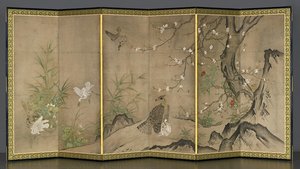
tosatsu, hagetsu
1516 - 1585 , Japan
Osnovne informacije
- Artistic Movement Or Style: Pigment Art
- Date Of Birth: 1516
- Date Of Death: 1585
- Full Name: tosatsu hagetsu
- Nationality: Japanese
- Notable Artworks: ['Birds and flowers in a landscape']
- Place Of Birth: Japan
Povezani članci
Blossoms of Time: A Historical Journey Through Flower Painting
Explore the captivating history of flower painting! Discover Dutch masters, symbolic meanings, & botanical art. Expert insights & high-quality reproductions at ArtsDot.
William Henry Hunt: Luminosity & Detail in Early 19th-Century Watercolour Painting
Explore the captivating watercolour paintings of William Henry Hunt (1790-1864). Discover his mastery of naturalistic detail, luminous technique & influence on 19th-century art. Learn about collecting Hunt's work and its enduring value.
The Pursuit of Power & Prestige: Hunting Scenes in Western Art
Explore the rich history of hunting scenes in Western art, from royal pursuits to powerful allegories. Discover masterpieces & expert insights for discerning collectors. ArtsDot offers museum-quality reproductions.
Blossoms of Time: A Historical & Aesthetic Exploration of Floral Painting Across Cultures
Explore the rich history of floral painting! Discover symbolism, techniques & masterpieces from Van Huysum to O'Keeffe. Expert insights for art lovers & collectors at ArtsDot.
Blossoming Symbolism: A Historical Journey Through Flowers in Western Painting
Explore the rich history of flower symbolism in Western painting! Discover how artists from the Renaissance to Modernism used blossoms to convey meaning, emotion & beauty. Learn about iconic artworks and movements.