

 Pregledaj u prostoru
 Pošalji
 Podeli
 Detalji o delu

 Преузми
 Slični predmeti
 Rendgenski snimak
 Slajdovi
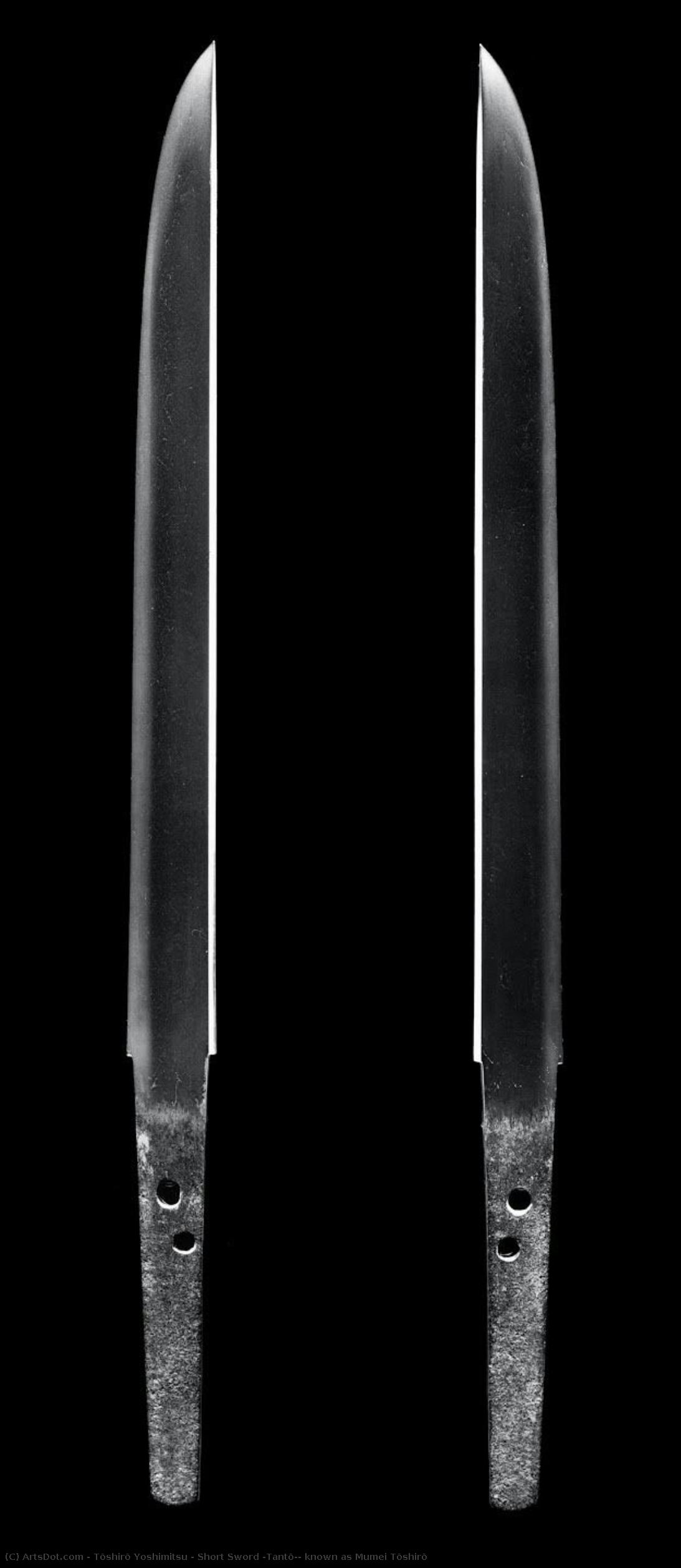
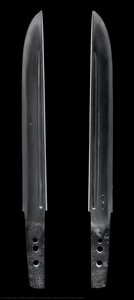
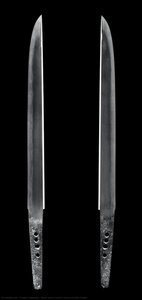
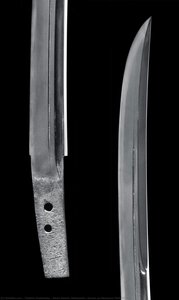
Short Sword (Tantō), known as Mumei Tōshirō


 Pročitaj više
Giclee štampa / Umetnički otisak
Giclée štampa ili print na platnu muzejskog kvaliteta uz brzu proizvodnju i fleksibilne opcije završne obrade. ( Kupi ručno naslikanu sliku Kupi digitalnu sliku)




































Izaberite jednu od naših unapred definisanih veličina koje odgovaraju originalnim proporcijama umetničkog dela.

Možete uneti sopstvene dimenzije kako biste umetničko delo prilagodili specifičnom okviru ili prostoru. Ako odabrani format ne odgovara proporcijama originalne slike, mi ćemo ili iscrtati deo dela ili proširiti sliku pomoću ogledane ivice ili jednobojnog popunjavanja. Digitalni prikaz će vam biti poslat na odobrenje pre početka proizvodnje.
Imajte na umu da pregled na ekranu ne odražava stvarno iscrtavanje ili proširivanje. Samo će prikaz (mockup) precizno pokazati finalnu kompoziciju.
Iako su prilagođene dimenzije dostupne, preporučujemo da odaberete dimenziju sa unapred definisane liste kako biste očuvali originalne proporcije.
Dostava širom sveta () za 2 nedelje umesto uobičajenih 4/5 nedelja. (7 септембар)

Besplatna ekspresna dostava širom sveta

Visokokvalitetno laneno platno

Kompletno osiguranje transporta

Garancija povraćaja carine i uvoznih dažbina

Garancija vernosti boja

Politika povraćaja u roku od 100 dana (isključivo u slučaju nedostataka)

Garancija povrata novca od 100%

Popust pri grupnoj kupovini
 Opcija sa staklom dostupna je samo za dimenzije manje od 110 cm

Short Sword (Tantō), known as Mumei Tōshirō
Giclee štampa / Umetnički otisak
Dimenzije reprodukcije
-


Konačna cena
$ 62
Srodna umetnička dela
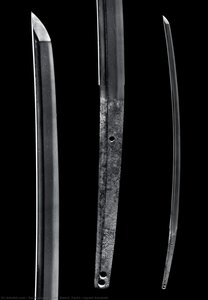
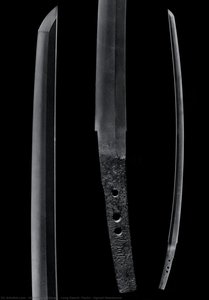
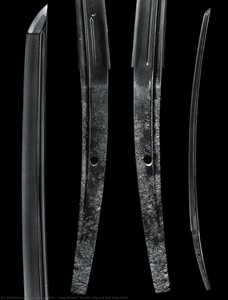
Biografija umetnika
The Enigmatic Blades of Tōshirō Yoshimitsu
Tōshirō Yoshimitsu, a name whispered with reverence among connoisseurs of Japanese swordsmanship, stands as one of the most celebrated smiths of the Kamakura period (1185-1333). Unlike many artisans whose lives are shrouded in detailed documentation, Yoshimitsu’s story is pieced together from the blades themselves – their exceptional quality and distinctive characteristics serving as his enduring biography. He flourished in Kyoto, a center of artistic and cultural refinement, belonging to the esteemed Awataguchi school, a lineage known for its innovative techniques and dedication to forging swords of unparalleled beauty and strength.
A Legacy Forged in Steel
Yoshimitsu’s precise origins remain somewhat elusive. He is believed to have been either a disciple of Norikuni or Kuniyoshi, both prominent smiths within the Awataguchi tradition. This school distinguished itself by moving away from the more traditional methods prevalent at the time, embracing a new aesthetic that prioritized elegance and refinement alongside formidable cutting power. The Kamakura period was an era defined by the rise of the samurai class and their increasing demand for superior weaponry. Yoshimitsu responded to this need with exceptional skill, becoming particularly renowned for his mastery of short swords – the wakizashi and tanto. These blades were not merely weapons; they were symbols of status, artistry, and personal honor.
The Artistry of ‘Toshiro’
What truly sets Yoshimitsu apart is the unique quality that earned him his nickname, “Toshiro.” This designation refers to a specific characteristic found in his blades: an exceptionally thick cross-section. While seemingly subtle, this feature imparted remarkable strength and resilience to the swords, making them highly prized by warriors. Beyond this defining trait, Yoshimitsu’s work is characterized by a dynamic hamon – the temper line that reveals the blade's hardened edge – often displaying a complex interplay of patterns. His forging technique resulted in a fine grain structure (hada) and a lustrous polish, further enhancing the aesthetic appeal of his creations. He was not simply crafting swords; he was creating works of art imbued with both power and grace.
Influence and Historical Context
Yoshimitsu’s influence extended far beyond his own lifetime. His blades became highly sought after by powerful figures, including Toyotomi Hideyoshi, the unifier of Japan in the late 16th century. Hideyoshi, a passionate collector of exceptional swords, counted Yoshimitsu among his “Three Great Masters,” alongside Masamune and Yoshihiro. This recognition cemented Yoshimitsu’s place in Japanese sword history. The fact that blades attributed to him were listed in prestigious catalogues like the Kyōho meibutsu chō – a compendium of Japan's most famous swords compiled in the early 18th century – speaks volumes about his enduring reputation. The rediscovery of previously lost works, such as the katana once held by the Konoe family, continues to fuel scholarly interest and admiration for his artistry.
A Lasting Symbol of Japanese Craftsmanship
Today, Tōshirō Yoshimitsu’s blades are treasured heirlooms, residing in museums and private collections around the world. They represent not only the pinnacle of Kamakura-period swordsmithing but also a profound understanding of materials, technique, and aesthetic principles. His legacy extends beyond the physical beauty of his creations; it embodies the spirit of Japanese craftsmanship – a dedication to perfection, an unwavering pursuit of excellence, and a deep respect for tradition. The study of Yoshimitsu’s work offers invaluable insights into the cultural values and artistic sensibilities of medieval Japan, ensuring that his name will continue to be revered by collectors and scholars for generations to come.
tōshirō yoshimitsu
Japan
Osnovne informacije
- Artistic Movement Or Style: Kotō swordsmithing
- Artists Or Movements Influenced By This Artist:
- Masamune
- Sadamune
- Artists Who Influenced This Artist:
- Norikuni
- Kuniyoshi
- Full Name: Tōshirō Yoshimitsu
- Nationality: Japanese
- Notable Artworks:
- Mumei Tōshirō (Tantō)
- Short sword signed Yoshimitsu
- Place Of Birth: Kyoto, Japan
Povezani članci
Japonisme: How Japanese Woodblock Prints Revolutionized Western Art
Explore the profound impact of Japonisme on Western art. Discover how Japanese ukiyo-e woodblock prints revolutionized perspective, color, and composition for masters like Monet and Van Gogh, forever changing the course of modern art history.
Serenity on Canvas: A Guide to the Timeless Beauty of Japanese Landscape Painting
Discover the serene beauty of Japanese landscape painting. From Hokusai's iconic woodblock prints to meditative sumi-e ink washes, explore a visual journey through the 'floating world' and learn how to bring this timeless Zen aesthetic into your modern home decor.

Utagawa Kuniyoshi: A Master of Japanese Ukiyo-e – Narrative Innovation & the Fusion of Tradition with Popular Culture
Explore the captivating world of Utagawa Kuniyoshi, a master of Japanese ukiyo-e woodblock prints. Discover his innovative warrior scenes, vibrant landscapes & lasting legacy in 19th-century art history.

Katsushika Hokusai: 25 Remek-dela Japanskog Umetnika za Vaš Dom | ArtsDot
Uronite u svet Katsushike Hokusaija! Otkrijte 25 remek-dela japanskog umetnika, uključujući čuveni 'Veliki talas'. Ukiyo-e štampe, pejzaži i istorija iza svakog dela. Pronađite inspiraciju za dekor enterijera i kupite reprodukcije slika vrhunskog kvaliteta na ArtsDot.com.
Floating World: The Captivating Art and Legacy of Japanese Ukiyo-e
Explore the profound beauty of Japanese Ukiyo-e. Discover the history, masters like Hokusai, and the enduring legacy of the 'Floating World' through an expert art-historical lens.