

 Pregledaj u prostoru
 Pošalji
 Podeli
 Detalji o delu

 Преузми
 Slični predmeti
 Rendgenski snimak
 Slajdovi
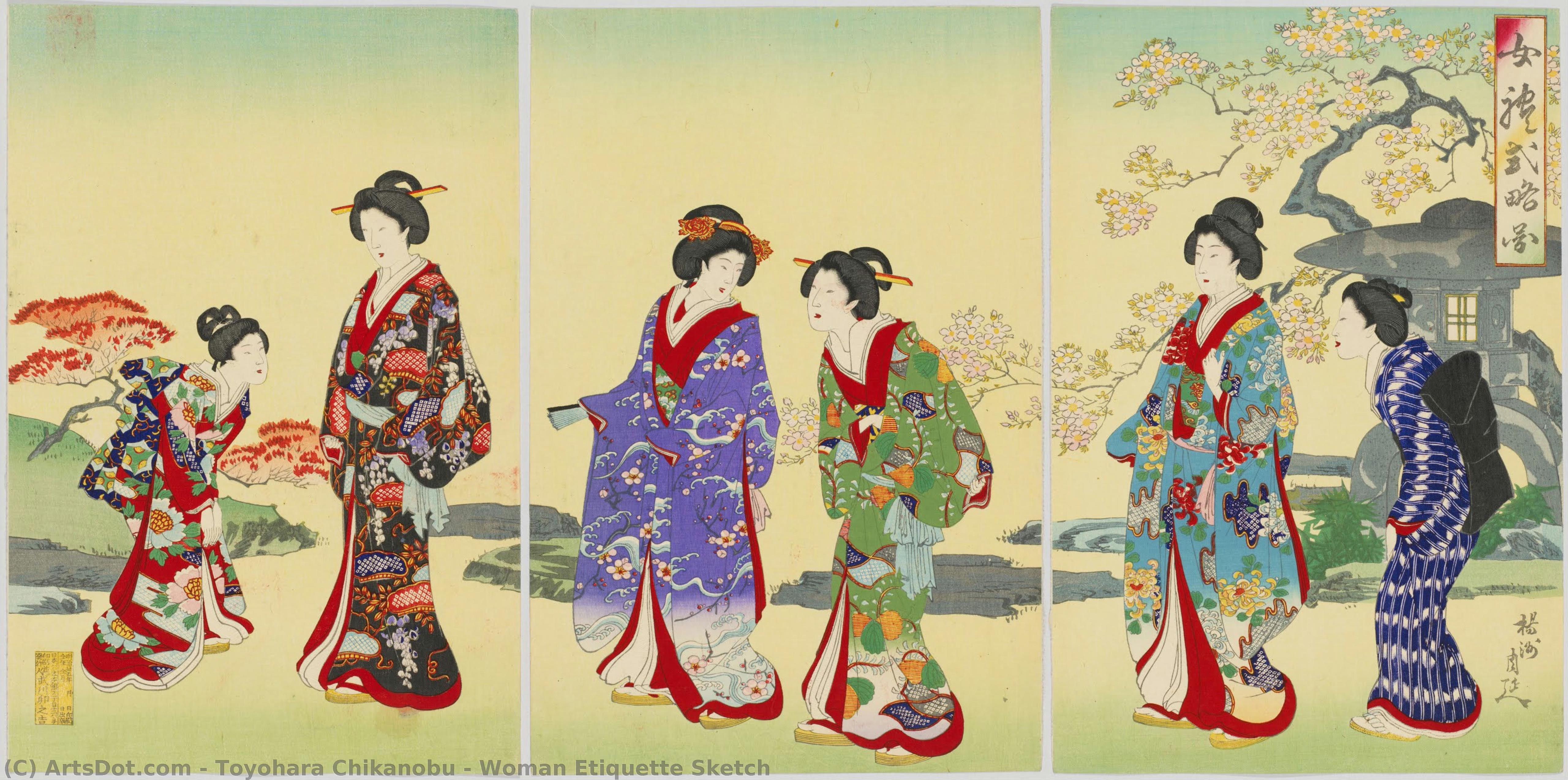
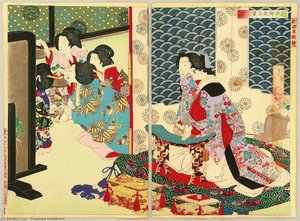
Woman Etiquette Sketch


 Pročitaj više
Ručno rađena uljana reprodukcija
Ručno oslikano uljanim bojama na platnu u dimenzijama i okviru po vašem izboru, izrađeno po porudžbini od strane naših umetnika. ( Kupi print Kupi digitalnu sliku)




































Izaberite jednu od naših unapred definisanih veličina koje odgovaraju originalnim proporcijama umetničkog dela.

Можете унети сопствене димензије како бисте прилагодили дело одређеном оквиру или простору. Ако одабрана величина не одговара пропорцијама оригинала, слика ће бити исечена или проширена додатним елементима који се ручно насликавају. Дигитални prikaz ће вам бити послат на одобрење пре почетка производње.
Имајте на уму да преглед на екрану не одражава стварно исецање или проширење. Само приказ (mockup) ће тачно приказати коначну композицију.
Иако су доступне прилагођене величине, препоручујемо да одаберете димензију из дефинисане листе како бисте сачували оригиналне пропорције.
Nakon narudžbine, tim ArtsDot.com će klijentu putem e-pošte poslati uputstva i dostaviti prikaz predloženog rešenja
Isporuka širom sveta () za 3/4 nedelje umesto uobičajenih 5 nedelja. (27 август). Bez kompromisa po pitanju kvaliteta.

Besplatna ekspresna dostava širom sveta

Visokokvalitetno laneno platno

Kompletno osiguranje transporta

Garancija povraćaja carine i uvoznih dažbina

Garancija vernosti boja

Politika povrata u roku od 60 dana (samo u slučaju nedostataka)

Garancija povrata novca od 100%

Popust pri grupnoj kupovini
 Opcija sa staklom dostupna je samo za dimenzije manje od 110 cm

Woman Etiquette Sketch
Tehnika reprodukcije
Dimenzije reprodukcije
-


Konačna cena
$ 263
Srodna umetnička dela
Biografija umetnika
A Visionary of the Meiji Era: The Life and Legacy of Toyohara Chikanobu
In the twilight of the Edo period and the dawn of a modernizing Japan, few artists captured the profound tension between tradition and transformation as masterfully as Toyohara Chikanobu. Born in 1838, an era of profound cultural shifts, Chikanobu—often recognized by his art name Yōshū Chikanobu—emerged as a monumental figure in the world of Japanese woodblock printing. His life was a bridge between two worlds: the ancient, refined aesthetics of the samurai class and the burgeoning, Western-influenced energy of the Meiji era. While his real name, Hashimoto Naoyoshi, whispered of a more private existence, his artistic persona commanded the attention of a nation undergoing rapid metamorphosis.
Chikanobu’s early foundations were deeply rooted in the meticulous craftsmanship of Japanese heritage. Raised with an appreciation for detail that likely stemmed from his family's connection to the arts, he underwent rigorous training in painting and printmaking. This classical grounding allowed him to master the delicate nuances of ukiyo-e, yet he was never a mere imitator of the past. Instead, he became a pioneer of the Shin-hanga movement, a revitalizing force that sought to breathe new life into traditional woodblock techniques by integrating Western concepts such as realistic perspective and anatomical accuracy. This unique synthesis allowed his work to possess a depth and vitality that felt both timeless and strikingly contemporary to his contemporaries.
The Art of Transformation: Themes and Techniques
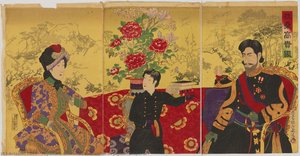
The brilliance of Chikanobu’s oeuvre lies in its incredible thematic breadth, ranging from the ethereal beauty of bijinga (pictures of beautiful women) to the visceral intensity of historical warfare. He possessed a rare ability to pivot between the serene and the spectacular. In his depictions of women, one finds a poetic grace; his lines are fluid, capturing the intricate patterns of kimonos and the soft, evocative moods of daily life. Yet, in stark contrast, Chikanobu was equally celebrated for his dramatic triptychs of battle. These works, such as his vivid accounts of the Japanese army at Asan, utilize rich colors and dynamic compositions to convey the grit, movement, and historical weight of a nation in conflict.
Beyond the human figure, Chikanobu’s landscapes and cultural scenes served as a visual archive of a disappearing Japan. He captured the ephemeral beauty of cherry blossoms and the grandeur of imperial ceremonies with an eye for both natural splendor and social significance. His technical mastery was evident in his use of color and light, often employing subtle gradations that suggested depth and atmosphere—a hallmark of his engagement with Western artistic influences. Through his prints, the viewer is not merely observing a scene but is transported into the very heart of Meiji-era celebrations, military triumphs, and quiet moments of devotion.
A Lasting Impression on Japanese Art
The historical significance of Toyohara Chikanobu extends far beyond the borders of Japan. As one of the last great masters of the ukiyo-e tradition, he provided a vital link in the evolution of Japanese printmaking. His work does not merely document history; it interprets the soul of an era. By embracing innovation without sacrificing the essence of Japanese craftsmanship, he ensured that the traditional woodblock medium remained relevant in a rapidly globalizing world. Today, his prints are cherished by collectors worldwide, standing alongside legends like Hokusai and Hiroshige as essential pillars of Japanese art history.
Reflecting on his immense contribution, several key elements define his enduring impact:
- Cultural Synthesis: His ability to blend Eastern sensibilities with Western perspective revolutionized the visual language of Meiji-era prints.
- Historical Documentation: His works serve as a profound window into the social, military, and imperial life of 19th-century Japan.
- Versatility of Subject: From the delicate elegance of bijinga to the powerful narratives of war, his range remains unparalleled.
- Preservation of Tradition: Through his dedication to woodblock printing, he helped sustain a classical art form during a period of intense modernization.
toyohara chikanobu
1838 - 1912 , Japan
Osnovne informacije
- Artistic Movement Or Style: Shin-hanga
- Artists Or Movements Influenced By Artist: ['Ukiyo-e']
- Artists Who Influenced This Artist: ['Hiroshi Yoshida']
- Date Of Birth: 1838
- Full Name: Toyohara Chikanobu
- Nationality: Japanese
- Notable Artworks: ['Cherry Blossoms Bloom Again (in front) Kuruwa']
- Place Of Birth: Japan (Osaka)

