

 Pregledaj u prostoru
 Pošalji
 Podeli
 Detalji o delu

 Преузми
 Slični predmeti
 Rendgenski snimak
 Slajdovi
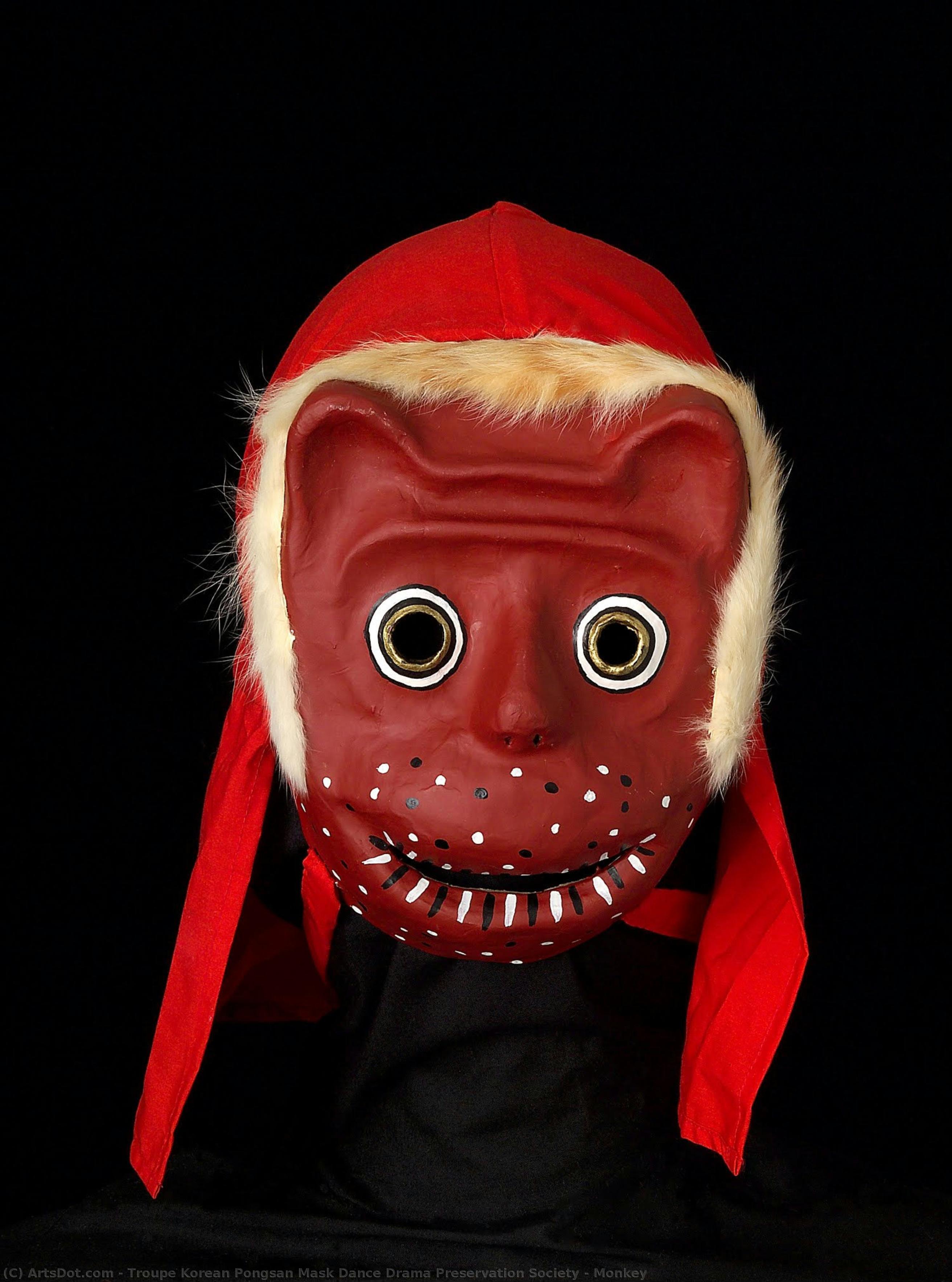
Monkey


 Pročitaj više
Kupite digitalnu sliku visoke rezolucije i poboljšanog kvaliteta, koja je znatno superiornija od onoga što vidite u online prikazu.
Svaka datoteka je pedantno pripremljena od strane naših stručnjaka koristeći napredne alate i profesionalnu ručnu retušu. Osiguravamo da svaka slika ima izuzetnu oštrinu, preciznu reprodukciju boja i fine detalje.
Konačna datoteka se dostavlja putem e-pošte u roku od 72 sata, optimizovana za neposrednu upotrebu u profesionalnim, izdavačkim i štamparskim okruženjima. To je isti kvalitet kojem veruju vrhunski studiji dizajna, izdavači i galerije.
Digitalna slika
Preuzmite datoteku visoke rezolucije za ličnu upotrebu, štampanje i kreativne projekte. ( Kupi print Kupi ručno naslikanu sliku)
Uključeno uz svaku porudžbinu digitalne slike
Profesionalna digitalna isporuka, zagarantovana
Kada odaberete ArtsDot.com, ne dobijate samo sliku – vi primate profesionalno unapređeno digitalno umetničko delo, izrađeno sa najvećom preciznošću i uz garanciju zadovoljstva. Evo svega što automatski dolazi uz vašu porudžbinu:

Brza dostava putem e-pošte
Vaša digitalna slika visoke rezolucije biće vam poslata putem e-pošte u roku od 72 sata od poručivanja – spremna za trenutnu upotrebu.

Digitalna datoteka unapređena veštačkom inteligencijom
Vaše umetničko delo je profesionalno optimizovano korišćenjem naprednih AI alata i ručne obrade, čime se osiguravaju maksimalni detalji, oštrina i preciznost boja.

Besplatna ponovna isporuka doživotno
Slučajno ste obrisali ili izgubili svoju datoteku? Ne brinite – poslaćemo vam je ponovo u bilo kom trenutku, potpuno besplatno.

Bez troškova uvoza – zauvek
Uživajte u svojim umetničkim delima trenutno, bez carine, dažbina ili troškova dostave – digitalni download je uvek bez poreza.

Garancija vernosti boja
Uz pomoć profesionalnih alata i upravljanja bojama, osiguravamo da vaša digitalna slika što vernije odražava originalne boje.

Garancija zadovoljstva u roku od 60 dana
Ako niste zadovoljni svojom digitalnom slikom, revidirat ćemo je ili vratiti 100% novca u roku od 60 dana – bez ikakvih pitanja.

100% garancija povrata novca
Niste zadovoljni? Obezbedite pun povrat novca u roku od 60 dana od trenutka kada ste primili svoju digitalnu datoteku – bez suvišnih pitanja.

Popusti na velike porudžbine
Kupite 3 slike, uštedite 10% - Kupite 5 slika, uštedite 15% - Kupite 10+ slika, uštedite 20%. Odlično za kreativne projekte, galerije i agencije.
Opis kolekcionarskog dela
Srodna umetnička dela









Biografija umetnika
The Enduring Legacy of the Troupe Korean Pongsan Mask Dance Drama Preservation Society
The Troupe Korean Pongsan Mask Dance Drama Preservation Society represents more than just a collective of performers; it embodies a centuries-old tradition, a vibrant thread woven into the cultural tapestry of Korea. Originating from the Hwanghae Province – now in North Korea but historically a crucial center for this art form – the Bongsan Mask Dance (탈춤, *talchum*) is a dynamic spectacle that seamlessly blends ritual, satire, and storytelling. While pinpointing exact origins proves elusive, its roots stretch back to the Joseon Dynasty (1392-1910), evolving from shamanistic practices and agricultural rites into a sophisticated performance art enjoyed by all levels of society. The troupe’s very existence is a testament to resilience, born out of a conscious effort to safeguard this invaluable heritage against the tides of modernization and political upheaval.A History Forged in Preservation
The story of the Society isn't one of continuous unbroken tradition, but rather a narrative of revival and dedication. Around 1915, as administrative centers shifted and transportation networks expanded with the opening of the Seoul-Shinuiju Railroad, performances moved to the foot of Mt. Kyongnam in Sariwon. Recognizing the fragility of this cultural expression, a group of dedicated players and local enthusiasts formed the Bongsan Mask Dance Drama Preservation Society in the early 1930s. This marked a pivotal moment – a deliberate act of conservation. The Korean War (1950-1953) threatened to extinguish this flame entirely, but remarkably, most performers escaped south, allowing for the society’s reestablishment in 1958 with key figures like Kim Jin Ok and Lee Keun Sung at its helm. This relocation was not merely a continuation of practice; it was a rebirth, a conscious effort to rebuild and propagate a tradition deeply scarred by conflict. The troupe's subsequent recognition – winning the Presidential Prize at the National Folk Arts Contest in 1961 and being designated as Korea’s 17th Important Intangible Cultural Property in 1967 – solidified its position as a national treasure, ensuring ongoing support and scholarly attention.The Masks: Vessels of Character and Commentary
Central to the Bongsan Mask Dance are the masks themselves. These aren't simply props; they *are* the characters, imbued with personality, history, and social commentary. Each mask represents archetypal figures – the Yangban (aristocrat), often portrayed as arrogant and corrupt; the Monk, frequently depicted as lecherous or foolish; the Young Shaman, embodying spiritual power and connection to the otherworld; and the mischievous Monkey, a symbol of playful rebellion. Crafted from paper mâché, textiles, and sometimes fur, these masks are not static objects but dynamic tools for social satire. The Yangban mask, for example, reflects the complexities of Joseon Dynasty society where aristocratic status wasn’t solely hereditary but earned through rigorous examinations – a point often playfully challenged in performances. The plays themselves aren't rigidly scripted; improvisation and interaction with the audience are key elements, allowing performers to respond to contemporary issues and maintain the dance’s relevance. The act of burning the masks after a performance is particularly significant, symbolizing the expulsion of evil spirits and a cyclical renewal of the tradition.Performance as Ritual and Social Critique
The Bongsan Mask Dance isn't solely entertainment; it’s deeply rooted in ritualistic practices. Performances typically begin with a shamanic ceremony designed to purify the space and invoke benevolent energies. This connection to ancient beliefs underscores the dance’s spiritual dimension, highlighting its role as more than just a theatrical spectacle. However, interwoven within this sacred framework lies a potent strain of social critique. The plays are renowned for their satirical jabs at societal norms, exposing hypocrisy, corruption, and the foibles of human nature. The characters engage in humorous interactions, often challenging authority figures and questioning established power structures. This element of playful rebellion is what has resonated with audiences for generations, offering a cathartic release and a space for collective reflection. The dance’s ability to simultaneously entertain and provoke makes it a uniquely powerful form of cultural expression.Continuing the Tradition: Education and Future Aspirations
The Troupe Korean Pongsan Mask Dance Drama Preservation Society doesn't merely perform; it actively cultivates future generations of artists. Since 1962, they have been dedicated to training successors, ensuring the continuity of this invaluable art form. Their commitment extends beyond performance, encompassing educational initiatives throughout the nation and a vision for establishing a dedicated institute – a space where films documenting past masters, historical materials, and practice facilities will be accessible to both Koreans and international scholars. This ambitious project reflects their unwavering dedication to preserving not just the *practice* of Bongsan Mask Dance but also its rich history and cultural context. The Society’s ongoing efforts promise to ensure that this vibrant tradition continues to thrive, captivating audiences for centuries to come and serving as a powerful reminder of Korea's enduring artistic heritage.
Kratke činjenice
- Artistic Movement Or Style: Korean Mask Dance-Drama
- Date Of Death: Living
- Full Name: Troupe Korean Pongsan Mask Dance Drama Preservation Society
- Nationality: Korea
- Notable Artworks:
- Young Shaman
- Monk
- Monkey
- Yangban

