

 Pregledaj u prostoru
 Pošalji
 Podeli
 Detalji o delu

 Преузми
 Slični predmeti
 Rendgenski snimak
 Slajdovi
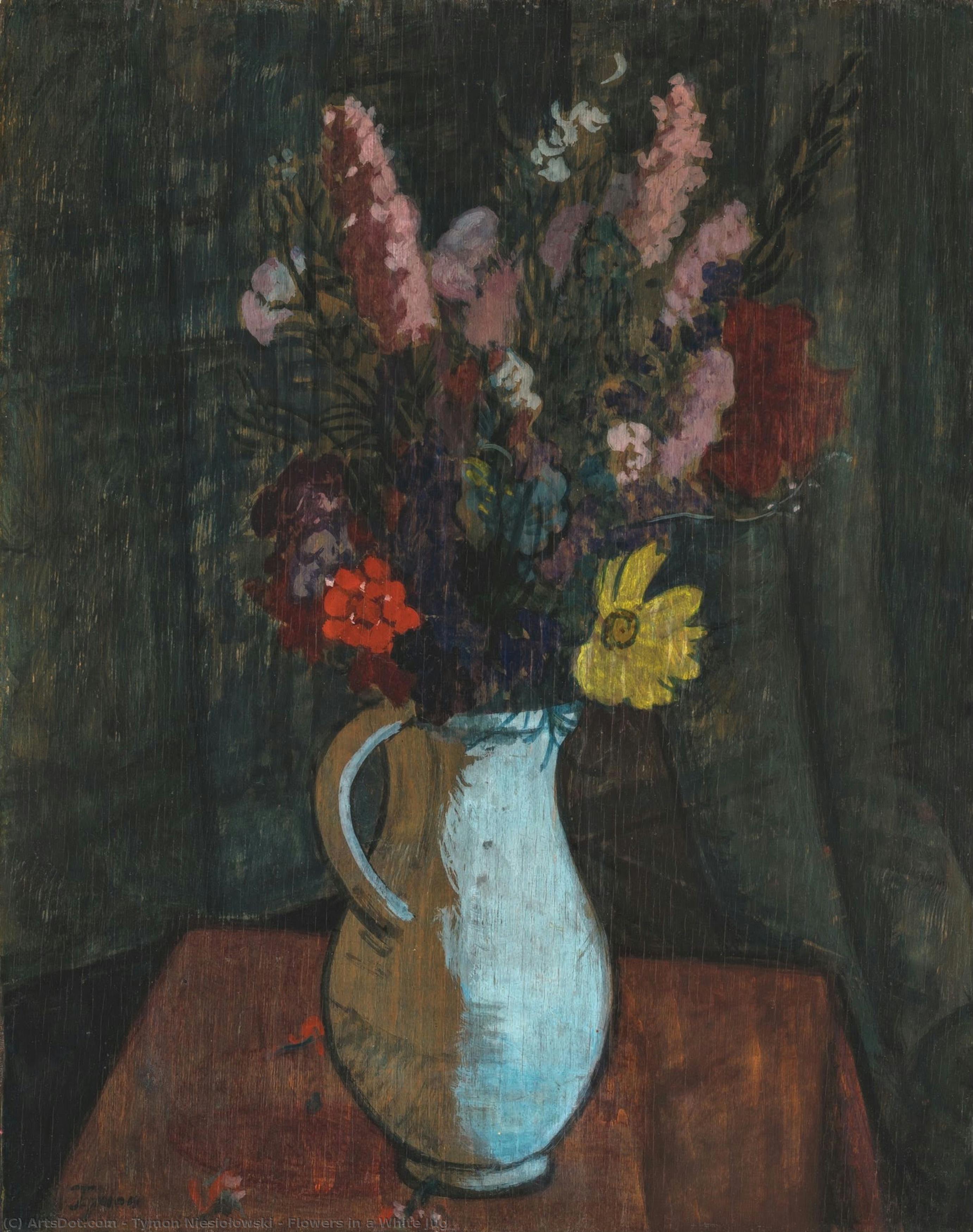
Flowers in a White Jug
 1912
1912 56.0 x 44.0 cm
 Lithuanian Art Centre TARTLE
 Pročitaj više
Giclee štampa / Umetnički otisak
Giclée štampa ili print na platnu muzejskog kvaliteta uz brzu proizvodnju i fleksibilne opcije završne obrade. ( Kupi ručno naslikanu sliku Kupi digitalnu sliku)




































Izaberite jednu od naših unapred definisanih veličina koje odgovaraju originalnim proporcijama umetničkog dela.

Možete uneti sopstvene dimenzije kako biste umetničko delo prilagodili specifičnom okviru ili prostoru. Ako odabrani format ne odgovara proporcijama originalne slike, mi ćemo ili iscrtati deo dela ili proširiti sliku pomoću ogledane ivice ili jednobojnog popunjavanja. Digitalni prikaz će vam biti poslat na odobrenje pre početka proizvodnje.
Imajte na umu da pregled na ekranu ne odražava stvarno iscrtavanje ili proširivanje. Samo će prikaz (mockup) precizno pokazati finalnu kompoziciju.
Iako su prilagođene dimenzije dostupne, preporučujemo da odaberete dimenziju sa unapred definisane liste kako biste očuvali originalne proporcije.
Dostava širom sveta () za 2 nedelje umesto uobičajenih 4/5 nedelja. (4 септембар)

Besplatna ekspresna dostava širom sveta

Visokokvalitetno laneno platno

Kompletno osiguranje transporta

Garancija povraćaja carine i uvoznih dažbina

Garancija vernosti boja

Politika povrata u roku od 60 dana (samo u slučaju nedostataka)

Garancija povrata novca od 100%

Popust pri grupnoj kupovini
 Opcija sa staklom dostupna je samo za dimenzije manje od 110 cm

Flowers in a White Jug
Giclee štampa / Umetnički otisak
Dimenzije reprodukcije
-


Konačna cena
$ 62
Srodna umetnička dela








Biografija umetnika
A Life Immersed in Polish Modernism: The World of Tymon Niesiołowski
Tymon Niesiołowski, born in Lviv in 1882 and passing away in Toruń in 1965, stands as a pivotal figure in the landscape of early 20th-century Polish art. His life was deeply interwoven with the burgeoning modernist movements that swept across Europe, yet his artistic voice remained distinctly rooted in Polish traditions and sensibilities. Niesiołowski wasn’t merely a painter; he was an educator, a member of influential avant-garde groups, and a chronicler of a nation undergoing profound transformation. His father, a Galician Regional Assembly official with a passion for ornithology and drawing, instilled an early appreciation for observation and detail. However, it was his mother's love of philosophy and literature that profoundly shaped the artist’s intellectual curiosity and sensitivity—qualities that would permeate his entire oeuvre. Niesiołowski began formal artistic training in 1898 at the School of Industry in Lviv, focusing on decorative painting, a foundation upon which he built a career marked by both stylistic experimentation and a commitment to aesthetic beauty.From Symbolism to New Classicism: An Evolving Artistic Language
Niesiołowski’s artistic journey was one of continuous evolution, absorbing diverse influences while forging his own unique path. His initial studies at the Academy of Fine Arts in Kraków brought him under the tutelage of luminaries like Józef Mehoffer, Stanisław Wyspiański, and Teodor Axentowicz—artists who were themselves at the forefront of Poland’s artistic awakening. Early works reveal a fascination with European Symbolism, echoing the flowing lines and decorative motifs characteristic of Wyspiański's style. A period spent in Zakopane from 1905 to 1926 proved particularly formative. Immersed in the vibrant intellectual and artistic milieu of the region, he cultivated close relationships with prominent literary figures such as Jan Kasprowicz and Kazimierz Przerwa-Tetmajer, and fellow artists like Władysław Ślewiński. The influence of Ślewiński, connected to the Pont-Aven School, introduced Niesiołowski to Synthetism and Cloisonism, enriching his stylistic repertoire with a focus on simplified forms and bold color palettes. However, by the 1920s, Niesiołowski began to gravitate towards New Classicism, characterized by stylized, monumental figures often set against mythologically inspired backdrops. This shift wasn’t a rejection of his earlier explorations but rather a synthesis—a blending of modernist sensibilities with traditional forms and themes.The Formists and Beyond: Participation in Avant-Garde Movements
Niesiołowski was not content to remain isolated within his studio; he actively engaged with the broader artistic discourse of his time. He became a member of the Association of Polish Artists “Rytm,” established during the interwar period in Warsaw, and more significantly, joined the Formists—a group initially known as the Polish Expressionists. This association placed him at the heart of Poland’s avant-garde scene, alongside artists who were challenging conventional artistic norms and exploring new modes of expression. While his work didn't adhere strictly to the radical geometries often associated with pure Cubism or Futurism, Niesiołowski embraced the Formists’ spirit of experimentation and their desire to break free from academic constraints. He participated in numerous exhibitions both within Poland and internationally—showcasing his art in Vienna, Brussels, and Amsterdam—further solidifying his reputation as a leading figure in Polish modernism.A Dedicated Educator: Shaping Future Generations
Beyond his accomplishments as a painter and graphic artist, Niesiołowski dedicated a significant portion of his life to education. He began teaching at the Free School of Fine Arts in Zakopane in 1919, nurturing young talent and fostering a new generation of Polish artists. Later, he accepted a professorship at the University of Stefan Batory in Vilnius, where he continued to impart his knowledge and artistic vision. His pedagogical approach emphasized both technical skill and intellectual exploration, encouraging students to develop their own unique voices while grounding them in the rich traditions of Polish art history. He believed that true artistry stemmed from a deep understanding of form, color, and composition—principles he tirelessly instilled in his pupils.Legacy and Historical Significance: A Lasting Impact on Polish Art
The Second World War brought immense hardship to Poland, and tragically, much of Niesiołowski’s artwork was lost during this tumultuous period. Despite this devastating loss, his influence continued to resonate within the post-war art scene. He is remembered as a pioneering figure who successfully bridged the gap between modernist experimentation and traditional Polish aesthetics. His recurring themes—the nude in idyllic landscapes, still life compositions—reflect a deep appreciation for beauty and harmony. Niesiołowski’s ability to synthesize diverse influences, from Symbolism and Art Nouveau to New Classicism, created a unique artistic language that continues to captivate audiences today. His legacy lies not only in the surviving works he left behind but also in the generations of artists he inspired—a testament to his enduring impact on Polish art history.
tymon niesiołowski
1882 - 1965 , Poland
Osnovne informacije
- Artistic Movement Or Style: New Classicism
- Artists Or Movements Influenced By This Artist: Polish Avant-garde
- Artists Who Influenced This Artist:
- Gustav Klimt
- Paul Gauguin
- Józef Mehoffer
- Stanisław Wyspiański
- Date Of Birth: October 2, 1882
- Date Of Death: 1965
- Full Name: Tymon Niesiołowski
- Nationality: Polish
- Notable Artworks: ['Flowers in a White Jug']
- Place Of Birth: Lviv, Poland

