

 Pregledaj u prostoru
 Pošalji
 Podeli
 Detalji o delu

 Преузми
 Slični predmeti
 Rendgenski snimak
 Slajdovi
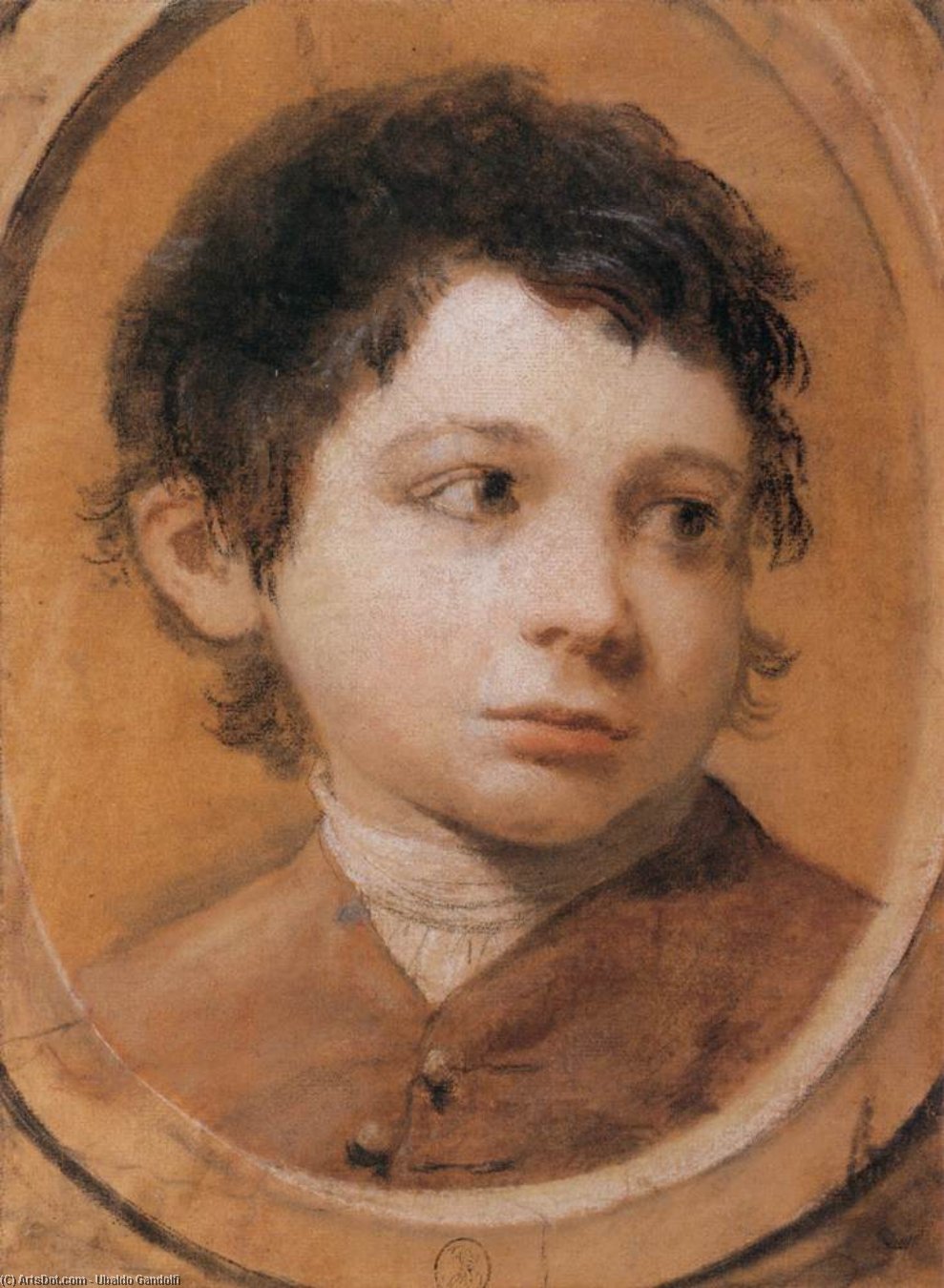
Portrait of a Young Boy
 Oil On Canvas
- WallArt
- Neoclassical/Baroque
 1778
1778 395.0 x 285.0 cm
 Louvre
 Pročitaj više
Ručno rađena uljana reprodukcija
Ručno oslikano uljanim bojama na platnu u dimenzijama i okviru po vašem izboru, izrađeno po porudžbini od strane naših umetnika. ( Kupi print Kupi digitalnu sliku)




P118B $10

P118H $10

P118W $10

P438Z $10

P508JH $12

P508YH $12

P805H $10

P805Z $10

P919BZ $10

P919G $10

P919XJ $10

P959ZH $10

P968JZ $12

W106C $8

W218G $10

W218JH $8

W218Y $10

W307PJ $10

W316G $10

W316PJ $8

W316Y $10

W398PJ $8

W4111J $10

W500HY $15

W500JH $15

W692G $12

W849H $8

W940BG $15

W953PJ $8




Izaberite jednu od naših unapred definisanih veličina koje odgovaraju originalnim proporcijama umetničkog dela.

Можете унети сопствене димензије како бисте прилагодили дело одређеном оквиру или простору. Ако одабрана величина не одговара пропорцијама оригинала, слика ће бити исечена или проширена додатним елементима који се ручно насликавају. Дигитални prikaz ће вам бити послат на одобрење пре почетка производње.
Имајте на уму да преглед на екрану не одражава стварно исецање или проширење. Само приказ (mockup) ће тачно приказати коначну композицију.
Иако су доступне прилагођене величине, препоручујемо да одаберете димензију из дефинисане листе како бисте сачували оригиналне пропорције.
Nakon narudžbine, tim ArtsDot.com će klijentu putem e-pošte poslati uputstva i dostaviti prikaz predloženog rešenja
Isporuka širom sveta () za 3/4 nedelje umesto uobičajenih 5 nedelja. (21 август). Bez kompromisa po pitanju kvaliteta.

Besplatna ekspresna dostava širom sveta

Visokokvalitetno laneno platno

Kompletno osiguranje transporta

Garancija povraćaja carine i uvoznih dažbina

Garancija vernosti boja

Politika povrata u roku od 60 dana (samo u slučaju nedostataka)

Garancija povrata novca od 100%

Popust pri grupnoj kupovini
 Opcija sa staklom dostupna je samo za dimenzije manje od 110 cm

Portrait of a Young Boy
Tehnika reprodukcije
Dimenzije reprodukcije
-


Konačna cena
$ 263
Opis umetničkog dela
A Moment Frozen in Time: Ubaldo Gandolfi’s Portrait of a Young Boy
The year is 1778, and within the hallowed halls of the Musée du Louvre in Paris resides a painting that whispers of quiet contemplation and youthful innocence – Ubaldo Gandolfi's "Portrait of a Young Boy." More than just a likeness, this pastel masterpiece captures a fleeting moment, an internal world rendered with exquisite delicacy and profound sensitivity. Gandolfi, a pivotal figure bridging the Baroque and Neoclassical eras in Bolognese art, masterfully employs the soft, luminous qualities of pastel to create an image that is both strikingly lifelike and deeply evocative.
Gandolfi’s artistic lineage was steeped in tradition, yet he forged his own distinctive path. Born into a family renowned for its artistic prowess – his brothers Giovanni Battista and Ubaldo Lorenzo, alongside his nephews Mauro and Clementina – he carried forward the legacy of the Bolognese school, known for its meticulous anatomical studies and dramatic compositions. However, Gandolfi’s work transcended mere imitation; he infused it with a profound understanding of light, color, and human emotion, establishing himself as one of the last champions of this esteemed artistic heritage.
The Language of Pastel: Technique and Style
The choice of pastel as the medium is crucial to understanding the painting’s unique character. Unlike oil paints, which build up layers gradually, pastels offer a directness of application—a sense of immediacy and spontaneity. Gandolfi expertly utilizes this technique, applying the pigment with delicate strokes to create subtle gradations of tone and texture. The resulting surface is remarkably soft and luminous, capturing the play of light on the boy’s skin and hair with breathtaking realism. Notice how the pastel creates a hazy, dreamlike quality, softening edges and lending an air of vulnerability to the subject.
The composition itself is deceptively simple. The young boy, positioned slightly off-center, gazes towards the viewer with a thoughtful expression. His short, curly hair frames his face, drawing attention to his wide eyes and gentle features. The warm, golden background provides a subtle contrast, highlighting the boy’s youthful complexion and creating a sense of intimacy. Gandolfi's masterful use of light and shadow sculpts the boy's form, imbuing him with a palpable presence.
A Window into 18th-Century Italy
To fully appreciate “Portrait of a Young Boy,” it’s essential to consider its historical context. The painting was created during the late Baroque and early Neoclassical periods in Italy, a time of significant artistic innovation and cultural change. Gandolfi's work reflects this dynamic environment, blending traditional techniques with emerging stylistic influences. The portrait exemplifies the Bolognese school’s commitment to realism while also embracing the elegance and refinement associated with the Rococo era.
The subject himself—a young boy from a bygone era—represents innocence, potential, and the fleeting nature of youth. Gandolfi captures this essence with remarkable sensitivity, inviting viewers to contemplate the mysteries of childhood and the passage of time. The painting’s quiet dignity and understated beauty resonate across centuries, reminding us of the enduring power of art to capture human emotion and experience.
A Timeless Masterpiece: Reproduction Possibilities
For those seeking to bring the captivating charm of “Portrait of a Young Boy” into their homes or offices, high-quality reproductions offer an accessible way to appreciate Gandolfi’s artistry. ArtsDot.com specializes in meticulously crafted handmade oil paintings that faithfully replicate the original's textures and colors. These reproductions are not mere copies; they are works of art in their own right, capturing the spirit and emotion of Gandolfi’s masterpiece.
Whether you’re an art collector, a design enthusiast, or simply someone who appreciates beauty, “Portrait of a Young Boy” remains a timeless testament to the power of human creativity. Explore the details, savor the subtle nuances, and allow yourself to be transported by this extraordinary painting—a poignant reminder of a moment frozen in time.
Srodna umetnička dela

Biografija umetnika
The Bolognese Titan: The Life and Legacy of Ubaldo Gandolfi
In the vibrant, sun-drenched landscape of eighteenth-century Italy, few names resonate with the same blend of dramatic intensity and refined grace as Ubaldo Gandolfi. Born in 1728 in San Matteo della Decima, Gandolfi was not merely an individual talent but a central pillar of a formidable artistic dynasty. His very existence was woven into the fabric of the Bolognese school, a lineage that included his brother Gaetano and his sons Giovanni Battista and Ubaldo Lorenzo. This familial devotion to the arts created a fertile environment where the grandeur of the past could meet the burgeoning elegance of the future, positioning Gandolfi as a pivotal bridge between the emotive exuberance of the Baroque and the disciplined clarity of Neoclassicism.
Gandolfi’s formal journey began in 1745 when he entered the prestigious Clementine Academy in Bologna. It was within these hallowed halls that his technical prowess was forged under the watchful eyes of masters such as Ercole Graziani the Younger, Feliente Torelli, and Ercole Lelli. His early years were marked by a rigorous pursuit of anatomical precision and compositional harmony, earning him accolades for figure drawing that signaled the arrival of a true master. While much of his early training was rooted in the local traditions of Bologna, his spirit was restless and expansive. It is believed that during the mid-century, Gandolfi traveled extensively through Italy, visiting legendary centers like Florence and Venice. This period of wandering proved transformative; his 1760 excursion to Venice, alongside his brother, infused his later works with a more vigorous brushwork and an expressive, luminous treatment of color that would become a hallmark of his mature style.
A Mastery of Light, Shadow, and Narrative
The true brilliance of Gandolfi lies in his ability to navigate the shifting aesthetic tides of his era. His oeuvre is a captivating dialogue between two worlds. On one hand, he remained a faithful steward of the Carracci legacy, embracing the dramatic light and shadow—the chiaroscuro—that defined the late-Baroque period. This is nowhere more evident than in his biblical and mythological narratives, such as the harrowing Cain and Abel, where the physical struggle is rendered with a visceral, almost tactile intensity. On the other hand, Gandolfi possessed the sensitivity to embrace the emerging Neoclassical restraint, a quality seen in his exquisite pastel portraits. His Portrait of a Young Boy, now housed in the Louvre, serves as a testament to this elegance, capturing a quiet, thoughtful gaze through soft tones and balanced proportions.
Beyond the grand scale of his frescoes, Gandolfi found profound beauty in the intimate. He was a master of diverse mediums, moving seamlessly between large-scale mural decorations for palaces like the Palazzo Marescalchi and delicate, informal character studies. His ability to breathe life into various subjects allowed him to command respect across different genres:
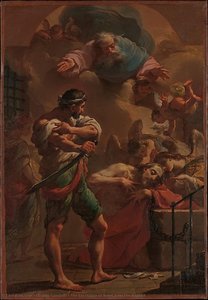
- Religious Iconography: Works such as The Execution of Saint John the Baptist showcase his ability to evoke divine presence through intense emotion.
- Mythological Grandeur: His commissions for the Marchese Gregorio Casali, including scenes of Perseus and Andromeda, demonstrate his skill in composing epic, symbolic narratives.
- Portraiture: A charming series of small portraits of women and children that capture the fleeting essence of human character with remarkable tenderness.
- Sculpture and Drawing: His technical mastery extended to the physical form through sculpture and highly skilled red chalk studies of the human nude.
An Enduring Artistic Significance
As the eighteenth century progressed, Ubaldo Gandolfi’s influence continued to expand, leaving an indelible mark on the artistic landscape of Europe. His appointment as a professor of life drawing at the Accademia Clementina in 1761 solidified his role not just as a creator, but as a mentor to the next generation of Italian artists. Though much of his monumental fresco work has been lost to time, the surviving canvases and sketches remain powerful windows into a period of immense transition. He captured the tension of an age caught between the theatricality of the old world and the rationalism of the new.
Today, Gandolfi is remembered as a painter of profound versatility. Whether he was depicting the opulence of a Madonna with Child or the somber despair of A Sleeping Legionary, his work remains anchored by an unwavering commitment to truth in form and emotion. His legacy lives on through the enduring power of his imagery, reminding us of a time when art was a grand, sweeping endeavor designed to move the soul and elevate the human experience.
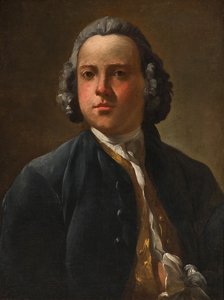
Ubaldo Gandolfi
1728 - 1781 , Italy
Osnovne informacije
- Artistic Movement Or Style: Baroque & Neoclassical
- Artists Or Movements Influenced By This Artist: ['Bolognese School']
- Artists Who Influenced This Artist: ['Ludovico Carracci']
- Date Of Birth: San Mateo della Decima, Italy (1728)
- Full Name: Ubaldo Gandolfi
- Nationality: Italian
- Notable Artworks:
- Mercury About To Behead Argus
- A Sleeping Legionary
- Madonna With Child, Saint Dominic And Vincenzo Ferreri
- Place Of Birth: San Mateo della Decima
Povezani članci
25 Remek-dela Luvra: Putovanje kroz vekove umetnosti i lepote | ArtsDot.com
Otkrijte 25 remek-dela Luvra! Istražite priče iza Mona Lize, Venere Miloske i drugih ikona umetnosti. Reprodukcije slika vrhunskog kvaliteta za vaš enterijer. Leonardo da Vinci, renesansa & više na ArtsDot.com
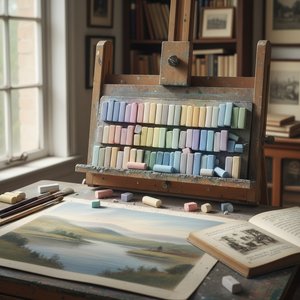
The Subtleties of Pastel: A Comprehensive Exploration of Technique, History & Emotional Resonance
Explore the captivating world of pastel art! Discover its rich history, Impressionistic masters like Degas, emotional power & unique techniques. Find museum-quality reproductions at ArtsDot.

Барокна драма: Уношење величине и емоција у савремене ентеријере
Откријте барокну драму и унесите величину у ваш ентеријер! ArtsDot нуди ручно насликане репродукције, персонализоване портрете и стручне консултације за љубитеље класичне уметности. Потражите савршено дело већ данас!

The Dramatic Flourish: Exploring the Baroque Movement's Enduring Legacy in Art History
Explore the dramatic world of Baroque art! Discover iconic artists like Caravaggio & Rubens, defining techniques, and its lasting impact on art history. Expert insights for collectors & enthusiasts at ArtsDot.

Barok Majstor dela: Top 10 Umjetničkih Remeka za Vaš Dom
Otkrijte 10 remek dela koja su definisala baroknu umetnost! Karavagio, Bernini i više – istražite priče iza ovih ikoničnih slika. Inspiracija za vaš dom? Pogledajte kolekciju na ArtsDot.com!

