

 Pregledaj u prostoru
 Pošalji
 Podeli
 Detalji o delu

 Преузми
 Slični predmeti
 Rendgenski snimak
 Slajdovi
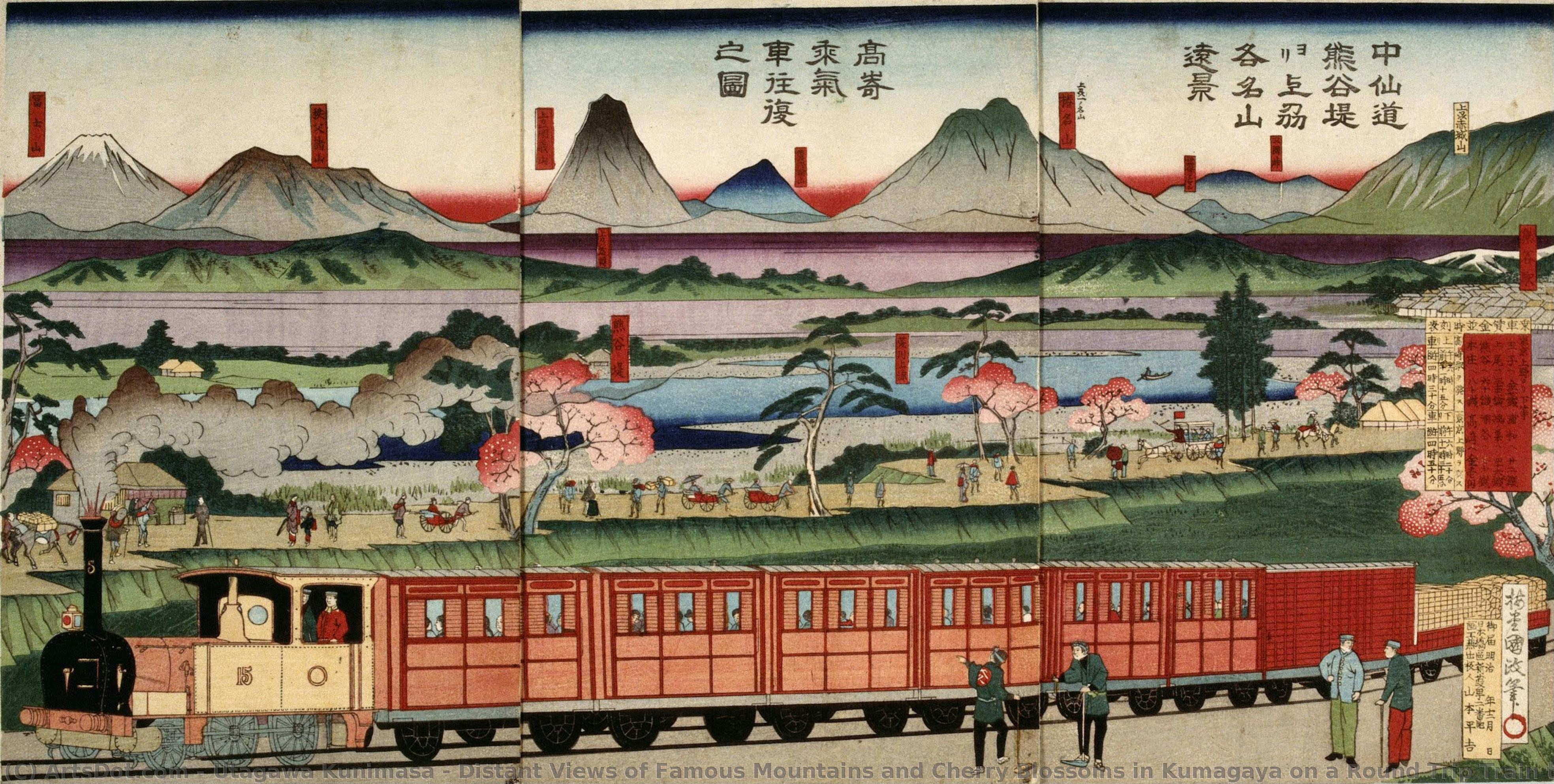
Distant Views of Famous Mountains and Cherry Blossoms in Kumagaya on a Round Trip Train to Takasaki
 72.0 x 37.0 cm
 Saitama Prefectural Museum of History and Folklore
 Pročitaj više
Giclee štampa / Umetnički otisak
Giclée štampa ili print na platnu muzejskog kvaliteta uz brzu proizvodnju i fleksibilne opcije završne obrade. ( Kupi ručno naslikanu sliku Kupi digitalnu sliku)




































Izaberite jednu od naših unapred definisanih veličina koje odgovaraju originalnim proporcijama umetničkog dela.

Možete uneti sopstvene dimenzije kako biste umetničko delo prilagodili specifičnom okviru ili prostoru. Ako odabrani format ne odgovara proporcijama originalne slike, mi ćemo ili iscrtati deo dela ili proširiti sliku pomoću ogledane ivice ili jednobojnog popunjavanja. Digitalni prikaz će vam biti poslat na odobrenje pre početka proizvodnje.
Imajte na umu da pregled na ekranu ne odražava stvarno iscrtavanje ili proširivanje. Samo će prikaz (mockup) precizno pokazati finalnu kompoziciju.
Iako su prilagođene dimenzije dostupne, preporučujemo da odaberete dimenziju sa unapred definisane liste kako biste očuvali originalne proporcije.
Dostava širom sveta () za 2 nedelje umesto uobičajenih 4/5 nedelja. (28 август)

Besplatna ekspresna dostava širom sveta

Visokokvalitetno laneno platno

Kompletno osiguranje transporta

Garancija povraćaja carine i uvoznih dažbina

Garancija vernosti boja

Politika povrata u roku od 60 dana (samo u slučaju nedostataka)

Garancija povrata novca od 100%

Popust pri grupnoj kupovini
 Opcija sa staklom dostupna je samo za dimenzije manje od 110 cm

Distant Views of Famous Mountains and Cherry Blossoms in Kumagaya on a Round Trip Train to Takasaki
Giclee štampa / Umetnički otisak
Dimenzije reprodukcije
-


Konačna cena
$ 62
Srodna umetnička dela










Biografija umetnika
The Vibrant Legacy of Utagawa Kunimasa
In the bustling, neon-lit atmosphere of Edo-period Japan, few artists captured the electric pulse of urban life as evocatively as Utagawa Kunimasa. Born in 1773 in the rugged landscape of Aizuwakamatsu, Kunimasa’s journey to becoming a master of the Ukiyo-e woodblock print was one of unexpected transformation. Before his hands ever touched a carving tool or a brush, he labored in the humble setting of a dye shop. This early immersion in the world of pigments and color saturation would later become the bedrock of his artistic identity, providing him with an intuitive understanding of how hue and intensity could manipulate the viewer's emotions.
His destiny shifted profoundly when he arrived in Edo, where his talent caught the eye of the legendary Utagawa Toyokuni. Under this prestigious mentorship, Kunimasa was not merely taught the technicalities of printmaking; he was initiated into the very soul of the Utagawa school. He sought to bridge a difficult aesthetic gap, attempting to marry the raw, visceral psychological intensity found in the works of Sharaku with the refined, decorative elegance championed by his master, Toyokuni. This pursuit of a middle ground—a style that was both dramatically arresting and beautifully composed—defined his unique contribution to the floating world.
A Master of Drama and Grace
Kunimasa’s oeuvre is most celebrated for its mastery of yakusha-e, or Kabuki actor portraits. In these works, he moved beyond simple likenesses to capture the heightened theatricality of the stage. He possessed a rare ability to freeze a moment of peak tension, using bold lines and carefully orchestrated perspectives to convey the weight of a character's emotion. Whether depicting a hero in mid-battle or a villain caught in a moment of treachery, his prints pulsed with a palpable sense of movement and life.
Beyond the theater, Kunimasa found profound beauty in bijin-ga, the depiction of beautiful women. In these compositions, the artist’s background in dyeing became evident through his sophisticated use of color gradation and delicate textures. He did not merely paint figures; he crafted atmospheres of elegance and quietude. His subjects often possessed a certain psychological depth, a subtle grace that invited the viewer to linger on the intricate patterns of their kimonos and the soft contours of their features. Through this duality of subject matter—the explosive energy of Kabuki and the serene allure of the feminine ideal—Kunimasa established himself as a versatile virtuoso.
Historical Significance and Artistic Impact
Though his life was tragically short, ending in 1810, Kunimasa’s influence rippled through the subsequent generations of the Utagawa school. He served as a vital link in the evolution of Japanese printmaking, helping to refine the stylistic language that would later be perfected by masters like Hiroshige and Kuniyoshi. His work represents a crucial era of transition where the art form moved toward greater complexity and emotional nuance.
Today, the significance of Utagawa Kunimasa lies in his ability to have captured the ephemeral nature of the "floating world" with such enduring strength. His prints remain much more than historical artifacts; they are windows into the heart of Edo culture, reflecting a period of unparalleled artistic innovation and social vibrancy. To study Kunimasa is to witness the moment when the decorative beauty of Japanese tradition met the dramatic intensity of human emotion, creating a legacy that continues to captivate art historians and enthusiasts alike.
utagawa kunimasa
1773 - 1810 , Japan
Osnovne informacije
- Artistic Movement Or Style: Utagawa School
- Artists Or Movements Influenced By This Artist: ['Sharaku']
- Artists Who Influenced This Artist: ['Utagawa Toyokuni']
- Date Of Birth: 1773
- Full Name: Utagawa Kunimasa
- Nationality: Japanese
- Notable Artworks:
- Cat Theatre
- Beauty in Snow
- Shintomiza Joruri
- Place Of Birth: Aizuwakamatsu, Japan

