

 Pregledaj u prostoru
 Pošalji
 Podeli
 Detalji o delu

 Преузми
 Slični predmeti
 Rendgenski snimak
 Slajdovi
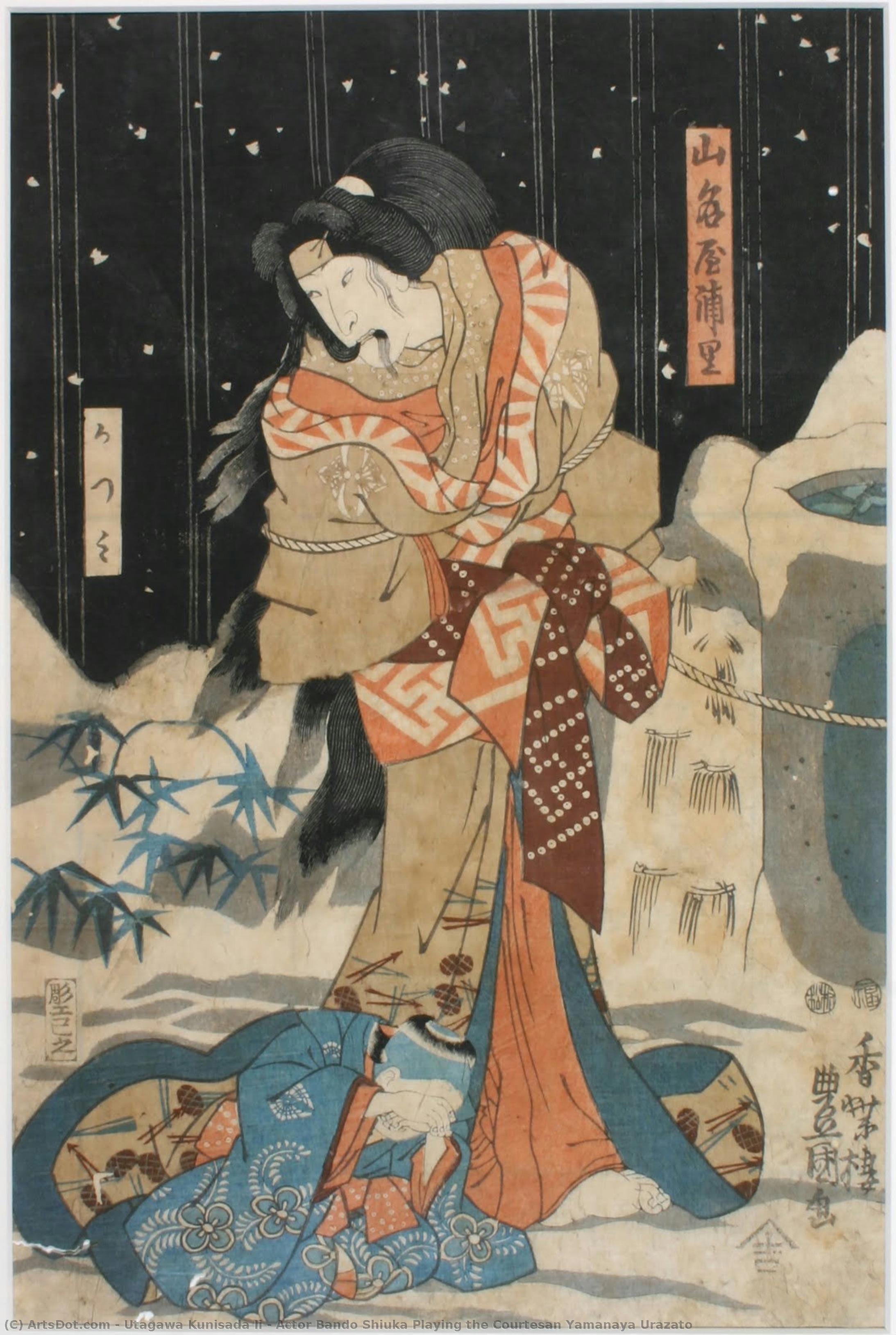
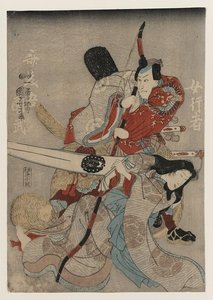
Actor Bando Shiuka Playing the Courtesan Yamanaya Urazato


 Pročitaj više
Ručno rađena uljana reprodukcija
Ručno oslikano uljanim bojama na platnu u dimenzijama i okviru po vašem izboru, izrađeno po porudžbini od strane naših umetnika. ( Kupi print Kupi digitalnu sliku)




P118B $10

P118H $10

P118W $10

P438Z $10

P508JH $12

P508YH $12

P805H $10

P805Z $10

P919BZ $10

P919G $10

P919XJ $10

P959ZH $10

P968JZ $12

W106C $8

W218G $10

W218JH $8

W218Y $10

W307PJ $10

W316G $10

W316PJ $8

W316Y $10

W398PJ $8

W4111J $10

W500HY $15

W500JH $15

W692G $12

W849H $8

W940BG $15

W953PJ $8




Izaberite jednu od naših unapred definisanih veličina koje odgovaraju originalnim proporcijama umetničkog dela.

Можете унети сопствене димензије како бисте прилагодили дело одређеном оквиру или простору. Ако одабрана величина не одговара пропорцијама оригинала, слика ће бити исечена или проширена додатним елементима који се ручно насликавају. Дигитални prikaz ће вам бити послат на одобрење пре почетка производње.
Имајте на уму да преглед на екрану не одражава стварно исецање или проширење. Само приказ (mockup) ће тачно приказати коначну композицију.
Иако су доступне прилагођене величине, препоручујемо да одаберете димензију из дефинисане листе како бисте сачували оригиналне пропорције.
Nakon narudžbine, tim ArtsDot.com će klijentu putem e-pošte poslati uputstva i dostaviti prikaz predloženog rešenja
Isporuka širom sveta () za 3/4 nedelje umesto uobičajenih 5 nedelja. (28 август). Bez kompromisa po pitanju kvaliteta.

Besplatna ekspresna dostava širom sveta

Visokokvalitetno laneno platno

Kompletno osiguranje transporta

Garancija povraćaja carine i uvoznih dažbina

Garancija vernosti boja

Politika povrata u roku od 60 dana (samo u slučaju nedostataka)

Garancija povrata novca od 100%

Popust pri grupnoj kupovini
 Opcija sa staklom dostupna je samo za dimenzije manje od 110 cm

Actor Bando Shiuka Playing the Courtesan Yamanaya Urazato
Tehnika reprodukcije
Dimenzije reprodukcije
-


Konačna cena
$ 263
A Captivating Encounter in the Floating World
In the delicate interplay of color and line that defines the ukiyo-e tradition, "Actor Bando Shiuka Playing the Courtesan Yamanaya Urazato" emerges as a profound window into the theatrical soul of Edo-period Japan. Created by the master Utagawa Kunisada II around 1851, this woodblock print captures a moment of intense dramatic tension, blurring the lines between reality and performance. The scene presents a striking visual narrative: two figures, draped in the rich, vibrant hues of red and blue, are locked in a ritualistic or theatrical interaction amidst a serene, snow-dusted landscape. The presence of a snowy hillside adds a layer of quiet melancholy to the composition, contrasting the warmth of the characters' attire with the biting chill of winter, creating an atmosphere that is both intimate and epic.
The artistry of Kunisada II shines through in the meticulous execution of the onnagata—the male actors who specialized in female roles. As noted by art historians, the subtle details, such as the purple cloth visible above the actor’s forehead, serve as a sophisticated clue to the performer's identity, signaling the shaved forelock characteristic of a man portraying a woman. This layer of theatrical artifice adds a fascinating psychological depth to the piece; the viewer is not merely looking at a portrait of a courtesan, but at a masterful transformation. The composition, featuring one figure kneeling while another stands with a symbolic chain, suggests a narrative of power, devotion, or perhaps a scripted moment of struggle from a Kabuki play, inviting collectors to contemplate the stories hidden within the woodblock's grain.
Mastery of Technique and Aesthetic Elegance
For the discerning collector or interior designer, this print offers an unparalleled blend of historical significance and decorative versatility. The technique of ukiyo-e—the "pictures of the floating world"—relies on the precise layering of pigments to achieve depth and texture. In this work, the bold use of primary colors is balanced by the soft, atmospheric rendering of the snowy environment. The interplay between the heavy, patterned kimonos and the stark, white backdrop of the winter landscape creates a rhythmic visual movement that draws the eye across the page. Such a piece serves as a sophisticated focal point in any curated space, bringing with it the storied elegance of 19-century Japanese aesthetics.
Beyond its technical brilliance, the emotional resonance of the work lies in its ability to evoke nostalgia for a vanished era of urban splendor and theatrical passion. The print does not merely depict a scene; it captures an essence of movement and emotion that remains potent over a century later. Whether displayed as part of a larger collection of Japanese prints or as a standalone statement piece in a modern setting, this reproduction of Kunisada II’s work provides a timeless connection to the cultural heartbeat of old Tokyo. It is an invitation to experience the drama, the fashion, and the exquisite craftsmanship of the Utagawa school, making it a truly transformative addition to any fine art collection.
Srodna umetnička dela
Biografija umetnika
**rani život i obuka**
Utagawa Kunisada II, poznat i kao Toyokuni IV, bio je znameniti japanski umetnik ukiyo-e drvoreza rođen u Eđu, Japanu, 1823. godine. Kao učenik Utagawa Kunisade I, svoje rane radove često je potpisivao imenom Kunimasa III. Tek oko 1850-51. godine usvojio je ime Kunisada II, što je simbolizovalo njegovo nasleđivanje prestižne Utawaka škole.**umetnički stil i značajna dela**
Njegova impresivna kolekcija drvoreza obuhvata preko 40 serija, koje najčešće slave dramatičnost glumaca (yakusha-e), ali i portrete lepotica, ilustracije književnih scena, erotične motive i druge fascinantne teme. Jedno od njegovih najslavnijih remek-dela je Priča o osam heroja pasa (Hakkendun Inu no Sōshi no Uchi) iz 1852. godine, inspirisana epskim romanom Kyokutei Bakina, pod nazivom Satomi klan i osam pasa (Nansō Satomi Hakkenden).**nasleđe i kasniji život**
Iako je predvodio Utawaka školu i radovao se u stilu svog učitelja, Kunisada II nikada nije dostigao isti nivo uspeha kao njegov prethodnik. Njegova popularnost počela je da opada tokom Meidži perioda (1868–1912), a čini se da je prestao sa izradom drvoreza nakon 1874. godine. Preminuo je 20. jula 1880. godine i sahranjen u Banshōin Kōunji hramu, ostavivši za sobom budističko posthumno ime Sankōin Hōkokujutei Shinji.**značajni zapisi na ArtsDot.com**
- Pogledajte umetnička dela Utawaka Kunisade II na ArtsDot.com
- Istražite Hokkaido muzej moderne umetnosti (Japan) na ArtsDot.com
- Otkrijte slike Nonoyama Kōzana na ArtsDot.com
**ključne tačke u životu Kunisade II**
- 1823.: rođen u Eđu, Japan
- 1850-51.: usvojio ime Kunisada II
- 1852.: kreirao Priču o osam heroja pasa
- 1868–1912.: Meidži period, tokom kojeg je njegova popularnost opadala
- 20. jul 1880.: preminuo i sahranjen u Banshōin Kōunji
**dalje čitanje na ArtsDot.com**
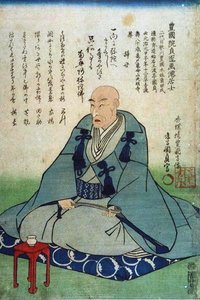
Utagawa Kunisada Ii
1823 - 1880 , Japan
Osnovne informacije
- Artistic Movement Or Style: Ukiyo-e (yakusha-e)
- Artists Or Movements Influenced By This Artist: ['Utagawa škola']
- Artists Who Influenced This Artist: ['Utagawa Kunisada I']
- Date Of Birth: 1823
- Date Of Death: 1880
- Full Name: Utagawa Kunisada II
- Nationality: Japanac
- Notable Artworks:
- Hakkendun Inu no Sōshi no Uchi
- Glumac iz Osake, Kataoka Gado, kao An no Heibei
- Place Of Birth: Tokio, Japan
Povezani članci

Katsushika Hokusai: 25 Remek-dela Japanskog Umetnika za Vaš Dom | ArtsDot
Uronite u svet Katsushike Hokusaija! Otkrijte 25 remek-dela japanskog umetnika, uključujući čuveni 'Veliki talas'. Ukiyo-e štampe, pejzaži i istorija iza svakog dela. Pronađite inspiraciju za dekor enterijera i kupite reprodukcije slika vrhunskog kvaliteta na ArtsDot.com.
Ukiyo-e: Exploring Japan's Floating World & Enduring Artistic Legacy
Explore the captivating world of Ukiyo-e – Japan's iconic woodblock prints! Discover masters like Hokusai & Hiroshige, learn about Edo period culture, and find expert art collecting guidance at ArtsDot.
The Enduring Legacy of Woodblock Printmaking: Technique, History & Artistic Expression
Explore the rich history of woodblock printmaking – from ancient techniques to Ukiyo-e masterpieces. Discover expert insights on collecting, preserving & appreciating this enduring art form.
Tōshūsai Sharaku: A Fleeting Glimpse into Edo Period Kabuki – Life, Art, and the Enigma of a Ukiyo-e Master
Explore the captivating world of Tōshūsai Sharaku, the enigmatic Edo period ukiyo-e master. Discover his iconic Kabuki actor portraits and unravel the mystery behind this fleeting artistic genius. Learn about his unique style & lasting legacy.
Tsukioka Yoshitoshi: A Master of Ukiyo-e's Final Flourish – Narrative, Innovation, and the Meiji Transition
Explore the life & art of Tsukioka Yoshitoshi, the last great master of ukiyo-e woodblock printing. Discover his dramatic warrior prints, innovative series like 'One Hundred Aspects of the Moon,' and legacy reflecting Japan's Meiji transition.

