

 Pregledaj u prostoru
 Pošalji
 Podeli
 Detalji o delu

 Преузми
 Slični predmeti
 Rendgenski snimak
 Slajdovi
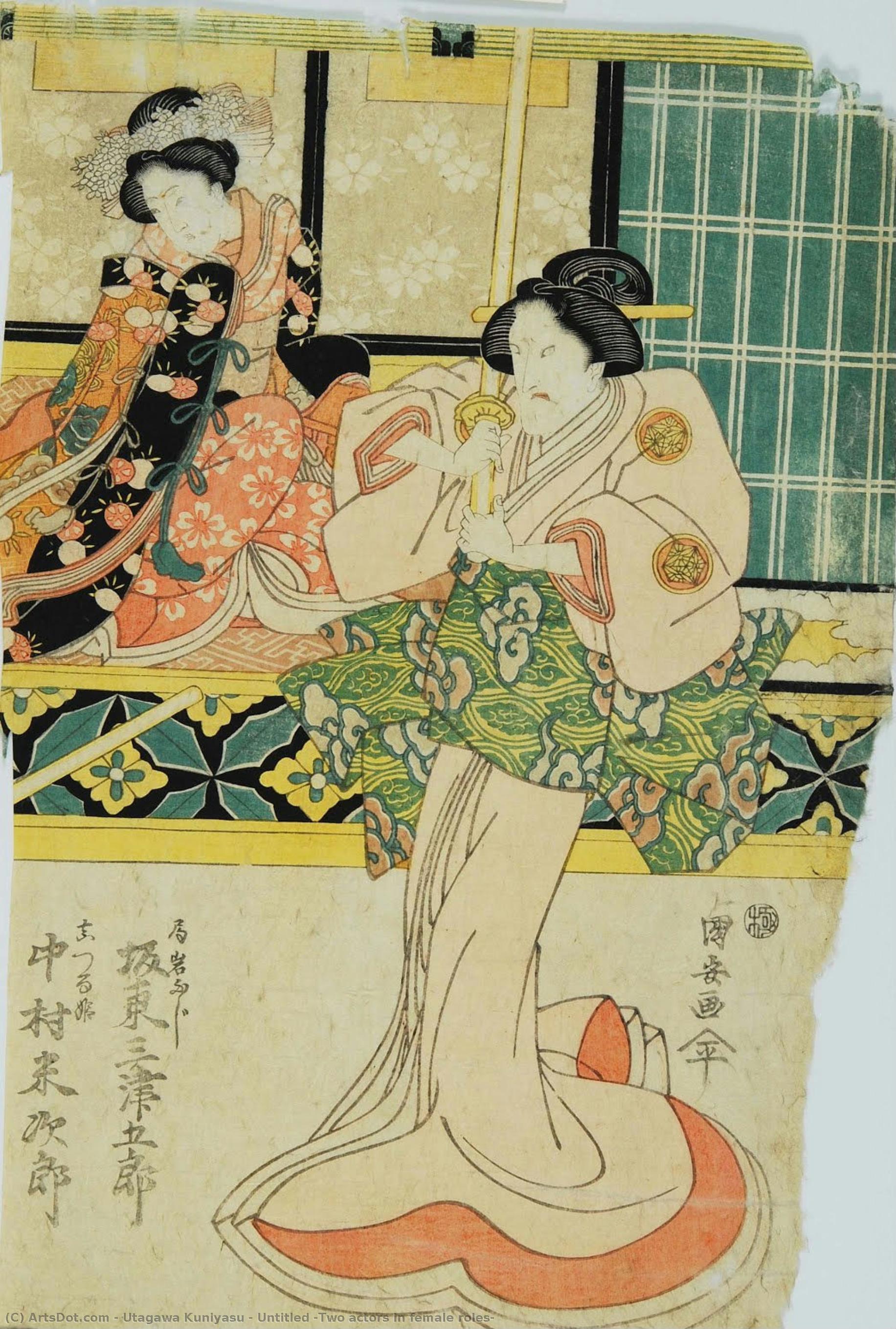
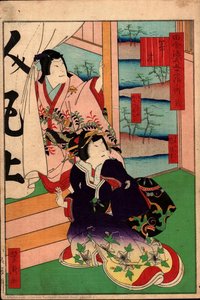
Untitled (Two actors in female roles)
 36.0 x 25.0 cm
 Hammer Museum
 Pročitaj više
Giclee štampa / Umetnički otisak
Giclée štampa ili print na platnu muzejskog kvaliteta uz brzu proizvodnju i fleksibilne opcije završne obrade. ( Kupi ručno naslikanu sliku Kupi digitalnu sliku)




































Izaberite jednu od naših unapred definisanih veličina koje odgovaraju originalnim proporcijama umetničkog dela.

Možete uneti sopstvene dimenzije kako biste umetničko delo prilagodili specifičnom okviru ili prostoru. Ako odabrani format ne odgovara proporcijama originalne slike, mi ćemo ili iscrtati deo dela ili proširiti sliku pomoću ogledane ivice ili jednobojnog popunjavanja. Digitalni prikaz će vam biti poslat na odobrenje pre početka proizvodnje.
Imajte na umu da pregled na ekranu ne odražava stvarno iscrtavanje ili proširivanje. Samo će prikaz (mockup) precizno pokazati finalnu kompoziciju.
Iako su prilagođene dimenzije dostupne, preporučujemo da odaberete dimenziju sa unapred definisane liste kako biste očuvali originalne proporcije.
Dostava širom sveta () za 2 nedelje umesto uobičajenih 4/5 nedelja. (26 август)

Besplatna ekspresna dostava širom sveta

Visokokvalitetno laneno platno

Kompletno osiguranje transporta

Garancija povraćaja carine i uvoznih dažbina

Garancija vernosti boja

Politika povrata u roku od 60 dana (samo u slučaju nedostataka)

Garancija povrata novca od 100%

Popust pri grupnoj kupovini
 Opcija sa staklom dostupna je samo za dimenzije manje od 110 cm

Untitled (Two actors in female roles)
Giclee štampa / Umetnički otisak
Dimenzije reprodukcije
-


Konačna cena
$ 62
Srodna umetnička dela





Biografija umetnika
The Vibrant Legacy of Utagawa Kuniyasu
In the bustling, neon-lit spirit of Edo-period Japan, few artists captured the ephemeral pulse of urban life as vividly as Utagawa Kuniyasu. Born Yasugorō in 1794 within the heart of Tokyo, Kuniyasu emerged as a vital force within the illustrious Utagawa school, a lineage of masters that defined the visual language of an era. His artistic journey began not with grand landscapes, but through the intimate medium of book illustration, specifically his early work on Hanashi no momochidori. This formative period allowed him to hone a narrative precision that would later define his standalone prints, transforming simple paper and ink into windows onto a world of theatrical drama and seasonal grace.
As a student of the great master Toyokuni, Kuniyasu inherited a profound understanding of composition and the delicate balance between line and color. However, he was far from a mere imitator. He infused his work with a unique vitality, often operating under various art names such as Ippōsai and Nishikawa Yasunobu, allowing him to explore different facets of the ukiyo-e tradition. His mastery lay in the collaborative alchemy of the woodblock process—a meticulous dance between the artist’s vision, the carver’s steady hand, and the printer’s ability to layer pigments. Through this technique, he achieved a level of brilliance that made his depictions of the floating world feel almost tactile to the contemporary viewer.
A Master of Human Emotion and Theatrical Splendor
The true soul of Kuniyasu’s oeuvre resides in his ability to immortalize the icons of Edo culture. He was a specialist in two of the most beloved genres of ukiyo-e: yakusha-e (actor portraits) and bijin-ga (pictures of beautiful women). In his actor prints, one can sense the electric tension of the Kabuki stage; he captured the exaggerated gestures, the striking makeup, and the intense emotional climaxes that defined the theatrical experience. His lines danced with the same energy as the performers themselves, making each print a frozen moment of dramatic triumph or tragic despair.
Parallel to his theatrical prowess was his tender approach to the feminine ideal. His bijin-ga were not merely portraits of beauty but studies in atmosphere and seasonal sentiment. Whether depicting the melancholic elegance of an autumn maiden amidst falling leaves or the quiet grace of a woman in repose, Kuniyasu utilized color and pattern to evoke deep-seated emotions. His work often transcended simple decoration, reaching into the realm of surimono—privately commissioned, highly exquisite prints that showcased his most refined technical capabilities. Through these works, he celebrated the fleeting joys and subtle sorrows of everyday life, turning the mundane into the monumental.
Historical Significance and Enduring Influence
Though his life was tragically short, ending in 1832 at the age of only thirty-nine, Kuniyasu’s impact on the trajectory of Japanese art was profound. He left behind a staggering legacy consisting of approximately one hundred illustrated books and hundreds of standalone prints that continued to circulate long after his passing. This enduring popularity suggests an artist whose work resonated deeply with the collective consciousness of the Japanese people, bridging the gap between high art and popular culture.
Today, the fingerprints of Kuniyasu’s genius can be found in the most prestigious galleries across the globe. His works are cherished treasures within the permanent collections of:
- The British Museum
- The Metropolitan Museum of Art
- The Victoria and Albert Museum
- The Philadelphia Museum of Art
- The Museum of Fine Arts, Boston
By documenting the fashion, the faces, and the fervor of the Edo period, Utagawa Kuniyasu did more than just create art; he preserved a civilization. His ability to weave together the technical rigor of the Utagawa school with a deeply humanistic perspective ensures that his vision of the floating world remains as captivating and luminous today as it was two centuries ago.
utagawa kuniyasu
1794 - 1832 , Japan
Osnovne informacije
- Artistic Movement Or Style: Ukiyo-e
- Artists Or Movements Influenced By This Artist: ['Hokusai']
- Date Of Birth: Tokyo, Japan (1794)
- Full Name: Utagawa Kuniyasu
- Nationality: Japanese
- Notable Artworks:
- Beauty representing autumn from an untitled series of beauties representing the four seasons
- A Sumo Bout between Kumoseyama and Tamagawa
- Untitled (Two actors in female roles)
- Ukiyo-e Prints of Temple Pilgrimage to Honor the Five Vidyarajah
- Place Of Birth: Tokyo

