

 Pregledaj u prostoru
 Pošalji
 Podeli
 Detalji o delu

 Преузми
 Slični predmeti
 Rendgenski snimak
 Slajdovi
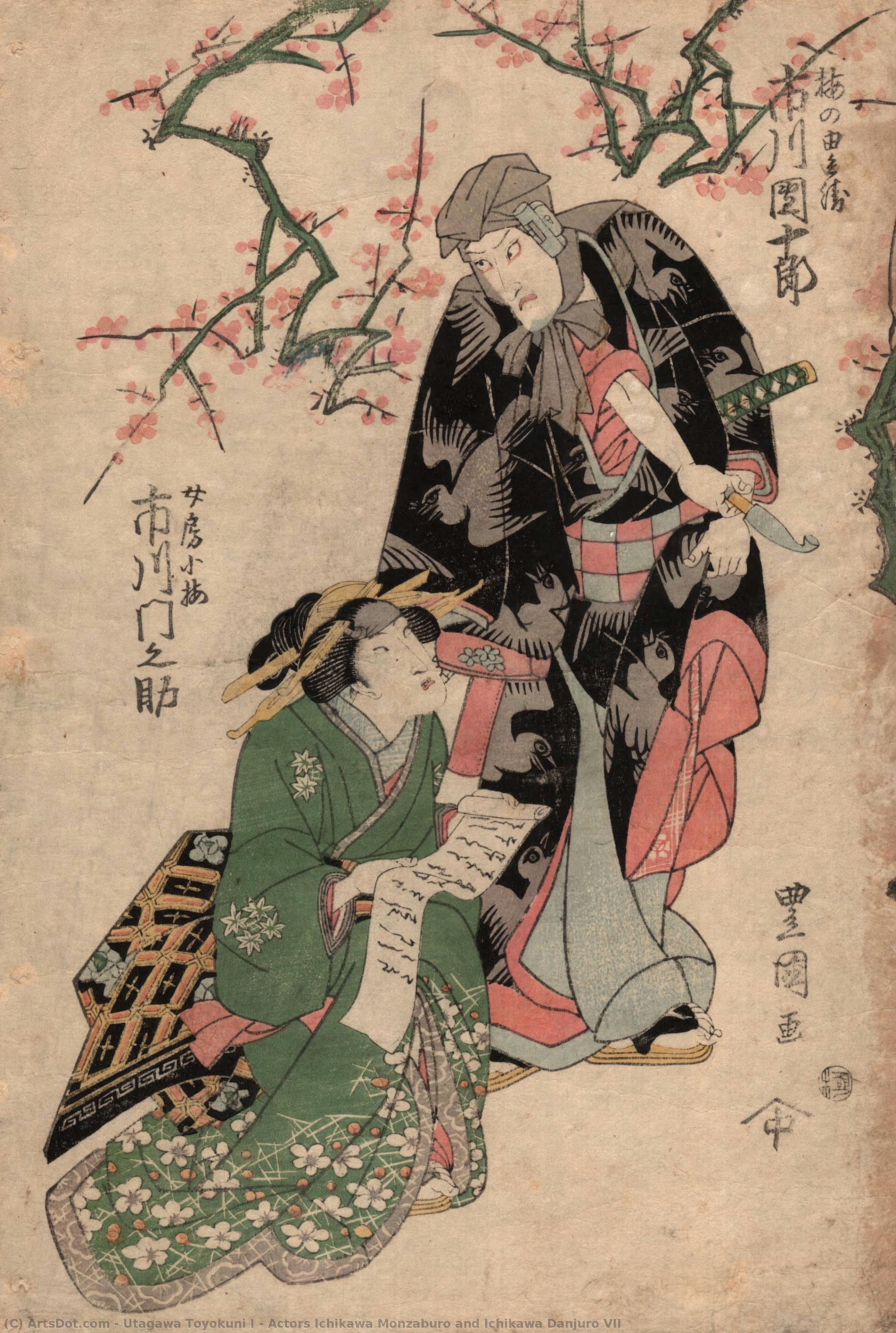
Actors Ichikawa Monzaburo and Ichikawa Danjuro VII
 Woodblock Print
- Ukiyo-e
 1820
1820- 19th Century
 38.0 x 26.0 cm
 Bujalance Collection
 Pročitaj više
Kupite digitalnu sliku visoke rezolucije i poboljšanog kvaliteta, koja je znatno superiornija od onoga što vidite u online prikazu.
Svaka datoteka je pedantno pripremljena od strane naših stručnjaka koristeći napredne alate i profesionalnu ručnu retušu. Osiguravamo da svaka slika ima izuzetnu oštrinu, preciznu reprodukciju boja i fine detalje.
Konačna datoteka se dostavlja putem e-pošte u roku od 72 sata, optimizovana za neposrednu upotrebu u profesionalnim, izdavačkim i štamparskim okruženjima. To je isti kvalitet kojem veruju vrhunski studiji dizajna, izdavači i galerije.
Digitalna slika
Preuzmite datoteku visoke rezolucije za ličnu upotrebu, štampanje i kreativne projekte. ( Kupi print Kupi ručno naslikanu sliku)
Uključeno uz svaku porudžbinu digitalne slike
Profesionalna digitalna isporuka, zagarantovana
Kada odaberete ArtsDot.com, ne dobijate samo sliku – vi primate profesionalno unapređeno digitalno umetničko delo, izrađeno sa najvećom preciznošću i uz garanciju zadovoljstva. Evo svega što automatski dolazi uz vašu porudžbinu:

Brza dostava putem e-pošte
Vaša digitalna slika visoke rezolucije biće vam poslata putem e-pošte u roku od 72 sata od poručivanja – spremna za trenutnu upotrebu.

Digitalna datoteka unapređena veštačkom inteligencijom
Vaše umetničko delo je profesionalno optimizovano korišćenjem naprednih AI alata i ručne obrade, čime se osiguravaju maksimalni detalji, oštrina i preciznost boja.

Besplatna ponovna isporuka doživotno
Slučajno ste obrisali ili izgubili svoju datoteku? Ne brinite – poslaćemo vam je ponovo u bilo kom trenutku, potpuno besplatno.

Bez troškova uvoza – zauvek
Uživajte u svojim umetničkim delima trenutno, bez carine, dažbina ili troškova dostave – digitalni download je uvek bez poreza.

Garancija vernosti boja
Uz pomoć profesionalnih alata i upravljanja bojama, osiguravamo da vaša digitalna slika što vernije odražava originalne boje.

Garancija zadovoljstva u roku od 60 dana
Ako niste zadovoljni svojom digitalnom slikom, revidirat ćemo je ili vratiti 100% novca u roku od 60 dana – bez ikakvih pitanja.

100% garancija povrata novca
Niste zadovoljni? Obezbedite pun povrat novca u roku od 60 dana od trenutka kada ste primili svoju digitalnu datoteku – bez suvišnih pitanja.

Popusti na velike porudžbine
Kupite 3 slike, uštedite 10% - Kupite 5 slika, uštedite 15% - Kupite 10+ slika, uštedite 20%. Odlično za kreativne projekte, galerije i agencije.
Srodna umetnička dela
Biografija umetnika
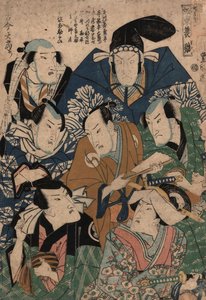
The Rise of a Theatrical Master: Utagawa Toyokuni I
Utagawa Toyokuni I, born in Edo in 1769 and passing in 1825, stands as a pivotal figure in the history of ukiyo-e, the “pictures of the floating world.” While many artists contributed to this vibrant art form, Toyokuni’s impact was particularly profound. He wasn't merely a recorder of his time; he *defined* it for countless viewers through his captivating depictions of kabuki actors and the beauties of Edo society. His ascent marked not only a personal triumph but also the elevation of the Utagawa school to unprecedented levels of fame and influence, a position it would maintain throughout much of the 19th century. Toyokuni’s story is one of diligent study, masterful synthesis, and an acute understanding of popular taste – a combination that propelled him to become arguably the most successful printmaker of his era.Early Life and Apprenticeship: Foundations in Edo
Toyokuni's origins lay within a family steeped in artistic craft. His father, Kurahashi Gorobei, was a skilled carver specializing in dolls and puppets – miniature representations often modeled after the celebrated performers of the kabuki stage. This early exposure to the world of theatre undoubtedly ignited a passion that would later define Toyokuni’s career. Around the age of fourteen, he entered the workshop of Utagawa Toyoharu, the first head of the Utagawa school and a well-respected artist in his own right. The connection was facilitated by his father's existing relationship with Toyoharu, who lived nearby. Within this environment, Toyokuni embarked on a rigorous artistic education alongside fellow pupil Toyohiro – a lineage that would later produce another giant of ukiyo-e, Hiroshige, renowned for his landscape prints. He adopted the name Utagawa Toyokuni as was customary, incorporating a syllable from his master’s name in a gesture of respect and artistic continuity.A Synthesis of Styles: Forging an Individual Path
Unlike some artists blessed with immediate, innate talent, Toyokuni appears to have been a dedicated student, meticulously absorbing the techniques and aesthetics of those who preceded him. He didn’t seek to revolutionize ukiyo-e overnight; instead, he embarked on a period of intense study, focusing intently on the works of masters like Utamaro, Chōbunsai Eishi, and Eishōsai Chōki. He wasn't simply copying their styles but rather dissecting them, understanding their strengths, and ultimately synthesizing them into something uniquely his own. This process demanded considerable effort and patience, resulting in a style characterized by elegance, refinement, and an unparalleled attention to detail. He moved beyond imitation, developing a distinctive approach that would soon become instantly recognizable.Kabuki as Canvas: The Yakusha-e Revolution
Toyokuni’s true breakthrough came with his focus on yakusha-e, portraits of kabuki actors. While not the first to depict these performers, he elevated the genre to new heights. His prints weren't merely likenesses; they were dynamic representations of actors *in character*, capturing the energy and drama of a performance. He possessed an extraordinary ability to convey personality – the swagger of a heroic warrior, the vulnerability of a tragic heroine, the cunning of a mischievous rogue. Unlike Sharaku, whose portraits often emphasized exaggerated features to reveal inner character, Toyokuni strived for accuracy, recreating the experience of witnessing a play firsthand. His prints showed actors *acting*, not just posed figures in costume. This commitment to realism resonated deeply with theatre-goers, making his work immensely popular and solidifying his reputation as the leading yakusha-e artist of his time. Beyond kabuki, Toyokuni also excelled in other genres, including musha-e (warrior prints) and bijin-ga (pictures of beautiful women), demonstrating a remarkable versatility.Legacy and Historical Significance: A Lasting Impression
Utagawa Toyokuni I’s influence on the development of ukiyo-e is undeniable. He not only achieved immense commercial success during his lifetime but also laid the foundation for the Utagawa school's dominance in the 19th century. His pupils, including his son and successor, continued to build upon his legacy, perpetuating his style and expanding the reach of ukiyo-e. While Sharaku is often lauded by modern art historians for his psychological insight, it was Toyokuni who captured the hearts of the Edo public. His prints offered a window into their world – a celebration of theatre, beauty, and the fleeting pleasures of life. Today, his works are treasured as masterpieces of Japanese art, providing invaluable insights into the culture and aesthetics of the Edo period.- Key Contribution: Revolutionized yakusha-e (kabuki actor prints) with dynamic portrayals of actors in performance.
- Style Characteristics: Elegance, refinement, accuracy, and attention to detail.
- Influences: Utamaro, Chōbunsai Eishi, Eishōsai Chōki, Utagawa Toyoharu
- Genres Explored: Yakusha-e, Bijin-ga, Musha-e, and Shunga.
utagawa toyokuni i
1769 - 1825
Kratke činjenice
- Artistic Movement Or Style: Ukiyo-e
- Artists Or Movements Influenced By This Artist: Hiroshige, Utagawa school
- Artists Who Influenced This Artist:
- Utamaro
- Chōbunsai Eishi
- Eishōsai Chōki
- Date Of Birth: 1769
- Date Of Death: 1825
- Full Name: Utagawa Toyokuni I
- Nationality: Japanese
- Notable Artworks:
- Yakusha-e portraits
- Bijin-ga paintings
- Musha-e warriors
- Shunga erotica
- Place Of Birth: Edo, Japan

