

 Pregledaj u prostoru
 Pošalji
 Podeli
 Detalji o delu

 Преузми
 Slični predmeti
 Rendgenski snimak
 Slajdovi
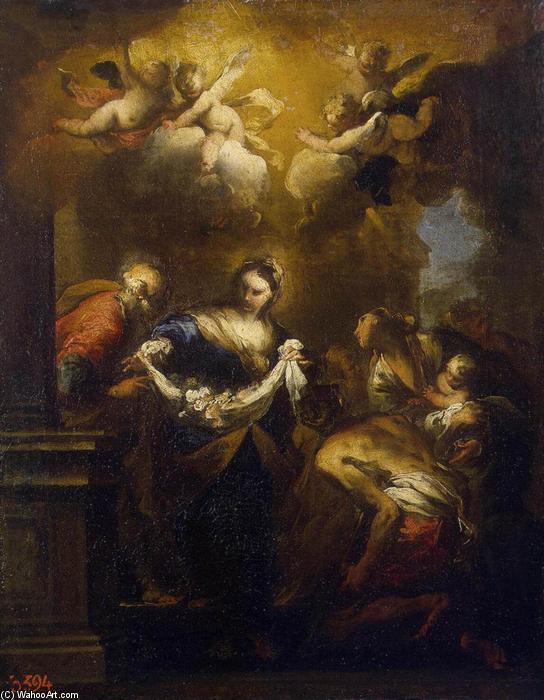
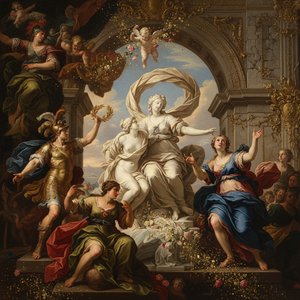
The Miracle of the Roses
 Oil
Oil- WallArt
- Baroque
 1651
1651- Early Modern
 48.0 x 38.0 cm
 Hermitage Museum
 Pročitaj više
Ručno rađena uljana reprodukcija
Ručno oslikano uljanim bojama na platnu u dimenzijama i okviru po vašem izboru, izrađeno po porudžbini od strane naših umetnika. ( Kupi print Kupi digitalnu sliku)




P118B $10

P118H $10

P118W $10

P438Z $10

P508JH $12

P508YH $12

P805H $10

P805Z $10

P919BZ $10

P919G $10

P919XJ $10

P959ZH $10

P968JZ $12

W106C $8

W218G $10

W218JH $8

W218Y $10

W307PJ $10

W316G $10

W316PJ $8

W316Y $10

W398PJ $8

W4111J $10

W500HY $15

W500JH $15

W692G $12

W849H $8

W940BG $15

W953PJ $8




Izaberite jednu od naših unapred definisanih veličina koje odgovaraju originalnim proporcijama umetničkog dela.

Можете унети сопствене димензије како бисте прилагодили дело одређеном оквиру или простору. Ако одабрана величина не одговара пропорцијама оригинала, слика ће бити исечена или проширена додатним елементима који се ручно насликавају. Дигитални prikaz ће вам бити послат на одобрење пре почетка производње.
Имајте на уму да преглед на екрану не одражава стварно исецање или проширење. Само приказ (mockup) ће тачно приказати коначну композицију.
Иако су доступне прилагођене величине, препоручујемо да одаберете димензију из дефинисане листе како бисте сачували оригиналне пропорције.
Nakon narudžbine, tim ArtsDot.com će klijentu putem e-pošte poslati uputstva i dostaviti prikaz predloženog rešenja
Isporuka širom sveta () za 3/4 nedelje umesto uobičajenih 5 nedelja. (1 септембар). Bez kompromisa po pitanju kvaliteta.

Besplatna ekspresna dostava širom sveta

Visokokvalitetno laneno platno

Kompletno osiguranje transporta

Garancija povraćaja carine i uvoznih dažbina

Garancija vernosti boja

Politika povrata u roku od 60 dana (samo u slučaju nedostataka)

Garancija povrata novca od 100%

Popust pri grupnoj kupovini
 Opcija sa staklom dostupna je samo za dimenzije manje od 110 cm

The Miracle of the Roses
Tehnika reprodukcije
Dimenzije reprodukcije
-


Konačna cena
$ 263
A Vision of Devotion: The Radiance of Valerio Castello
In the heart of the Italian Baroque era, few artists captured the intersection of divine grace and human emotion as masterfully as Valerio Castello. His 1651 masterpiece, The Miracle of the Roses, serves as a breathtaking window into a moment of profound spiritual transcendence. The painting centers on a woman—often identified with the sanctity of St. Elisabeth—who cradles a cluster of roses against her chest with an intimacy that feels both sacred and deeply personal. As she stands amidst a gathering of onlookers, the composition breathes with a sense of shared reverence, drawing the viewer into a quiet, holy assembly where the boundaries between the earthly and the divine begin to blur.
The scene is set within an ornate architectural space, where the structured elegance of an archway meets the soft, flickering light characteristic of the Genoese school. Castello utilizes a sophisticated interplay of light and shadow to guide the eye toward the central figure, ensuring that the vibrant colors of the roses act as a focal point of hope and vitality. The surrounding figures, captured in various states of contemplation, prayer, and awe, provide a rich tapestry of human reaction, grounding the miraculous event in a palpable, communal reality. This rhythmic arrangement of bodies creates a dynamic energy that is quintessential to the Baroque style, preventing the stillness of the religious subject from ever feeling static.
Mastery of Light and the Baroque Spirit
Technically, The Miracle of the Roses showcases Castello’s ability to synthesize the dramatic tension of Tintoretto with the luminous, painterly elegance of Veronese. His brushwork is fluid and expressive, lending a sense of movement to the drapery and a soft, ethereal glow to the skin tones of the protagonists. The artist employs a rich palette where deep, shadowed corners contrast sharply with the brilliant, saturated hues of the floral offerings, creating a chiaroscroll effect that heightens the drama of the miracle. For the discerning collector or interior designer, this painting offers more than mere decoration; it provides a sophisticated anchor for a room, bringing a sense of historical weight and classical grandeur to any curated space.
Beyond its technical brilliance, the painting is steeped in profound symbolism. The roses, often symbols of martyrdom, divine love, and the fleeting beauty of life, serve as the physical manifestation of a miracle occurring in real-time. The presence of the clock upon the wall serves as a poignant memento mori, a reminder of the passage of time and the eternal nature of faith amidst a mortal world. This duality—the ephemeral bloom of the rose against the ticking of the clock—invites deep contemplation, making the artwork a powerful conversation piece that resonates with themes of legacy, devotion, and the enduring power of the spirit.
Whether displayed in a sunlit gallery or as a centerpiece in a stately study, a high-quality reproduction of this work allows the timeless elegance of the Genoese Baroque to permeate a modern environment. It is an invitation to pause, to reflect, and to surround oneself with the beauty of a moment captured forever in oil and light.
Srodna umetnička dela

Biografija umetnika
The Genesis of a Genoese Visionary
Valerio Castello emerged from the shadows of a noble Genoese lineage, a life marked by both the prestige of his birth and the sudden sting of financial hardship following his father’s untimely death. While his path might have led toward the quiet halls of scholarly pursuit, an innate, profound connection to the art of drawing redirected his destiny toward the canvas. Under the watchful eyes of masters such as Domenico Fiasella and Giovanni Andrea De Ferrari, the young Castello began to weave his technical prowess with a burgeoning artistic ambition. This formative period was not merely about mastering the brush; it was about absorbing the very essence of the Ligurian spirit, preparing him for a career that would soon illuminate the heights of the Baroque era.A Tapestry of Light and Motion
The trajectory of Castello’s genius was irrevocably altered by his transformative travels through Milan and Parma between 1640 and 1645. These wanderings served as a vital immersion into the vibrant currents of Venetian art, where he encountered the dramatic intensity of Camillo Procaccini. His style began to coalesce into a magnificent synthesis, blending the theatrical dynamism of Tintoretto with the opulent, sun-drenched grandeur of Veronese. This unique alchemy allowed him to master the complexities of composition and perspective, particularly in his celebrated battle scenes, which captured the chaotic energy and heroic scale favored by the European elite. His ability to blend these disparate influences created a visual language that was both muscular and exquisitely graceful.An Enduring Baroque Legacy
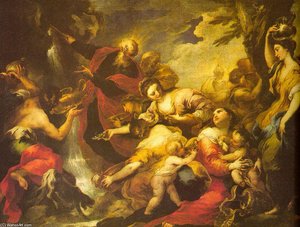
Though his life was tragically brief, ending in 1659, the impact of Castello’s hand remains etched into the architectural and spiritual fabric of Genoa. His ability to command both the intimate canvas and the monumental fresco is evident in works such as Moses Striking the Rock, a 1653 masterpiece that embodies divine power through visceral movement, and his breathtaking frescoes within the Basilica della Santissima Annunziata del Vastato. Whether depicting the poignant biblical narratives of Rebecca at the Well or the grand, collaborative triumphs at the Palazzo Balbi, Castello infused every stroke with a sense of spiritual transcendence. His influence rippled through generations, notably shaping the development of Domenico Piola and cementing his status as a pre-eminent figure of the Baroque, leaving behind a legacy of light, drama, and profound human emotion.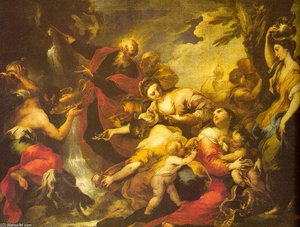
Valerio Castello
1624 - 1659 , Italy
Osnovne informacije
- Artistic Movement Or Style: Baroque
- Artists Or Movements Influenced By This Artist: ['Domenico Piola']
- Artists Who Influenced This Artist:
- Tintoretto
- Veronese
- Date Of Birth: 1624 Genoa Italy
- Date Of Death: 1659
- Full Name: Valerio Castello
- Nationality: Italian
- Notable Artworks:
- Miracle of Saint Zita
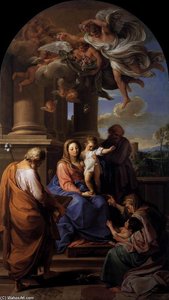
- Sacra famiglia e angeli
- The Adoration of the Magi
- Place Of Birth: Genoa Italy
Povezani članci

The Dramatic Flourish: Exploring the Baroque Movement's Enduring Legacy in Art History
Explore the dramatic world of Baroque art! Discover iconic artists like Caravaggio & Rubens, defining techniques, and its lasting impact on art history. Expert insights for collectors & enthusiasts at ArtsDot.
The Dramatic Flourish: Exploring Themes of Power, Faith & Emotion in Baroque Artworks
Explore the dramatic world of Baroque art! Discover masters like Zurbarán & the powerful influence of religious zeal on painting techniques. Expert insights for collectors and enthusiasts.
Theatricality & Triumph: Baroque Drama in Painting & Sculpture
Explore the dramatic world of Baroque art! Discover its history, defining characteristics, & lasting influence on painting & sculpture. Expert insights into Caravaggio, Zurbarán, and Bernini – plus high-quality reproductions at ArtsDot.

Барокна драма: Уношење величине и емоција у савремене ентеријере
Откријте барокну драму и унесите величину у ваш ентеријер! ArtsDot нуди ручно насликане репродукције, персонализоване портрете и стручне консултације за љубитеље класичне уметности. Потражите савршено дело већ данас!

Barok Majstor dela: Top 10 Umjetničkih Remeka za Vaš Dom
Otkrijte 10 remek dela koja su definisala baroknu umetnost! Karavagio, Bernini i više – istražite priče iza ovih ikoničnih slika. Inspiracija za vaš dom? Pogledajte kolekciju na ArtsDot.com!

