

 Pregledaj u prostoru
 Pošalji
 Podeli
 Detalji o delu

 Преузми
 Slični predmeti
 Rendgenski snimak
 Slajdovi
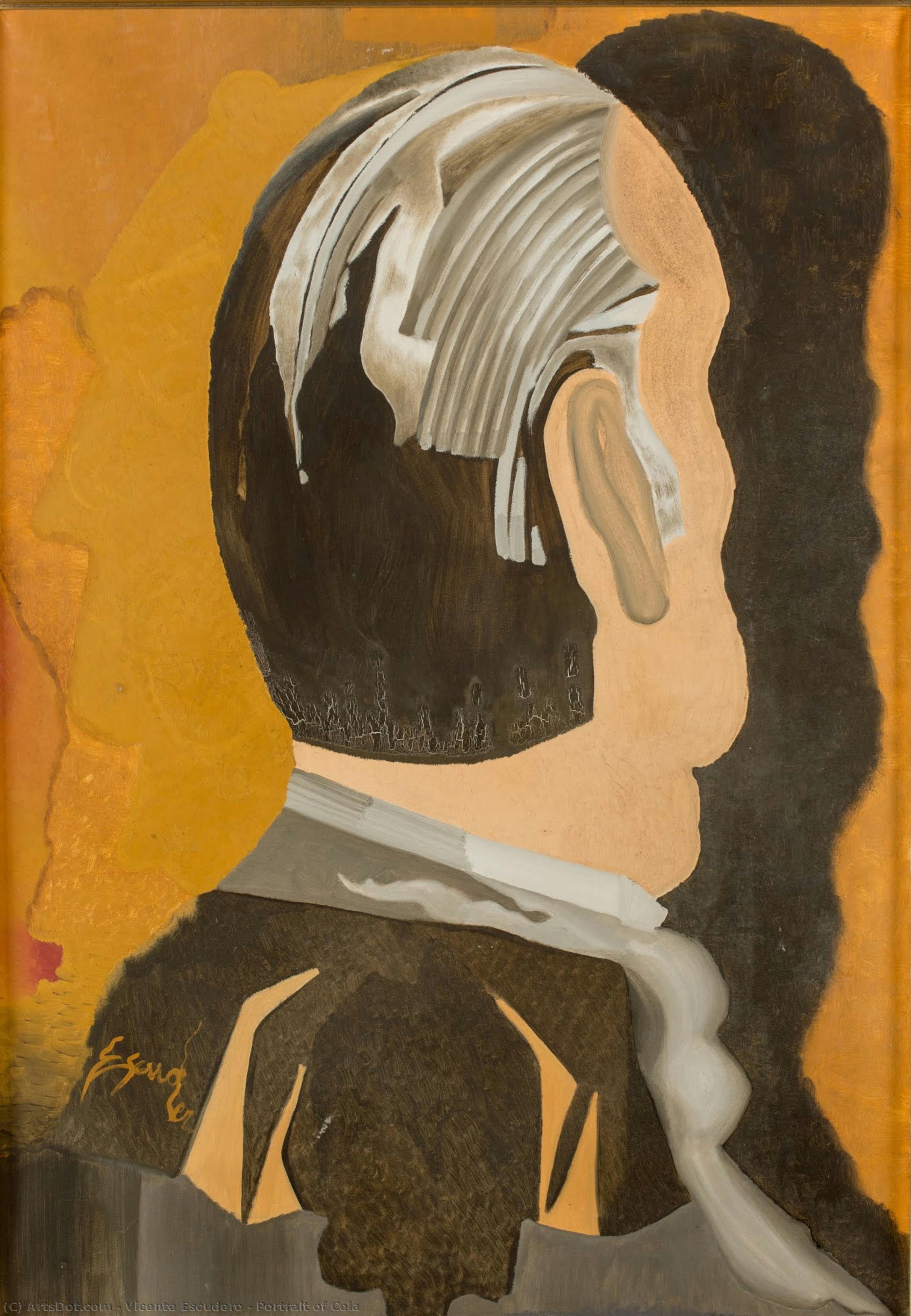
Portrait of Cela

 Pročitaj više
Ručno rađena uljana reprodukcija
Ručno oslikano uljanim bojama na platnu u dimenzijama i okviru po vašem izboru, izrađeno po porudžbini od strane naših umetnika. ( Kupi print Kupi digitalnu sliku)




































Izaberite jednu od naših unapred definisanih veličina koje odgovaraju originalnim proporcijama umetničkog dela.

Можете унети сопствене димензије како бисте прилагодили дело одређеном оквиру или простору. Ако одабрана величина не одговара пропорцијама оригинала, слика ће бити исечена или проширена додатним елементима који се ручно насликавају. Дигитални prikaz ће вам бити послат на одобрење пре почетка производње.
Имајте на уму да преглед на екрану не одражава стварно исецање или проширење. Само приказ (mockup) ће тачно приказати коначну композицију.
Иако су доступне прилагођене величине, препоручујемо да одаберете димензију из дефинисане листе како бисте сачували оригиналне пропорције.
Nakon narudžbine, tim ArtsDot.com će klijentu putem e-pošte poslati uputstva i dostaviti prikaz predloženog rešenja
Isporuka širom sveta () za 3/4 nedelje umesto uobičajenih 5 nedelja. (22 август). Bez kompromisa po pitanju kvaliteta.

Besplatna ekspresna dostava širom sveta

Visokokvalitetno laneno platno

Kompletno osiguranje transporta

Garancija povraćaja carine i uvoznih dažbina

Garancija vernosti boja

Politika povrata u roku od 60 dana (samo u slučaju nedostataka)

Garancija povrata novca od 100%

Popust pri grupnoj kupovini
 Opcija sa staklom dostupna je samo za dimenzije manje od 110 cm

Portrait of Cela
Tehnika reprodukcije
Dimenzije reprodukcije
-


Konačna cena
$ 263
Srodna umetnička dela

Biografija umetnika
The Poet of Flamenco: The Soul of Vicente Escudero
In the rhythmic heart of Spanish tradition, few figures loom as large or as enigmatically as Vicente Escudero. Born in Valladolid in 1888, Escudero was far more than a mere performer; he was a visionary who bridged the gap between the raw, ancestral energy of flamenco and the sophisticated intellectualism of the European avant-garde. To understand Escudero is to understand a man who viewed movement as a form of poetry and dance as a disciplined architectural feat. His life was a continuous dialogue between the visceral pulse of his Romani heritage and the refined aesthetics of modernism, creating a legacy that redefined the very essence of Spanish identity on the global stage.
Escudero’s artistic journey began in the cradle of flamenco tradition, where the sounds of the cante and the percussive strike of heels were his first language. His early training under the legendary La Argentina provided him with a profound respect for the historical roots of the art form, yet he possessed an irrepressible urge to evolve it. As he moved into the international spotlight, particularly during his transformative years in Paris and his celebrated performances at the Olympia Theatre, he began to strip away the superficial ornamentation that often cluttered dance. He sought instead a sobriety of motion, a concept that would become the cornerstone of his revolutionary philosophy.
A Manifesto of Movement: The Decálogo
Perhaps Escudero’s most enduring contribution to the world of art is not found in a single performance, but in the written word. In 1932, he published his Decálogo del baile flamenco, a seminal set of ten principles that acted as a manifesto for the modern male dancer. At a time when flamenco was often viewed through a lens of exaggerated spectacle, Escudero demanded a return to dignity, precision, and masculine grace. He advocated for a style characterized by controlled wrist movements, minimal hip motion, and an unwavering honesty in expression. His rules were not mere restrictions but invitations to achieve a higher state of artistic truth, emphasizing that true beauty arises from harmony between the feet, arms, and head.
This theoretical breakthrough had a profound impact on the trajectory of Spanish dance. By codifying the aesthetics of masculinity within flamenco, he provided a framework that influenced generations of dancers, including the legendary Antonio Gades. His vision was one of restraint—a belief that by limiting the unnecessary, the essential power of the dance could be unleashed. This intellectual rigor transformed flamenco from a folk tradition into a sophisticated modern art form capable of standing alongside the most prestigious ballet and contemporary dance movements of the twentieth century.
The Interdisciplinary Visionary
Beyond the stage, Escudero was a man of profound visual intellect. He was a talented painter whose work shared the same modernist spirit that animated his dancing. His aesthetic sensibilities drew him into the inner circles of the Spanish avant-garde, leading to celebrated collaborations and friendships with luminaries such as Joan Miró. This intersection of dance, painting, and theory allowed him to approach art as a holistic experience. In his paintings, one can sense the same rhythmic precision and structural clarity that defined his choreography; he approached the canvas with the same eye for balance and essential form that he brought to the stage.
His life was a testament to the power of artistic synthesis. Whether appearing in films like Castille On Fire or exhibiting his studies of flamenco, Escudero remained committed to an uncompromising vision of Spanish excellence. He died in Barcelona in 1980, leaving behind a world that had been irrevocably changed by his presence. Today, he is remembered not just as a dancer, but as a philosopher of motion—a man who took the ancient dust of the Spanish plains and refined it into a timeless, universal language of grace.
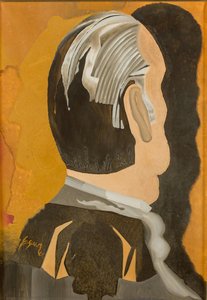
Vicente Escudero
1888 - 1980 , Spain
Osnovne informacije
- Artistic Movement Or Style: Flamenco Dance
- Artists Or Movements Influenced By This Artist: ['Antonio Gades']
- Artists Who Influenced This Artist: ['Joan Miró']
- Date Of Birth: Oct. 27, 1892
- Full Name: Vicente Escudero
- Nationality: Spanish
- Notable Artworks: ['El amor brujo']
- Place Of Birth: Valladolid, Spain

