

 Pregledaj u prostoru
 Pošalji
 Podeli
 Detalji o delu

 Преузми
 Slični predmeti
 Rendgenski snimak
 Slajdovi
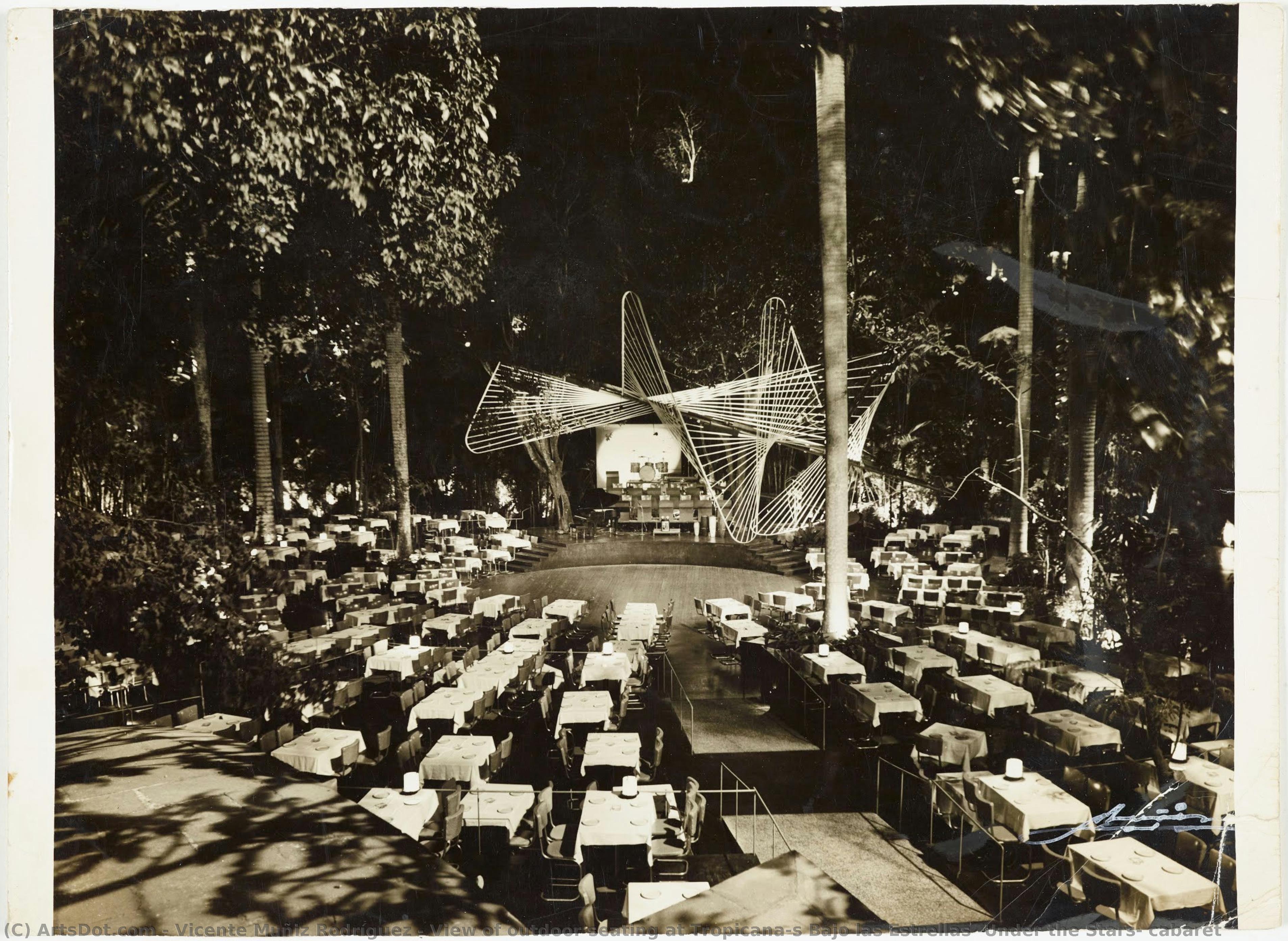
View of outdoor seating at Tropicana’s Bajo las Estrellas (Under the Stars) cabaret

 Pročitaj više
Ručno rađena uljana reprodukcija
Ručno oslikano uljanim bojama na platnu u dimenzijama i okviru po vašem izboru, izrađeno po porudžbini od strane naših umetnika. ( Kupi print Kupi digitalnu sliku)




































Izaberite jednu od naših unapred definisanih veličina koje odgovaraju originalnim proporcijama umetničkog dela.

Можете унети сопствене димензије како бисте прилагодили дело одређеном оквиру или простору. Ако одабрана величина не одговара пропорцијама оригинала, слика ће бити исечена или проширена додатним елементима који се ручно насликавају. Дигитални prikaz ће вам бити послат на одобрење пре почетка производње.
Имајте на уму да преглед на екрану не одражава стварно исецање или проширење. Само приказ (mockup) ће тачно приказати коначну композицију.
Иако су доступне прилагођене величине, препоручујемо да одаберете димензију из дефинисане листе како бисте сачували оригиналне пропорције.
Nakon narudžbine, tim ArtsDot.com će klijentu putem e-pošte poslati uputstva i dostaviti prikaz predloženog rešenja
Isporuka širom sveta () za 3/4 nedelje umesto uobičajenih 5 nedelja. (5 септембар). Bez kompromisa po pitanju kvaliteta.

Besplatna ekspresna dostava širom sveta

Visokokvalitetno laneno platno

Kompletno osiguranje transporta

Garancija povraćaja carine i uvoznih dažbina

Garancija vernosti boja

Politika povrata u roku od 60 dana (samo u slučaju nedostataka)

Garancija povrata novca od 100%

Popust pri grupnoj kupovini
 Opcija sa staklom dostupna je samo za dimenzije manje od 110 cm

View of outdoor seating at Tropicana’s Bajo las Estrellas (Under the Stars) cabaret
Tehnika reprodukcije
Dimenzije reprodukcije
-


Konačna cena
$ 263
Srodna umetnička dela







Biografija umetnika
Andrew Wyeth: A Vision of American Isolation
Andrew Newell Wyeth (1917 – 2009) remains one of the most distinctive and enduring figures in American art, a painter whose deeply personal vision resonated with a quiet intensity. Born in Portland, Maine, into an artistic family—his father, N.C. Wyeth, was a celebrated illustrator—Wyeth’s work evolved from early studies of his family to a profound exploration of the rural landscapes and people of Pennsylvania, particularly the small town of Cushing and its surrounding countryside. He wasn't interested in grand narratives or heroic figures; instead, he meticulously rendered scenes of everyday life, imbued with an atmosphere of melancholy, nostalgia, and a subtle sense of unease. Wyeth’s style was often described as “regionalist,” but it transcended simple depictions of place, becoming something far more complex—a meditation on memory, loss, and the enduring power of the past. His paintings are characterized by their meticulous detail, muted color palettes, and an uncanny ability to capture the essence of a moment in time.Early Influences and Artistic Training
Wyeth’s artistic journey began under the tutelage of his father, N.C. Wyeth, who instilled in him a love for drawing and painting from a young age. This early training focused on capturing the essence of nature—landscapes, animals, and portraits—with an emphasis on observation and technical skill. However, Wyeth’s artistic sensibilities were further shaped by other influential figures. He deeply admired Winslow Homer, whose masterful depictions of the sea and rural life served as a model for his own work. Henry David Thoreau's philosophy of connection with nature also profoundly impacted him, encouraging a contemplative approach to observation and an appreciation for the quiet beauty of the natural world. Later in his career, Wyeth cited King Vidor, the filmmaker known for his atmospheric storytelling, as another key influence, noting Vidor’s ability to evoke mood and emotion through visual composition. Wyeth's formal training included studies at the School of the Museum of Fine Arts, Boston, and later at the Lyme Art School in Connecticut, where he honed his skills in watercolor painting.The Christina’s World Series and a Defining Image
Perhaps Wyeth’s most famous work is *Christina's World* (1948), an oil on canvas depicting an elderly woman, Mary Abbott, walking slowly across a barren field towards a dilapidated farmhouse. The painting, now housed in the Museum of Modern Art in New York City, has become an iconic image of American art, representing themes of isolation, resilience, and the passage of time. The story behind *Christina’s World* is deeply personal to Wyeth; Mary Abbott was a neighbor who had suffered from polio as a child and lived a life of quiet seclusion. The painting isn't simply a portrait but an exploration of her spirit and dignity in the face of adversity. It’s also been interpreted as a reflection on Wyeth’s own family history, particularly his mother’s struggles with mental illness. The muted colors, the stark landscape, and the woman’s solitary figure all contribute to the painting's haunting atmosphere.Windows and the Exploration of Domestic Space
Beyond *Christina’s World*, Wyeth is renowned for his series of paintings depicting windows—a recurring motif that reveals a fascination with interior spaces and the way they frame our perception of the outside world. These works, often characterized by their meticulous detail and subtle shifts in light and shadow, offer glimpses into private lives and evoke a sense of intimacy. Wyeth’s approach to these subjects was remarkably detailed; he would spend hours observing windows, studying the reflections, the patterns of light, and the way they connected the interior with the exterior. He wasn't simply painting what he saw but capturing the *feeling* of being within those spaces—a sense of quiet contemplation, nostalgia, or even melancholy. These paintings are not merely representations of architecture; they’re explorations of human experience and memory.Legacy and Recognition
Andrew Wyeth's work has been celebrated throughout his career, earning him numerous accolades and establishing him as one of the most important American artists of the 20th century. He received the Presidential Medal of Freedom in 1988, a testament to his enduring contribution to American art. In 2007, he was elected to the French Academy of Beaux-Arts, an unprecedented honor for an American artist. Wyeth’s paintings continue to be exhibited and studied worldwide, captivating viewers with their quiet beauty, emotional depth, and profound sense of place. His legacy lies not only in his technical skill but also in his ability to evoke a powerful connection between the viewer and the subjects he portrays—a reminder of the enduring power of observation, memory, and the human spirit.
vicente muñiz rodríguez
1917 - 2007 , Cuba
Osnovne informacije
- Artistic Movement Or Style: Regionalist, Realist
- Artists Or Movements Influenced By This Artist:
- N.C. Wyeth
- Brandywine School
- Artists Who Influenced This Artist:
- Winslow Homer
- Henry David Thoreau
- King Vidor
- Date Of Birth: July 12, 1917
- Date Of Death: January 16, 2009
- Full Name: Andrew Newell Wyeth
- Nationality: American
- Notable Artworks:
- Christina's World
- Windows
- The Crow House
- Place Of Birth: Chadds Ford, Pennsylvania

