

 Pregledaj u prostoru
 Pošalji
 Podeli
 Detalji o delu

 Преузми
 Slični predmeti
 Rendgenski snimak
 Slajdovi
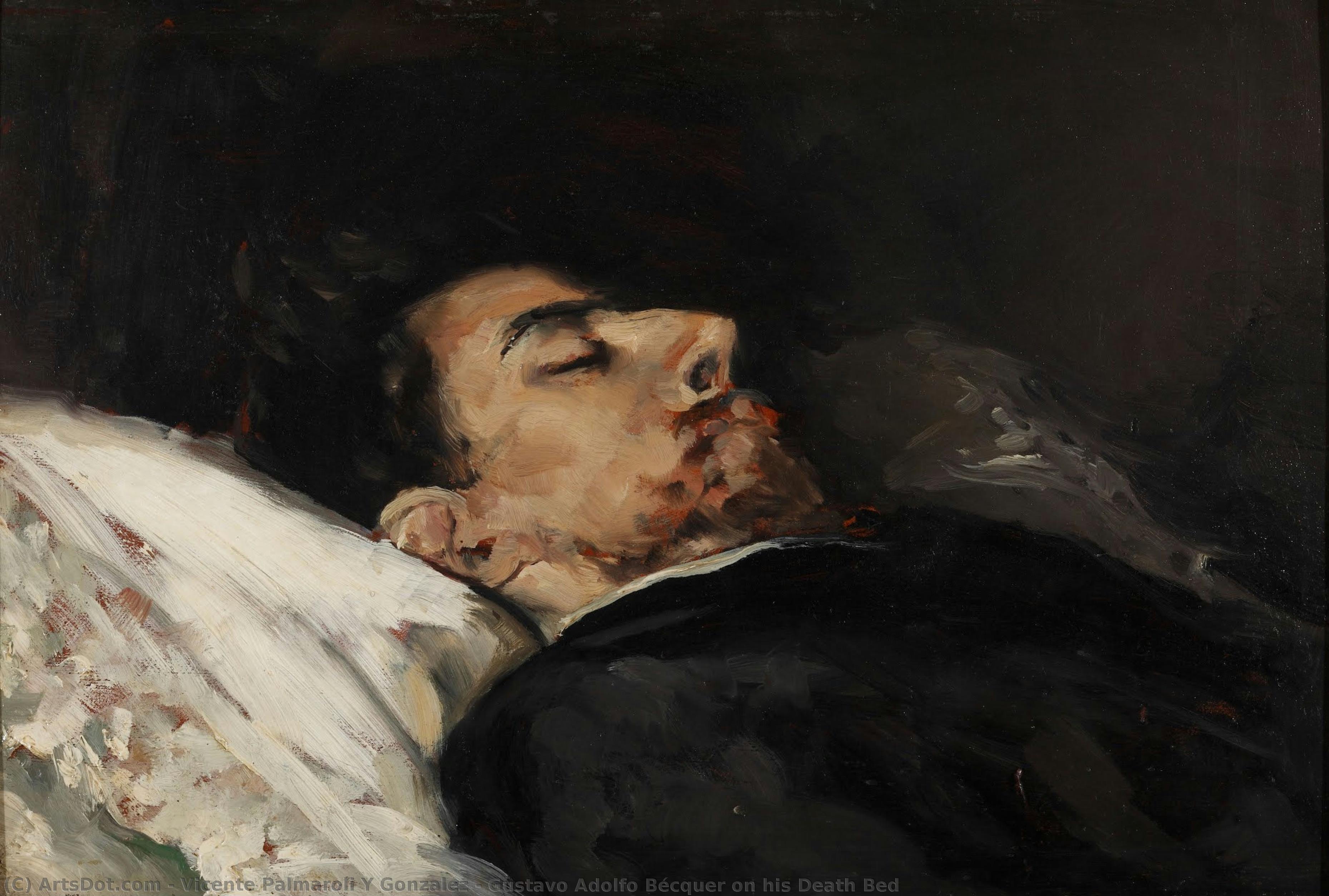
Gustavo Adolfo Bécquer on his Death Bed
 1870
1870 43.0 x 29.0 cm
 Museo Nacional del Romanticismo
 Pročitaj više
Giclee štampa / Umetnički otisak
Giclée štampa ili print na platnu muzejskog kvaliteta uz brzu proizvodnju i fleksibilne opcije završne obrade. ( Kupi ručno naslikanu sliku Kupi digitalnu sliku)




































Izaberite jednu od naših unapred definisanih veličina koje odgovaraju originalnim proporcijama umetničkog dela.

Možete uneti sopstvene dimenzije kako biste umetničko delo prilagodili specifičnom okviru ili prostoru. Ako odabrani format ne odgovara proporcijama originalne slike, mi ćemo ili iscrtati deo dela ili proširiti sliku pomoću ogledane ivice ili jednobojnog popunjavanja. Digitalni prikaz će vam biti poslat na odobrenje pre početka proizvodnje.
Imajte na umu da pregled na ekranu ne odražava stvarno iscrtavanje ili proširivanje. Samo će prikaz (mockup) precizno pokazati finalnu kompoziciju.
Iako su prilagođene dimenzije dostupne, preporučujemo da odaberete dimenziju sa unapred definisane liste kako biste očuvali originalne proporcije.
Dostava širom sveta () za 2 nedelje umesto uobičajenih 4/5 nedelja. (7 септембар)

Besplatna ekspresna dostava širom sveta

Visokokvalitetno laneno platno

Kompletno osiguranje transporta

Garancija povraćaja carine i uvoznih dažbina

Garancija vernosti boja

Politika povraćaja u roku od 100 dana (isključivo u slučaju nedostataka)

Garancija povrata novca od 100%

Popust pri grupnoj kupovini
 Opcija sa staklom dostupna je samo za dimenzije manje od 110 cm

Gustavo Adolfo Bécquer on his Death Bed
Giclee štampa / Umetnički otisak
Dimenzije reprodukcije
-


Konačna cena
$ 62
Srodna umetnička dela







Biografija umetnika
James McNeill Whistler: A Symphony of Light and Shadow
Born in Lowell, Massachusetts, in 1834, James Abbott McNeill Whistler’s artistic journey was a transatlantic odyssey, shaped by diverse influences and culminating in a uniquely evocative style. His early life, marked by a brief sojourn in Russia with his father, a civil engineer working on the railway to Moscow, instilled in him a deep appreciation for both European and Russian artistic traditions. This exposure, combined with a rigorous education at West Point – an experience he ultimately found unfulfilling – laid the groundwork for a career dedicated to pursuing his own artistic vision rather than adhering to prescribed military standards.
Whistler’s formal training began in Paris, a pivotal moment that propelled him far ahead of his American contemporaries who were then embarking on similar journeys. He enrolled at the École des Beaux-Arts, immersing himself in the academic traditions of Gustave Courbet and Henri Fantin-Latour, yet quickly recognizing that these established methods wouldn't satisfy his artistic hunger. Instead, he sought inspiration from a broader range of sources – Dutch Baroque masters like Rembrandt and Vermeer, Spanish painters such as Velázquez, and contemporary French artists experimenting with new approaches to light and color. This eclectic approach, coupled with his own keen observation and sensitivity, would ultimately define the distinctive character of his work.
The Pursuit of “Art for Art’s Sake”
Returning to America briefly before settling permanently in England in 1859, Whistler quickly established himself as a figure of considerable artistic distinction. He rejected the prevailing Victorian emphasis on moralistic subject matter and sentimental narratives, instead championing the principle of "art for art's sake"—the idea that art should exist solely for its aesthetic value, independent of any didactic or narrative purpose. This radical stance challenged conventional notions of what constituted “good” art and positioned Whistler as a leading voice in the burgeoning Aesthetic movement.
Whistler’s artistic philosophy extended beyond his subject matter to encompass his approach to composition and color. He believed that paintings should resemble musical scores, prioritizing tonal harmony and visual resonance over literal representation. This concept is vividly illustrated in works like *Nocturne in Black and Gold, the Falling Rocket* (1872), where he sought to capture not just a scene but an atmosphere—a fleeting moment of light and shadow imbued with emotional depth. His use of muted colors, often applied in thin washes, created a luminous effect that evoked the subtle nuances of twilight or moonlight.
Key Works and Innovations
Whistler’s oeuvre encompasses a diverse range of subjects, including portraits, landscapes, and interiors. However, he is perhaps most renowned for his evocative depictions of London at night—the “nocturnes”—which became his signature style. *Arrangement in Grey and Black No. 1*, commonly known as *Whistler’s Mother* (1871), remains arguably his most famous work, a deceptively simple portrait that has been endlessly interpreted and parodied. The painting's enduring appeal lies not only in its technical mastery but also in its poignant portrayal of maternal love and the quiet dignity of everyday life.
Beyond *Whistler’s Mother*, other notable works include *The Thames at Sunset* (1874), a masterful study of light and color, and *Portrait of Chester Wilmot* (1875), a striking example of his ability to capture the essence of his subjects through subtle gestures and expressions. Whistler also made significant contributions to printmaking, producing exquisite etchings and lithographs that further explored his fascination with tonal harmony and visual resonance.
Legacy and Influence
James McNeill Whistler’s impact on the art world was profound and far-reaching. He challenged conventional artistic values, championed the principle of “art for art's sake,” and influenced a generation of artists who sought to break free from academic constraints and explore new forms of expression. His aesthetic theories—his emphasis on tonal harmony, his rejection of narrative subject matter, and his belief in the independent value of art—continue to resonate today.
Furthermore, Whistler’s association with prominent figures such as Oscar Wilde and William Morris cemented his position as a key figure in the Aesthetic movement. His work helped to shape the broader cultural landscape of late 19th-century England, contributing to a shift away from Victorian moralism towards a more individualistic and expressive sensibility. James McNeill Whistler remains a significant artist whose innovative approach to painting continues to inspire and captivate audiences worldwide.
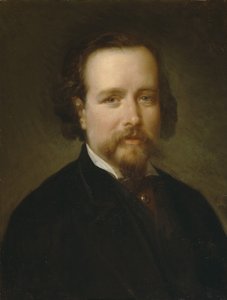
vicente palmaroli y gonzalez
1834 - 1896
Osnovne informacije
- Artistic Movement Or Style: Aestheticism, Tonalism
- Artists Or Movements Influenced By This Artist:
- Aesthetic Movement
- Impressionism
- Artists Who Influenced This Artist:
- Rembrandt
- Vermeer
- Velázquez
- Date Of Birth: July 10, 1834
- Date Of Death: July 17, 1903
- Full Name: James Abbott McNeill Whistler
- Nationality: American-British
- Notable Artworks:
- Arrangement in Grey and Black No. 1
- Whistler’s Mother
- Nocturne in Black and Gold
- Place Of Birth: Lowell, Massachusetts, USA