

 Pregledaj u prostoru
 Pošalji
 Podeli
 Detalji o delu

 Преузми
 Slični predmeti
 Rendgenski snimak
 Slajdovi
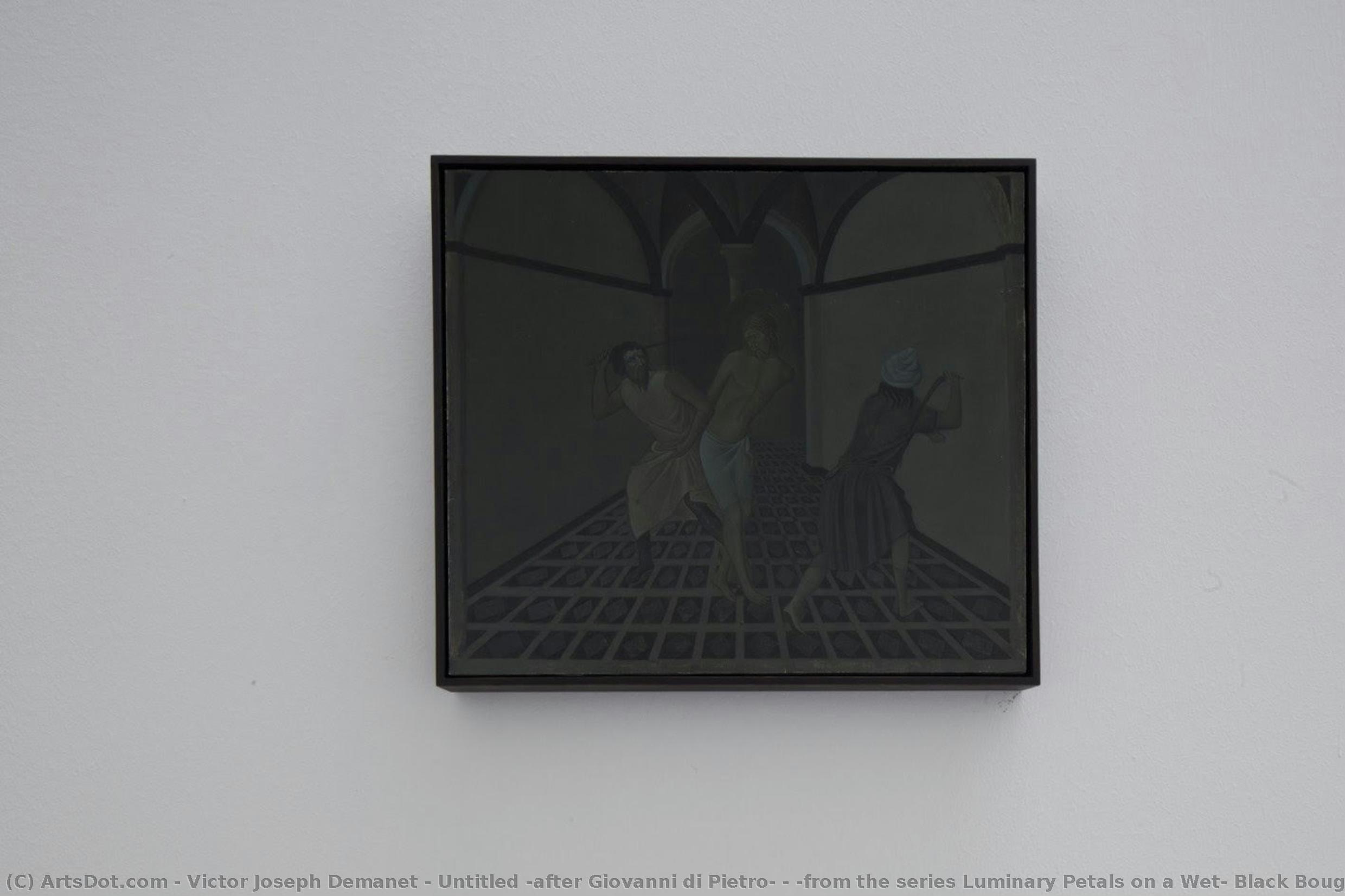
Неименовано (по Гвидо ди Пиетро) - (из серии Луминар Петли на мокрому черном лозу)


 Pročitaj više
Kupite digitalnu sliku visoke rezolucije i poboljšanog kvaliteta, koja je znatno superiornija od onoga što vidite u online prikazu.
Svaka datoteka je pedantno pripremljena od strane naših stručnjaka koristeći napredne alate i profesionalnu ručnu retušu. Osiguravamo da svaka slika ima izuzetnu oštrinu, preciznu reprodukciju boja i fine detalje.
Konačna datoteka se dostavlja putem e-pošte u roku od 72 sata, optimizovana za neposrednu upotrebu u profesionalnim, izdavačkim i štamparskim okruženjima. To je isti kvalitet kojem veruju vrhunski studiji dizajna, izdavači i galerije.
Digitalna slika
Preuzmite datoteku visoke rezolucije za ličnu upotrebu, štampanje i kreativne projekte. ( Kupi print Kupi ručno naslikanu sliku)
Uključeno uz svaku porudžbinu digitalne slike
Profesionalna digitalna isporuka, zagarantovana
Kada odaberete ArtsDot.com, ne dobijate samo sliku – vi primate profesionalno unapređeno digitalno umetničko delo, izrađeno sa najvećom preciznošću i uz garanciju zadovoljstva. Evo svega što automatski dolazi uz vašu porudžbinu:

Brza dostava putem e-pošte
Vaša digitalna slika visoke rezolucije biće vam poslata putem e-pošte u roku od 72 sata od poručivanja – spremna za trenutnu upotrebu.

Digitalna datoteka unapređena veštačkom inteligencijom
Vaše umetničko delo je profesionalno optimizovano korišćenjem naprednih AI alata i ručne obrade, čime se osiguravaju maksimalni detalji, oštrina i preciznost boja.

Besplatna ponovna isporuka doživotno
Slučajno ste obrisali ili izgubili svoju datoteku? Ne brinite – poslaćemo vam je ponovo u bilo kom trenutku, potpuno besplatno.

Bez troškova uvoza – zauvek
Uživajte u svojim umetničkim delima trenutno, bez carine, dažbina ili troškova dostave – digitalni download je uvek bez poreza.

Garancija vernosti boja
Uz pomoć profesionalnih alata i upravljanja bojama, osiguravamo da vaša digitalna slika što vernije odražava originalne boje.

Garancija zadovoljstva u roku od 60 dana
Ako niste zadovoljni svojom digitalnom slikom, revidirat ćemo je ili vratiti 100% novca u roku od 60 dana – bez ikakvih pitanja.

100% garancija povrata novca
Niste zadovoljni? Obezbedite pun povrat novca u roku od 60 dana od trenutka kada ste primili svoju digitalnu datoteku – bez suvišnih pitanja.

Popusti na velike porudžbine
Kupite 3 slike, uštedite 10% - Kupite 5 slika, uštedite 15% - Kupite 10+ slika, uštedite 20%. Odlično za kreativne projekte, galerije i agencije.
Opis kolekcionarskog dela
Victor Man's Haunting Vision: An Exploration of Surrealist Symbolism in "Untitled (after Giovanni di Pietro)"
Victor ManBorn in Cluj-Napoca, Romania, in 1974.He lives and works in Berlin, Germany, and Cluj-Napoca.This enigmatic painting by Victor Man—titled “Untitled (after Giovanni di Pietro)” from the series “Luminary Petals on a Wet, Black Bough”—captures a moment of profound contemplation amidst unsettling imagery. Created in 2015, it exemplifies the artist’s signature style: a meticulous blend of surrealist influences and historical references, specifically drawing inspiration from Italian proto-Renaissance art known for its dramatic chiaroscuro—the masterful manipulation of light and shadow. The artwork immediately draws the viewer into a darkened space dominated by grayscale tones, fostering an atmosphere of mystery and psychological depth.- Subject Matter: At first glance, the painting depicts several figures positioned within what appears to be a stylized architectural interior—perhaps a corridor or room—suggesting a scene fraught with tension and unspoken narratives. The central figure is seated, holding aloft a decapitated head, an image laden with symbolic significance that echoes biblical tales of sacrifice and transformation.
- Style & Technique: Man’s approach leans heavily into surrealism, mirroring the artistic explorations of artists like Salvador Dalí and René Magritte. The artist employs a restrained technique—likely oil paint on canvas—characterized by layered brushstrokes and subtle blending to achieve remarkable tonal gradation. Texture is minimal, prioritizing clarity of form and emphasizing geometric shapes that contribute to the painting’s claustrophobic aesthetic.
- Historical Context: Man's artistic sensibilities are rooted in a tradition of artists who grapple with existential themes—particularly those exploring the boundaries between life and death. The motif of decapitation, recurrent throughout his oeuvre, harkens back to iconic depictions in art history, notably Judith and Holofernes and Salome and John the Baptist, referencing narratives that confront notions of vulnerability and divine judgment.
- Symbolism: Beyond its formal elements, “Untitled” vibrates with symbolic resonance. The grayscale palette amplifies the painting’s emotional impact—creating a palpable sense of unease and prompting viewers to consider themes of fear, contemplation, and psychological disturbance. The ambiguous gender identity of the seated figure underscores Man's fascination with challenging conventional artistic representations.
- Emotional Impact: Ultimately, Victor Man’s “Untitled (after Giovanni di Pietro)” transcends mere visual representation; it invites introspection. Like a carefully crafted puzzle, the painting offers no easy answers but compels us to confront unsettling truths about human existence—a testament to the artist's ability to distill complex ideas into hauntingly beautiful imagery.
Detailed Examination of Composition and Lighting
The artwork’s composition is deliberately flattened, mirroring the stylistic conventions of early Renaissance painters who prioritized perspective as a tool for conveying depth. However, rather than striving for realistic spatial illusion, Man utilizes geometric shapes—primarily rectangles—to delineate the architectural space, reinforcing its sense of confinement. The directional lighting casts dramatic shadows that sculpt the figures’ forms and heighten the painting's unsettling atmosphere. This technique—characteristic of chiaroscuro—was perfected by artists like Leonardo da Vinci and Michelangelo, elevating visual drama to new heights.References to Literary Traditions & Artistic Influences
Man draws inspiration from literary sources that explore thresholds of human experience—particularly those confronting mortality. The recurring motif of decapitation finds its roots in biblical narratives and artistic precedents spanning centuries, symbolizing sacrifice, pain, and the confrontation with death’s inevitability. Artists like Judith and Holofernes and Salome and John the Baptist served as pivotal references for Man, demonstrating how art can convey profound psychological and spiritual truths.Material Considerations & Artistic Skill
The artist skillfully employs oil paint on canvas—a medium favored by masters of the Renaissance and Baroque periods—to achieve remarkable tonal range and textural subtlety. Precise layering and blending techniques ensure that every nuance of grayscale is rendered with meticulous care, resulting in an artwork that embodies both technical mastery and artistic vision.Srodna umetnička dela

Biografija umetnika
A Life Sculpted in Bronze: The Story of Victor Demanet
Victor Joseph Ghislain Demanet, born February 3rd, 1895, in the Belgian town of Givet near Namur, was an artist whose life and work were deeply intertwined with the artistic currents of his time. Though initially destined to follow in his parents’ footsteps as an antique dealer, a burgeoning passion for sculpture led him down a different path—one that would see him exhibit at prestigious salons, compete on the Olympic stage, and leave behind a legacy of dynamic, emotionally resonant works. Demanet's early education included studies at the Academy of Fine Arts in Namur, but it was a sojourn to Paris in 1921 that proved pivotal. Immersed in the city’s vibrant art scene, he found inspiration in the sculptures of masters like Rude, Carpeaux, and Rodin, solidifying his commitment to three-dimensional form. He returned to Belgium, settling first in Namur before ultimately establishing himself in Brussels in 1926—a move that would mark a significant period of artistic productivity.Influences and Artistic Development
Demant’s formative years were significantly shaped by Constantin Meunier, the Belgian realist painter and sculptor known for his depictions of working-class life. Meunier's focus on social themes resonated deeply with Demanet, influencing his early exploration of human labor and strength in sculpture. This initial direction was tempered by a fascination with classical forms and the expressive power of Romantic sculpture encountered during his time in Paris. He skillfully blended these influences, creating works that were both grounded in reality and imbued with a sense of dramatic energy. His participation in the Salon des Artistes Français—where he became a member after receiving recognition for his bust of Bonaparte in 1923—provided crucial exposure and validation. This period saw him establish himself as a talented portraitist, undertaking numerous public commissions while simultaneously pursuing more personal artistic endeavors.Olympic Aspirations and Public Recognition
A unique facet of Demanet’s career was his involvement in the Olympic Games art competitions. He submitted works to the games in 1924, 1932, and 1936—a testament to his ambition and the growing recognition of sculpture as a legitimate form of artistic expression within the broader cultural context of the era. While specific details regarding his submissions vary, these entries demonstrate his commitment to representing athletic ideals through sculptural form. Beyond the Olympics, Demanet’s talent was acknowledged with appointments as a Knight of the Leopold Order in 1937 and an Officer in 1961, further solidifying his standing within Belgian society. He also received the honor of being named a Knight of the Legion of Honor in 1947.The Legacy of ‘Luminary Petals’ and Beyond
Demant is perhaps best known for his series of sculptures titled “Luminary Petals on a Wet, Black Bough.” These works—often rendered in bronze with delicate gold outlines—are characterized by their abstract floral forms and evocative titles. They possess a unique quality, suggesting both fragility and resilience, capturing a fleeting moment of beauty amidst darkness. Beyond this signature series, Demanet produced numerous large-scale sculptures depicting physical work and powerful movement, as well as over one hundred medals honoring public and private figures. His statue of King Leopold II in Namur stands as a prominent example of his skill in monumental sculpture.A Lasting Impression
Victor Demanet passed away on February 7th, 1964, in Ixelles, Brussels, leaving behind a body of work that reflects the artistic sensibilities of the early to mid-20th century. His sculptures—blending realism with dramatic flair and abstract beauty—continue to captivate audiences today. He was an artist who successfully navigated the demands of public commissions while pursuing his own unique vision, creating works that celebrate both human strength and the ephemeral nature of beauty. Demanet’s legacy lies not only in the enduring quality of his sculptures but also in his ability to capture a sense of emotion and movement within the solid form of bronze—a testament to his skill as a sculptor and his deep understanding of the human spirit.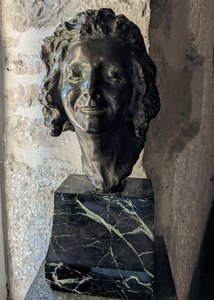
victor joseph demanet
1895 - 1964 , Belgium
Kratke činjenice
- Artistic Movement Or Style: Art Deco, Social Art
- Artists Who Influenced This Artist:
- Constantin Meunier
- Rodin
- Rude
- Carpeaux
- Date Of Birth: February 3, 1895
- Date Of Death: February 7, 1964
- Full Name: Victor Joseph Demanet
- Nationality: Belgian
- Notable Artworks:
- Luminary Petals series
- Hercules
- Olympic works
- Place Of Birth: Brussels, Belgium

