

 Pregledaj u prostoru
 Pošalji
 Podeli
 Detalji o delu

 Преузми
 Slični predmeti
 Rendgenski snimak
 Slajdovi
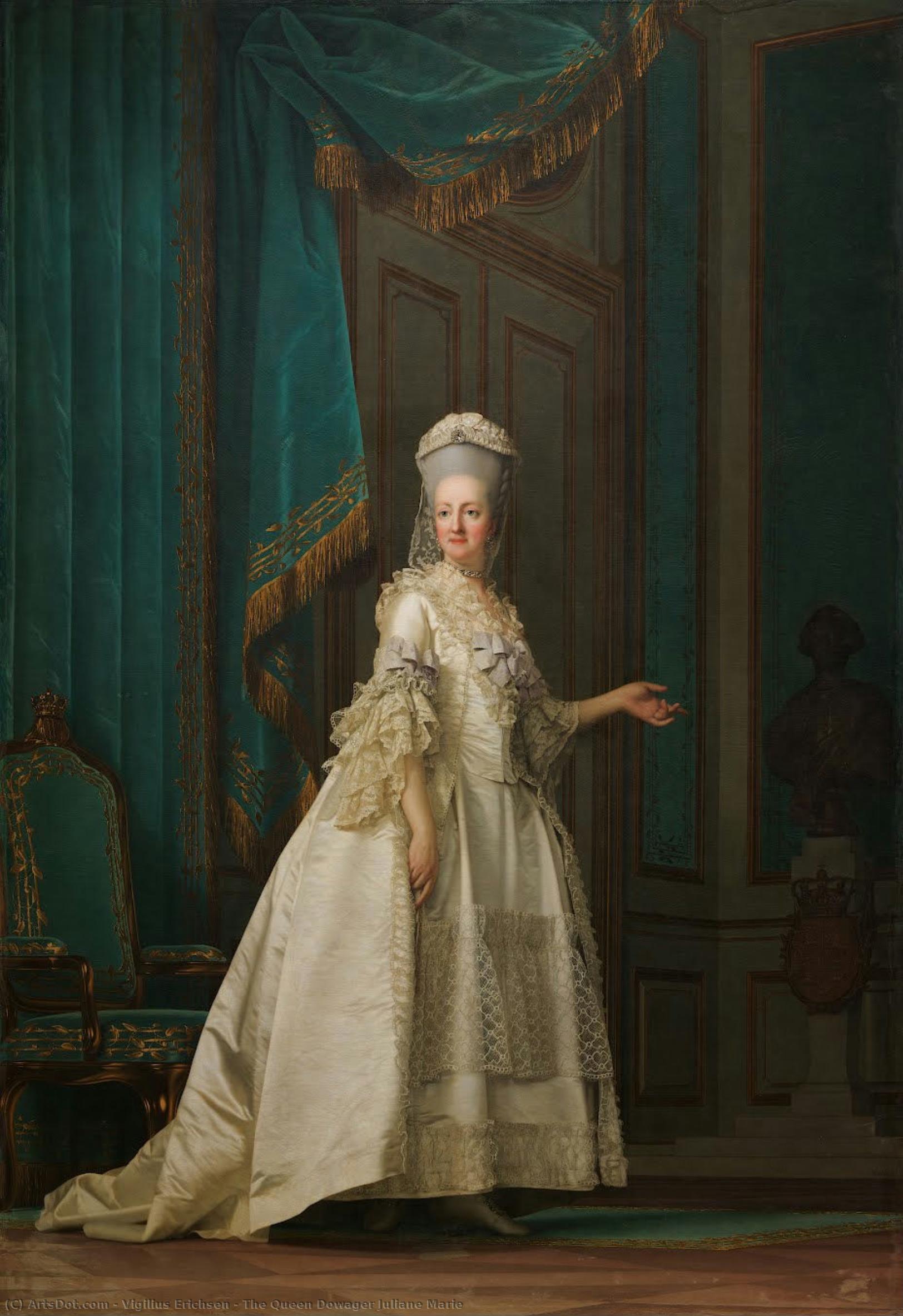
The Queen Dowager Juliane Marie
 Oil On Canvas
- WallArt
- Baroque
 1776
1776 194.0 x 284.0 cm
 Nacionalna galerija Danske
 Pročitaj više
Kupite digitalnu sliku visoke rezolucije i poboljšanog kvaliteta, koja je znatno superiornija od onoga što vidite u online prikazu.
Svaka datoteka je pedantno pripremljena od strane naših stručnjaka koristeći napredne alate i profesionalnu ručnu retušu. Osiguravamo da svaka slika ima izuzetnu oštrinu, preciznu reprodukciju boja i fine detalje.
Konačna datoteka se dostavlja putem e-pošte u roku od 72 sata, optimizovana za neposrednu upotrebu u profesionalnim, izdavačkim i štamparskim okruženjima. To je isti kvalitet kojem veruju vrhunski studiji dizajna, izdavači i galerije.
Digitalna slika
Preuzmite datoteku visoke rezolucije za ličnu upotrebu, štampanje i kreativne projekte. ( Kupi print Kupi ručno naslikanu sliku)
Uključeno uz svaku porudžbinu digitalne slike
Profesionalna digitalna isporuka, zagarantovana
Kada odaberete ArtsDot.com, ne dobijate samo sliku – vi primate profesionalno unapređeno digitalno umetničko delo, izrađeno sa najvećom preciznošću i uz garanciju zadovoljstva. Evo svega što automatski dolazi uz vašu porudžbinu:

Brza dostava putem e-pošte
Vaša digitalna slika visoke rezolucije biće vam poslata putem e-pošte u roku od 72 sata od poručivanja – spremna za trenutnu upotrebu.

Digitalna datoteka unapređena veštačkom inteligencijom
Vaše umetničko delo je profesionalno optimizovano korišćenjem naprednih AI alata i ručne obrade, čime se osiguravaju maksimalni detalji, oštrina i preciznost boja.

Besplatna ponovna isporuka doživotno
Slučajno ste obrisali ili izgubili svoju datoteku? Ne brinite – poslaćemo vam je ponovo u bilo kom trenutku, potpuno besplatno.

Bez troškova uvoza – zauvek
Uživajte u svojim umetničkim delima trenutno, bez carine, dažbina ili troškova dostave – digitalni download je uvek bez poreza.

Garancija vernosti boja
Uz pomoć profesionalnih alata i upravljanja bojama, osiguravamo da vaša digitalna slika što vernije odražava originalne boje.

Garancija zadovoljstva u roku od 60 dana
Ako niste zadovoljni svojom digitalnom slikom, revidirat ćemo je ili vratiti 100% novca u roku od 60 dana – bez ikakvih pitanja.

100% garancija povrata novca
Niste zadovoljni? Obezbedite pun povrat novca u roku od 60 dana od trenutka kada ste primili svoju digitalnu datoteku – bez suvišnih pitanja.

Popusti na velike porudžbine
Kupite 3 slike, uštedite 10% - Kupite 5 slika, uštedite 15% - Kupite 10+ slika, uštedite 20%. Odlično za kreativne projekte, galerije i agencije.
The Queen Dowager Juliane Marie: A Portrait of Intrigue and Reflection
- Subject: This captivating portrait depicts Juliane Marie, the second wife of King Frederic 5 of Denmark, a figure shrouded in political drama and personal resilience. Commissioned by Vigilius Eriksen in 1776, it offers an intimate glimpse into the life of a woman navigating the turbulent currents of the Danish court.
- Artist: The work is the product of Vigilius Eriksen (1722-1782), a prominent court painter whose career was marked by both artistic skill and involvement in the intrigues of the era. Eriksen’s background as a court painter in St. Petersburg, evidenced by his earlier mirror image portrait of the Russian Queen, informs the sophisticated symbolism embedded within this piece.
A Masterful Composition: Technique and Style
- Technique: Eriksen’s meticulous brushwork is immediately apparent in the rendering of Juliane Marie's dress – a cascade of white silk adorned with delicate lace. The artist skillfully employs chiaroscuro, creating dramatic contrasts between light and shadow that emphasize the subject’s form and presence. The use of oil paint allows for rich colors and subtle gradations, contributing to the overall sense of realism.
- Style: The portrait adheres to the Rococo style prevalent in Denmark during the late 18th century, characterized by its elegance, grace, and attention to detail. However, Eriksen subtly departs from purely decorative conventions, imbuing the work with a sense of psychological depth.
Symbolism and Narrative
- The Doorway: The open doorway through which Juliane Marie gazes is more than just a compositional element; it represents transition, perhaps reflecting her own journey from a marginalized position to one of influence. It suggests a hidden world beyond the confines of the portrait itself, inviting the viewer to contemplate her story.
- The Bust of Frederic V: The dark bust of her late husband is a poignant symbol of remembrance and loss. Eriksen’s deliberate choice to have Juliane Marie point towards it creates a powerful visual dialogue – a testament to her enduring grief while simultaneously asserting her own authority. This "picture within the picture" technique, reminiscent of Eriksen's earlier work with the Russian Queen, elevates the portrait beyond a simple likeness and transforms it into a complex meditation on memory, power, and identity.
Historical Context and Significance
- Political Intrigue: The painting was created during a period of intense political maneuvering within the Danish court. Juliane Marie’s role in the 1772 coup against Struensee highlights her agency and determination, qualities subtly conveyed through her confident posture and direct gaze.
- National Gallery Treasure: Currently housed at the National Gallery of Denmark in Copenhagen, this portrait represents a significant piece of Danish art history, offering invaluable insight into the lives and personalities of those who shaped the nation’s destiny. Its dimensions – 194 x 284 cm – ensure it commands attention within any setting.
Srodna umetnička dela


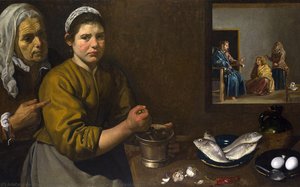
Biografija umetnika
Adriaen van der Werff: A Courtier’s Painter of Intrigue and Grace
Born in Rotterdam in 1659, Adriaen van der Werff emerged from a family steeped in the artistic traditions of the Dutch Golden Age. While his father, Eglon van der Neer, was a respected drapery painter known for his meticulous detail and ability to capture the texture of fabrics, young Adriaen quickly distinguished himself with an aptitude for portraiture – a genre that would define his career and ultimately secure his place as one of the most celebrated artists of his era. His early training involved mastering the intricacies of clothing and composition under van der Neer’s tutelage, laying the groundwork for his later success in depicting figures with remarkable realism and elegance.
Van der Werff's artistic journey took him beyond Rotterdam, first to Düsseldorf where he honed his skills and established a studio. It was here that he began to develop his signature style – a refined blend of Baroque influence and a subtle sensuality that would captivate the European aristocracy. He wasn’t merely a recorder of likenesses; he possessed an uncanny ability to imbue his subjects with personality, capturing their moods and gestures with remarkable precision. This talent proved particularly valuable when he was summoned to the court of Johann Wilhelm, Elector Palatine, in 1703, where he quickly ascended to the position of official court painter – a prestigious honor that afforded him unparalleled access to the wealthy and influential circles of Europe.
- Early Works & The Medici Connection: Van der Werff’s early commissions included portraits for the prominent Medici family in Florence, Italy. These works showcased his burgeoning talent and established his reputation as a skilled portraitist capable of capturing the grandeur and sophistication of the Italian aristocracy.
- Royal Patronage: His appointment as court painter to the Elector Palatine marked a turning point in his career. He produced numerous portraits of members of the royal family, including Prince John Churchill, later the 1st Duke of Marlborough, and Gian Gastone de’ Medici, Grand Duke of Tuscany. These commissions not only provided him with financial security but also exposed his work to a wider audience.
- A Master of Detail: Van der Werff's meticulous attention to detail is evident in every brushstroke. He skillfully rendered fabrics, jewelry, and hairstyles, creating portraits that are both visually stunning and remarkably lifelike.
The Court Painter Extraordinaire
Van der Werff’s career reached its zenith during his tenure as court painter to the Elector Palatine and later the Grand Duke of Tuscany. He was renowned for his ability to capture the essence of his subjects, imbuing each portrait with a sense of dignity, power, and grace. His portraits were not simply representations of appearance; they were carefully constructed narratives that revealed the personalities and aspirations of those depicted.
His work during this period is particularly notable for its erotic undertones – a characteristic that has both fascinated and perplexed art historians. While some scholars have interpreted these depictions as evidence of Van der Werff’s libertine tendencies, others argue that they represent a sophisticated understanding of the interplay between beauty, desire, and social convention. Regardless of their precise meaning, these images demonstrate Van der Werff's willingness to explore the complexities of human relationships and challenge conventional notions of decorum.
The patronage he received from powerful figures like Marlborough and the Medici family allowed him to indulge in lavish commissions and amass a considerable fortune. He became one of the most sought-after portraitists in Europe, commanding high fees for his services and enjoying the admiration of his peers.
A Forgotten Master?
Despite his immense popularity during his lifetime, Van der Werff’s reputation suffered a decline in the 19th century. Critics accused him of lacking originality and of relying too heavily on established conventions. However, recent scholarship has begun to reassess his work, recognizing its enduring qualities and highlighting his significant contribution to the development of Dutch portraiture.
His ability to capture the nuances of human emotion, combined with his masterful technique, ensures that Van der Werff remains a vital figure in the history of art. The rediscovery of his oeuvre offers a fascinating glimpse into the world of European courts and the complex social dynamics of the 18th century – a world where art was both a reflection of power and a tool for shaping perceptions.
Legacy and Influence
Adriaen van der Werff’s influence extends far beyond his own artistic output. His brother, Pieter van der Werff, became his principal pupil and continued to develop the family's artistic legacy. The techniques and stylistic elements honed by Adriaen were passed down through generations, ensuring that the Van der Werff name remained synonymous with excellence in portraiture.
Furthermore, Van der Werff’s work served as a model for subsequent generations of artists, inspiring them to explore the possibilities of capturing human emotion and portraying subjects with both realism and elegance. His legacy continues to resonate today, reminding us of the enduring power of art to illuminate the complexities of human experience.
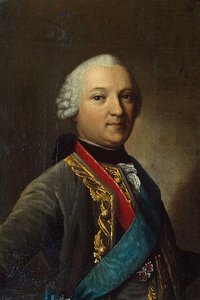
vigilius erichsen
1722 - 1782 , Denmark
Kratke činjenice
- Artistic Movement Or Style: Baroque, Erotic
- Artists Or Movements Influenced By This Artist: ['Rembrandt']
- Artists Who Influenced This Artist: ['Eglon van der Neer']
- Date Of Birth: January 21, 1659
- Date Of Death: November 12, 1722
- Full Name: Adriaen van der Werff
- Nationality: Dutch
- Notable Artworks:
- Portrait of Marlborough
- Medici portraits
- Cosimo III portrait
- Place Of Birth: Rotterdam, Netherlands

