

 Pregledaj u prostoru
 Pošalji
 Podeli
 Detalji o delu

 Преузми
 Slični predmeti
 Rendgenski snimak
 Slajdovi
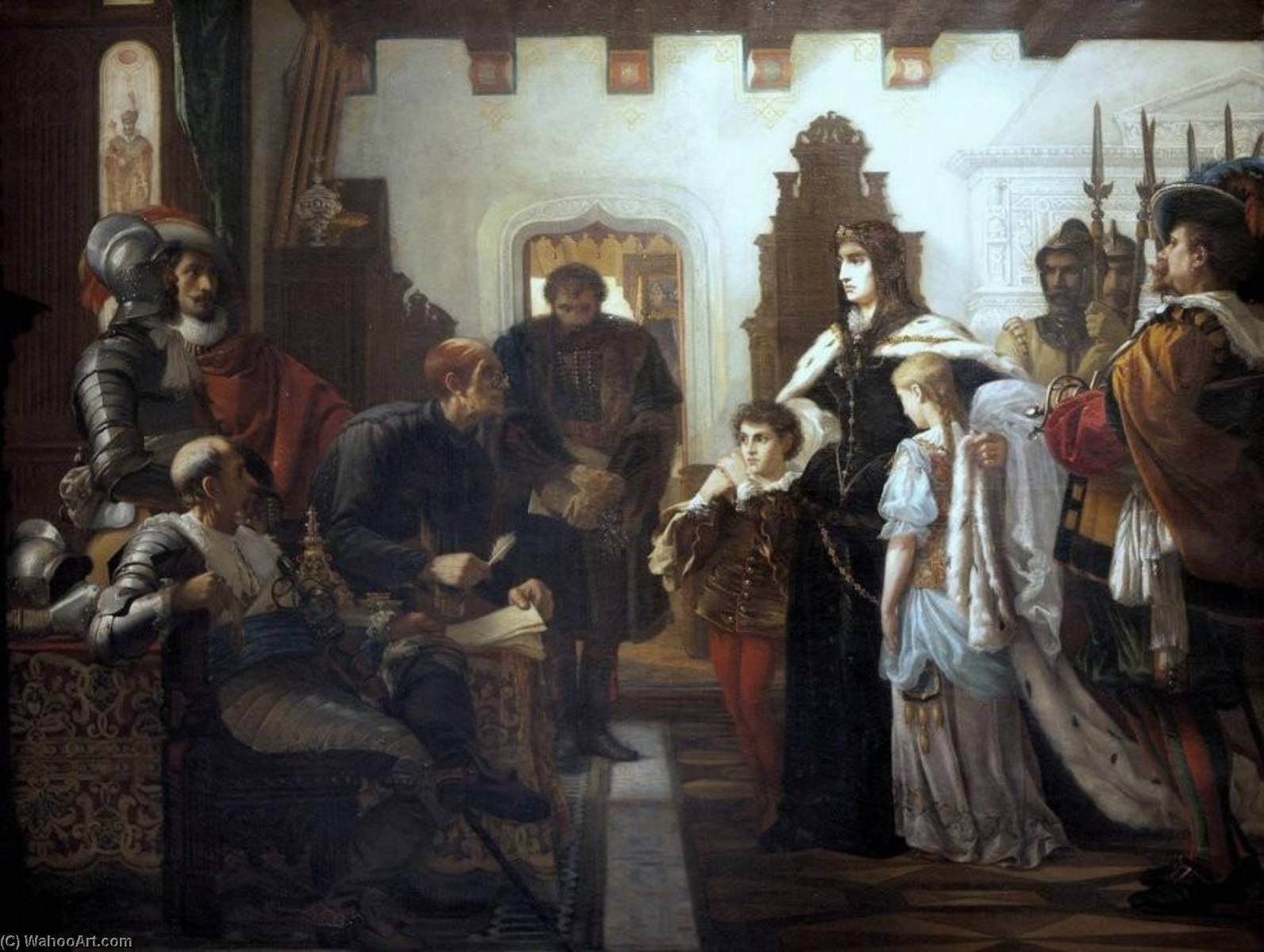
Ilona Zrínyi Before the Investigating Judge
 1859
1859 146.0 x 185.0 cm
 Pročitaj više
Kupite digitalnu sliku visoke rezolucije i poboljšanog kvaliteta, koja je znatno superiornija od onoga što vidite u online prikazu.
Svaka datoteka je pedantno pripremljena od strane naših stručnjaka koristeći napredne alate i profesionalnu ručnu retušu. Osiguravamo da svaka slika ima izuzetnu oštrinu, preciznu reprodukciju boja i fine detalje.
Konačna datoteka se dostavlja putem e-pošte u roku od 72 sata, optimizovana za neposrednu upotrebu u profesionalnim, izdavačkim i štamparskim okruženjima. To je isti kvalitet kojem veruju vrhunski studiji dizajna, izdavači i galerije.
Digitalna slika
Preuzmite datoteku visoke rezolucije za ličnu upotrebu, štampanje i kreativne projekte. ( Kupi print Kupi ručno naslikanu sliku)
Uključeno uz svaku porudžbinu digitalne slike
Profesionalna digitalna isporuka, zagarantovana
Kada odaberete ArtsDot.com, ne dobijate samo sliku – vi primate profesionalno unapređeno digitalno umetničko delo, izrađeno sa najvećom preciznošću i uz garanciju zadovoljstva. Evo svega što automatski dolazi uz vašu porudžbinu:

Brza dostava putem e-pošte
Vaša digitalna slika visoke rezolucije biće vam poslata putem e-pošte u roku od 72 sata od poručivanja – spremna za trenutnu upotrebu.

Digitalna datoteka unapređena veštačkom inteligencijom
Vaše umetničko delo je profesionalno optimizovano korišćenjem naprednih AI alata i ručne obrade, čime se osiguravaju maksimalni detalji, oštrina i preciznost boja.

Besplatna ponovna isporuka doživotno
Slučajno ste obrisali ili izgubili svoju datoteku? Ne brinite – poslaćemo vam je ponovo u bilo kom trenutku, potpuno besplatno.

Bez troškova uvoza – zauvek
Uživajte u svojim umetničkim delima trenutno, bez carine, dažbina ili troškova dostave – digitalni download je uvek bez poreza.

Garancija vernosti boja
Uz pomoć profesionalnih alata i upravljanja bojama, osiguravamo da vaša digitalna slika što vernije odražava originalne boje.

Garancija zadovoljstva u roku od 60 dana
Ako niste zadovoljni svojom digitalnom slikom, revidirat ćemo je ili vratiti 100% novca u roku od 60 dana – bez ikakvih pitanja.

100% garancija povrata novca
Niste zadovoljni? Obezbedite pun povrat novca u roku od 60 dana od trenutka kada ste primili svoju digitalnu datoteku – bez suvišnih pitanja.

Popusti na velike porudžbine
Kupite 3 slike, uštedite 10% - Kupite 5 slika, uštedite 15% - Kupite 10+ slika, uštedite 20%. Odlično za kreativne projekte, galerije i agencije.
Opis kolekcionarskog dela
The Artist and His Work
Viktor Madarász was a prominent figure in Hungarian art, known for his historical paintings that often depicted scenes from the country's rich history. His work is characterized by attention to detail and a deep understanding of the subjects he portrayed. In Ilona Zrínyi Before the Investigating Judge, Madarász showcases his skill in capturing the essence of a dramatic moment.The Painting's Significance
The painting tells the story of Ilona Zrínyi, a Hungarian noblewoman who played a key role in the country's struggle for independence. The scene depicts her standing before an investigating judge, surrounded by other figures from the time period. The atmosphere is tense, with a sense of drama and urgency palpable throughout the piece.- The use of color and light in the painting adds to its emotional impact, with warm tones and soft lighting creating a sense of intimacy and vulnerability.
- The attention to historical detail is also noteworthy, with Madarász carefully recreating the clothing, furniture, and other elements of the time period.
- For those interested in learning more about Viktor Madarász and his work, https://ArtsDot.com offers a range of resources, including information on his life and career, as well as high-quality reproductions of his paintings.
The Magyar Nemzeti Galéria is also a great resource for those interested in learning more about Hungarian art and history, with a vast collection of paintings, sculptures, and other works on display.
Srodna umetnička dela









Biografija umetnika
Albert Bierstadt: A Titan of the American West
Born in Düsseldorf, Germany, in 1830, Albert Bierstadt’s artistic journey began far from the rugged landscapes he would later immortalize. His early life was steeped in the traditions of the Dusseldorf School, a movement renowned for its meticulous detail, dramatic lighting, and heroic depictions of nature. This training instilled within him an appreciation for capturing the grandeur and emotional impact of the natural world – a sensibility that would profoundly shape his career as one of America’s most celebrated landscape painters.
Bierstadt's family immigrated to New Bedford, Massachusetts, when he was just two years old. Returning to Düsseldorf at age 21, he immersed himself in artistic study under the tutelage of Andreas Aschenbach and Karl Friedman Lessing, masters of the Dusseldorf School. These formative years exposed him to a rigorous approach – an emphasis on precise observation, painstaking rendering of textures, and the use of atmospheric effects to heighten the drama of his scenes. He traveled extensively throughout Europe, sketching and absorbing the landscapes of various regions, further refining his technique and broadening his artistic vision.
Bierstadt’s arrival in America marked a pivotal moment. He quickly established himself as a leading figure in the Hudson River School, a movement characterized by its romanticized depictions of American wilderness. Unlike earlier landscape painters who focused on idyllic scenes, Bierstadt sought to capture the awe-inspiring scale and power of the West – the towering mountains, vast plains, and dramatic skies of the Rocky Mountains and Sierra Nevada. His paintings weren’t merely representations; they were intended to evoke a sense of wonder and inspire a feeling of connection with nature.
The Pioneer of Grand Landscapes
Bierstadt's artistic breakthrough came in 1860, when he witnessed the landscapes that would become the cornerstone of his career. Attached to a military expedition charting wagon routes through the Wyoming Rockies, he meticulously documented the region’s flora, fauna, and indigenous peoples. This experience proved invaluable; he didn’t just paint what he saw but gathered detailed sketches, collected artifacts, and even utilized early photographic techniques – becoming one of the first artists to employ stereoscopy in his work. This commitment to accuracy and observation set him apart from many of his contemporaries.
His paintings quickly gained recognition, particularly after a series of dramatic scenes depicting Yosemite Valley captivated the public’s imagination. These works, imbued with an almost theatrical quality, were exhibited at the National Academy of Design in New York, where they commanded exceptionally high prices – a testament to their immediate popularity. The US Congress even appropriated $20,000 for one canvas and commissioned two monumental murals for the Capitol Building, solidifying Bierstadt’s position as America's foremost artist.
Technique and Style
Bierstadt’s artistic style was characterized by several key elements. He employed a vast scale, often filling the entire canvas with his subjects to emphasize their immensity. His use of light and shadow was particularly dramatic, creating a sense of depth and atmosphere that drew viewers into the scene. He meticulously rendered details – from the individual blades of grass to the textures of rock formations – demonstrating an extraordinary level of technical skill.
Furthermore, Bierstadt’s compositions were often structured around a central focal point, typically a majestic mountain peak or a dramatic sunset. He utilized atmospheric perspective—making distant objects appear paler and less distinct—to create a sense of vastness and distance. His palette favored rich, warm colors – deep blues, greens, and browns – which contributed to the overall feeling of grandeur and romanticism.
Legacy and Historical Significance
Despite his initial success, Bierstadt’s work faced criticism in the late 1870s as the Romantic style of the Dusseldorf School fell out of favor. The Barbizon school's emphasis on naturalism and Impressionism’s focus on capturing fleeting moments challenged the scale and dramatic intensity that defined Bierstadt’s paintings. His monumental *The Last of the Buffalo* was even rejected for the Paris Exposition in 1889, a poignant indicator of shifting artistic tastes.
However, Albert Bierstadt's influence on American art remains undeniable. He played a crucial role in popularizing the depiction of the American West and introducing Eastern audiences to its breathtaking beauty. His paintings served as both visual records and romanticized visions, shaping public perceptions of the frontier and contributing significantly to the development of the American landscape tradition. Today, his works are treasured for their technical mastery, dramatic compositions, and enduring appeal – a testament to the legacy of a true giant of the Hudson River School.
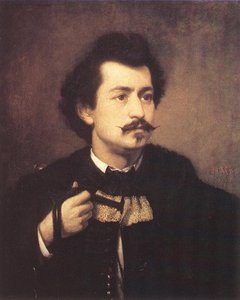
viktor madarász
1830 - 1917
Kratke činjenice
- Artistic Movement Or Style: Hudson River School
- Date Of Birth: January 7, 1830
- Date Of Death: February 18, 1902
- Full Name: Albert Bierstadt
- Nationality: American
- Notable Artworks:
- The Rocky Mountains
- Yosemite Valley
- Among the Sierra Nevada”, “Last of the Buffalo” ], "Artists who influenced this artist": [ "Andreas Aschenbach", "Karl Friedman Lessing" ], "Artists or movements influenced by this artist": [ "Later American painters"
- Place Of Birth: Düsseldorf, Germany

