

 Pregledaj u prostoru
 Pošalji
 Podeli
 Detalji o delu

 Преузми
 Slični predmeti
 Rendgenski snimak
 Slajdovi
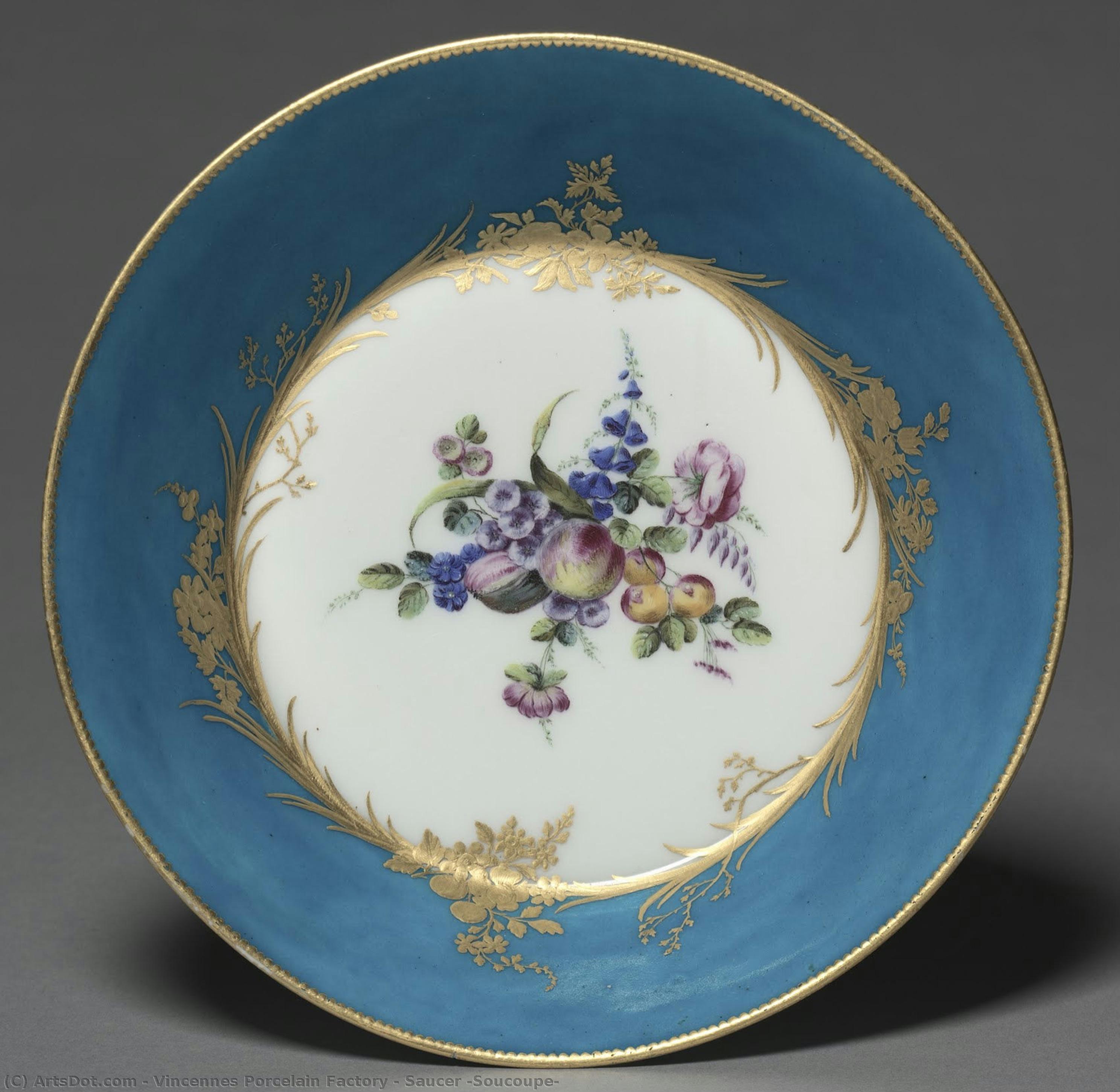
Saucer (Soucoupe)
 Rococo
 1753
1753 4.0 x 19.0 cm
 Cleveland Museum of Art
 Pročitaj više
Ručno rađena uljana reprodukcija
Ručno oslikano uljanim bojama na platnu u dimenzijama i okviru po vašem izboru, izrađeno po porudžbini od strane naših umetnika. ( Kupi print Kupi digitalnu sliku)




































Izaberite jednu od naših unapred definisanih veličina koje odgovaraju originalnim proporcijama umetničkog dela.

Можете унети сопствене димензије како бисте прилагодили дело одређеном оквиру или простору. Ако одабрана величина не одговара пропорцијама оригинала, слика ће бити исечена или проширена додатним елементима који се ручно насликавају. Дигитални prikaz ће вам бити послат на одобрење пре почетка производње.
Имајте на уму да преглед на екрану не одражава стварно исецање или проширење. Само приказ (mockup) ће тачно приказати коначну композицију.
Иако су доступне прилагођене величине, препоручујемо да одаберете димензију из дефинисане листе како бисте сачували оригиналне пропорције.
Nakon narudžbine, tim ArtsDot.com će klijentu putem e-pošte poslati uputstva i dostaviti prikaz predloženog rešenja
Isporuka širom sveta () za 3/4 nedelje umesto uobičajenih 5 nedelja. (7 септембар). Bez kompromisa po pitanju kvaliteta.

Besplatna ekspresna dostava širom sveta

Visokokvalitetno laneno platno

Kompletno osiguranje transporta

Garancija povraćaja carine i uvoznih dažbina

Garancija vernosti boja

Politika povraćaja u roku od 100 dana (isključivo u slučaju nedostataka)

Garancija povrata novca od 100%

Popust pri grupnoj kupovini
 Opcija sa staklom dostupna je samo za dimenzije manje od 110 cm

Saucer (Soucoupe)
Tehnika reprodukcije
Dimenzije reprodukcije
-


Konačna cena
$ 263
Srodna umetnička dela
Biografija umetnika
A Legacy in Porcelain: The Vincennes Factory
The story of the Vincennes Porcelain Factory is not that of a single artist, but rather a fascinating chronicle of royal ambition, artistic innovation, and the delicate beauty born from collaborative skill. Established in 1740 under the patronage of Louis XV’s cousin, the Duc de Bourbon, at the Château de Vincennes near Paris, the factory quickly rose to prominence as a rival to the established porcelain manufactories of Italy and the East. Unlike many workshops centered around a dominant personality, Vincennes thrived on attracting talented painters, gilders, sculptors, and modelers – artisans who collectively shaped its distinctive aesthetic. The initial impetus for its creation stemmed from a desire to break the French dependence on imported Chinese porcelain, which was then considered the pinnacle of luxury goods. Bourbon envisioned a factory capable of producing wares that not only matched but surpassed the quality and artistry of their Eastern counterparts, directly within France itself.Early Innovations and Royal Favor
The early years at Vincennes were marked by experimentation. The factory initially struggled to find the perfect porcelain formula, importing kaolin (the essential ingredient for hard-paste porcelain) from Saint-Cloud and later from Cornwall in England. However, through diligent research and adaptation, they eventually mastered the technique, producing a remarkably pure white porcelain body that became their hallmark. This pristine canvas allowed the factory’s artists to fully express their creativity. The patronage of Madame de Pompadour, Louis XV's influential mistress, proved pivotal. She not only commissioned numerous pieces for her own collection but also actively guided the factory’s artistic direction, favoring rococo designs characterized by delicate floral motifs, playful scenes from mythology and everyday life, and an exquisite attention to detail. The *bleu celeste* ground color, a particularly vibrant shade of sky blue, became synonymous with Vincennes porcelain during this period, often serving as the backdrop for intricate gilt decorations and finely painted vignettes. The factory’s output ranged from elaborate dinner services and ornate vases to charming figurines and snuffboxes, all reflecting the refined tastes of the French court.The Transition to Sèvres and Artistic Evolution
In 1756, a significant shift occurred: Louis XV officially took control of the Vincennes factory, relocating it to his estate at Sèvres in 1758. This move signaled not just a change in location but also an evolution in artistic focus. While the rococo style continued to be prominent, there was a growing emphasis on naturalism and technical virtuosity. Artists like Jean-Baptiste Oudry were instrumental in this transition, bringing a new level of realism to floral painting. The Sèvres manufactory, inheriting the skilled workforce and established techniques of Vincennes, began producing increasingly complex and ambitious pieces. The introduction of *rose pompadour*, another signature color, further expanded the factory’s palette. During this period, Sèvres also pioneered new firing techniques, allowing for larger-scale productions and more intricate designs. The distinction between Vincennes and early Sèvres porcelain can be subtle, often relying on identifying marks and stylistic nuances – pieces produced before the relocation typically bear the Vincennes mark, while those from the Sèvres period feature different emblems.Themes and Symbolism in Vincennes Porcelain
The subject matter adorning Vincennes porcelain provides a fascinating glimpse into the cultural values and artistic preferences of 18th-century France. Mythological scenes, often drawn from classical literature and opera, were popular choices, reflecting the court’s fascination with antiquity and its embrace of Enlightenment ideals. Pastoral landscapes and idyllic depictions of rural life offered an escape from the complexities of courtly existence, while portraits of fashionable ladies and gentlemen celebrated beauty and social status.- Floral motifs weren't merely decorative; they were imbued with symbolic meaning.
- Roses represented love and beauty, lilies symbolized purity, and violets conveyed modesty.
- Birds often alluded to fidelity or romantic longing.
Historical Significance and Enduring Appeal
The Vincennes (and later Sèvres) Porcelain Factory fundamentally altered the landscape of European ceramics. It not only established France as a leading producer of high-quality porcelain but also set new standards for artistic excellence and technical innovation. The factory’s wares became highly sought after by royalty, nobility, and wealthy collectors across Europe, shaping tastes and influencing ceramic production for generations to come. Today, Vincennes porcelain remains prized for its exquisite beauty, historical significance, and the remarkable craftsmanship it represents. Each piece is a testament to the collaborative spirit of the artisans who dedicated their lives to creating objects that embodied the elegance, refinement, and artistic brilliance of 18th-century France. The legacy of Vincennes continues to inspire awe and admiration, serving as a timeless reminder of the enduring power of art and beauty.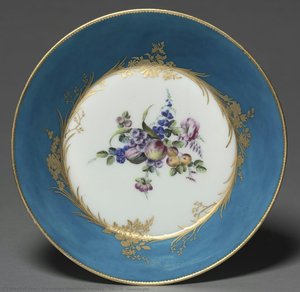
Osnovne informacije
- Artistic Movement Or Style: Rococo porcelain manufacture
- Date Of Death: Living
- Full Name: Vincennes Porcelain Factory
Povezani članci

Rokoko: 10 Remek Dela Koja Su Definisala Eleganciju i Ukus
Otkrijte 10 remek dela koja su definisala rokoko umetnost! Uronite u svet Boucher-a, Watteau-a i Fragonarda. Istorija, stil i inspiracija za vaš dom. Kvalitetne reprodukcije i kuratorski odabiri na ArtsDot.com!

The Rococo Aesthetic: Opulence, Rebellion & the Pursuit of Pleasure in 18th-Century Art
Explore the opulent world of Rococo art! Discover its origins, key artists like Watteau & Boucher, and lasting influence on design. Expert insights for collectors & enthusiasts.
The Allure of Elegance in Art: A Historical & Aesthetic Exploration of Refinement & Grace
Explore the exquisite world of Rococo art! Discover its history, masters (Watteau, Boucher & more), and defining elegance. Expert insights for collectors seeking museum-quality reproductions & custom portraits.
The Rococo Style: Aristocratic Leisure & the Pursuit of Delight in 18th-Century Art
Explore the opulent world of Rococo art! Discover Watteau, Boucher & Nattier's masterpieces. Expert insights for collectors seeking museum-quality reproductions and custom portraits at ArtsDot.
The Enduring Appeal of Decorative Art: A Historical Survey of Ornamentation, Functionality & Cultural Significance
Explore the rich history of decorative arts with ArtsDot.com. Discover key movements, influential artists, and expert guidance for building a discerning collection. Learn about ornamentation, functionality & cultural significance.