Pregledaj u prostoru
 Pošalji
 Podeli
 Detalji o delu

 Преузми
 Slični predmeti
 Rendgenski snimak
 Slajdovi
Madonna and Child with Saints and the Donor
 Oil On Canvas
- WallArt
- Venetian Renaissance
 1504
1504 74.0 x 109.0 cm
 Hermitage Museum
 Pročitaj više
Giclee štampa / Umetnički otisak
Giclée štampa ili print na platnu muzejskog kvaliteta uz brzu proizvodnju i fleksibilne opcije završne obrade. ( Kupi ručno naslikanu sliku Kupi digitalnu sliku)




P118B $10

P118H $10

P118W $10

P438Z $10

P508JH $12

P508YH $12

P805H $10

P805Z $10

P919BZ $10

P919G $10

P919XJ $10

P959ZH $10

P968JZ $12

W106C $8

W218G $10

W218JH $8

W218Y $10

W307PJ $10

W316G $10

W316PJ $8

W316Y $10

W398PJ $8

W4111J $10

W500HY $15

W500JH $15

W692G $12

W849H $8

W940BG $15

W953PJ $8




Izaberite jednu od naših unapred definisanih veličina koje odgovaraju originalnim proporcijama umetničkog dela.

Možete uneti sopstvene dimenzije kako biste umetničko delo prilagodili specifičnom okviru ili prostoru. Ako odabrani format ne odgovara proporcijama originalne slike, mi ćemo ili iscrtati deo dela ili proširiti sliku pomoću ogledane ivice ili jednobojnog popunjavanja. Digitalni prikaz će vam biti poslat na odobrenje pre početka proizvodnje.
Imajte na umu da pregled na ekranu ne odražava stvarno iscrtavanje ili proširivanje. Samo će prikaz (mockup) precizno pokazati finalnu kompoziciju.
Iako su prilagođene dimenzije dostupne, preporučujemo da odaberete dimenziju sa unapred definisane liste kako biste očuvali originalne proporcije.
Dostava širom sveta () za 2 nedelje umesto uobičajenih 4/5 nedelja. (1 септембар)

Besplatna ekspresna dostava širom sveta

Visokokvalitetno laneno platno

Kompletno osiguranje transporta

Garancija povraćaja carine i uvoznih dažbina

Garancija vernosti boja

Politika povrata u roku od 60 dana (samo u slučaju nedostataka)

Garancija povrata novca od 100%

Popust pri grupnoj kupovini
 Opcija sa staklom dostupna je samo za dimenzije manje od 110 cm

Madonna and Child with Saints and the Donor
Giclee štampa / Umetnički otisak
Dimenzije reprodukcije
-


Konačna cena
$ 62
A Venetian Masterpiece: The Madonna and Child with Saints and the Donor by Vincenzo Catena
The year is 1504, and within the bustling heart of Venice, Vincenzo Catena, a painter deeply influenced by the serene elegance of Giovanni Bellini yet forging his own distinctive path, brought to life “Madonna and Child with Saints and the Donor.” This captivating painting isn’t merely a devotional image; it's a window into the artistic sensibilities of the High Renaissance, brimming with symbolic richness and technical mastery. The scene unfolds within a carefully constructed space – a modest interior bathed in diffused light, suggesting both earthly intimacy and spiritual transcendence. At its core is Mary, radiating maternal grace as she holds her infant son Jesus, his gaze direct and inviting. Flanking them are two figures representing donors, individuals who have generously supported the church or religious cause depicted; their presence underscores the importance of patronage within Venetian society.
Catena’s technique reveals a sophisticated understanding of color and form. He employs a layered glazing method, characteristic of Venetian painting at the time, building up translucent layers of pigment to achieve luminous effects and subtle gradations of tone. Note the delicate modeling of Mary's robes, the soft folds of her garments conveying both volume and texture. The use of gold leaf accents – particularly in the halos surrounding the figures – adds a touch of opulence and emphasizes their sacred status. The background is rendered with atmospheric perspective, creating a sense of depth and receding space that draws the viewer’s eye towards the central figures.
A Tapestry of Saints and Symbolism
Beyond the immediate depiction of Mary and Jesus, the painting is populated by a carefully chosen array of saints and biblical figures. To the left stands Saint Francis of Assisi, known for his humble devotion and commitment to poverty – a potent symbol of Christian virtue. Beside him is Bernardino of Siena, another prominent saint associated with piety and missionary work. These figures aren’t simply decorative; they serve as visual reminders of the broader theological context of the image, reinforcing its message of faith, charity, and divine grace. The inclusion of these saints elevates the scene beyond a simple portrait of motherhood, transforming it into a complex meditation on Christian ideals.
The presence of the donor figures is particularly significant. Their identities remain somewhat enigmatic, adding an element of mystery to the composition. They represent the vital role of benefactors in supporting religious institutions and artistic endeavors – a key aspect of Venetian society during this period. The fact that they are depicted kneeling before the Virgin Mary underscores her position as the ultimate source of grace and salvation.
The Legacy of Vincenzo Catena
Vincenzo Catena’s life was relatively short, spanning from 1470 to 1531 in Venice. Despite his modest output, he left behind a body of work that reflects the evolving artistic landscape of the Venetian Renaissance. Initially apprenticed to Giovanni Bellini, Catena quickly developed his own unique style, characterized by a harmonious blend of classical influences and Venetian tradition. His paintings often feature serene Madonnas, vibrant colors, and a masterful use of light and shadow – qualities that resonate deeply with viewers even today.
While not as widely celebrated as some of his contemporaries like Titian or Bellini, Catena’s “Madonna and Child” offers a valuable glimpse into the artistic practices of 16th-century Venice. It stands as a testament to the enduring power of religious art to inspire contemplation, evoke emotion, and connect us to centuries of human creativity.
A Timeless Masterpiece for Your Collection
Reproductions of “Madonna and Child with Saints and the Donor” by Vincenzo Catena capture the essence of this remarkable painting. Whether adorning a grand salon or a more intimate space, its serene beauty and rich symbolism will undoubtedly enhance any environment. The meticulous attention to detail in the reproduction faithfully recreates the luminosity of Catena’s original brushstrokes, allowing you to experience the depth and emotion of this timeless masterpiece. Consider commissioning a hand-painted replica – a unique addition to your art collection that celebrates the legacy of Venetian Renaissance artistry.
Srodna umetnička dela
Biografija umetnika
Vincenzo Catena: A Venetian Renaissance Painter
Life and Background
- Born in Venice, Italy around 1470, Vincenzo Catena was a painter of the Venetian Renaissance.
- Little is known about his early life or formal training. Records are scarce regarding his upbringing and initial artistic development.
- He was also sometimes referred to as Vincenzo de Biagio.
- Catena passed away in 1531, leaving behind a modest but significant body of work.
Artistic Development and Influences
- Initially, Catena’s style closely resembled that of Giovanni Bellini, a leading Venetian painter known for his serene Madonnas and refined technique.
- The earliest documented mention of Catena is an inscription on the back of La Laura by Giorgione, where he’s described as Giorgione's *colego* (colleague).
- However, it wasn’t until after Giorgione’s death in 1510 that his innovative influence began to manifest itself in Catena’s paintings.
- He also shows some influences from Titian, another prominent figure of the Venetian School, particularly in his use of color and composition.
Major Works and Style
- Approximately a dozen paintings are confidently attributed to Catena based on signatures.
- The Martyrdom of St. Christina (1520), located in the church of Santa Maria Mater Domini in Venice, is his most securely dated work thanks to an inscription on its marble surround.
- Other notable works include The Adoration of the Shepherds, and several depictions of the Madonna and Child with Saints and Donors.
- Catena’s paintings often feature religious scenes and portraits, characterized by a blend of Bellini's precision and Giorgione’s atmospheric qualities.
- His style is marked by detailed realism, warm color palettes, and rich symbolism, typical of Venetian Renaissance art.
Historical Significance and Legacy
- While not as widely celebrated as some of his contemporaries like Titian or Giorgione, Catena played a role in the development of Venetian painting during a crucial period.
- His work demonstrates the transition between the High Renaissance and the emerging Mannerist styles.
- Wills left by Catena reveal he was a man of considerable wealth and had connections within Venetian humanist circles, suggesting his artistic success extended beyond purely aesthetic recognition.
- Today, Vincenzo Catena’s paintings are valued for their historical importance and offer insights into the artistic landscape of 16th-century Venice.
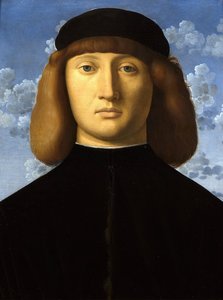
Vincenzo Catena
1470 - 1531 , Italy
Osnovne informacije
- Birth Date: 1470
- Birth Place: Venice, Italy
- Death Date: 1531
- Influenced By:
- Giovanni Bellini
- Giorgione
- Movement: Renaissance, Venetian School
- Name: Vincenzo Catena
- Nationality: Italian
- Notable Works:
- Santa Cristina Altarpiece
- The Adoration of the Shepherds
- Madonna and Child with a Holy Female Martyr, Saint Francis of Assisi and the Donor
Povezani članci

Jacopo Tintoretto: 25 Remek-dela Venecijanskog Majstora | Reprodukcije i Inspiracija za Dom
Uronite u svet Jacopa Tintoreta! Otkrijte 25 remek-dela venecijanskog renesansnog majstora. Istražite dramatične kompozicije, bogate boje i istoriju umetnosti na ArtsDot.com. Reprodukcije slika za luksuzni enterijer.
Rafaela Sanzio: 25 Remek-dela Renesansnog Majstora za Vaš Dom | ArtsDot
Uronite u svet Rafaela Sanzija! Otkrijte 25 remek-dela renesansnog umetnika, od Madona do fresaka Vatikana. Inspiracija za dekoraciju enterijera i kupovina reprodukcija slika visoke rezolucije na ArtsDot.com.
Jacopo Palma il Giovane: A Venetian Master's Poetic Evolution
Explore the captivating world of Jacopo Palma il Giovane, a pivotal Venetian Renaissance master. Discover his unique style, influenced by Titian & Tintoretto, and learn about key works perfect for discerning collectors.
The Golden Light of Innovation: Exploring the Venetian Renaissance Art Movement (1430–1580)
Explore the Golden Age of Venetian art (1430–1580). Discover Giorgione, Titian & Tintoretto's techniques, the 'colorito' revolution, and lasting influence. Expert insights for collectors & enthusiasts.
Pietro Longhi's Venetian Scenes: A Study of Rococo Society & Domestic Life
Explore the captivating world of Pietro Longhi's Venetian scenes! Discover insightful analysis of his Rococo masterpieces & social commentary on 18th-century life. Learn about this 'Venetian Hogarth' and his lasting artistic legacy.