

 Pošalji
 Podeli
 Detalji o delu

 Преузми
 Slični predmeti
 Slajdovi
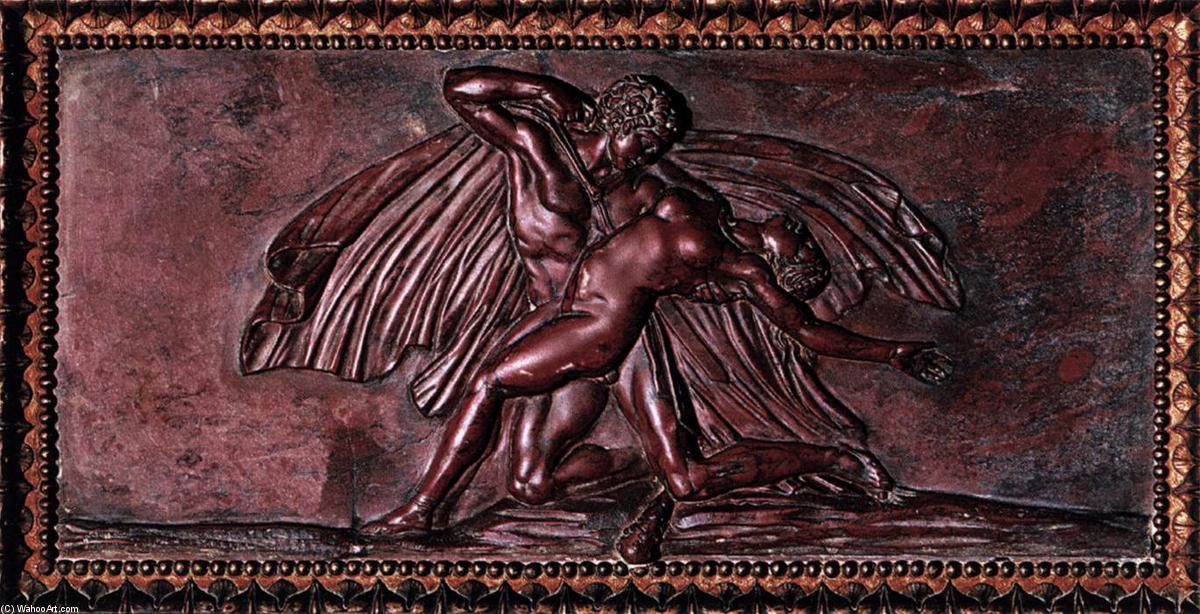
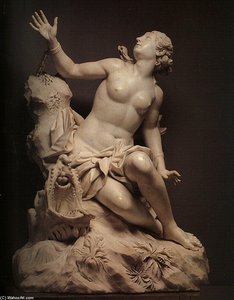
Theseus Contemplating the Dead Sow Phaea


 Pročitaj više
Kupite digitalnu sliku visoke rezolucije i poboljšanog kvaliteta, koja je znatno superiornija od onoga što vidite u online prikazu.
Svaka datoteka je pedantno pripremljena od strane naših stručnjaka koristeći napredne alate i profesionalnu ručnu retušu. Osiguravamo da svaka slika ima izuzetnu oštrinu, preciznu reprodukciju boja i fine detalje.
Konačna datoteka se dostavlja putem e-pošte u roku od 72 sata, optimizovana za neposrednu upotrebu u profesionalnim, izdavačkim i štamparskim okruženjima. To je isti kvalitet kojem veruju vrhunski studiji dizajna, izdavači i galerije.
Digitalna slika
Preuzmite datoteku visoke rezolucije za ličnu upotrebu, štampanje i kreativne projekte. ( Kupi print Kupi ručno naslikanu sliku)
Uključeno uz svaku porudžbinu digitalne slike
Profesionalna digitalna isporuka, zagarantovana
Kada odaberete ArtsDot.com, ne dobijate samo sliku – vi primate profesionalno unapređeno digitalno umetničko delo, izrađeno sa najvećom preciznošću i uz garanciju zadovoljstva. Evo svega što automatski dolazi uz vašu porudžbinu:

Brza dostava putem e-pošte
Vaša digitalna slika visoke rezolucije biće vam poslata putem e-pošte u roku od 72 sata od poručivanja – spremna za trenutnu upotrebu.

Digitalna datoteka unapređena veštačkom inteligencijom
Vaše umetničko delo je profesionalno optimizovano korišćenjem naprednih AI alata i ručne obrade, čime se osiguravaju maksimalni detalji, oštrina i preciznost boja.

Besplatna ponovna isporuka doživotno
Slučajno ste obrisali ili izgubili svoju datoteku? Ne brinite – poslaćemo vam je ponovo u bilo kom trenutku, potpuno besplatno.

Bez troškova uvoza – zauvek
Uživajte u svojim umetničkim delima trenutno, bez carine, dažbina ili troškova dostave – digitalni download je uvek bez poreza.

Garancija vernosti boja
Uz pomoć profesionalnih alata i upravljanja bojama, osiguravamo da vaša digitalna slika što vernije odražava originalne boje.

Garancija zadovoljstva u roku od 60 dana
Ako niste zadovoljni svojom digitalnom slikom, revidirat ćemo je ili vratiti 100% novca u roku od 60 dana – bez ikakvih pitanja.

100% garancija povrata novca
Niste zadovoljni? Obezbedite pun povrat novca u roku od 60 dana od trenutka kada ste primili svoju digitalnu datoteku – bez suvišnih pitanja.

Popusti na velike porudžbine
Kupite 3 slike, uštedite 10% - Kupite 5 slika, uštedite 15% - Kupite 10+ slika, uštedite 20%. Odlično za kreativne projekte, galerije i agencije.
The Weight of Mythology: Vincenzo Pacetti’s ‘Theseus Contemplating the Dead Sow Phaea’
Vincenzo Pacetti's “Theseus Contempling the Dead Sow Phaea,” completed in 1783, is not merely a marble sculpture; it’s a profound meditation on mortality, duty, and the lingering echoes of ancient myth. This arresting work, currently residing within the Galleria Borghese in Rome, captures a pivotal moment from Greek legend – the hero Theseus, grappling with the consequences of his actions after slaying the monstrous Minotaur. The scene is rendered with an almost unnerving realism, eschewing the idealized forms often associated with classical sculpture for a deeply human portrayal of grief and contemplation.
The composition itself is masterfully controlled. Theseus, depicted in robust musculature yet radiating a palpable weariness, stands before the lifeless body of Phaea, the sow who bore the Minotaur. Her form, draped with a simple tunic, lies prone on the ground, her head tilted slightly as if caught mid-thought. The artist’s skill is evident in the subtle rendering of skin texture and muscle definition – details that elevate this sculpture beyond a mere representation of figures to a tangible experience of their physicality. The stark contrast between Theseus's upright posture and Phaea’s stillness immediately establishes a dynamic tension, drawing the viewer into the scene’s emotional core.
A Sculptor’s Alchemy: Technique and Material
Pacetti’s mastery lies not only in his ability to capture human form but also in his innovative approach to marble. Unlike many sculptors of the era who relied heavily on preparatory drawings, Pacetti favored a more intuitive process, often working directly from life models. This is particularly evident in the sculpture's remarkable sense of weight and volume – achieved through careful manipulation of the stone’s density and texture. The surface of the marble is polished to a subtle sheen, reflecting light and creating an illusion of depth that further enhances the realism of the figures.
Crucially, Pacetti wasn’t simply replicating existing forms; he was actively engaged in restoration and completion. He frequently took fragmented classical sculptures – often damaged by time or neglect – and breathed new life into them, adding missing limbs, refining details, and even creating entirely new elements based on his artistic judgment. This practice, while controversial at the time, allowed him to preserve and disseminate ancient art for a wider audience. The ‘Theseus’ sculpture is a prime example of this approach, showcasing Pacetti's ability to seamlessly integrate classical elements with his own creative vision.
Symbolism and the Burden of Heroism
The inclusion of Phaea – the Minotaur’s mother – adds a layer of poignant complexity to the scene. She represents not just the monstrous creature Theseus vanquished but also the inherent cost of heroism. The act of slaying the Minotaur, while undoubtedly a triumph for Theseus and Athens, demanded a terrible sacrifice: the life of an innocent being. Pacetti doesn’t shy away from this moral ambiguity; instead, he presents it with unflinching honesty.
The spear in Theseus's hand serves as a potent symbol – a reminder of his warrior status and the violence inherent in his quest. However, it also suggests a sense of responsibility and regret. He is not celebrating victory but rather confronting the consequences of his actions. The overall mood is one of somber reflection, inviting viewers to contemplate the ethical dilemmas faced by heroes and the enduring weight of their choices.
A Legacy in Stone: Pacetti’s Influence
Vincenzo Pacetti's work represents a pivotal moment in the history of Italian sculpture. His innovative approach to restoration, combined with his exceptional technical skill and profound understanding of classical art, cemented his reputation as one of the most important sculptors of the late 18th century. “Theseus Contemplating the Dead Sow Phaea” stands as a testament to his genius – a powerful and enduring meditation on myth, morality, and the human condition. Reproductions of this captivating piece offer a remarkable opportunity to bring this profound work into any setting, allowing its evocative imagery and poignant narrative to resonate with viewers for generations to come.
Srodna umetnička dela
Biografija umetnika
Vincenzo Pacetti: Life and Legacy
Early Life and Training
- Born: Rome, Italy in 1746.
- Vincenzo Pacetti began his artistic journey at the Accademia del Nudo, honing his skills in anatomical study and figure drawing.
- He furthered his training from 1766 to 1772 under the tutelage of sculptor-restorer Pietro Pacili. Upon Pacili’s death, Vincenzo took over his studio.
Career and Artistic Development
- Pacetti quickly established himself as an independent sculptor and was accepted into the Accademia di San Luca, serving as its director – a testament to his growing reputation.
- Bartolomeo Cavaceppi, another prominent sculptor-restorer, held Pacetti in high regard, even naming him as executor of his will.
- Pacetti’s work evolved around the intersection of sculpture and restoration. He wasn't merely a copier; he actively *completed* fragmented classical works, sometimes adding significant portions based on his artistic judgment.
Major Achievements & Notable Works
- The Barberini Faun (1799): Perhaps Pacetti’s most celebrated work. He restored and completed this iconic sculpture, adding a new right leg, now housed in the Glyptothek, Munich.
- Hope Dionysus: Currently residing in the Metropolitan Museum of Art, this piece exemplifies Pacetti's skill in completing ancient fragments.
- Athena of Velletri (1797): Now located in the Louvre, this sculpture showcases his ability to bring classical forms back to life.
- Extensive work at the Galleria Borghese, including reliefs and stucchi for the Sala degli Imperatori – notably “The Goat Amanthea” and “Perseus freeing Andromeda”. He also contributed to rooms housing Bernini’s masterpieces.
- Other works can be found in churches like San Salvatore in Lauro, Santo Spirito in Sassia, Santi Michele e Magno, and the Palazzo Carpegna.
Patronage and Later Life
- Lucien Bonaparte became a significant patron later in Pacetti’s career. He commissioned numerous plaster casts of famous antique sculptures for his villa at Canino.
- Pacetti's diary, covering the years 1773–1803, and his correspondence provide invaluable insights into the Roman art market during that period.
- Died: Rome in 1820.
Historical Significance & Legacy
- Vincenzo Pacetti occupies a unique position in art history as both a sculptor and a restorer. His work raises questions about authenticity, artistic intervention, and the interpretation of classical forms.
- He played a crucial role in shaping the understanding and appreciation of ancient sculpture during the Neoclassical period.
- His diaries remain an essential resource for scholars studying the art market and restoration practices of 18th and 19th-century Rome.
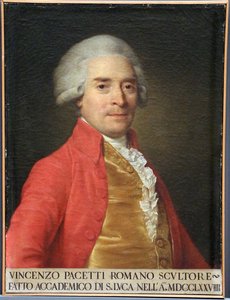
Vincenzo Pacetti
1746 - 1820 , Italy
Kratke činjenice
- Birth Date: 1746
- Birth Place: Rome, Italy
- Death Date: 1820
- Influenced By: Pietro Pacili, Bartolomeo Cavaceppi
- Movement: Neoclassical
- Name: Vincenzo Pacetti
- Nationality: Italian
- Notable Works:
- Barberini Faun
- Hope Dionysus
- Athena of Velletri

