 Pregledaj u prostoru
 Pošalji
 Podeli
 Detalji o delu

 Преузми
 Slični predmeti
 Rendgenski snimak
 Slajdovi
Apotheosis of St Ursula
 Oil On Canvas
- WallArt
- Early Renaissance
 1491
1491 481.0 x 336.0 cm
 Galerije Akademija u Veneciji
 Pročitaj više
Ručno rađena uljana reprodukcija
Ručno oslikano uljanim bojama na platnu u dimenzijama i okviru po vašem izboru, izrađeno po porudžbini od strane naših umetnika. ( Kupi print Kupi digitalnu sliku)




P118B $10

P118H $10

P118W $10

P438Z $10

P508JH $12

P508YH $12

P805H $10

P805Z $10

P919BZ $10

P919G $10

P919XJ $10

P959ZH $10

P968JZ $12

W106C $8

W218G $10

W218JH $8

W218Y $10

W307PJ $10

W316G $10

W316PJ $8

W316Y $10

W398PJ $8

W4111J $10

W500HY $15

W500JH $15

W692G $12

W849H $8

W940BG $15

W953PJ $8




Izaberite jednu od naših unapred definisanih veličina koje odgovaraju originalnim proporcijama umetničkog dela.

Можете унети сопствене димензије како бисте прилагодили дело одређеном оквиру или простору. Ако одабрана величина не одговара пропорцијама оригинала, слика ће бити исечена или проширена додатним елементима који се ручно насликавају. Дигитални prikaz ће вам бити послат на одобрење пре почетка производње.
Имајте на уму да преглед на екрану не одражава стварно исецање или проширење. Само приказ (mockup) ће тачно приказати коначну композицију.
Иако су доступне прилагођене величине, препоручујемо да одаберете димензију из дефинисане листе како бисте сачували оригиналне пропорције.
Nakon narudžbine, tim ArtsDot.com će klijentu putem e-pošte poslati uputstva i dostaviti prikaz predloženog rešenja
Isporuka širom sveta () za 3/4 nedelje umesto uobičajenih 5 nedelja. (22 август). Bez kompromisa po pitanju kvaliteta.

Besplatna ekspresna dostava širom sveta

Visokokvalitetno laneno platno

Kompletno osiguranje transporta

Garancija povraćaja carine i uvoznih dažbina

Garancija vernosti boja

Politika povrata u roku od 60 dana (samo u slučaju nedostataka)

Garancija povrata novca od 100%

Popust pri grupnoj kupovini
 Opcija sa staklom dostupna je samo za dimenzije manje od 110 cm

Apotheosis of St Ursula
Tehnika reprodukcije
Dimenzije reprodukcije
-


Konačna cena
$ 1913
Opis umetničkog dela
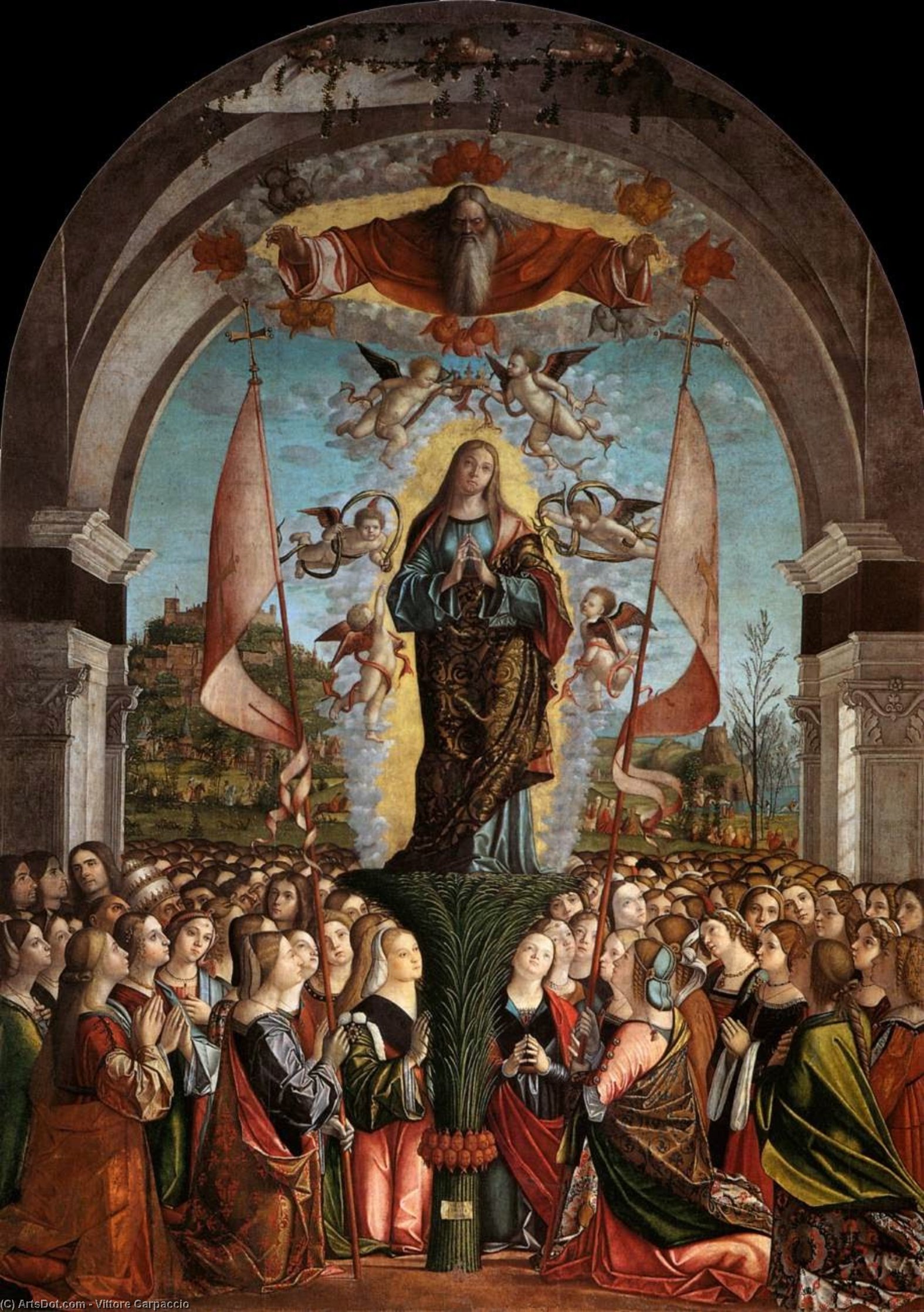
The Divine Coronation – An Exploration of Vittore Carpaccio’s ‘Apotheosis of St Ursula’
Vittore Carpaccio's “Apotheosis of St. Ursula,” painted in 1491, isn’t merely a religious depiction; it’s a meticulously crafted tableau of faith, power, and the profound beauty of Renaissance artistry. This monumental work, now housed within the Gallerie dell’Accademia in Venice, transports the viewer to a lavishly rendered scene of the Virgin Mary crowning her granddaughter, St. Ursula, amidst an array of angels and kneeling figures – a testament to both Marian devotion and the burgeoning artistic confidence of the Venetian school. Carpaccio, deeply influenced by Antonello da Messina's mastery of light and form, eschewed the prevailing trends of his time, opting instead for a style characterized by a quiet dignity and a remarkable attention to detail that sets this piece apart.
The composition itself is remarkably complex, layered with figures and architectural elements that create a sense of both grandeur and intimacy. The arched niche, reminiscent of a church interior, serves as the stage for this sacred event. Carpaccio’s use of perspective, though not entirely adhering to strict mathematical rules, generates a convincing illusion of depth – achieved through careful layering of forms and overlapping draperies rather than relying solely on linear convergence. Notice how the light, originating primarily from above, dramatically illuminates Mary and Christ at the center, casting intricate shadows that add richness and volume to the scene.
A Master of Narrative Detail: Carpaccio’s Venetian Style
Carpaccio's distinctive style is immediately recognizable through his meticulous rendering of textures and fabrics. The flowing robes of the figures are depicted with an astonishing level of realism, each fold and pleat meticulously rendered to convey weight and movement. This dedication to detail extends to the architectural elements as well – from the intricate carvings on the columns to the delicate patterns adorning the arches. He employs a technique known as *sfumato*, subtly blending colors and softening edges to create an atmosphere of ethereal beauty, characteristic of Venetian painting at this time.
The artist’s choice of color palette is equally noteworthy. Warm tones – golds, reds, and browns – dominate the scene, evoking a sense of reverence and majesty. The halo surrounding Mary's head, rendered in shimmering gold leaf, draws the viewer's eye to the central figure, while the vibrant hues of the robes contribute to the overall richness and splendor of the composition. Symbolism is woven throughout the painting; the cross held by Christ represents his sacrifice, the palm branches signify victory and royalty bestowed upon Mary, and the angels flanking them embody divine grace.
Historical Context & Symbolism
“Apotheosis of St. Ursula” was created during a period of significant religious and artistic transformation in Venice. The city’s thriving merchant class had amassed considerable wealth, fueling a surge in patronage for the arts. Carpaccio's work reflects this prosperity, showcasing the lavishness and grandeur that characterized Venetian society. The painting also aligns with the broader context of Renaissance art, which sought to revive classical ideals while simultaneously exploring new artistic techniques and approaches. The depiction of St. Ursula, a legendary figure revered for her unwavering faith and virtue, served as an inspiration for artists throughout Europe.
Furthermore, Carpaccio’s work is deeply rooted in the tradition of *sacra conversazione*, a popular genre that depicted religious scenes with multiple figures engaged in conversation or prayer. This approach allowed artists to convey complex theological ideas in a visually engaging manner. The inclusion of numerous saints and angels underscores the universality of faith and the interconnectedness of the divine realm.
A Timeless Vision: Reproduction & Artistic Legacy
Today, “Apotheosis of St. Ursula” stands as a testament to Carpaccio’s artistic genius and a remarkable example of Venetian Renaissance painting. Reproductions offer an accessible way to experience the beauty and complexity of this masterpiece, bringing its rich symbolism and evocative atmosphere into any space. Whether adorning a grand salon or a smaller study, a high-quality reproduction can serve as a constant reminder of the enduring power of faith, art, and human creativity.
Srodna umetnička dela
Biografija umetnika
Рани живот и формирање уметника
Виторе Карпачо, један од најистакнутијих венецијанских сликара ренесансе, рођен је у Венецији око 1465. године. Његово име се повремено среће и као Ветор Скарпанзо или Виторе Карпатио. Како су многи тадашњи уметници, и Карпачо је свој уметнички пут започео под менторством великог Ђентиле Белинија, познатог мајстора венецијанске школе сликања. Овај период учеништва био је од суштинског значаја за његов каснији развој и успех, пружајући му чврсту основу у техници и естетици.
Уметнички стил и инспирације
Карпачов стил се одликује конзервативним приступом, са минималним трагама хуманистичких тенденција које су током његовог живота трансформисале италијанско ренесансно сликарство. Уместо да следи најновије трендове, Карпачо је црпео инспирацију из радова Антонијела да Месине и уметности раног холандског сликарства. Ова необична комбинација стилова резултирала је препознатљивим приступом венецијанској школи, карактеристичним по пажњи према детаљу, реализму и наративном квалитету.
Најзначанија дела и наративна вештина
Иако није био познат по експериментисању са новим техникама, Карпачо је стекао велику славу захваљујући својој способности да прича приче кроз слике. Његово најпознатије дело, циклус слика Легенда о Светој Урсули, представља ремек-дело наративног сликарства. Ова серија од девет платна, данас изложена у Галеријама Академије у Венецији, демонстрира његову мајсторску вештину у приказивању сложених сцена и емоција. Слава Светој Урсули (1491) показује Карпачов таленат за хватање светла и боје, подсећајући на стил Ђованија Белинија. Чудо реликвије Крста на Риалту (1494) је још један пример његове способности да хармонично споји композицију и наратив.
Каријера, наслеђе и оријентални утицаји
Карпачо је своја главна дела створио између 1490. и 1519. године, што га сврстава међу раног мајсторе венецијанске ренесансе. Његов оријентални стил, видљив у делу Свети Ђорђе крштава Селените, одражава растући интерес за Левант и далеке земље. Иако је био изузетно талентован, Карпачово дело је често остајало у сенци његових савременика попут Ђованија Белинија или Ђорђонеа. Ипак, његов рад представља драгоцен део венецијанског сликарства и нуди уникатан поглед на живот и културу ренесансне Венеције.
Референце и даља читања
Откријте више о Витору Карпачу и венецијанској школи на ArtsDot.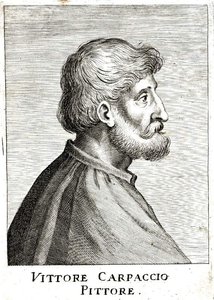
Виторе Карпачо
1465 - 1526 , Србија
Osnovne informacije
- Artistic Movement Or Style: Rani venecijanski renesans
- Artists Or Movements Influenced By This Artist: ['Rani nizozemski slikarstvo']
- Artists Who Influenced This Artist:
- Antonello da Messina
- Gentile Bellini
- Date Of Birth: Venecija, Italija (oko 1465)
- Date Of Death: 1526.
- Full Name: Vittore Carpaccio
- Nationality: Italijan
- Notable Artworks:
- Legenda o Sv. Ursuli
- Slava oltara Sv. Ursule
- Čudo relikvije krsta
- Place Of Birth: Venecija, Italija
Povezani članci
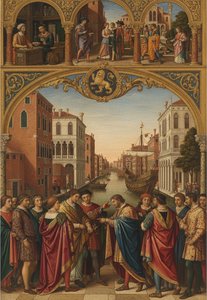
Vittore Carpaccio: Venetian Renaissance Narrative & the Poetics of Detail
Explore the captivating world of Vittore Carpaccio, a master storyteller of the Venetian Renaissance. Discover his intricate details, narrative cycles like 'The Legend of St. Ursula,' and unique artistic style.

Oil on Canvas: A Historical & Technical Exploration of a Timeless Artistic Medium
Explore the rich history & enduring techniques of oil painting on canvas. Discover the science behind its longevity, conservation practices, and contemporary relevance. Expert insights for art enthusiasts.

The Enduring Legacy of Oil on Canvas: Technique, History & Aesthetic Impact
Explore the rich history & techniques of oil painting – from Renaissance masters to Impressionism. Discover pigments, layering methods, and why this timeless medium endures. Expert insights for artists & art enthusiasts.

The Enduring Power of Painting: A Historical & Contemporary Exploration of Form and Emotion
Explore the rich history & enduring techniques of oil painting with ArtsDot. Discover masterpieces, learn about art collecting, and find authentic handmade reproductions crafted by skilled artists.

El Greco: 25 Remek-dela koji definišu Viziju i Duh (Reprodukcije za vaš Dom)
Istražite 25 remek-dela El Greka! Otkrijte priče iza njegovih ikoničnih slika, baroknog stila i duboke spiritualnosti. Reprodukcije vrhunskog kvaliteta za vaš dom na ArtsDot.com.