 Pregledaj u prostoru
 Pošalji
 Podeli
 Detalji o delu

 Преузми
 Slični predmeti
 Rendgenski snimak
 Slajdovi
The Arrival of the Pilgrims in Cologne
 Acrylic On Canvas
- WallArt
- Venetian Renaissance
 1490
1490 280.0 x 255.0 cm
 Galerije Akademija u Veneciji
 Pročitaj više
Ručno rađena uljana reprodukcija
Ručno oslikano uljanim bojama na platnu u dimenzijama i okviru po vašem izboru, izrađeno po porudžbini od strane naših umetnika. ( Kupi print Kupi digitalnu sliku)




P118B $10

P118H $10

P118W $10

P438Z $10

P508JH $12

P508YH $12

P805H $10

P805Z $10

P919BZ $10

P919G $10

P919XJ $10

P959ZH $10

P968JZ $12

W106C $8

W218G $10

W218JH $8

W218Y $10

W307PJ $10

W316G $10

W316PJ $8

W316Y $10

W398PJ $8

W4111J $10

W500HY $15

W500JH $15

W692G $12

W849H $8

W940BG $15

W953PJ $8




Izaberite jednu od naših unapred definisanih veličina koje odgovaraju originalnim proporcijama umetničkog dela.

Можете унети сопствене димензије како бисте прилагодили дело одређеном оквиру или простору. Ако одабрана величина не одговара пропорцијама оригинала, слика ће бити исечена или проширена додатним елементима који се ручно насликавају. Дигитални prikaz ће вам бити послат на одобрење пре почетка производње.
Имајте на уму да преглед на екрану не одражава стварно исецање или проширење. Само приказ (mockup) ће тачно приказати коначну композицију.
Иако су доступне прилагођене величине, препоручујемо да одаберете димензију из дефинисане листе како бисте сачували оригиналне пропорције.
Nakon narudžbine, tim ArtsDot.com će klijentu putem e-pošte poslati uputstva i dostaviti prikaz predloženog rešenja
Isporuka širom sveta () za 3/4 nedelje umesto uobičajenih 5 nedelja. (26 август). Bez kompromisa po pitanju kvaliteta.

Besplatna ekspresna dostava širom sveta

Visokokvalitetno laneno platno

Kompletno osiguranje transporta

Garancija povraćaja carine i uvoznih dažbina

Garancija vernosti boja

Politika povrata u roku od 60 dana (samo u slučaju nedostataka)

Garancija povrata novca od 100%

Popust pri grupnoj kupovini
 Opcija sa staklom dostupna je samo za dimenzije manje od 110 cm

The Arrival of the Pilgrims in Cologne
Tehnika reprodukcije
Dimenzije reprodukcije
-


Konačna cena
$ 263
Opis umetničkog dela
A Chronicle of Faith and Journey: Exploring Carpaccio’s “Arrival of the Pilgrims in Cologne”
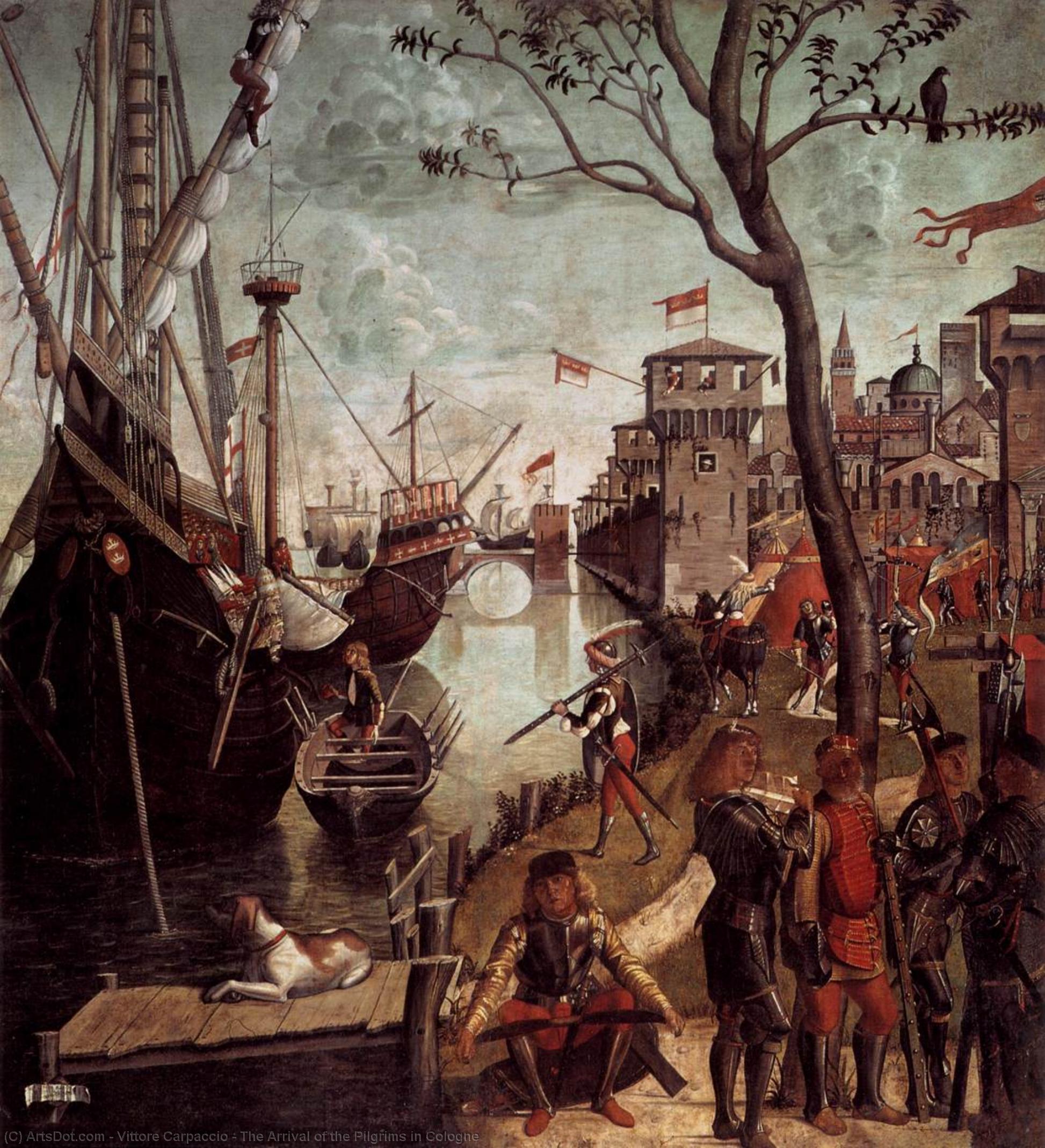
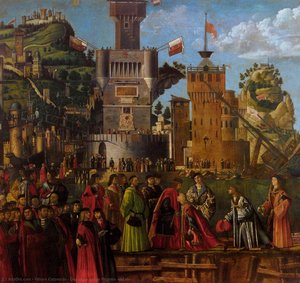
Vittore Carpaccio's "The Arrival of the Pilgrims in Cologne," painted around 1490, isn’t merely a depiction of a historical event; it’s a meticulously crafted narrative brimming with symbolism and reflecting the complex spiritual landscape of late Renaissance Venice. This monumental work, now housed within the Gallerie dell’Accademia, transports us to a pivotal moment – the arrival of pilgrims in Cologne, seeking the relics of Saint Ursula. More than just a scene of travel, it's a carefully orchestrated tableau of faith, diplomacy, and impending tragedy, rendered with Carpaccio’s signature blend of meticulous detail and dramatic storytelling.
The painting immediately captivates with its vibrant palette and dynamic composition. Carpaccio eschews the idealized beauty favored by some of his contemporaries, opting instead for a grounded realism that emphasizes texture, light, and shadow. The scene unfolds within an open pavilion, bathed in the diffused glow of a misty morning – a detail evocative of Venice itself, subtly grounding the fantastical elements within a recognizable setting. The figures are not presented as heroic saints but as ordinary people engaged in extraordinary circumstances, their faces etched with a mixture of anticipation, solemnity, and perhaps even apprehension. The use of perspective is masterful, drawing the eye through the crowded scene towards the central action: the exchange between the Breton envoys and the representatives of Cologne.
The Layers of Narrative: Symbolism and Historical Context
Carpaccio’s work draws heavily from Jacobus de Voragine's *Golden Legend*, a collection of hagiographies that profoundly influenced Venetian art. The story of Saint Ursula, a virgin princess who died alongside her eleven thousand companions in the 5th century, was particularly popular during this period. The painting isn’t simply recounting the arrival; it’s illustrating the complex political and religious negotiations surrounding the pilgrimage – a marriage alliance between Brittany and the pagan kingdom of Cologne. The envoys, clad in richly colored robes, represent the diplomatic mission, while the figures on the left depict the Breton court, highlighting the importance of this union for both kingdoms.
Beyond the immediate narrative, the painting is rich with symbolic details. The presence of the didascalos – a figure resembling the Renaissance humanist Ermolao Barbaro – suggests the role of interpretation and explanation within the context of religious storytelling. The ships in the distance, the city walls of Cologne, and even the arrangement of figures all contribute to a layered visual language that invites contemplation. The scene’s setting itself—a blend of Venetian architecture and imagined landscapes—reflects Venice's position as a crossroads of cultures and commerce during the Renaissance.
Carpaccio’s Technique: A Masterclass in Detail and Drama
What distinguishes Carpaccio’s work is his extraordinary attention to detail. Every garment, every facial expression, every architectural element is rendered with painstaking precision. He employs a technique known as *disegno*, prioritizing the preparatory drawing before applying paint, resulting in remarkably accurate depictions of form and space. The figures are not merely sketched; they are sculpted with an almost photographic realism. This meticulous approach contrasts sharply with the looser brushwork often found in contemporary Venetian painting, highlighting Carpaccio’s unique artistic vision.
Furthermore, Carpaccio masterfully manipulates light and shadow to create a sense of drama and depth. The diffused morning light casts long shadows across the pavilion, emphasizing the figures' forms and creating a palpable atmosphere of anticipation. The use of color is equally deliberate, with rich reds and blues dominating the scene, drawing attention to key elements and adding visual interest. This combination of meticulous detail and dramatic lighting elevates “The Arrival of the Pilgrims in Cologne” beyond a simple historical depiction—it becomes a powerful meditation on faith, diplomacy, and the human condition.
A Legacy of Narrative: Reproductions and Artistic Inspiration
Today, "The Arrival of the Pilgrims in Cologne" stands as a testament to Carpaccio’s artistic genius. Reproductions offer an accessible way to experience this monumental work, allowing viewers to appreciate its intricate details and profound symbolism. Whether adorning a grand salon or a smaller study, a high-quality reproduction can evoke the same sense of wonder and contemplation that captivated audiences in 15th-century Venice. Carpaccio’s legacy continues to inspire artists and designers alike, reminding us of the power of narrative painting to transport us across time and space.
Srodna umetnička dela
Biografija umetnika
Рани живот и формирање уметника
Виторе Карпачо, један од најистакнутијих венецијанских сликара ренесансе, рођен је у Венецији око 1465. године. Његово име се повремено среће и као Ветор Скарпанзо или Виторе Карпатио. Како су многи тадашњи уметници, и Карпачо је свој уметнички пут започео под менторством великог Ђентиле Белинија, познатог мајстора венецијанске школе сликања. Овај период учеништва био је од суштинског значаја за његов каснији развој и успех, пружајући му чврсту основу у техници и естетици.
Уметнички стил и инспирације
Карпачов стил се одликује конзервативним приступом, са минималним трагама хуманистичких тенденција које су током његовог живота трансформисале италијанско ренесансно сликарство. Уместо да следи најновије трендове, Карпачо је црпео инспирацију из радова Антонијела да Месине и уметности раног холандског сликарства. Ова необична комбинација стилова резултирала је препознатљивим приступом венецијанској школи, карактеристичним по пажњи према детаљу, реализму и наративном квалитету.
Најзначанија дела и наративна вештина
Иако није био познат по експериментисању са новим техникама, Карпачо је стекао велику славу захваљујући својој способности да прича приче кроз слике. Његово најпознатије дело, циклус слика Легенда о Светој Урсули, представља ремек-дело наративног сликарства. Ова серија од девет платна, данас изложена у Галеријама Академије у Венецији, демонстрира његову мајсторску вештину у приказивању сложених сцена и емоција. Слава Светој Урсули (1491) показује Карпачов таленат за хватање светла и боје, подсећајући на стил Ђованија Белинија. Чудо реликвије Крста на Риалту (1494) је још један пример његове способности да хармонично споји композицију и наратив.
Каријера, наслеђе и оријентални утицаји
Карпачо је своја главна дела створио између 1490. и 1519. године, што га сврстава међу раног мајсторе венецијанске ренесансе. Његов оријентални стил, видљив у делу Свети Ђорђе крштава Селените, одражава растући интерес за Левант и далеке земље. Иако је био изузетно талентован, Карпачово дело је често остајало у сенци његових савременика попут Ђованија Белинија или Ђорђонеа. Ипак, његов рад представља драгоцен део венецијанског сликарства и нуди уникатан поглед на живот и културу ренесансне Венеције.
Референце и даља читања
Откријте више о Витору Карпачу и венецијанској школи на ArtsDot.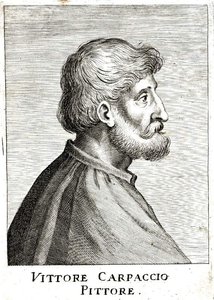
Виторе Карпачо
1465 - 1526 , Србија
Osnovne informacije
- Artistic Movement Or Style: Rani venecijanski renesans
- Artists Or Movements Influenced By This Artist: ['Rani nizozemski slikarstvo']
- Artists Who Influenced This Artist:
- Antonello da Messina
- Gentile Bellini
- Date Of Birth: Venecija, Italija (oko 1465)
- Date Of Death: 1526.
- Full Name: Vittore Carpaccio
- Nationality: Italijan
- Notable Artworks:
- Legenda o Sv. Ursuli
- Slava oltara Sv. Ursule
- Čudo relikvije krsta
- Place Of Birth: Venecija, Italija
Povezani članci
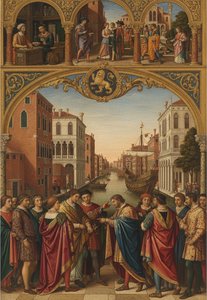
Vittore Carpaccio: Venetian Renaissance Narrative & the Poetics of Detail
Explore the captivating world of Vittore Carpaccio, a master storyteller of the Venetian Renaissance. Discover his intricate details, narrative cycles like 'The Legend of St. Ursula,' and unique artistic style.
High Medieval Art: 10 Masterpieces That Shaped an Era | ArtsDot
Journey through High Medieval Art! Explore 10 iconic masterpieces – from Giotto's frescoes to stunning Gothic cathedrals. Discover the stories behind these timeless paintings, sculptures & illuminated manuscripts. Find museum-quality art reproductions at ArtsDot.com.
Late Medieval Masterpieces: 10 Artworks That Defined an Era | ArtsDot
Journey through 10 defining Late Medieval masterpieces – from Giotto's frescoes to Jan van Eyck’s realism. Explore the stories, techniques & vibrant colors of Gothic art. Find museum-quality reproductions and elevate your home decor with ArtsDot.com! Discover all masterpieces on ArtsDot.com
Early Medieval Art: 10 Masterpieces That Shaped a New World | ArtsDot
Journey through 10 stunning Early Medieval masterpieces – from the Book of Kells to Carolingian mosaics. Explore art history, symbolism & find museum-quality reproductions for your home at ArtsDot.com. Discover all masterpieces online!
Illuminating Faith & Power: A Journey Through Medieval Art (c. 500 – c. 1500)
Explore the rich history of Medieval Art (c. 500 – c. 1500) with ArtsDot. Discover Byzantine mosaics, Gothic cathedrals & Renaissance masterpieces. Expert insights & museum-quality reproductions.