

 Pregledaj u prostoru
 Pošalji
 Podeli
 Detalji o delu

 Преузми
 Slični predmeti
 Rendgenski snimak
 Slajdovi
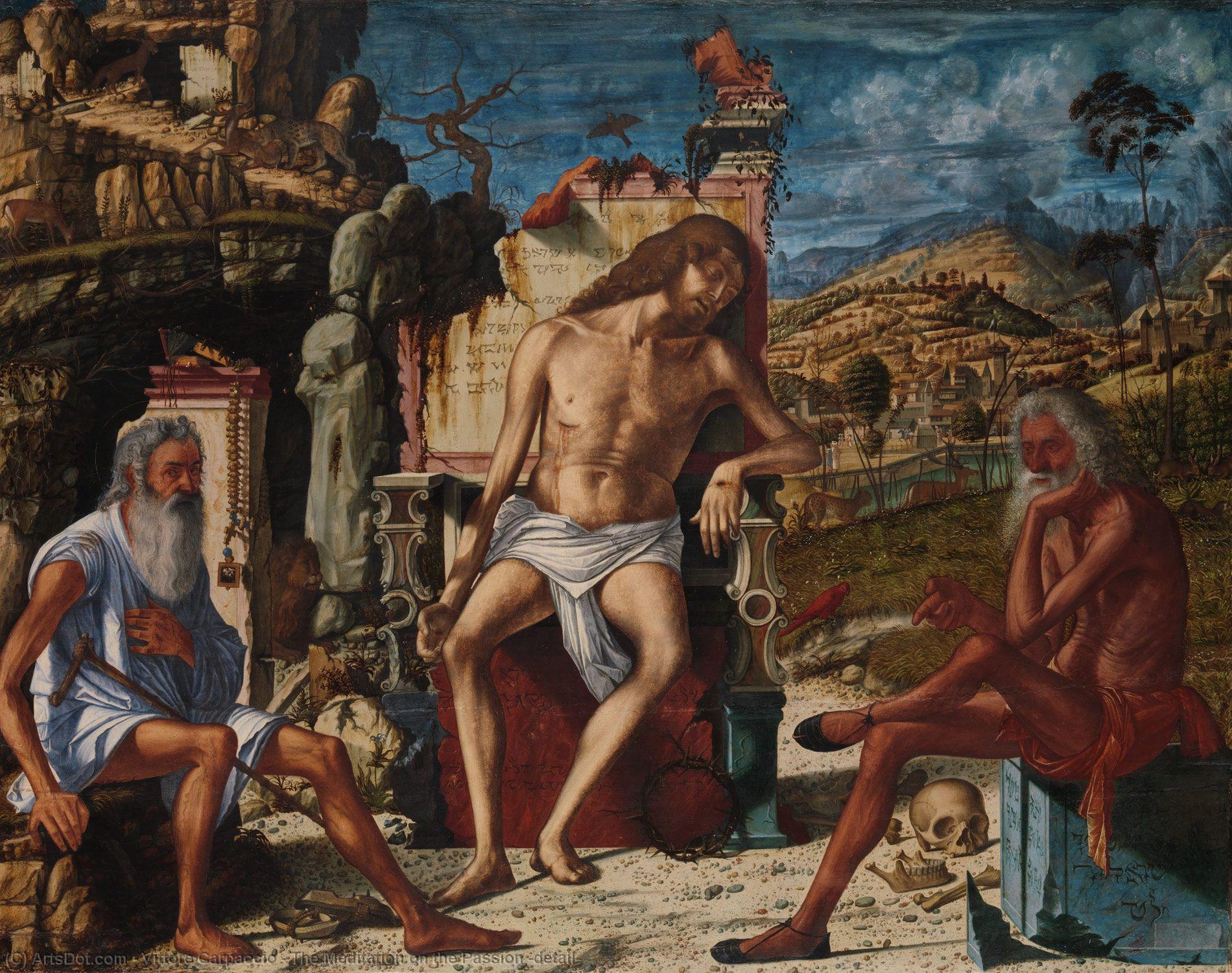
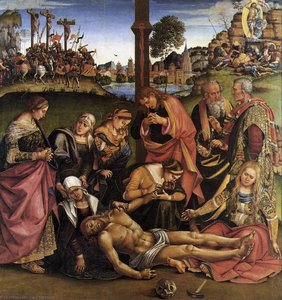
The Meditation on the Passion (detail)


 Pročitaj više
Giclee štampa / Umetnički otisak
Giclée štampa ili print na platnu muzejskog kvaliteta uz brzu proizvodnju i fleksibilne opcije završne obrade. ( Kupi ručno naslikanu sliku Kupi digitalnu sliku)




P118B $10

P118H $10

P118W $10

P438Z $10

P508JH $12

P508YH $12

P805H $10

P805Z $10

P919BZ $10

P919G $10

P919XJ $10

P959ZH $10

P968JZ $12

W106C $8

W218G $10

W218JH $8

W218Y $10

W307PJ $10

W316G $10

W316PJ $8

W316Y $10

W398PJ $8

W4111J $10

W500HY $15

W500JH $15

W692G $12

W849H $8

W940BG $15

W953PJ $8




Izaberite jednu od naših unapred definisanih veličina koje odgovaraju originalnim proporcijama umetničkog dela.

Možete uneti sopstvene dimenzije kako biste umetničko delo prilagodili specifičnom okviru ili prostoru. Ako odabrani format ne odgovara proporcijama originalne slike, mi ćemo ili iscrtati deo dela ili proširiti sliku pomoću ogledane ivice ili jednobojnog popunjavanja. Digitalni prikaz će vam biti poslat na odobrenje pre početka proizvodnje.
Imajte na umu da pregled na ekranu ne odražava stvarno iscrtavanje ili proširivanje. Samo će prikaz (mockup) precizno pokazati finalnu kompoziciju.
Iako su prilagođene dimenzije dostupne, preporučujemo da odaberete dimenziju sa unapred definisane liste kako biste očuvali originalne proporcije.
Dostava širom sveta () za 2 nedelje umesto uobičajenih 4/5 nedelja. (23 август)

Besplatna ekspresna dostava širom sveta

Visokokvalitetno laneno platno

Kompletno osiguranje transporta

Garancija povraćaja carine i uvoznih dažbina

Garancija vernosti boja

Politika povrata u roku od 60 dana (samo u slučaju nedostataka)

Garancija povrata novca od 100%

Popust pri grupnoj kupovini
 Opcija sa staklom dostupna je samo za dimenzije manje od 110 cm

The Meditation on the Passion (detail)
Giclee štampa / Umetnički otisak
Dimenzije reprodukcije
-


Konačna cena
$ 62
Opis predmeta
A Meditation on Suffering and Hope: Carpaccio’s “The Meditation on the Passion”
Vittore Carpaccio's "The Meditation on the Passion," painted around 1490, is not merely a depiction of Christ’s death; it’s a profound exploration of mortality, faith, and the enduring promise of resurrection. This remarkable work, housed within the walls of the Metropolitan Museum of Art, offers a rare glimpse into the Venetian painter's distinctive style – a blend of early Netherlandish precision, Italian Renaissance color palettes, and a deeply humanistic sensibility that sets him apart from his contemporaries.
Carpaccio’s artistic approach diverges significantly from the prevailing humanist trends sweeping through Italy at the time. He eschewed the idealized forms and classical references favored by many of his peers, instead opting for a more restrained and narrative-driven style. His work is characterized by meticulous detail, particularly in architectural renderings and the rendering of fabrics – hallmarks inherited from his apprenticeship under Gentile Bellini. Yet, unlike Bellini’s often opulent displays, Carpaccio imbues his scenes with a palpable sense of solemnity and introspection, drawing heavily on the emotional intensity found in Early Netherlandish painting, notably Antonello da Messina.
The Composition: A Landscape of Loss and Longing
The scene unfolds against a dramatic backdrop of rugged mountains, their peaks shrouded in mist – a visual metaphor for the uncertainties and challenges of life. Below this imposing landscape sits a starkly barren terrain, punctuated by the broken remains of a throne upon which Christ’s lifeless body rests. This fragmented throne, inscribed with pseudo-Hebrew text referencing Job's faith (“I know that my redeemer liveth”), immediately establishes the central theme: the acceptance of suffering and the unwavering belief in divine redemption. The inscription itself is a powerful statement – echoing the biblical narrative of Job’s endurance through unimaginable hardship.
Carpaccio masterfully employs contrasting elements to heighten the emotional impact. To Christ's still form, we are presented with a vibrant, almost overwhelming landscape teeming with life—a stark juxtaposition that underscores the tragedy of death while simultaneously hinting at the promise of eternal life. The inclusion of several figures – including Saint Jerome meditating on the scene and Job contemplating the events – invites contemplation and adds layers of theological significance. The turbaned figures in the background, likely representing merchants from the East, speak to Venice’s thriving trade routes and its engagement with diverse cultures, further enriching the painting's narrative complexity.
Symbolism and Spiritual Depth
The painting is replete with symbolic details that deepen its meaning. The presence of a single bird, soaring upwards towards Christ’s head, represents the soul ascending to God – a potent image of resurrection and spiritual liberation. The scattered bones near Job's figure serve as a poignant reminder of mortality and the transience of earthly existence. Even the carefully chosen colors contribute to the overall mood: somber blues and browns dominate the scene, punctuated by flashes of vibrant red in the drapery, symbolizing both Christ’s blood and the intensity of his sacrifice.
Carpaccio's "The Meditation on the Passion" is more than just a religious depiction; it’s a meditation on the human condition. It confronts viewers with the realities of suffering, loss, and mortality while simultaneously offering a message of hope and redemption. Its enduring power lies in its ability to evoke profound emotional responses – prompting reflection on faith, resilience, and the eternal promise of salvation. This work stands as a testament to Carpaccio’s unique artistic vision and his masterful command of narrative painting.
Srodna umetnička dela


Biografija umetnika
Рани живот и формирање уметника
Виторе Карпачо, један од најистакнутијих венецијанских сликара ренесансе, рођен је у Венецији око 1465. године. Његово име се повремено среће и као Ветор Скарпанзо или Виторе Карпатио. Како су многи тадашњи уметници, и Карпачо је свој уметнички пут започео под менторством великог Ђентиле Белинија, познатог мајстора венецијанске школе сликања. Овај период учеништва био је од суштинског значаја за његов каснији развој и успех, пружајући му чврсту основу у техници и естетици.
Уметнички стил и инспирације
Карпачов стил се одликује конзервативним приступом, са минималним трагама хуманистичких тенденција које су током његовог живота трансформисале италијанско ренесансно сликарство. Уместо да следи најновије трендове, Карпачо је црпео инспирацију из радова Антонијела да Месине и уметности раног холандског сликарства. Ова необична комбинација стилова резултирала је препознатљивим приступом венецијанској школи, карактеристичним по пажњи према детаљу, реализму и наративном квалитету.
Најзначанија дела и наративна вештина
Иако није био познат по експериментисању са новим техникама, Карпачо је стекао велику славу захваљујући својој способности да прича приче кроз слике. Његово најпознатије дело, циклус слика Легенда о Светој Урсули, представља ремек-дело наративног сликарства. Ова серија од девет платна, данас изложена у Галеријама Академије у Венецији, демонстрира његову мајсторску вештину у приказивању сложених сцена и емоција. Слава Светој Урсули (1491) показује Карпачов таленат за хватање светла и боје, подсећајући на стил Ђованија Белинија. Чудо реликвије Крста на Риалту (1494) је још један пример његове способности да хармонично споји композицију и наратив.
Каријера, наслеђе и оријентални утицаји
Карпачо је своја главна дела створио између 1490. и 1519. године, што га сврстава међу раног мајсторе венецијанске ренесансе. Његов оријентални стил, видљив у делу Свети Ђорђе крштава Селените, одражава растући интерес за Левант и далеке земље. Иако је био изузетно талентован, Карпачово дело је често остајало у сенци његових савременика попут Ђованија Белинија или Ђорђонеа. Ипак, његов рад представља драгоцен део венецијанског сликарства и нуди уникатан поглед на живот и културу ренесансне Венеције.
Референце и даља читања
Откријте више о Витору Карпачу и венецијанској школи на ArtsDot.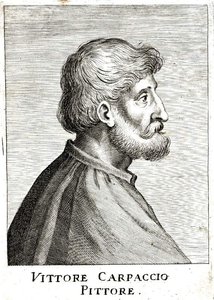
Виторе Карпачо
1465 - 1526 , Србија
Osnovne informacije
- Artistic Movement Or Style: Rani venecijanski renesans
- Artists Or Movements Influenced By This Artist: ['Rani nizozemski slikarstvo']
- Artists Who Influenced This Artist:
- Antonello da Messina
- Gentile Bellini
- Date Of Birth: Venecija, Italija (oko 1465)
- Date Of Death: 1526.
- Full Name: Vittore Carpaccio
- Nationality: Italijan
- Notable Artworks:
- Legenda o Sv. Ursuli
- Slava oltara Sv. Ursule
- Čudo relikvije krsta
- Place Of Birth: Venecija, Italija
Povezani članci
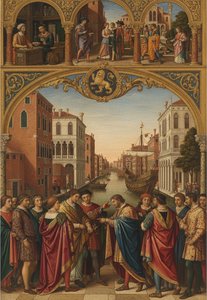
Vittore Carpaccio: Venetian Renaissance Narrative & the Poetics of Detail
Explore the captivating world of Vittore Carpaccio, a master storyteller of the Venetian Renaissance. Discover his intricate details, narrative cycles like 'The Legend of St. Ursula,' and unique artistic style.
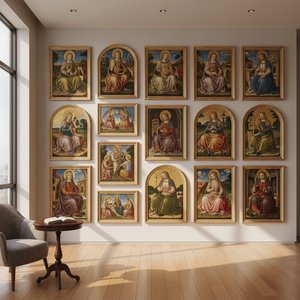
Fra Anđeo: 25 Remek-dela Renesansnog Duha za Vaš Dom | ArtsDot
Uronite u svet Fra Anđela – 25 remek-dela renesansnog slikara. Otkrijte priče iza njegovih čuvenih fresaka i oltarskih slika, inspiracija za enterijer i duhovni mir. Kupite reprodukcije vrhunskog kvaliteta na ArtsDot.com!

Jacopo Tintoretto: 25 Remek-dela Venecijanskog Majstora | Reprodukcije i Inspiracija za Dom
Uronite u svet Jacopa Tintoreta! Otkrijte 25 remek-dela venecijanskog renesansnog majstora. Istražite dramatične kompozicije, bogate boje i istoriju umetnosti na ArtsDot.com. Reprodukcije slika za luksuzni enterijer.

El Greco: 25 Remek-dela koji definišu Viziju i Duh (Reprodukcije za vaš Dom)
Istražite 25 remek-dela El Greka! Otkrijte priče iza njegovih ikoničnih slika, baroknog stila i duboke spiritualnosti. Reprodukcije vrhunskog kvaliteta za vaš dom na ArtsDot.com.
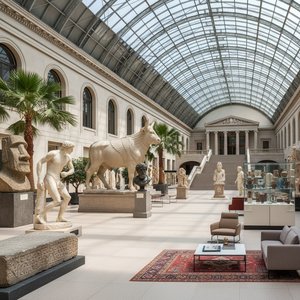
25 Remek-dela Britanskog muzeja: Umetnička baština za vaš dom | ArtsDot
Otkrijte 25 remek-dela Britanskog muzeja u Londonu! Istražite priče iza slika, skulptura i antikvitetnih blaga. Inspiracija za dekoraciju enterijera & reprodukcije vrhunskog kvaliteta na ArtsDot.com.

