 Pregledaj u prostoru
 Pošalji
 Podeli
 Detalji o delu

 Преузми
 Slični predmeti
 Rendgenski snimak
 Slajdovi
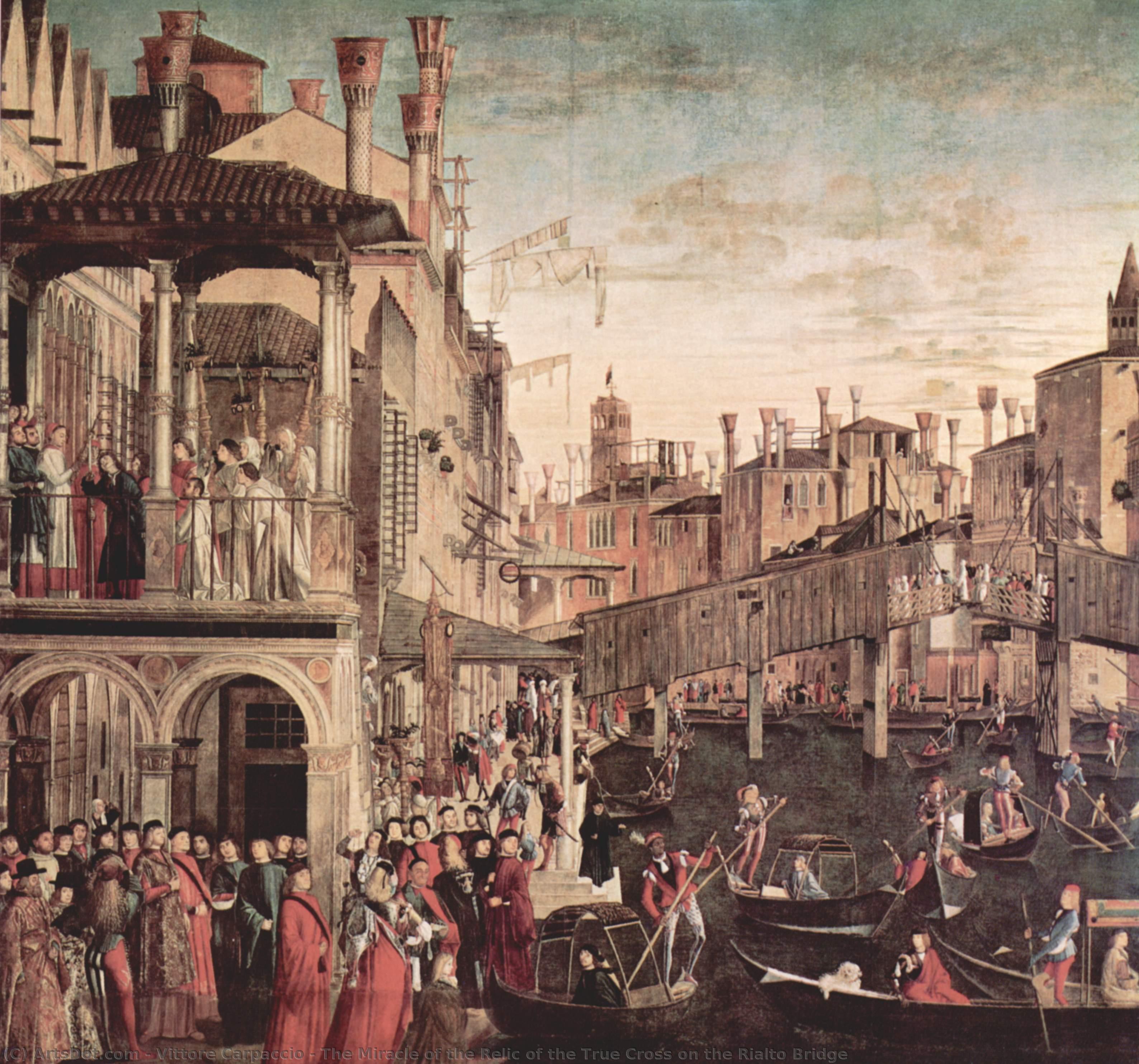
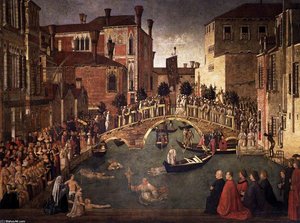
The Miracle of the Relic of the True Cross on the Rialto Bridge
 Acrylic On Canvas
- WallArt
- High Renaissance
 1494
1494 365.0 x 389.0 cm
 Galerije Akademija u Veneciji
 Pročitaj više
Giclee štampa / Umetnički otisak
Giclée štampa ili print na platnu muzejskog kvaliteta uz brzu proizvodnju i fleksibilne opcije završne obrade. ( Kupi ručno naslikanu sliku Kupi digitalnu sliku)




P118B $10

P118H $10

P118W $10

P438Z $10

P508JH $12

P508YH $12

P805H $10

P805Z $10

P919BZ $10

P919G $10

P919XJ $10

P959ZH $10

P968JZ $12

W106C $8

W218G $10

W218JH $8

W218Y $10

W307PJ $10

W316G $10

W316PJ $8

W316Y $10

W398PJ $8

W4111J $10

W500HY $15

W500JH $15

W692G $12

W849H $8

W940BG $15

W953PJ $8




Izaberite jednu od naših unapred definisanih veličina koje odgovaraju originalnim proporcijama umetničkog dela.

Možete uneti sopstvene dimenzije kako biste umetničko delo prilagodili specifičnom okviru ili prostoru. Ako odabrani format ne odgovara proporcijama originalne slike, mi ćemo ili iscrtati deo dela ili proširiti sliku pomoću ogledane ivice ili jednobojnog popunjavanja. Digitalni prikaz će vam biti poslat na odobrenje pre početka proizvodnje.
Imajte na umu da pregled na ekranu ne odražava stvarno iscrtavanje ili proširivanje. Samo će prikaz (mockup) precizno pokazati finalnu kompoziciju.
Iako su prilagođene dimenzije dostupne, preporučujemo da odaberete dimenziju sa unapred definisane liste kako biste očuvali originalne proporcije.
Dostava širom sveta () za 2 nedelje umesto uobičajenih 4/5 nedelja. (4 септембар)

Besplatna ekspresna dostava širom sveta

Visokokvalitetno laneno platno

Kompletno osiguranje transporta

Garancija povraćaja carine i uvoznih dažbina

Garancija vernosti boja

Politika povrata u roku od 60 dana (samo u slučaju nedostataka)

Garancija povrata novca od 100%

Popust pri grupnoj kupovini
 Opcija sa staklom dostupna je samo za dimenzije manje od 110 cm

The Miracle of the Relic of the True Cross on the Rialto Bridge
Giclee štampa / Umetnički otisak
Dimenzije reprodukcije
-


Konačna cena
$ 62
The Miracle of the True Cross at Rialto’s Heart
Vittore Carpaccio's “Miracle of the Relic of the True Cross at the Ponte di Rialto,” painted in 1496, isn’t merely a depiction of a Venetian street scene; it’s a vibrant snapshot of a city pulsating with faith, commerce, and the everyday drama of life. The painting, now residing within the Gallerie dell'Accademia in Venice, immediately draws the eye into a bustling marketplace, dominated by the iconic Rialto Bridge – a symbol not just of Venetian engineering but also of its position as a crucial crossroads between East and West. Yet, amidst the lively activity—the merchants hawking their wares, the elegantly dressed patricians strolling along the canal, and the boisterous gondoliers navigating the waterways—a smaller, more intimate scene unfolds in the lower left corner: the miraculous healing of a possessed man through the touch of a splinter from the True Cross. This juxtaposition is key to understanding Carpaccio’s masterful storytelling – he seamlessly blends the sacred and secular, inviting us to contemplate the intersection of divine intervention and human experience within the fabric of daily life.
Carpaccio's style, deeply rooted in the early Renaissance, reveals a fascinating blend of influences. He was apprenticed to Gentile Bellini, a master known for his dramatic narratives and rich color palettes, but he also absorbed elements from the more restrained and precise techniques of Antonello da Messina, a pioneer of oil painting in Venice. This combination results in an image that is both emotionally charged and meticulously rendered. The figures are not idealized; they possess a palpable sense of realism, reflecting Carpaccio’s keen observation of Venetian society. His use of perspective, though not entirely groundbreaking for the time, creates a convincing illusion of depth, drawing us into the heart of the scene. The color scheme is dominated by warm reds and golds – colors associated with piety and wealth – contrasted against the cool blues and greens of the canal and surrounding buildings, further emphasizing the contrast between the earthly and the divine.
A Window into Renaissance Venice
To truly appreciate “Miracle of the True Cross,” it’s essential to understand the context in which it was created. Venice in 1496 was a city at the height of its power and prosperity, a global trading hub connecting Europe with Asia, Africa, and the Middle East. The Rialto Bridge itself was the center of this bustling commerce, a symbol of Venetian ingenuity and economic dominance. The presence of diverse populations – merchants from across Europe, Arab traders, African slaves, and even travelers from distant lands – created a remarkably cosmopolitan atmosphere. Carpaccio’s painting captures this vibrant diversity with remarkable detail, depicting individuals from various social classes and ethnicities interacting within the same scene. The inclusion of Black gondoliers, for example, highlights Venice's complex relationship with slavery—a dark undercurrent beneath the city’s glittering façade.
The miracle itself – the healing of a possessed man through the touch of a splinter from the True Cross – was a deeply significant event in Venetian religious life. The relic was venerated throughout the city, and its purported power to cure illness and exorcise demons fueled countless miracles and pilgrimages. Carpaccio’s painting isn't simply illustrating a biblical story; it’s reflecting the fervent piety of the Venetian people and their belief in the tangible presence of God in their daily lives. The scene is imbued with a sense of urgency and drama, as the possessed man writhes on the ground while the patriarch bestows the miraculous splinter. The expressions on the faces of the onlookers – ranging from awe to skepticism – reveal the diverse range of beliefs and attitudes within Venetian society.
Symbolism and Emotional Resonance
Beyond its historical context, “Miracle of the True Cross” is rich in symbolism. The True Cross itself represents sacrifice, redemption, and the triumph over death—central themes in Christian theology. The splinter, a small fragment of this sacred relic, embodies divine power and healing. The setting – the bustling Rialto Bridge – symbolizes the intersection of faith and commerce, highlighting the idea that God’s grace can be found even within the most earthly of circumstances. The painting's composition—with its dynamic movement and carefully arranged figures—creates a sense of visual excitement and invites the viewer to become an active participant in the scene.
The emotional impact of “Miracle of the True Cross” is profound. It’s not a sentimental or overly dramatic depiction of faith; rather, it captures the raw intensity of human experience – suffering, hope, and the possibility of redemption. The painting evokes a sense of wonder and mystery, prompting us to contemplate the nature of miracles and their place in our own lives. It's a testament to Carpaccio’s skill as a storyteller—his ability to capture not just the visual details of a scene but also its emotional essence. Reproductions of this masterpiece continue to resonate with viewers today, offering a glimpse into the vibrant and complex world of Renaissance Venice.
Srodna umetnička dela
Biografija umetnika
Рани живот и формирање уметника
Виторе Карпачо, један од најистакнутијих венецијанских сликара ренесансе, рођен је у Венецији око 1465. године. Његово име се повремено среће и као Ветор Скарпанзо или Виторе Карпатио. Како су многи тадашњи уметници, и Карпачо је свој уметнички пут започео под менторством великог Ђентиле Белинија, познатог мајстора венецијанске школе сликања. Овај период учеништва био је од суштинског значаја за његов каснији развој и успех, пружајући му чврсту основу у техници и естетици.
Уметнички стил и инспирације
Карпачов стил се одликује конзервативним приступом, са минималним трагама хуманистичких тенденција које су током његовог живота трансформисале италијанско ренесансно сликарство. Уместо да следи најновије трендове, Карпачо је црпео инспирацију из радова Антонијела да Месине и уметности раног холандског сликарства. Ова необична комбинација стилова резултирала је препознатљивим приступом венецијанској школи, карактеристичним по пажњи према детаљу, реализму и наративном квалитету.
Најзначанија дела и наративна вештина
Иако није био познат по експериментисању са новим техникама, Карпачо је стекао велику славу захваљујући својој способности да прича приче кроз слике. Његово најпознатије дело, циклус слика Легенда о Светој Урсули, представља ремек-дело наративног сликарства. Ова серија од девет платна, данас изложена у Галеријама Академије у Венецији, демонстрира његову мајсторску вештину у приказивању сложених сцена и емоција. Слава Светој Урсули (1491) показује Карпачов таленат за хватање светла и боје, подсећајући на стил Ђованија Белинија. Чудо реликвије Крста на Риалту (1494) је још један пример његове способности да хармонично споји композицију и наратив.
Каријера, наслеђе и оријентални утицаји
Карпачо је своја главна дела створио између 1490. и 1519. године, што га сврстава међу раног мајсторе венецијанске ренесансе. Његов оријентални стил, видљив у делу Свети Ђорђе крштава Селените, одражава растући интерес за Левант и далеке земље. Иако је био изузетно талентован, Карпачово дело је често остајало у сенци његових савременика попут Ђованија Белинија или Ђорђонеа. Ипак, његов рад представља драгоцен део венецијанског сликарства и нуди уникатан поглед на живот и културу ренесансне Венеције.
Референце и даља читања
Откријте више о Витору Карпачу и венецијанској школи на ArtsDot.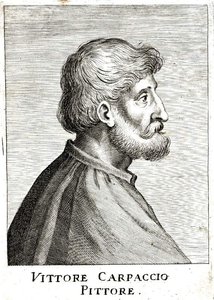
Виторе Карпачо
1465 - 1526 , Србија
Osnovne informacije
- Artistic Movement Or Style: Rani venecijanski renesans
- Artists Or Movements Influenced By This Artist: ['Rani nizozemski slikarstvo']
- Artists Who Influenced This Artist:
- Antonello da Messina
- Gentile Bellini
- Date Of Birth: Venecija, Italija (oko 1465)
- Date Of Death: 1526.
- Full Name: Vittore Carpaccio
- Nationality: Italijan
- Notable Artworks:
- Legenda o Sv. Ursuli
- Slava oltara Sv. Ursule
- Čudo relikvije krsta
- Place Of Birth: Venecija, Italija
Povezani članci
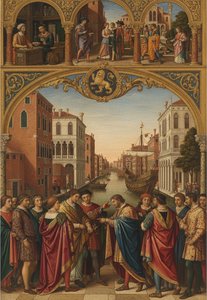
Vittore Carpaccio: Venetian Renaissance Narrative & the Poetics of Detail
Explore the captivating world of Vittore Carpaccio, a master storyteller of the Venetian Renaissance. Discover his intricate details, narrative cycles like 'The Legend of St. Ursula,' and unique artistic style.
The Art of Italian Living: Transform Your Home with Timeless Landscapes and Renaissance Masterpieces
Elevate your home with the timeless romance of Italy. Discover expert-curated, hand-painted Italian landscapes and Renaissance-inspired masterpieces. From bespoke oil reproductions to custom portraits from photos, transform your space with elegance and artistic passion.
Civic Virtue and Artistic Rivalry: Patronage and Innovation in the Italian Renaissance Republics, 1400–1600
Explore the Italian Renaissance! Discover how competitive patronage & humanist ideals fueled artistic innovation in republics like Florence & Venice. Expert insights for art lovers and collectors.
Mario Sironi: A Poetic of Modern Italian Identity Through Symbolism & Social Commentary
Explore the profound works of Mario Sironi, a key figure in Italian Modernism. Discover his evolution from Futurism to Metaphysical painting and his powerful social commentary. Learn about his legacy at ArtsDot.
Giovanni Fattori: Realism, Identity & the Tuscan Landscape – A Macchiaioli Master
Explore the life & art of Giovanni Fattori, a leading figure of the Macchiaioli movement. Discover his revolutionary realism, captivating Tuscan landscapes, and lasting impact on Italian painting. Learn more at ArtsDot.