

 Pregledaj u prostoru
 Pošalji
 Podeli
 Detalji o delu

 Преузми
 Slični predmeti
 Rendgenski snimak
 Slajdovi
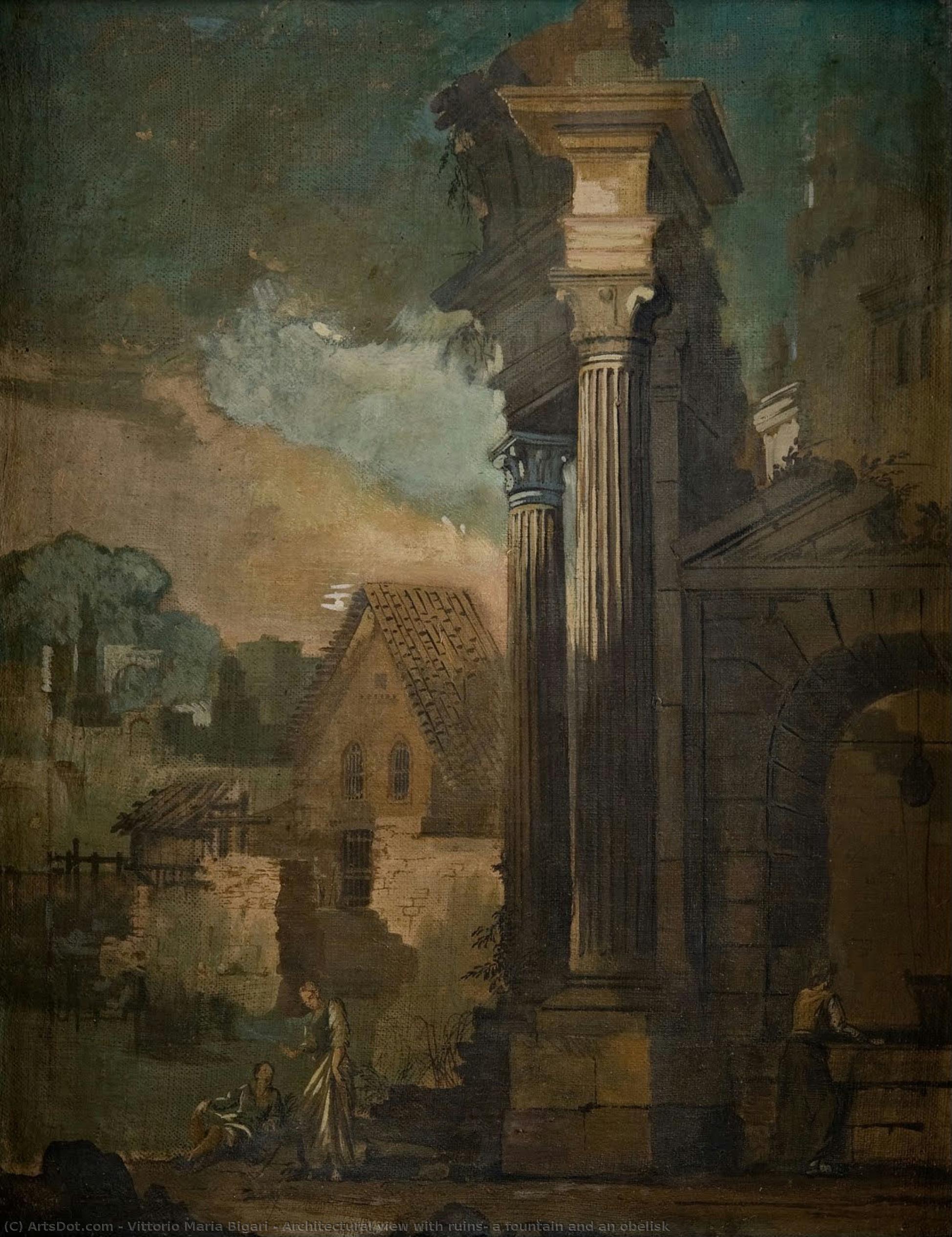
Architectural view with ruins, a fountain and an obelisk


 Pročitaj više
Giclee štampa / Umetnički otisak
Giclée štampa ili print na platnu muzejskog kvaliteta uz brzu proizvodnju i fleksibilne opcije završne obrade. ( Kupi ručno naslikanu sliku Kupi digitalnu sliku)




































Izaberite jednu od naših unapred definisanih veličina koje odgovaraju originalnim proporcijama umetničkog dela.

Možete uneti sopstvene dimenzije kako biste umetničko delo prilagodili specifičnom okviru ili prostoru. Ako odabrani format ne odgovara proporcijama originalne slike, mi ćemo ili iscrtati deo dela ili proširiti sliku pomoću ogledane ivice ili jednobojnog popunjavanja. Digitalni prikaz će vam biti poslat na odobrenje pre početka proizvodnje.
Imajte na umu da pregled na ekranu ne odražava stvarno iscrtavanje ili proširivanje. Samo će prikaz (mockup) precizno pokazati finalnu kompoziciju.
Iako su prilagođene dimenzije dostupne, preporučujemo da odaberete dimenziju sa unapred definisane liste kako biste očuvali originalne proporcije.
Dostava širom sveta () za 2 nedelje umesto uobičajenih 4/5 nedelja. (7 септембар)

Besplatna ekspresna dostava širom sveta

Visokokvalitetno laneno platno

Kompletno osiguranje transporta

Garancija povraćaja carine i uvoznih dažbina

Garancija vernosti boja

Politika povraćaja u roku od 100 dana (isključivo u slučaju nedostataka)

Garancija povrata novca od 100%

Popust pri grupnoj kupovini
 Opcija sa staklom dostupna je samo za dimenzije manje od 110 cm

Architectural view with ruins, a fountain and an obelisk
Giclee štampa / Umetnički otisak
Dimenzije reprodukcije
-


Konačna cena
$ 62
Srodna umetnička dela








Biografija umetnika
Joseph Highmore: A Master of English Conversation Pieces
Born in London on June 13, 1692, and passing away in Canterbury on March 3, 1780, Joseph Highmore stands as a pivotal figure in the history of British painting. Initially discouraged from pursuing art by his family’s mercantile background, Highmore’s innate talent eventually led him to study at Kneller's Academy, laying the foundation for a distinguished career spanning over six decades. His work, characterized by its elegant portraits, intimate conversation pieces, and subtle historical subjects, reflects both the Rococo influences sweeping through Europe and a distinctly English sensibility – a blend of formality and relaxed observation that defined his unique style.
Highmore’s early artistic development was heavily influenced by Jonathan Richardson, a prominent figure in the Royal Academy and known for his satirical and philosophical approach to portraiture. However, as he matured, Highmore moved beyond Richardson's direct imitation, embracing the more refined aesthetics of the Rococo period while retaining a core of English realism. This transition is particularly evident in works like “Mr Oldham and Friends” (c. 1750), which showcases a remarkable balance between formal elegance and a palpable sense of immediacy – a characteristic that would become hallmarks of his oeuvre.
The Rise to Prominence: Patronage and Narrative Painting
By the 1720s, Highmore had established himself as a respected portraitist in London’s social circles. His ability to capture likenesses with remarkable accuracy and create engaging compositions quickly garnered him commissions from wealthy patrons, including members of the royal family. This period saw the emergence of his signature “conversation piece” style – intimate scenes depicting figures engaged in leisurely pursuits, often within domestic settings. These works weren't merely portraits; they were carefully constructed narratives designed to showcase the sitter’s status and refinement.
A significant turning point in Highmore’s career came with his involvement in illustrating Samuel Richardson’s novel *Pamela*. Commissioned in 1743-4, this twelve-part series cemented his reputation as a skilled narrative painter. The illustrations, characterized by their directness and emotional resonance, demonstrated a shift towards a more accessible and engaging style of storytelling – a move that foreshadowed the rise of British narrative painting alongside artists like Hogarth and Hayman. This project established Highmore as a key figure in initiating a distinctly British approach to depicting stories within paintings.
Technique and Influences: A Synthesis of Styles
Highmore’s technical skill was remarkable, rooted in a deep understanding of anatomy, perspective, and color theory. He meticulously studied the works of Rubens and Van Dyck during his visits to the Low Countries and Paris, absorbing their techniques and incorporating them into his own style. However, he never simply copied these masters; instead, he synthesized their influences with his own observations and sensibilities.
His use of light and shadow was particularly noteworthy, creating a sense of depth and atmosphere that brought his subjects to life. He employed subtle gradations of color and carefully rendered details to convey texture and form. Furthermore, Highmore’s attention to detail extended beyond the visual realm; he meticulously researched the costumes, furnishings, and settings depicted in his paintings, ensuring historical accuracy and a sense of authenticity.
Legacy and Historical Significance
Joseph Highmore's contribution to British painting is considerable. He bridged the gap between the formal conventions of earlier portraiture and the more relaxed and engaging style of the Rococo era, establishing a distinctly English aesthetic that resonated with his contemporaries. His “conversation pieces” offered intimate glimpses into the lives of England’s elite, while his narrative illustrations demonstrated a growing interest in depicting stories within paintings.
Beyond his artistic achievements, Highmore was also a respected writer and critic, contributing to the intellectual discourse surrounding art at the time. His later years were dedicated to publishing critical essays on Rubens' ceiling decorations in Whitehall Palace and exploring the principles of color theory, solidifying his legacy as both a painter and a scholar. Joseph Highmore’s work continues to be admired for its elegance, sophistication, and enduring appeal, securing his place as one of the most important figures in 18th-century British art.
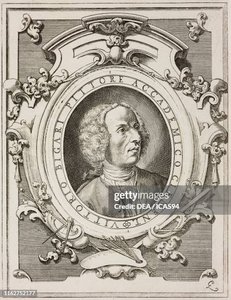
vittorio maria bigari
1692 - 1776 , Italy
Osnovne informacije
- Artistic Movement Or Style: Portraiture, Conversation pieces
- Artists Or Movements Influenced By This Artist:
- Hayman
- Rococo painting
- Artists Who Influenced This Artist:
- Jonathan Richardson
- Hogarth
- Date Of Birth: June 13, 1692
- Date Of Death: March 3, 1780
- Full Name: Joseph Highmore
- Nationality: English
- Notable Artworks:
- Equestrian Portrait of King George II
- Conversation Piece
- Place Of Birth: London, England