

 Pregledaj u prostoru
 Pošalji
 Podeli
 Detalji o delu

 Преузми
 Slični predmeti
 Rendgenski snimak
 Slajdovi
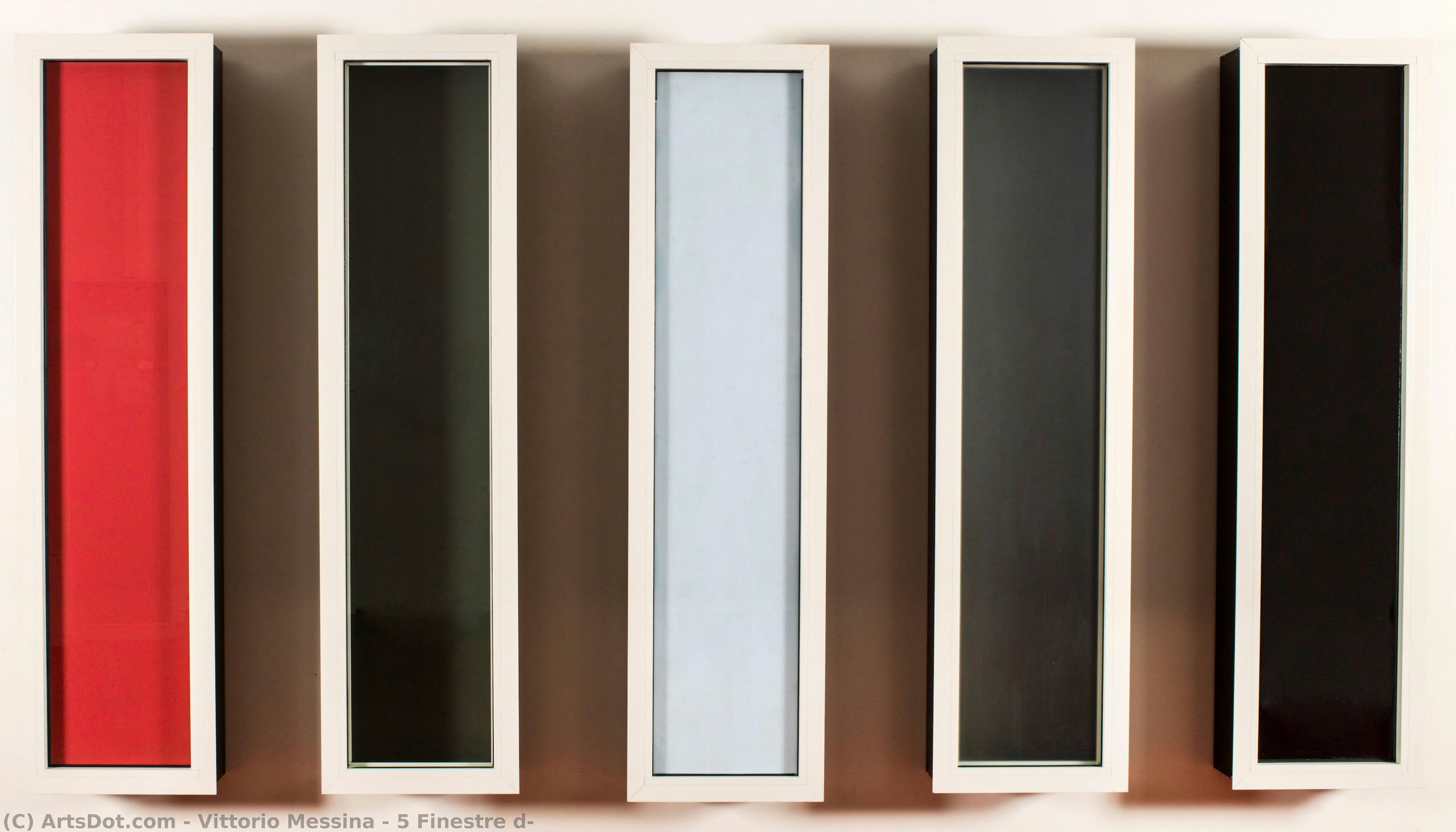
5 Finestre d
 54.0 x 204.0 cm
 Ministero degli Affari Esteri e della Cooperazione Internazionale. Collezione Farnesina
 Pročitaj više
Ručno rađena uljana reprodukcija
Ručno oslikano uljanim bojama na platnu u dimenzijama i okviru po vašem izboru, izrađeno po porudžbini od strane naših umetnika. ( Kupi print Kupi digitalnu sliku)




































Izaberite jednu od naših unapred definisanih veličina koje odgovaraju originalnim proporcijama umetničkog dela.

Можете унети сопствене димензије како бисте прилагодили дело одређеном оквиру или простору. Ако одабрана величина не одговара пропорцијама оригинала, слика ће бити исечена или проширена додатним елементима који се ручно насликавају. Дигитални prikaz ће вам бити послат на одобрење пре почетка производње.
Имајте на уму да преглед на екрану не одражава стварно исецање или проширење. Само приказ (mockup) ће тачно приказати коначну композицију.
Иако су доступне прилагођене величине, препоручујемо да одаберете димензију из дефинисане листе како бисте сачували оригиналне пропорције.
Nakon narudžbine, tim ArtsDot.com će klijentu putem e-pošte poslati uputstva i dostaviti prikaz predloženog rešenja
Isporuka širom sveta () za 3/4 nedelje umesto uobičajenih 5 nedelja. (7 септембар). Bez kompromisa po pitanju kvaliteta.

Besplatna ekspresna dostava širom sveta

Visokokvalitetno laneno platno

Kompletno osiguranje transporta

Garancija povraćaja carine i uvoznih dažbina

Garancija vernosti boja

Politika povraćaja u roku od 100 dana (isključivo u slučaju nedostataka)

Garancija povrata novca od 100%

Popust pri grupnoj kupovini
 Opcija sa staklom dostupna je samo za dimenzije manje od 110 cm

5 Finestre d
Tehnika reprodukcije
Dimenzije reprodukcije
-


Konačna cena
$ 263
Srodna umetnička dela









Biografija umetnika
Early Life and Artistic Foundations
Vittorio Messina, born in 1946 in the Sicilian town of Zafferana Etnea, Italy, emerged from a landscape steeped in both natural beauty and a complex history—a duality that would profoundly shape his artistic vision. The volcanic terrain surrounding his birthplace, with its stark contrasts and elemental power, instilled in him an early sensitivity to physicality and scale. While formal art training provided a foundational skillset, Messina’s true education began through direct engagement with the world around him, observing the interplay of natural forces and human intervention upon the Sicilian landscape.
His initial artistic explorations were rooted in a desire to understand how structures—both physical and societal—are built, maintained, and ultimately perceived. This nascent curiosity led him towards site-specific sculpture and installation art, mediums that allowed for a direct dialogue with architecture and the surrounding environment. Messina wasn’t interested in creating objects *within* space; he sought to create spaces themselves, imbued with meaning through careful consideration of form, material, and context.
The Interplay of Minimalism and Arte Povera
Messina's artistic development in the late 1970s was significantly influenced by two prominent movements: Minimalism and *arte povera*. From Minimalism, he absorbed a concern for essential geometric forms and the reduction of art to its fundamental elements. However, unlike the often pristine and impersonal aesthetic of some Minimalist works, Messina’s sculptures retained a distinctly human touch—a rawness and vulnerability that spoke to the complexities of existence.
The *arte povera* movement, with its embrace of everyday materials and rejection of traditional artistic conventions, provided another crucial impetus. Messina began incorporating organic elements into his early work, juxtaposing them with industrial components—a practice that highlighted the tension between nature and technology, construction and decay. This fusion wasn’t merely aesthetic; it was a philosophical statement about the precariousness of modern life and the inherent instability of built environments.
Site-Specific Installations: Architecture as Metaphor
Messina quickly gained recognition for his site-specific installations—works that were conceived in direct response to their surroundings, often transforming existing architectural spaces into evocative metaphors. A pivotal early work, inspired by Franz Kafka’s short story “The Great Wall of China,” demonstrated his ability to imbue familiar structures with layers of symbolic meaning. He didn't simply replicate the wall; he explored its fragmented construction and the anxieties it represented—a testament to human ambition and the relentless passage of time.
His later installations, such as “Cinque celle a schiera per una casa fuori citta, ma abbastanza vicina” (Five grouped cells for a house outside the city, but quite near), further refined this approach. These works often featured cubic rooms constructed from prefabricated materials like ytong and cement panels, interspersed with found objects—worn-out furniture, discarded appliances, kitsch wallpaper—creating unsettling yet compelling environments that reflected the condition of urban life. The deliberate visibility of construction elements – exposed cables, clamps, and commercial stamps – underscored the artificiality of modern existence.
Philosophical Undercurrents and Contemporary Relevance
Beneath the formal concerns of scale and architecture lies a profound philosophical inquiry into the nature of society, anxiety, and human values. Messina’s work consistently questions the structures we build—not just physical buildings, but also the social and psychological frameworks that shape our lives. His use of fragmented forms and incomplete constructions suggests a sense of instability and impermanence, reflecting a world grappling with rapid change and uncertainty.
The artist's exploration of materials is equally significant. By employing brand-new industrial components alongside discarded objects, he highlights the tension between consumerism and decay, progress and obsolescence. His inclusion of everyday items—a chair, a refrigerator, flowers left to die—imbues his installations with a poignant sense of human presence, reminding viewers of the fragility and ephemerality of existence.
Legacy and Continued Practice
Vittorio Messina’s work has been exhibited in numerous key galleries and museums throughout Italy and abroad, solidifying his position as a leading figure in contemporary Italian sculpture. His influence can be seen in the work of younger artists who explore similar themes of architecture, scale, and societal critique.
Currently residing and working in Rome, Messina continues to push the boundaries of installation art, creating thought-provoking works that challenge viewers to question their perceptions of space, structure, and the human condition. His enduring legacy lies not only in his striking visual aesthetic but also in his ability to intertwine the physical with the philosophical, offering a powerful commentary on the complexities of modern life.
vittorio messina
1946 - , Italy
Osnovne informacije
- Artistic Movement Or Style: Minimalism, Arte Povera
- Date Of Birth: 1946
- Full Name: Vittorio Messina
- Nationality: Italian
- Notable Artworks:
- The Great Wall of China
- Cinque celle a schiera
- Piccolo portico in una regione piovosa
- In morte di Patroclo
- Place Of Birth: Zafferana Etnea, Italy