

 Pregledaj u prostoru
 Pošalji
 Podeli
 Detalji o delu

 Преузми
 Slični predmeti
 Rendgenski snimak
 Slajdovi
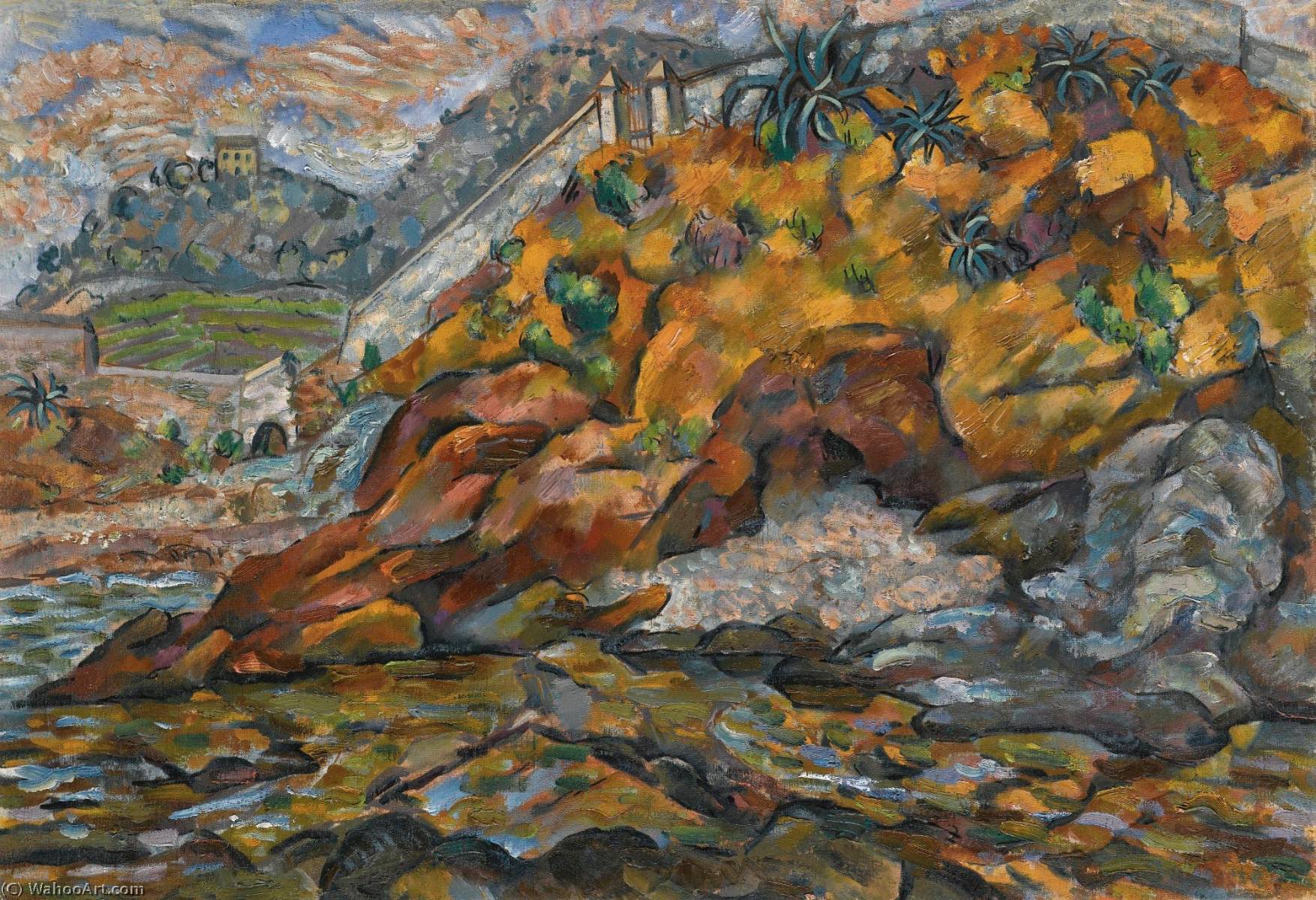
The View near Bastia
 Pročitaj više
Kupite digitalnu sliku visoke rezolucije i poboljšanog kvaliteta, koja je znatno superiornija od onoga što vidite u online prikazu.
Svaka datoteka je pedantno pripremljena od strane naših stručnjaka koristeći napredne alate i profesionalnu ručnu retušu. Osiguravamo da svaka slika ima izuzetnu oštrinu, preciznu reprodukciju boja i fine detalje.
Konačna datoteka se dostavlja putem e-pošte u roku od 72 sata, optimizovana za neposrednu upotrebu u profesionalnim, izdavačkim i štamparskim okruženjima. To je isti kvalitet kojem veruju vrhunski studiji dizajna, izdavači i galerije.
Digitalna slika
Preuzmite datoteku visoke rezolucije za ličnu upotrebu, štampanje i kreativne projekte. ( Kupi print Kupi ručno naslikanu sliku)
Uključeno uz svaku porudžbinu digitalne slike
Profesionalna digitalna isporuka, zagarantovana
Kada odaberete ArtsDot.com, ne dobijate samo sliku – vi primate profesionalno unapređeno digitalno umetničko delo, izrađeno sa najvećom preciznošću i uz garanciju zadovoljstva. Evo svega što automatski dolazi uz vašu porudžbinu:

Brza dostava putem e-pošte
Vaša digitalna slika visoke rezolucije biće vam poslata putem e-pošte u roku od 72 sata od poručivanja – spremna za trenutnu upotrebu.

Digitalna datoteka unapređena veštačkom inteligencijom
Vaše umetničko delo je profesionalno optimizovano korišćenjem naprednih AI alata i ručne obrade, čime se osiguravaju maksimalni detalji, oštrina i preciznost boja.

Besplatna ponovna isporuka doživotno
Slučajno ste obrisali ili izgubili svoju datoteku? Ne brinite – poslaćemo vam je ponovo u bilo kom trenutku, potpuno besplatno.

Bez troškova uvoza – zauvek
Uživajte u svojim umetničkim delima trenutno, bez carine, dažbina ili troškova dostave – digitalni download je uvek bez poreza.

Garancija vernosti boja
Uz pomoć profesionalnih alata i upravljanja bojama, osiguravamo da vaša digitalna slika što vernije odražava originalne boje.

Garancija zadovoljstva od 100 dana
Ako niste zadovoljni svojom digitalnom slikom, izvršićemo reviziju ili ćemo vam vratiti 100% novca u roku od 100 dana – bez ikakvih pitanja.

100% garancija povrata novca
Niste zadovoljni? Dobijte puni povraćaj novca u roku od 100 dana od prijema digitalne datoteke – bez suvišnih pitanja.

Popusti na velike porudžbine
Kupite 3 slike, uštedite 10% - Kupite 5 slika, uštedite 15% - Kupite 10+ slika, uštedite 20%. Odlično za kreativne projekte, galerije i agencije.
Srodna umetnička dela








Biografija umetnika
A Life Painted in Avant-Garde Hues: Vladimir Baranov-Rossiné
Vladimir Davidovich Baranov-Rossiné, a name resonating with the dynamism of Cubo-Futurism and the tragic echoes of 20th-century upheaval, was an artist whose life embodied the spirit of innovation cut short by unimaginable brutality. Born Shulim Wolf Leib Baranov in 1888 in Velyka Lepetykha, Kherson Governorate (present-day Ukraine), his journey traversed the artistic landscapes of Russia, France, and Norway before culminating in the horrors of Auschwitz in January 1944. He wasn’t merely a painter; he was an inventor, a pioneer of synaesthetic art, and a figure whose contributions extended beyond the canvas into the realms of military technology and performance. His early education at the School of the Society for the Furthering of the Arts in St. Petersburg laid the foundation for his formal training at the Imperial Academy of Arts, though his rebellious spirit led to expulsion after only a year. This dismissal didn’t deter him; instead, it propelled him into the burgeoning avant-garde circles of Kyiv, where he exhibited with the group Zveno alongside David and Wladimir Burliuk, artists who would become pivotal figures in Russian Modernism.From La Ruche to the Russian Vanguard
The allure of Paris drew Baranov-Rossiné in 1910, and he found himself immersed within the vibrant community of La Ruche – a legendary artist’s colony teeming with talent. Here, amongst contemporaries like Alexander Archipenko and Sonia Delaunay-Terk, his artistic voice began to solidify. He embraced Cubo-Futurism, dissecting forms and exploring fragmented perspectives that reflected the accelerating pace of modern life. His paintings from this period demonstrate a keen understanding of color theory and composition, hinting at the synaesthetic explorations that would later define his most ambitious work. The outbreak of World War I prompted a return to Russia in 1914, followed by a period spent in Norway where he continued to exhibit, maintaining a connection to the artistic world despite the escalating conflict. Upon his definitive return to Russia in 1918, Baranov-Rossiné became deeply involved with the revolutionary art scene, participating in exhibitions organized by Mir Iskusstva (World of Art) and the Jewish Society for the Furthering of the Arts alongside luminaries like El Lissitzky and David Shterenberg. This period marked a peak in his artistic activity, as he sought to integrate his work into the new social order.The Optophonic Piano: A Synthesis of Senses
Baranov-Rossiné’s most groundbreaking achievement was undoubtedly the creation of the ‘Optophonic Piano,’ first presented in 1924 at the Bolshoi Theatre in Moscow. This wasn't simply a musical instrument; it was a synaesthetic machine designed to translate sound into light, color, and texture – a holistic sensory experience. The piano utilized a complex system of keys and mechanisms that triggered not only notes but also corresponding visual projections, creating an immersive environment where music could be *seen* as well as heard. This invention reflected his deep fascination with the interconnectedness of the senses and foreshadowed later developments in multimedia art and performance. He envisioned a future where art transcended traditional boundaries, engaging all aspects of human perception. Beyond this ambitious project, Baranov-Rossiné’s inventive mind led him to explore practical applications of color theory, most notably in the field of military camouflage.Camouflage and Tragedy: A Final Chapter
Driven by his experimentation with color, Baranov-Rossiné developed a revolutionary technique for military camouflage, known as the Cameleon process or pointillist dynamic camouflage, which he marketed alongside Robert Delaunay. This wasn’t merely about blending into the environment; it involved creating patterns that disrupted visual perception, making objects harder to detect. He even patented a “photochromometer” for analyzing precious stones and a machine for producing fizzy drinks – demonstrating his diverse range of interests and skills. However, this period of innovation was tragically cut short. In 1925, he emigrated back to France, seeking artistic freedom and opportunity. The shadow of World War II loomed large, and in 1943, during the German occupation, Baranov-Rossiné was arrested and deported to Auschwitz. He perished there in January 1944, a victim of the Holocaust, his vibrant life extinguished by hatred and intolerance.A Legacy Rediscovered
Vladimir Baranov-Rossiné’s legacy extends far beyond his tragically abbreviated career. His Cubo-Futurist paintings offer a compelling glimpse into the artistic ferment of the early 20th century, while his Optophonic Piano stands as a testament to his visionary spirit and pioneering exploration of synaesthetic art. His innovative camouflage techniques, though often overlooked, represent a significant contribution to military technology. Today, there is a growing recognition of his importance within the broader context of Russian Avant-Garde and Parisian Modernism. His story serves as a poignant reminder of the fragility of artistic expression in times of conflict and the enduring power of creativity to transcend boundaries – even in the face of unimaginable darkness. His work continues to inspire artists and thinkers, urging us to explore the interconnectedness of senses, challenge conventional perceptions, and remember those whose voices were silenced too soon.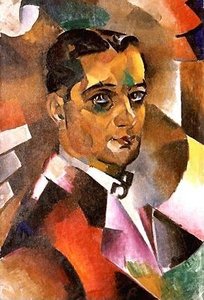
vladimir davidovich baranov rossine
1888 - 1944
Kratke činjenice
- Artistic Movement Or Style: Post-Impressionism
- Artists Or Movements Influenced By This Artist:
- Expressionism
- Van Gogh's work
- Artists Who Influenced This Artist:
- Eugène Delacroix
- Edgar Degas
- Paul Gauguin
- Date Of Birth: March 30, 1853
- Date Of Death: July 29, 1890
- Full Name: Vincent Willem van Gogh
- Nationality: Dutch
- Notable Artworks:
- Sunflowers
- Bedroom in Arles
- Starry Night
- Wheatfield with Crows
- Place Of Birth: Ghent, Belgium