 Pregledaj u prostoru
 Pošalji
 Podeli
 Detalji o delu

 Преузми
 Slični predmeti
 Rendgenski snimak
 Slajdovi
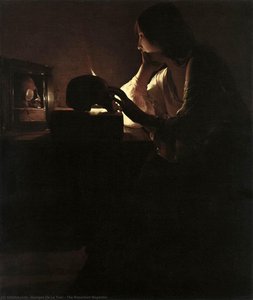
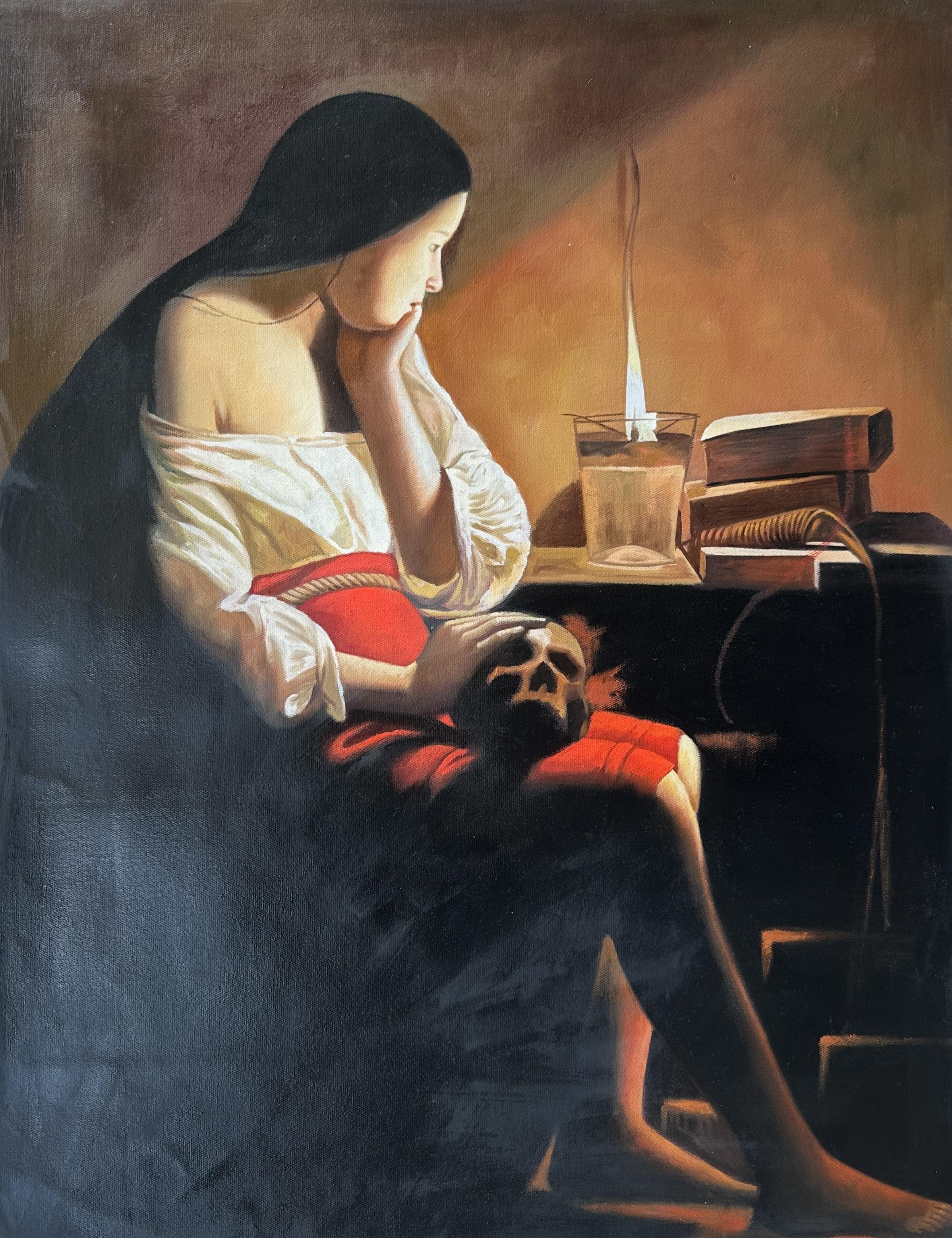
Magdalene with the Smoking Flame - Georges de La Tour
 Akril
Akril- Umetnost za zidove
- Baroque Art
 2026
2026- Studio Hand Painted Art Available Now
 60 x 80 cm
- Artwork Reference (Famous): Magdalen with the Smoking Flame
 Pročitaj više
Ulje na platnu iz zaliha – dostupno uz popust
Rukom oslikano ulje na platnu na stanju, spremno za isporuku; dodajte uokvirivanje prilikom plaćanja. ()





































Besplatna ekspresna dostava širom sveta

Visokokvalitetno laneno platno

Kompletno osiguranje transporta

Garancija povraćaja carine i uvoznih dažbina

Garancija vernosti boja

Politika povrata u roku od 60 dana (samo u slučaju nedostataka)

Garancija povrata novca od 100%

Popust pri grupnoj kupovini
 Opcija sa staklom dostupna je samo za dimenzije manje od 110 cm

Magdalene with the Smoking Flame - Georges de La Tour
Ulje na platnu iz zaliha – dostupno uz popust
Dimenzije reprodukcije
-


Ekspresna dostava
Brza međunarodna dostava. Jedna nedelja. (2 август).
Uključeno u cenu
Konačna cena
$ 102
Opis umetničkog dela
A Beacon in Darkness: Contemplation and Mortality
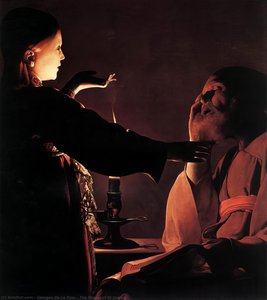
Georges de La Tour, a name synonymous with the dramatic intensity of the French Baroque, invites us into a world sculpted by light and shadow. This hand-painted acrylic reproduction captures the essence of his masterful style – a profound exploration of human emotion rendered through the stark contrast of tenebrism, a technique he elevated to an art form. The painting depicts a solitary woman, identified as Mary Magdalene, lost in contemplation. She isn’t presented in a scene of overt repentance, but rather in a moment of quiet introspection, her gaze directed inward.
The subject matter itself is steeped in symbolism. A skull rests upon her lap, a memento mori – a potent reminder of mortality and the fleeting nature of earthly existence. This isn’t a morbid image, however; it's an invitation to reflect on life’s deeper meaning. The single candle flame illuminating the scene is not merely a source of light but represents divine grace, knowledge, and perhaps even hope in the face of darkness. The rich blues and reds of her drapery add depth and warmth, contrasting beautifully with the somber tones that dominate the composition.
What truly sets this artwork apart is its emotional impact. De La Tour possessed an uncanny ability to convey inner turmoil and spiritual longing through subtle gestures and expressions. This reproduction faithfully captures that quality, drawing the viewer into Magdalene’s world of quiet reflection. The technical execution by ArtsDot's studio artisans is remarkable; each brushstroke mimics the texture and depth of the original oil painting, creating a piece that feels both authentic and deeply moving.
Collectors will value this artwork not only for its aesthetic beauty but also for its historical significance and artistic merit. It’s a testament to De La Tour's enduring legacy – his ability to transform religious narratives into intimate portraits of the human soul. Owning this piece is more than acquiring a painting; it’s inviting a moment of profound contemplation into your home.
Don’t miss the opportunity to own a stunning, hand-painted reproduction of a Baroque masterpiece! Our artisans meticulously recreate every detail, ensuring a museum-quality artwork that will be cherished for generations. Framing options are available to perfectly complement this captivating piece. Order yours today and experience the luminosity and spirituality of Georges de La Tour!
Srodna umetnička dela
Biografija umetnika
Georges de La Tour (1593–1652): French Baroque Master of Dramatic Chiaroscuro & Tenebrism
Georges de La Tour, a name that resonates with the hushed reverence reserved for masters of light and shadow, remains one of the most compelling figures of the French Baroque. Born in 1593 in Vic-sur-Seille, Lorraine—now Moselle—France, his life unfolded against a backdrop of religious fervor and political upheaval. While details surrounding his early training remain somewhat elusive—scholars speculate about potential journeys to Italy or apprenticeships with local artists like Jacques Bellange—the seeds of his artistic vision were undoubtedly sown in this environment. He wasn’t born into an artistically established family; his father was a baker, yet the circumstances of his mother's lineage hint at a possible connection to nobility, a subtle influence perhaps reflected in the dignity and quiet grace that permeate his work.
Early Life & Artistic Influences
Georges de La Tour’s educational background remains somewhat unclear, but it is assumed that he traveled either to Italy or the Netherlands early in his career. He may possibly have trained under Jacques Bellange in Nancy—the capital of Lorraine—although their styles are very different. His paintings reflect the Baroque naturalism of Caravaggio—the Italian master who revolutionized painting with his intensely realistic and emotionally charged scenes—yet this probably reached him through the Dutch *Caravaggisti* of the Utrecht School and other Northern contemporaries. Hendrick Terbrugghen, in particular, served as a significant model for La Tour’s stylistic development.
The Style of Vic-sur-Seille
La Tour's early works—primarily executed before 1630—demonstrate a distinctive style characterized by vibrant colors and dynamic compositions. These paintings reflect the influence of the Utrecht School, showcasing a heightened sense of realism and capturing the immediacy of everyday life. However, as his career progressed, he moved towards an increasingly introspective and minimalist aesthetic. He began to pare down compositions, focusing on essential forms and reducing extraneous details—creating scenes that felt both timeless and deeply personal.
Major Works & Recurring Themes
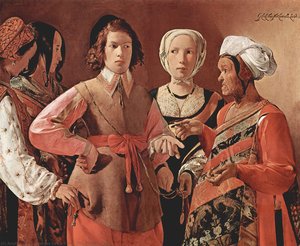
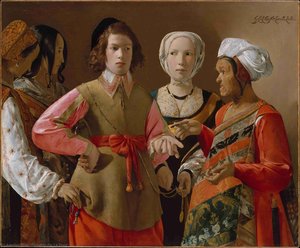
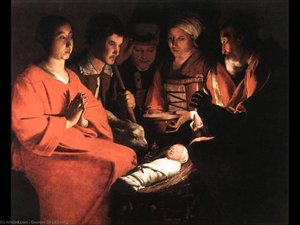
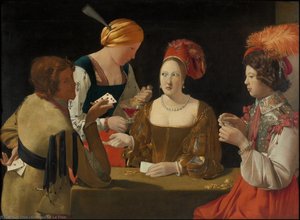
The hallmark of De La Tour's oeuvre is undoubtedly his masterful use of candlelight, which he employed not merely as a source of illumination but as a metaphor for divine grace and spiritual awakening. His paintings are often set at night, with figures bathed in the warm, flickering glow of a single candle or lamp. This creates an atmosphere of intimacy and quiet contemplation—drawing the viewer into the scene and inviting them to share in the emotional experience of the subjects. The Fortune-Teller, painted around 1630, exemplifies this early style—a lively genre scene rendered with sharp observation and dramatic lighting. But it is his later religious works that truly showcase his genius. Adoration of the Shepherds, created around 1640, demonstrates his ability to imbue a traditional subject with profound emotional resonance. The figures are not idealized or heroic; they are ordinary people—humbled by the presence of the divine. The Tears of Saint Peter, painted in the 1650s, is a particularly poignant example of his psychological insight—the apostle’s grief rendered with heartbreaking subtlety and realism. Saint Joseph Carpenter, another iconic work, depicts a serene domestic scene—highlighting De La Tour's mastery of capturing the quiet dignity of everyday life.
Legacy & Enduring Appeal
Despite achieving recognition during his lifetime—he was appointed “Painter to the King” by Louis XIII in 1638—De La Tour’s work fell into relative obscurity after his death in 1652. For centuries, many of his paintings were misattributed to other artists—and his name faded from art historical memory. It wasn't until the early 20th century that a concerted effort was made to rediscover and re-evaluate his oeuvre—led by scholars like Hermann Voss. This rediscovery revealed an artist of extraordinary originality and depth—whose work bridged the gap between Caravaggism and French Classicism. De La Tour’s innovative use of light and shadow—combined with his psychological insight into his subjects—continues to captivate audiences today. His paintings offer a glimpse into 17th-century life and spirituality—reflecting both the religious fervor and the social realities of his time. He remains celebrated for his ability to imbue everyday scenes with profound meaning and emotional depth
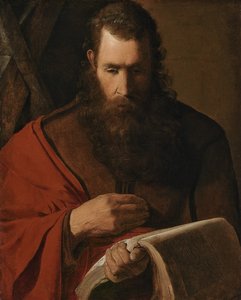
Жорж Де Ла Тур
1593 - 1652 , Француска
Osnovne informacije
- Artistic Movement Or Style: Baroque, Tenebrism
- Artists Who Influenced This Artist:
- Caravaggio
- Terbrugghen
- Date Of Birth: March 13, 1593
- Date Of Death: Jan. 30, 1652
- Full Name: Georges de La Tour
- Nationality: French
- Notable Artworks:
- Fortune Teller
- Adoration Shepherds
- Tears St Peter
- St Joseph Carpenter
- Place Of Birth: Vic-sur-Seille, France
Povezani članci

Georges Braque: 25 Remek-dela Kubizma za Inspirisanje Vašeg Doma | ArtsDot
Istražite 25 remek-dela Georges Braquea, pionira kubizma. Otkrijte priče iza slika, tehnike i inspiraciju za dizajn enterijera. Reprodukcije vrhunskog kvaliteta dostupne na ArtsDot.com! Pronađite savršeno umetničko delo online.

Francisco Goya: 25 Remek-dela Španskog Majstora za Vaš Dom | ArtsDot
Istražite 25 remek-dela Francisca Goya, španskog slikara romantizma i impresionizma. Portreti, tamne slike & istorija umetnosti na ArtsDot.com! Kupite reprodukcije slika vrhunskog kvaliteta za dekoraciju enterijera. Otkrijte celu kolekciju online.
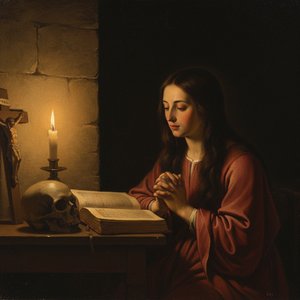
Georges de La Tour: Luminosity, Spirituality & Realism in Baroque Painting
Discover the captivating world of Georges de La Tour, a Baroque master renowned for his dramatic chiaroscuro & spiritual realism. Explore key works, influences, and his remarkable rediscovery. Learn more at ArtsDot.

25 Remek-dela Žorža Seurea: Putovanje kroz Svet Tačizma i Impresionističke Revolucije
Istražite 25 remek-dela Žorža Seurea i uronite u svet tačizma i impresionističke revolucije. Otkrijte priče iza slika, tehnike i inspiraciju ovog francuskog umetnika. Reprodukcije vrhunskog kvaliteta dostupne na ArtsDot.com!
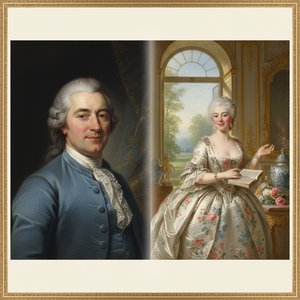
Maurice Quentin de La Tour: Light, Shadow & the Rococo Portrait
Explore the captivating world of Maurice Quentin de La Tour, a master of Rococo portraiture. Discover his innovative pastel techniques, intimate depictions of French aristocracy, and lasting artistic legacy. Learn more at ArtsDot.