

 Pregledaj u prostoru
 Pošalji
 Podeli
 Detalji o delu

 Преузми
 Slični predmeti
 Rendgenski snimak
 Slajdovi
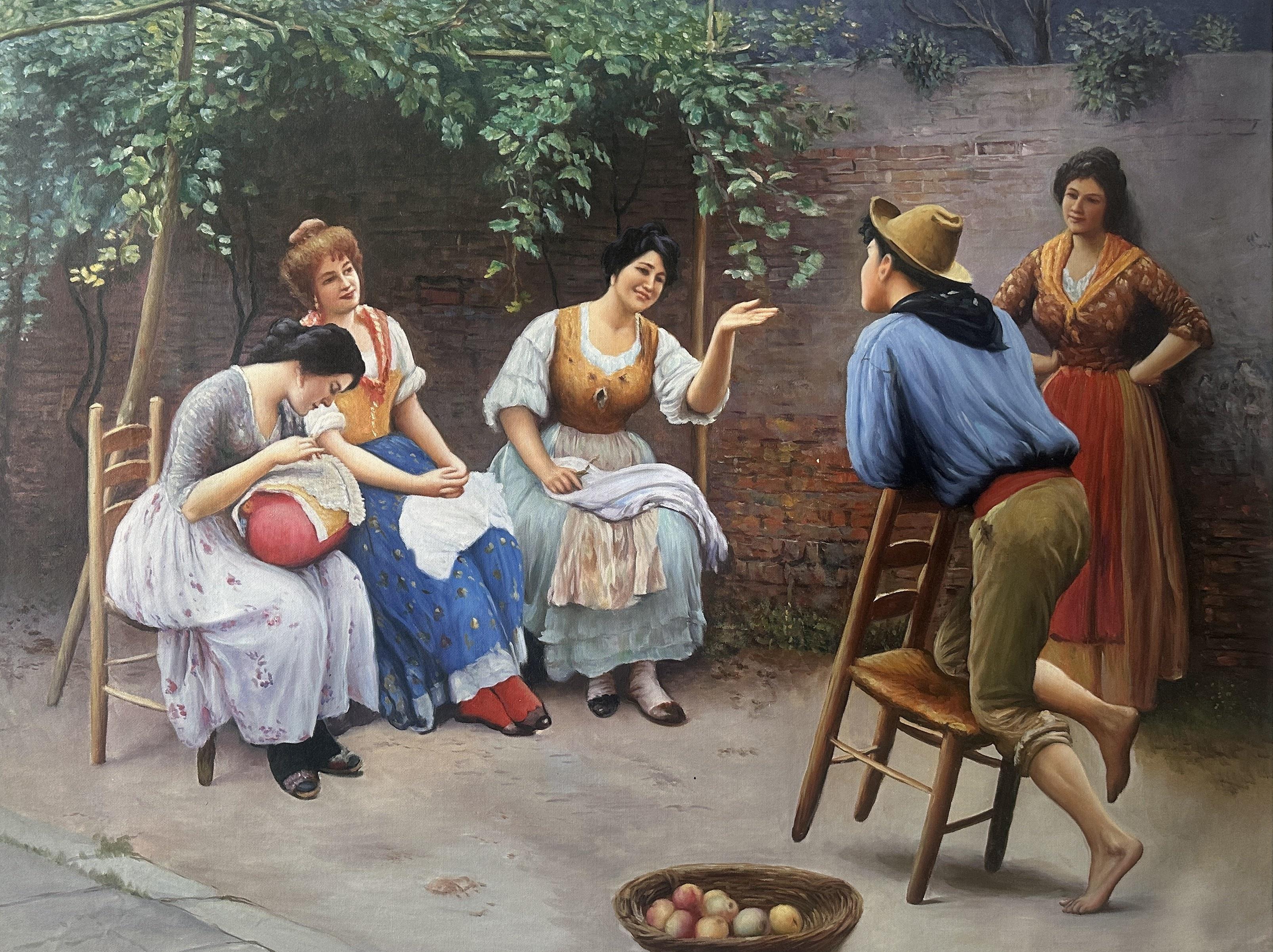
Plauderei (Chatting or The Conversation) - Eugene de Blaas


 Pročitaj više
Ulje na platnu iz zaliha – dostupno uz popust
Rukom oslikano ulje na platnu na stanju, spremno za isporuku; dodajte uokvirivanje prilikom plaćanja. ()





































Besplatna ekspresna dostava širom sveta

Visokokvalitetno laneno platno

Kompletno osiguranje transporta

Garancija povraćaja carine i uvoznih dažbina

Garancija vernosti boja

Politika povrata u roku od 60 dana (samo u slučaju nedostataka)

Garancija povrata novca od 100%

Popust pri grupnoj kupovini
 Opcija sa staklom dostupna je samo za dimenzije manje od 110 cm

Plauderei (Chatting or The Conversation) - Eugene de Blaas
Ulje na platnu iz zaliha – dostupno uz popust
Dimenzije reprodukcije
-


Ekspresna dostava
Brza međunarodna dostava. Jedna nedelja. (30 јул).
Uključeno u cenu
Konačna cena
$ 202
Opis umetničkog dela
A Moment Frozen in Venetian Light
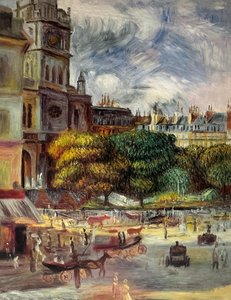
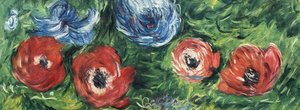
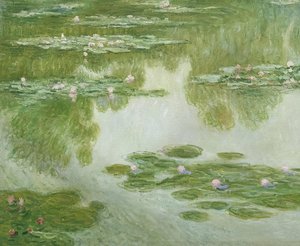
Eugene de Blaas’s “Plauderei,” or “Chatting,” captures a quintessential scene from late 19th-century Venice – a gathering of women enjoying conversation beneath the dappled shade of a grapevine trellis. More than just a picturesque depiction, this artwork embodies the spirit of Impressionism, prioritizing the fleeting effects of light and atmosphere over meticulous detail. De Blaas skillfully translates these principles onto canvas with loose brushstrokes and blended hues, mirroring the techniques championed by Monet and Renoir. The composition is thoughtfully balanced, centering on a group seated comfortably amidst baskets overflowing with peaches – a symbol of abundance and summertime joy. The artist’s attention to texture is remarkable; observe the delicate folds of fabric in the dresses and the rough bark of the vine, bringing an element of realism into this idealized landscape. Dominating the palette are warm tones—terracotta reds reflecting the brick wall backdrop and vibrant greens mirroring the lush foliage—creating a feeling of warmth and intimacy. “Plauderei” speaks to the beauty of human connection and captures a serene moment of social interaction against the backdrop of Venice’s opulent charm. It's precisely this blend of observation, emotion, and artistic skill that resonates with collectors seeking pieces imbued with atmosphere and grace. Don't miss out on owning this exquisite Studio Hand Painted Artisanal Masterpiece! Enhance your collection today by contacting ArtsDot.com for framing options and personalized consultations – let us bring the magic of Venetian Impressionism into your home.Srodna umetnička dela
Biografija umetnika
A Venetian Echo: The Life and Art of Eugene de Blaas
Born in Albano, near Rome, in 1843, Eugene de Blaas emerged from a lineage steeped in artistic tradition. His father, Karl von Blaas, was a respected history and fresco painter who instilled the fundamentals of art within his son’s early development. The family's relocation to Venice proved pivotal; it wasn’t merely a change of scenery but an immersion into a world that would define Eugene’s artistic identity. Venice, with its labyrinthine canals, opulent palazzi, and vibrant social life, became both muse and subject for the young artist. While his father provided initial instruction, Eugene quickly developed a style uniquely his own—a blend of Academic Classicism infused with a distinctly Venetian sensibility. He wasn't simply documenting scenes; he was capturing an atmosphere, a fleeting moment of beauty and grace within the city’s timeless embrace.The Painter of Aristocratic Leisure
De Blaas rapidly gained recognition for his genre paintings depicting the lives of Venice’s upper echelons. These weren’t grand historical narratives or religious allegories; instead, he focused on intimate scenes of leisure, flirtation, and social interaction. His canvases often featured elegantly dressed women—frequently accompanied by gondoliers or amidst picturesque cityscapes—engaged in seemingly effortless pursuits. The artist possessed a remarkable ability to portray the textures of luxurious fabrics, the delicate blush of skin, and the subtle nuances of human emotion. His work resonated with a growing audience eager for depictions of refined society and idyllic settings. A key figure in his artistic process was his wife, Paola Prina, who often served as his model, embodying the beauty and charm that characterized his female subjects. This personal connection infused his paintings with an authenticity and intimacy that further captivated viewers.Influences and Artistic Development
While firmly rooted in Academic Classicism—a style emphasizing precise draftsmanship, idealized forms, and narrative clarity—de Blaas wasn’t immune to the broader artistic currents of his time. The influence of earlier Venetian masters like Canaletto and Guardi is discernible in his meticulous attention to architectural detail and atmospheric perspective. However, he diverged from their more documentary approach by prioritizing emotional resonance and psychological insight. His paintings weren't simply records of Venice; they were interpretations—romanticized visions imbued with a sense of nostalgia and longing. He skillfully balanced the precision of academic training with a lighter, more impressionistic palette, creating works that felt both polished and evocative. The theatricality of his compositions, often featuring carefully arranged figures and dramatic lighting, also suggests an awareness of contemporary stage design.Exhibition Success and International Recognition
De Blaas’s talent didn't remain confined to Venice; he achieved considerable success on the international art scene. Between 1875 and 1891, he exhibited twelve works at the prestigious Royal Academy in London, establishing a strong foothold in the British market. His paintings were also showcased at leading galleries such as the Fine Art Society and Arthur Tooth & Sons Gallery, further solidifying his reputation among collectors and critics.- His ability to capture the allure of Venetian life appealed particularly to affluent travelers who sought souvenirs of their Grand Tour experiences.
- The artist’s works found homes in prominent museums across Europe and beyond, including institutions in Bournemouth, Leicester, Nottingham, Sheffield, Vienna, Melbourne, and Sydney.
Legacy and Historical Significance
Eugene de Blaas passed away in Venice in 1931, leaving behind a rich artistic legacy. While perhaps not as widely celebrated today as some of his contemporaries, his paintings continue to be admired for their technical skill, romantic charm, and evocative depictions of Venetian life. He stands as a significant figure in the history of Academic Classicism, demonstrating how traditional techniques could be adapted to capture the unique atmosphere and social dynamics of a specific place. His work offers valuable insights into the lives of Venice’s aristocracy during the late 19th century—a period marked by both opulence and societal change. Moreover, his paintings serve as a testament to the enduring power of art to transport viewers to another time and place, evoking a sense of beauty, nostalgia, and longing for a bygone era. His ability to distill the essence of Venetian elegance continues to captivate audiences today, ensuring his place in the annals of artistic history.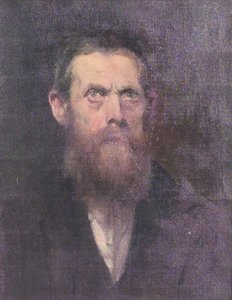
Osnovne informacije
- Artistic Movement Or Style: Academic Classicism
- Artists Who Influenced This Artist: ['Karl von Blaas']
- Date Of Birth: July 24, 1843
- Date Of Death: February 10, 1931
- Full Name: Eugene de Blaas
- Nationality: Italian
- Notable Artworks:
- Head of a young boy
- In the Sacristy
- The perfect shoe!
- Place Of Birth: Albano, Italy
Povezani članci
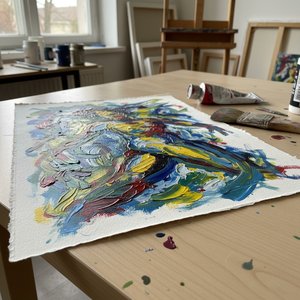
Acrylic on Paper: A Modern Canvas for Contemporary Expression
Explore the versatility of acrylic painting on paper! Discover expert techniques, artist insights & archival practices for creating stunning contemporary art. Learn more at ArtsDot.
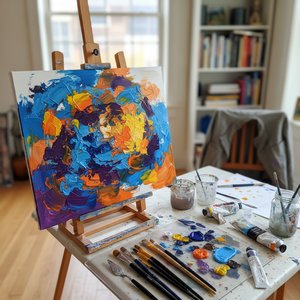
Akril na platnu: Moderni medij za umetnički izraz i inovacije u savremenoj likovnoj umetnosti
Saznajte sve o akrilnim bojama – tehnike, inovacije i saveti stručnjaka za savremenu likovnu umetnost. Vodič za početnike i profesionalce. Pronađite inspiraciju i unapredite svoje slikanje!

Acrylic on Canvas: A Modern Masterpiece – Technique, History & Contemporary Expression
Explore the world of acrylic on canvas! Discover its history, techniques & contemporary applications with expert insights from ArtsDot. Find inspiration and elevate your art collection today.
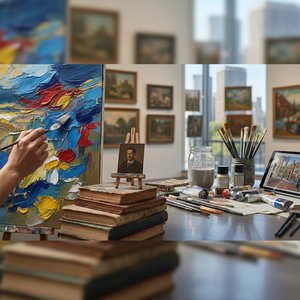
Acrylic Painting: A Comprehensive Exploration of Technique, History & Contemporary Applications
Explore the world of acrylic painting! Discover its rich history, essential techniques, contemporary applications & renowned artists. Expert guide for beginners to professionals.

Pierre-Auguste Renoir: 25 Remek-Dela Impresionizma za Vaš Dom | ArtsDot
Uronite u svet Pierre-Auguste Renoara! Otkrijte 25 remek-dela impresionizma, priče iza slika i tehničke detalje. Reprodukcije vrhunskog kvaliteta za vaš dom dostupne na ArtsDot.com. Istražite celu kolekciju online!

