

 Pregledaj u prostoru
 Pošalji
 Podeli
 Detalji o delu

 Преузми
 Slični predmeti
 Rendgenski snimak
 Slajdovi
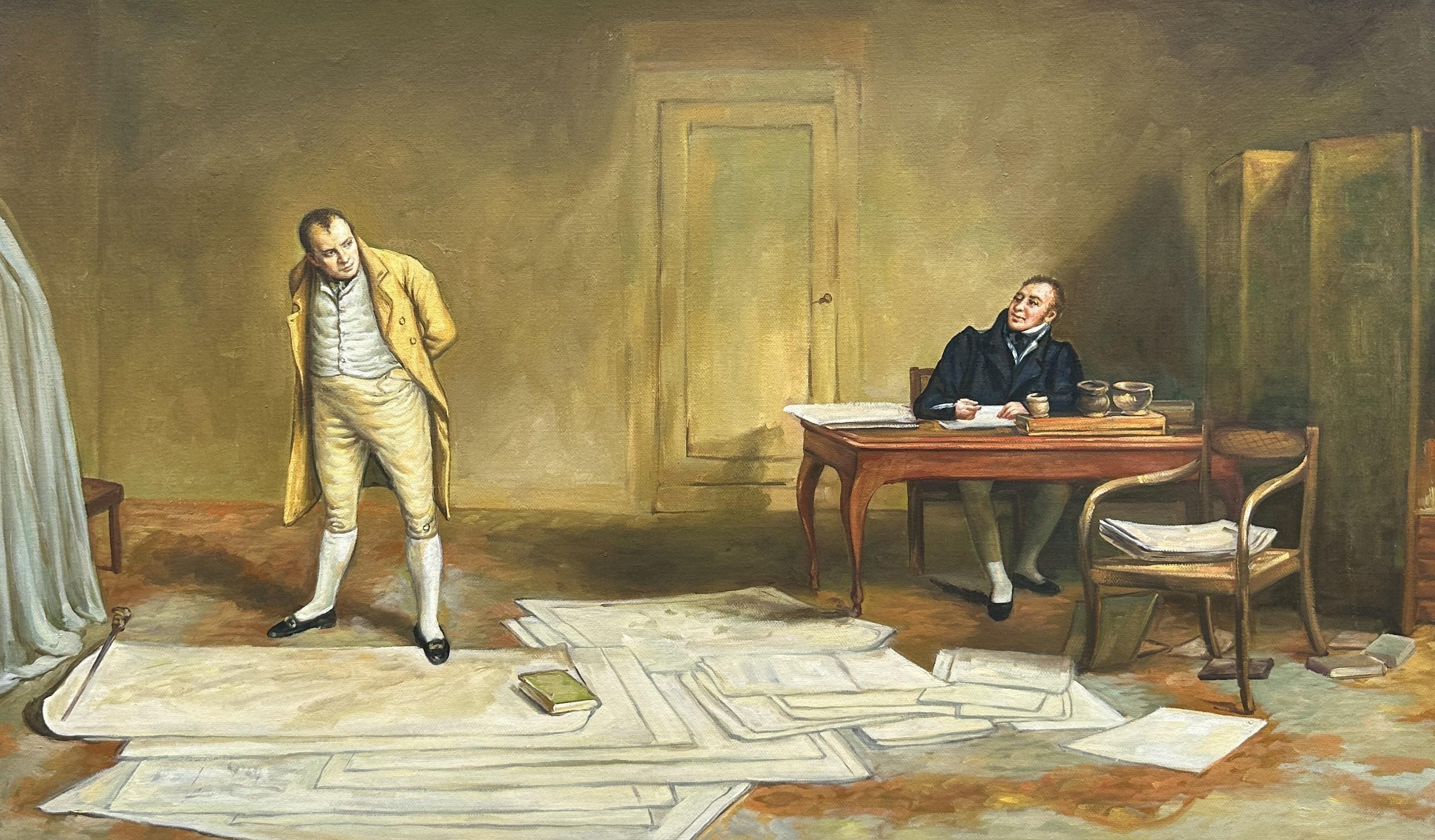
St Helena, 1816 Napoleon Dictating to Count Las Cases the Account of His Campaigns - Sir William Quiller Orchardson


 Pročitaj više
Ulje na platnu iz zaliha – dostupno uz popust
Rukom oslikano ulje na platnu na stanju, spremno za isporuku; dodajte uokvirivanje prilikom plaćanja. ()





































Besplatna ekspresna dostava širom sveta

Visokokvalitetno laneno platno

Kompletno osiguranje transporta

Garancija povraćaja carine i uvoznih dažbina

Garancija vernosti boja

Politika povrata u roku od 60 dana (samo u slučaju nedostataka)

Garancija povrata novca od 100%

Popust pri grupnoj kupovini
 Opcija sa staklom dostupna je samo za dimenzije manje od 110 cm

St Helena, 1816 Napoleon Dictating to Count Las Cases the Account of His Campaigns - Sir William Quiller Orchardson
Ulje na platnu iz zaliha – dostupno uz popust
Dimenzije reprodukcije
-


Ekspresna dostava
Brza međunarodna dostava. Jedna nedelja. (2 август).
Uključeno u cenu
Konačna cena
$ 102
Opis umetničkog dela
A Moment of Reflection Amidst Creative Tools
“The Painter’s Studio,” executed by Sir William Quiller Orchardson in a neoclassical style infused with Rococo sensibilities, transports viewers to a pivotal scene within the artistic landscape of Victorian Britain. Inspired by the British Rococo movement and echoing the grandeur of Gainsborough’s canvases, this artwork captures the essence of intellectual engagement—a dialogue between observation and contemplation.
At its core lies a meticulously rendered depiction of Napoleon Bonaparte dictating to Count Las Cases, recounting his military campaigns aboard the Bellerophon. Orchardson skillfully employs muted ochres and browns to establish a comforting atmosphere within the studio setting, mirroring the contemplative mood of the depicted figures. The composition prioritizes horizontal lines for stability, juxtaposed with vertical accents representing aspiration and scholarly pursuit.
Technical Virtues & Artistic Vision
Painted on canvas using acrylic pigments, “St Helena” showcases Orchardson’s mastery of technique—a testament to his dedication as a Royal Academy artist. The brushstrokes are deliberate yet subtle, conveying texture without overwhelming the overall tonal harmony. Careful attention to detail ensures that every element contributes to the artwork's narrative power.
Why Collectors Cherish This Masterpiece
More than just a historical tableau, Orchardson’s work speaks to universal themes of intellect and artistic endeavor. It embodies the spirit of Victorian curiosity—a desire to understand both the past and the present through reasoned analysis. Its enduring appeal stems from its ability to evoke emotion while simultaneously stimulating intellectual contemplation.
Don't Miss Out! Elevate Your Collection Today
Bring “St Helena” into your home and experience the captivating beauty of Victorian artistry firsthand. Framing options are available at ArtsDot.com – Explore our curated collection and discover exceptional pieces like this!
Srodna umetnička dela



Biografija umetnika
Early Life and Artistic Foundations
Born in Edinburgh in 1832, William Quiller Orchardson emerged from a family engaged in commerce, yet his destiny lay firmly within the realm of art. From an early age, it was evident that young William possessed a keen eye and a determined spirit—qualities that would define his artistic journey. At fifteen, he entered the prestigious Trustees' Academy in Edinburgh, then under the guidance of Robert Scott Lauder, a pivotal figure in Scottish painting. This formative period proved crucial, providing Orchardson with a solid grounding in technique and introducing him to a circle of future luminaries including Hugh Cameron, Peter Graham, George Hay, and William McTaggart. It wasn’t merely technical skill that Lauder instilled; he fostered a dedication to precision, an insistence on allowing observation to dictate execution—a principle that became central to Orchardson's approach. Even in his youth, there was a remarkable resolve within him to subordinate mere dexterity to the demands of perceptive vision. This early training laid the bedrock for a career marked by refined technique and psychological insight.London Years: A Slow Ascent
By twenty, Orchardson had demonstrably mastered the fundamentals of his craft. However, it was in 1862, at the age of thirty, that he made the significant move to London, establishing a studio at 37 Fitzroy Square. The transition wasn’t seamless. Initial recognition proved elusive; his style, characterized by restraint and subtlety, didn't immediately capture the attention of the English art world. He found himself in contrast to more flamboyant or sensational approaches that garnered quicker acclaim. During these early London years, Orchardson focused on intimate themes and carefully considered compositions, employing a restrained palette and meticulous detail. Notable works from this period include “The Challenge” and a striking portrait of sculptor John Hutchison, revealing his burgeoning talent for capturing character and mood. For twelve months after arriving in London, he shared a home with fellow artist John Pettie, forging a bond that offered both companionship and artistic exchange. These first eighteen years in the capital were marked by quiet ambition, balanced living, and a steadfast commitment to honing his unique vision—a period of consolidation before the wider recognition would come.Breakthrough and Mature Style
Orchardson’s fortunes began to shift dramatically around 1880 with “Napoleon on Board the Bellerophon.” This powerful depiction of a poignant historical moment resonated deeply with audiences, securing its place in the national collection and catapulting Orchardson into greater prominence. The success spurred him onward, leading to further celebrated historical paintings such as "Voltaire at Ferney" (1883), often considered his technical masterpiece—a work that showcased his mastery of light, texture, and narrative detail. He followed these triumphs with compelling genre scenes like “The Marriage of Convenience” (1884) and its evocative sequel, "After" (1886). These works offered insightful glimpses into Victorian society, exploring themes of social ambition, marital discord, and the complexities of human relationships. His later paintings often embraced an Empire style aesthetic, with subjects subtly hinting at a narrative—enigmatic titles like “An Enigma,” “A Social Eddy,” and "If Music Be the Food of Love, Play On!" adding layers of intrigue. Recognition from the Royal Academy followed: he was elected an Associate in 1868 and a full member in 1877, culminating in his knighthood in June 1907 at the age of seventy-five—a testament to his enduring contributions to British art.Legacy and Historical Significance
William Quiller Orchardson’s artistic style is defined by a refined technique, psychological depth, and an ability to create compelling narratives within his paintings. He possessed a remarkable talent for conveying tension and atmosphere, drawing viewers into the emotional lives of his subjects. His early training under Robert Scott Lauder provided a strong foundation, while subtle influences of Pre-Raphaelitism can be detected in some of his works—particularly in his attention to detail and symbolic imagery. Orchardson occupies a significant position within Victorian art history, particularly for his genre scenes that offer invaluable insights into the social customs and values of the era. He was a consistent exhibitor at the Royal Academy throughout his career, contributing significantly to the artistic discourse of his time. Beyond his technical skill, it is his ability to combine artistry with psychological insight that secures his lasting legacy—creating paintings that are not only visually captivating but also emotionally resonant. A memorial stands in Margate Cemetery, Kent, commemorating him, his wife, and family, a final tribute to a life dedicated to the pursuit of artistic excellence. His works continue to be valued for their historical significance, technical brilliance, and enduring power to connect with audiences today.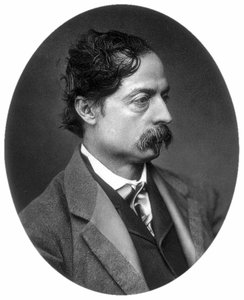
William Quiller Orchardson
1832 - 1910 , United Kingdom
Osnovne informacije
- Artistic Movement Or Style: Victorian art
- Artists Who Influenced This Artist: ['Robert Scott Lauder']
- Date Of Birth: 1832
- Date Of Death: 1910
- Full Name: William Quiller Orchardson
- Nationality: Scottish
- Notable Artworks:
- Napoleon on the Bellerophon
- Voltaire at Ferney
- The Marriage of Convenience
- Place Of Birth: Edinburgh, UK
Povezani članci

Acrylic on Paper: A Modern Canvas for Contemporary Expression
Explore the versatility of acrylic painting on paper! Discover expert techniques, artist insights & archival practices for creating stunning contemporary art. Learn more at ArtsDot.

Acrylic on Canvas: A Modern Masterpiece – Technique, History & Contemporary Expression
Explore the world of acrylic on canvas! Discover its history, techniques & contemporary applications with expert insights from ArtsDot. Find inspiration and elevate your art collection today.

Akril na platnu: Moderni medij za umetnički izraz i inovacije u savremenoj likovnoj umetnosti
Saznajte sve o akrilnim bojama – tehnike, inovacije i saveti stručnjaka za savremenu likovnu umetnost. Vodič za početnike i profesionalce. Pronađite inspiraciju i unapredite svoje slikanje!

Rokoko: 10 Remek Dela Koja Su Definisala Eleganciju i Ukus
Otkrijte 10 remek dela koja su definisala rokoko umetnost! Uronite u svet Boucher-a, Watteau-a i Fragonarda. Istorija, stil i inspiracija za vaš dom. Kvalitetne reprodukcije i kuratorski odabiri na ArtsDot.com!

Acrylic Canvas Masters: 10 Paintings That Redefined Modern Art |
Explore 10 legendary 'Acrylic On Canvas' masterpieces by artists like Rothko, Warhol & Frankenthaler. Discover the stories behind these iconic paintings and their impact on modern art. Find museum-quality reproductions at – elevate your home with timeless beauty.

