

 Pregledaj u prostoru
 Pošalji
 Podeli
 Detalji o delu

 Преузми
 Slični predmeti
 Rendgenski snimak
 Slajdovi
 Stats
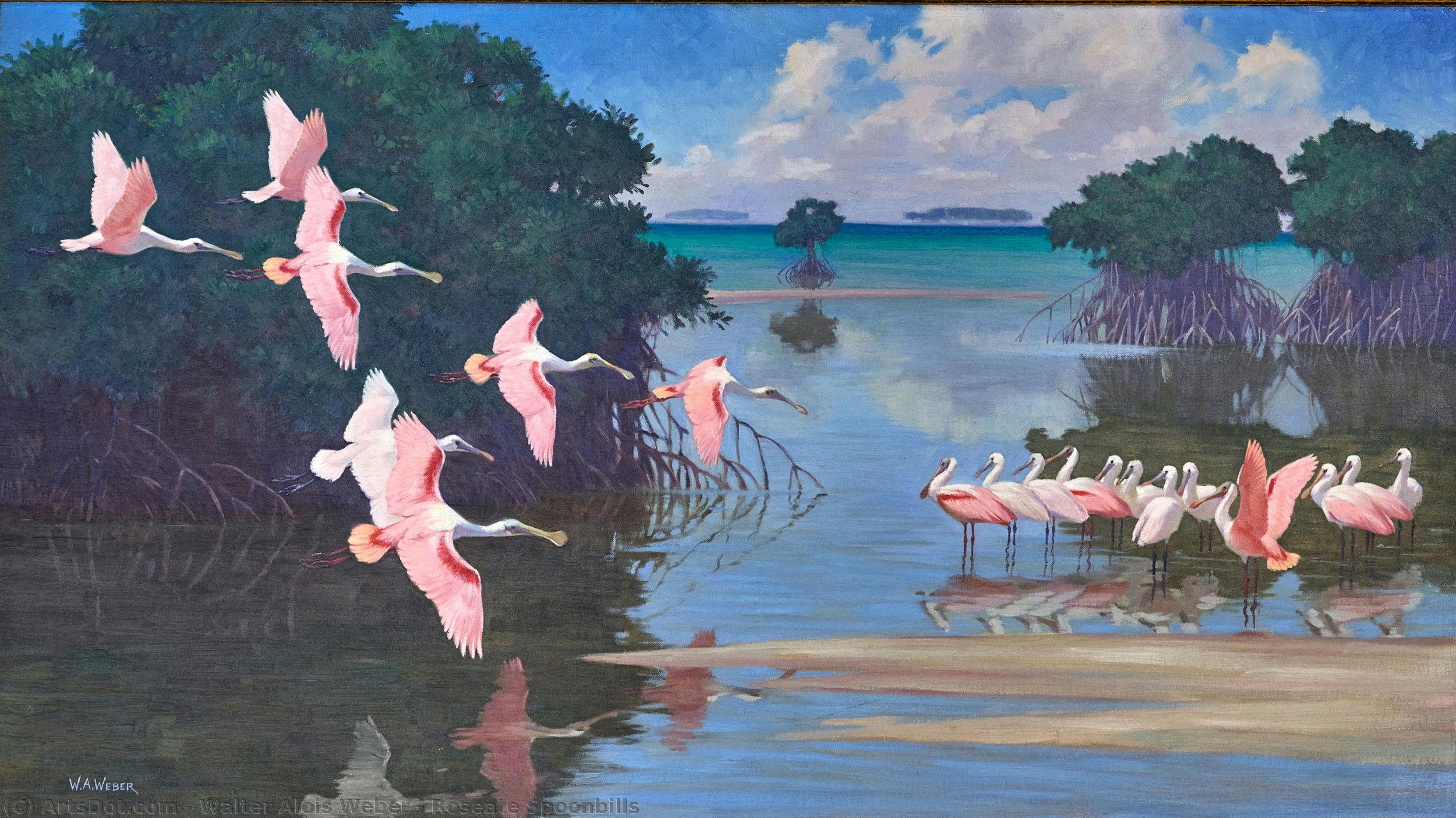
StatsRoseate Spoonbills


 Pročitaj više
Ručno rađena uljana reprodukcija
Ručno oslikano uljanim bojama na platnu u dimenzijama i okviru po vašem izboru, izrađeno po porudžbini od strane naših umetnika. ( Switch to Print Switch to Digital Image)




































Izaberite jednu od naših unapred definisanih veličina koje odgovaraju originalnim proporcijama umetničkog dela.

Можете унети сопствене димензије како бисте прилагодили дело одређеном оквиру или простору. Ако одабрана величина не одговара пропорцијама оригинала, слика ће бити исечена или проширена додатним елементима који се ручно насликавају. Дигитални prikaz ће вам бити послат на одобрење пре почетка производње.
Имајте на уму да преглед на екрану не одражава стварно исецање или проширење. Само приказ (mockup) ће тачно приказати коначну композицију.
Иако су доступне прилагођене величине, препоручујемо да одаберете димензију из дефинисане листе како бисте сачували оригиналне пропорције.
Nakon narudžbine, tim ArtsDot.com će klijentu putem e-pošte poslati uputstva i dostaviti prikaz predloženog rešenja
Isporuka širom sveta () za 3/4 nedelje umesto uobičajenih 5 nedelja. (8 септембар). Bez kompromisa po pitanju kvaliteta.

Besplatna ekspresna dostava širom sveta

Visokokvalitetno laneno platno

Kompletno osiguranje transporta

Garancija povraćaja carine i uvoznih dažbina

Garancija vernosti boja

Politika povraćaja u roku od 100 dana (isključivo u slučaju nedostataka)

Garancija povrata novca od 100%

Popust pri grupnoj kupovini
 Opcija sa staklom dostupna je samo za dimenzije manje od 110 cm

Roseate Spoonbills
Tehnika reprodukcije
Dimenzije reprodukcije
-


Konačna cena
$ 263
Srodna umetnička dela









Biografija umetnika
Paul Cézanne: Bridging Impressionism and Modernity
Paul Cézanne, born in Aix-en-Provence in 1839, stands as a pivotal figure in the transition from late 19th-century Impressionism to the burgeoning movements of early 20th-century modern art. His life, though relatively short – he died in 1906 – was marked by an intense and deeply personal exploration of form, color, and perception. Initially influenced by the academic traditions of his time and the vibrant scenes of Impressionist painters like Corot and Pissarro, Cézanne ultimately forged a unique path, laying the groundwork for Cubism and other radical developments in art history. He wasn’t merely documenting what he saw; he was actively reshaping how we *perceive* what we see.Early Influences and Artistic Development
Cézanne's early artistic training provided a solid foundation, but it was his experiences that truly shaped his distinctive style. He studied at the École des Beaux-Arts in Paris, where he encountered the Impressionists and absorbed their techniques of capturing fleeting moments of light and color. However, Cézanne quickly grew dissatisfied with the limitations of Impressionism’s emphasis on optical effects. He sought a more fundamental understanding of the underlying structure of objects – the essential forms that remained beneath the surface of visual perception. This quest led him to meticulously study landscapes, particularly the towering Mont Sainte-Victoire, which became a recurring subject throughout his career. His repeated depictions of this mountain weren’t simply reproductions; they were explorations of volume, perspective, and the interplay of light and shadow, revealing an almost obsessive dedication to capturing the essence of the natural world.Breaking with Tradition: Form and Structure
Cézanne's most significant contribution lies in his revolutionary approach to representation. He rejected the conventional rules of linear perspective and academic painting techniques, instead focusing on building forms through a system of interlocking planes and geometric shapes. He famously stated, “I do not paint as I see things, but as I think them.” This philosophy drove him to simplify objects into their essential components, reducing them to basic geometric volumes – cubes, cylinders, cones – that he then reassembled in his paintings. This process wasn’t about creating illusions of depth; it was about revealing the underlying structure of reality itself. His brushstrokes became short, broken, and often deliberately uneven, contributing to a sense of solidity and three-dimensionality within the canvas. Works like *The Card Players* (1898) and *The Bathers* (c. 1906) exemplify this approach, demonstrating his ability to convey both form and atmosphere with remarkable power.Connections and Legacy
Cézanne’s influence on subsequent generations of artists is undeniable. He served as a crucial bridge between Impressionism and Cubism, inspiring figures like Picasso, Braque, and Matisse. Picasso himself famously declared that Cézanne “cut him in two,” referring to the artist's radical simplification of form. The analytical Cubists, in particular, adopted Cézanne’s method of dissecting objects into geometric components, using these fragments as building blocks for their own abstract compositions. Beyond Cubism, Cézanne’s emphasis on color and structure also resonated with Fauvists and other modern movements. His exploration of the relationship between color and form paved the way for later artists to experiment with non-naturalistic color palettes and expressive brushwork.A Lasting Impact
Paul Cézanne’s legacy extends far beyond his individual paintings. He fundamentally altered our understanding of what art could be, demonstrating that it wasn't simply a representation of reality but an active process of interpretation and construction. His relentless pursuit of formal clarity and his innovative use of color continue to inspire artists today. His work stands as a testament to the power of observation, experimentation, and a profound commitment to artistic truth—a truth rooted not in imitation, but in the deep exploration of form and perception.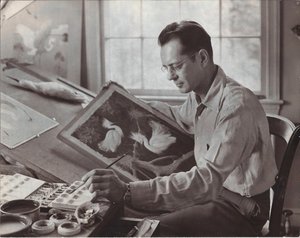
walter alois weber
1906 - 1979 , United States of America
Osnovne informacije
- Artistic Movement Or Style: Post-Impressionism
- Artists Or Movements Influenced By This Artist: ['Cubism']
- Artists Who Influenced This Artist:
- Impressionism
- Romanticism
- Date Of Birth: January 19, 1839
- Date Of Death: October 22, 1906
- Full Name: Paul Cézanne
- Nationality: French
- Notable Artworks:
- The Card Players
- The Bathers
- Mont Sainte-Victoire
- Place Of Birth: Paris, France