

 Pregledaj u prostoru
 Pošalji
 Podeli
 Detalji o delu

 Преузми
 Slični predmeti
 Rendgenski snimak
 Slajdovi
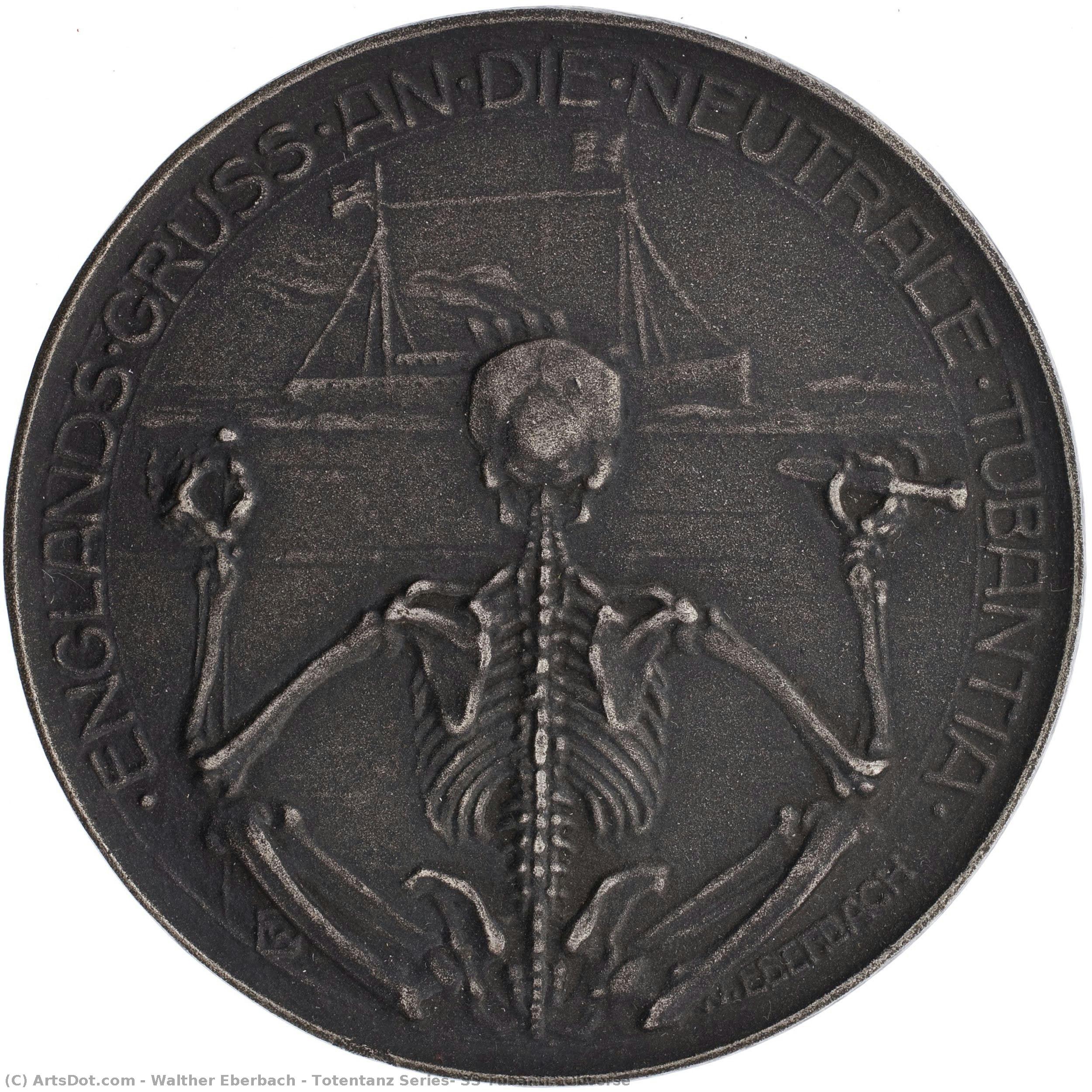
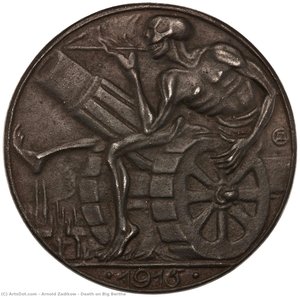
Totentanz Series: SS Tubantia Obverse


 Pročitaj više
Kupite digitalnu sliku visoke rezolucije i poboljšanog kvaliteta, koja je znatno superiornija od onoga što vidite u online prikazu.
Svaka datoteka je pedantno pripremljena od strane naših stručnjaka koristeći napredne alate i profesionalnu ručnu retušu. Osiguravamo da svaka slika ima izuzetnu oštrinu, preciznu reprodukciju boja i fine detalje.
Konačna datoteka se dostavlja putem e-pošte u roku od 72 sata, optimizovana za neposrednu upotrebu u profesionalnim, izdavačkim i štamparskim okruženjima. To je isti kvalitet kojem veruju vrhunski studiji dizajna, izdavači i galerije.
Digitalna slika
Preuzmite datoteku visoke rezolucije za ličnu upotrebu, štampanje i kreativne projekte. ( Kupi print Kupi ručno naslikanu sliku)
Uključeno uz svaku porudžbinu digitalne slike
Profesionalna digitalna isporuka, zagarantovana
Kada odaberete ArtsDot.com, ne dobijate samo sliku – vi primate profesionalno unapređeno digitalno umetničko delo, izrađeno sa najvećom preciznošću i uz garanciju zadovoljstva. Evo svega što automatski dolazi uz vašu porudžbinu:

Brza dostava putem e-pošte
Vaša digitalna slika visoke rezolucije biće vam poslata putem e-pošte u roku od 72 sata od poručivanja – spremna za trenutnu upotrebu.

Digitalna datoteka unapređena veštačkom inteligencijom
Vaše umetničko delo je profesionalno optimizovano korišćenjem naprednih AI alata i ručne obrade, čime se osiguravaju maksimalni detalji, oštrina i preciznost boja.

Besplatna ponovna isporuka doživotno
Slučajno ste obrisali ili izgubili svoju datoteku? Ne brinite – poslaćemo vam je ponovo u bilo kom trenutku, potpuno besplatno.

Bez troškova uvoza – zauvek
Uživajte u svojim umetničkim delima trenutno, bez carine, dažbina ili troškova dostave – digitalni download je uvek bez poreza.

Garancija vernosti boja
Uz pomoć profesionalnih alata i upravljanja bojama, osiguravamo da vaša digitalna slika što vernije odražava originalne boje.

Garancija zadovoljstva u roku od 60 dana
Ako niste zadovoljni svojom digitalnom slikom, revidirat ćemo je ili vratiti 100% novca u roku od 60 dana – bez ikakvih pitanja.

100% garancija povrata novca
Niste zadovoljni? Obezbedite pun povrat novca u roku od 60 dana od trenutka kada ste primili svoju digitalnu datoteku – bez suvišnih pitanja.

Popusti na velike porudžbine
Kupite 3 slike, uštedite 10% - Kupite 5 slika, uštedite 15% - Kupite 10+ slika, uštedite 20%. Odlično za kreativne projekte, galerije i agencije.
Opis kolekcionarskog dela
Srodna umetnička dela






Biografija umetnika
The Master of Metal and Memory: The Life of Walther Eberbach
In the annals of German art history, few names evoke the somber elegance and technical precision of Walther Eberbach. Born in 1866 in Besigheim, Eberbach emerged from a lineage of craftsmanship that would define his entire creative existence. His journey began not merely with a brush or a chisel, but with the disciplined hands of a draftsman and metal sculptor. Through his formative studies in Schwäbisch Gmünd and later at the Kunstgewerbeschule Stuttgart, he mastered the intricate language of metalwork, a skill that would allow him to breathe life into bronze, silver, and steel. His career was a nomadic tapestry of European culture, spanning the industrial energy of Cologne, the historical weight of Strasbourg, and the cosmopolitan atmosphere of London and Berlin.
Eberbach was far more than a mere craftsman; he was a storyteller of the profound. As an educator in Strasbourg and later in Heilbronn, he passed on the delicate arts of ziselieren (chasing) and goldsmithing to new generations, ensuring that the meticulous traditions of the past survived into a modernizing world. His work often sat at the intersection of Victorian allegory and a hauntingly realistic portrayal of human mortality. This duality allowed him to capture the zeitgeist of an era caught between the grandeur of imperial pride and the devastating reality of industrial warfare.
Symbolism in Bronze: The Totentanz Series
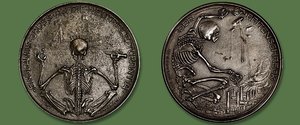
The true emotional depth of Eberbach’s legacy is perhaps most poignantly realized in his Totentanz (Dance of Death) series. In these works, the artist moved beyond simple ornamentation to engage with the most harrowing themes of his time. His medallions and reliefs serve as historical witnesses, utilizing skeletal figures and symbolic landscapes to process the collective trauma of the early 20th century. Each piece is a masterclass in embossed metalwork, where every line serves a narrative purpose.
His explorations of historical tragedy are both beautiful and unsettling:
- The Sinking of the RMS Lusitania: In this somber embossed medallion, Eberbach depicts a skeletal figure rowing through turbulent waves, a hauntingly beautiful commemoration of one of the era's most tragic maritime disasters.
- Death Pumping Blood over Verdun: A powerful and visceral relief print from 1916, this work captures the sheer devastation of the Battle of Verdun, using symbolic imagery to reflect the horrors of World War I.
- Britannia Rules the Waves?: Through this bronze relief, Eberbach poses a provocative question regarding naval supremacy and mortality, blending maritime history with a chilling Victorian allegory.
A Legacy of Craftsmanship and Historical Reflection
The significance of Walther Eberbach lies in his ability to transform cold, hard materials into vessels of deep historical reflection. While many artists of his era focused on the purely aesthetic or the purely political, Eberbach found a middle ground where meticulous realism met symbolic depth. His membership in organizations such as the Künstlerbunds Heilbronn and his frequent exhibitions with the Kunstverein Heilbronn solidified his role as a pillar of the German artistic community.
As we look back on his life, which concluded in 1944, we see an artist who refused to look away from the shadows of history. Whether through the delicate precision of an engraving or the heavy, textured presence of a bronze relief, Eberbach’s work remains a vital connection to a period of immense transition. He remains a master of the permanent—an artist who used the most enduring mediums to capture the most fleeting and tragic moments of human existence.
walther eberbach
1866 - 1944 , Germany
Kratke činjenice
- Artistic Movement Or Style: Realist Art Style
- Date Of Birth: 1866 Heidelberg Germany
- Date Of Death: 1944 Weinsberg Germany
- Full Name: walther eberbach
- Nationality: German
- Notable Artworks:
- Totentanz Series: Britannia Rules the Waves?
- Totentanz Series: Death Pumping Blood over Verdun
- Totentanz Series: SS Tubantia
- Place Of Birth: Heidelberg Germany

