

 Pregledaj u prostoru
 Pošalji
 Podeli
 Detalji o delu

 Преузми
 Slični predmeti
 Rendgenski snimak
 Slajdovi
 Stats
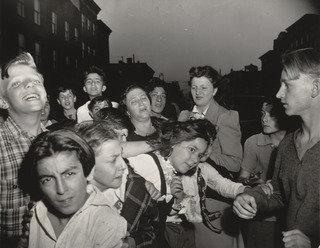
StatsBrooklyn School Children See Gambler Murdered in Street
 Documentary Photography
 1941
1941 26.0 x 34.0 cm
 Pročitaj više
Giclee štampa / Umetnički otisak
Giclée štampa ili print na platnu muzejskog kvaliteta uz brzu proizvodnju i fleksibilne opcije završne obrade. ( Kupi ručno naslikanu sliku Switch to Digital Image)




































Izaberite jednu od naših unapred definisanih veličina koje odgovaraju originalnim proporcijama umetničkog dela.

Možete uneti sopstvene dimenzije kako biste umetničko delo prilagodili specifičnom okviru ili prostoru. Ako odabrani format ne odgovara proporcijama originalne slike, mi ćemo ili iscrtati deo dela ili proširiti sliku pomoću ogledane ivice ili jednobojnog popunjavanja. Digitalni prikaz će vam biti poslat na odobrenje pre početka proizvodnje.
Imajte na umu da pregled na ekranu ne odražava stvarno iscrtavanje ili proširivanje. Samo će prikaz (mockup) precizno pokazati finalnu kompoziciju.
Iako su prilagođene dimenzije dostupne, preporučujemo da odaberete dimenziju sa unapred definisane liste kako biste očuvali originalne proporcije.
Dostava širom sveta () za 2 nedelje umesto uobičajenih 4/5 nedelja. (8 септембар)

Besplatna ekspresna dostava širom sveta

Visokokvalitetno laneno platno

Kompletno osiguranje transporta

Garancija povraćaja carine i uvoznih dažbina

Garancija vernosti boja

Politika povraćaja u roku od 100 dana (isključivo u slučaju nedostataka)

Garancija povrata novca od 100%

Popust pri grupnoj kupovini
 Opcija sa staklom dostupna je samo za dimenzije manje od 110 cm

Brooklyn School Children See Gambler Murdered in Street
Giclee štampa / Umetnički otisak
Dimenzije reprodukcije
-


Konačna cena
$ 62
Srodna umetnička dela
Biografija umetnika
The Shadow of the City: The Life and Lens of Weegee
In the frantic, neon-lit pulse of mid-century New York, one name emerged from the darkness to document the city's most visceral moments: Weegee. Born Arthur Melville Fellig in 1899, the man behind the pseudonym was far more than a mere observer; he was a phantom of the streets, a self-made pioneer who transformed the grim realities of urban decay into a profound form of visual journalism. His journey did not begin in the hallowed halls of an art academy, but rather in the grit and hardship of Brooklyn. After serving as a soldier in World War I—an experience that likely stripped away any lingering illusions of romanticism—Fellig turned his gaze toward the burgeoning chaos of Manhattan. He was a man who understood that the true heart of the metropolis beat most loudly in its darkest alleys, its crime scenes, and its moments of sudden, unvarnished tragedy.
Weegee’s rise to prominence was characterized by an unparalleled audacity. Eschewing the traditional path of seeking employment through official channels, he famously created his own vocation. For years, he operated without credentials, haunting Manhattan Police Headquarters and waiting for the police teletype to broadcast the next unfolding drama. This relentless pursuit allowed him to arrive at scenes of accidents, fires, and crimes often mere minutes after they occurred, capturing a raw immediacy that no other photographer could replicate. His work was not an attempt to beautify the struggle of the Great Depression or the tension of the post-war era; instead, it was a confrontation. Through his lens, the viewer was forced to witness the unflinching reality of poverty, injury, and death, presented without the comfort of artistic embellishment.
Technique and the Aesthetics of Flash
The visual language of Weegee was defined by a stark, high-contrast aesthetic that has since become iconic in the history of street photography. Utilizing a Rolleiflex camera equipped with a powerful flashbulb, he mastered the art of illuminating the shadows. This technique created a dramatic, almost theatrical lighting effect, where subjects were thrust into sharp relief against an impenetrable black background. This "flash-heavy" style did more than just provide visibility in the dead of night; it heightened the psychological tension of his compositions, isolating individuals and objects within a void of urban uncertainty. There was no room for retouching or manipulation in his process; he sought a brutal honesty that relied entirely on the spontaneous interplay of light and darkness.
His compositions, while appearing spontaneous, were deeply impactful due to their ability to frame the human condition. Whether capturing a captured burglar, the chaotic energy of Coney Island, or the sudden stillness of a street accident, Weegee possessed an innate sense of timing and framing. His black and white prints carried a weight that color could never achieve, emphasizing textures of wet pavement, weathered skin, and the cold steel of police sirens. This mastery of light allowed him to turn the mundane and the macabre into something hauntingly beautiful, bridging the gap between news photography and fine art.
Legacy and Historical Significance
The historical significance of Weegee lies in his role as a chronicler of an era that was rapidly disappearing. He captured the transition of New York from the desperate years of the Depression through the transformative period of World War II, providing a visual record of social realism that remains unparalleled. Beyond his solo photographic endeavors, his influence extended into the realm of cinema, where he collaborated with legendary directors like Stanley Kubrick, bringing his gritty, documentary-style eye to the silver screen.
Today, Weegee is remembered not just as a photojournalist, but as an artist who found meaning in the margins of society. His work serves as a testament to the power of the unmediated gaze, reminding us that there is profound truth to be found in the shadows. His legacy continues to inspire generations of street photographers who seek to capture the pulse of the world exactly as it is: raw, unfiltered, and undeniably human.
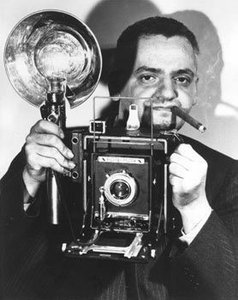
weegee (arthur fellig)
1899 - 1968
Osnovne informacije
- Artistic Movement Or Style: Street Photography
- Date Of Birth: 1899
- Full Name: Arthur Fellig
- Nationality: American
- Notable Artworks:
- Brooklyn School Children See Gambler Murdered in Street
- Street Accident
- Victory Celebration
- Place Of Birth: New York City, USA
Povezani članci
Beyond the Lens: Photography's Enduring Influence on Modern & Contemporary Art
Explore photography's pivotal role in shaping modern & contemporary art. Discover key movements, influential artists like Stieglitz, and expert collecting advice from ArtsDot.

White on Canvas: 10 Masterpieces & Timeless Elegance for Your Home Decor
Explore 10 iconic white paintings by Monet, Whistler & Rothko! Discover the stories behind these serene masterpieces and their impact on art history. Find museum-quality reproductions for your home decor at .

Monochrome Visions: Exploring the Aesthetic & Historical Significance of Black & White Photography
Explore the rich history & artistic power of black and white photography. From early techniques to iconic masters like Ansel Adams, discover why monochrome continues to captivate art lovers today. Expert insights for collectors.

Dark Masterpieces: 10 Iconic Paintings Dominated by Black Tones |
Explore 10 iconic paintings dominated by black tones, from Rembrandt’s chiaroscuro to Goya's dark expressions. Discover the stories behind these masterpieces & find museum-quality art reproductions for your home at .

Timeless & Chic: Elevating Your New Home with the Sophistication of Black and White Photography
Transform your new home with the timeless allure of black and white photography. ArtsDot.com specializes in elegant monochrome decor and custom hand-painted wedding portraits that turn cherished milestones into lasting, soulful masterpieces. Elevate your space with ease.