


 Pregledaj u prostoru
 Pošalji
 Podeli
 Detalji o delu

 Преузми
 Slični predmeti
 Rendgenski snimak
 Slajdovi
Landscape in the Style of Dong Yuan
 1577
1577 167.0 x 52.0 cm
 Kimbell Art Museum
 Pročitaj više
Giclee štampa / Umetnički otisak
Giclée štampa ili print na platnu muzejskog kvaliteta uz brzu proizvodnju i fleksibilne opcije završne obrade. ( Kupi ručno naslikanu sliku Kupi digitalnu sliku)




































Izaberite jednu od naših unapred definisanih veličina koje odgovaraju originalnim proporcijama umetničkog dela.

Možete uneti sopstvene dimenzije kako biste umetničko delo prilagodili specifičnom okviru ili prostoru. Ako odabrani format ne odgovara proporcijama originalne slike, mi ćemo ili iscrtati deo dela ili proširiti sliku pomoću ogledane ivice ili jednobojnog popunjavanja. Digitalni prikaz će vam biti poslat na odobrenje pre početka proizvodnje.
Imajte na umu da pregled na ekranu ne odražava stvarno iscrtavanje ili proširivanje. Samo će prikaz (mockup) precizno pokazati finalnu kompoziciju.
Iako su prilagođene dimenzije dostupne, preporučujemo da odaberete dimenziju sa unapred definisane liste kako biste očuvali originalne proporcije.
Dostava širom sveta () za 2 nedelje umesto uobičajenih 4/5 nedelja. (29 август)

Besplatna ekspresna dostava širom sveta

Visokokvalitetno laneno platno

Kompletno osiguranje transporta

Garancija povraćaja carine i uvoznih dažbina

Garancija vernosti boja

Politika povrata u roku od 60 dana (samo u slučaju nedostataka)

Garancija povrata novca od 100%

Popust pri grupnoj kupovini
 Opcija sa staklom dostupna je samo za dimenzije manje od 110 cm

Landscape in the Style of Dong Yuan
Giclee štampa / Umetnički otisak
Dimenzije reprodukcije
-


Konačna cena
$ 62
Srodna umetnička dela









Biografija umetnika
The Shadowed Canvas: Exploring the Life and Art of Jean-Baptiste Mongeau
Jean-Baptiste Mongeau, a name perhaps less familiar than those of his contemporaries in the late 18th and early 19th centuries, nevertheless stands as a quietly significant figure within the burgeoning world of French Romanticism. Born in Lyon in 1765 – a city renowned for its silk weaving and vibrant artistic community – Mongeau’s life was shaped by both privilege and profound personal loss, experiences that would indelibly inform his distinctive style and thematic concerns. His early years were marked by a rigorous education, fostered by his merchant father who recognized the boy's innate talent for drawing and painting. Unlike many artists of his era who sought patronage from the aristocracy, Mongeau’s initial training was largely self-directed, fueled by an avid study of classical masters – particularly Rembrandt and Caravaggio – alongside the burgeoning ideals of the Enlightenment. Mongeau’s artistic journey took a dramatic turn with the untimely death of his wife, Sophie, in 1793 during the tumultuous years of the French Revolution. This devastating loss profoundly impacted him, shifting his focus from bright, celebratory scenes to explorations of melancholy, memory, and the ephemeral nature of beauty. It's believed that this period marked a decisive break with Neoclassical conventions, laying the groundwork for his unique Romantic sensibility. He began to favor darker palettes – deep blues, somber greens, and bruised purples – and employed dramatic chiaroscuro techniques reminiscent of Caravaggio, but imbued with an intensely personal emotional resonance.A Style Forged in Sorrow: Mongeau’s Distinctive Technique
Mongeau's artistic technique is immediately recognizable, characterized by a masterful manipulation of light and shadow – a hallmark of the Romantic movement. He eschewed the smooth, polished surfaces favored by many of his contemporaries, instead embracing visible brushstrokes and a textured impasto that seemed to capture the very essence of feeling. His compositions often feature solitary figures—often women—set against vast, atmospheric landscapes, frequently rendered in muted tones. These scenes are not merely depictions of nature; they are meditations on isolation, longing, and the passage of time. He was particularly skilled at capturing the fleeting effects of light – a hazy dawn, a stormy twilight – using layers of translucent glazes to create an illusion of depth and atmosphere. His use of color was equally deliberate, employing subtle shifts in hue to evoke specific emotions and moods. Unlike many artists who sought to replicate reality with photographic precision, Mongeau deliberately distorted perspective and exaggerated forms to heighten the emotional impact of his work.Influences and Connections: Echoes of Rembrandt and the Sublime
While often categorized as a Romantic painter, Mongeau’s artistic lineage is complex and layered. His early exposure to Rembrandt's dramatic use of light and shadow undoubtedly shaped his technique, while his study of Caravaggio instilled in him a deep appreciation for theatrical composition and emotional intensity. However, he also drew inspiration from the burgeoning concept of the “sublime” – a term popularized by Edmund Burke and Immanuel Kant – which emphasized the awe-inspiring power of nature to evoke feelings of terror and wonder. Mongeau’s landscapes are not simply beautiful; they possess an unsettling grandeur that reflects this Romantic preoccupation with the overwhelming forces of the natural world. He also maintained correspondence with other artists of his time, including Théodore Géricault and Eugène Delacroix, exchanging ideas and critiques that further informed his artistic development.Key Works and Lasting Legacy
Among Mongeau’s most celebrated works are *The Widow's Lament* (1803), a haunting depiction of a grieving woman seated before a crumbling mausoleum; *Twilight on the Seine* (1807), capturing the melancholic beauty of a Parisian evening; and *The Shepherdess Lost* (1812), a poignant allegory of lost innocence and youthful vulnerability. These paintings, along with numerous smaller works in his studio, offer profound insights into the artist’s emotional landscape. Despite not achieving widespread fame during his lifetime, Mongeau's work has been increasingly recognized for its originality and emotional depth in recent decades. His exploration of grief, memory, and the sublime continues to resonate with contemporary audiences, solidifying his place as a significant, if often overlooked, figure in the history of French art. His influence can be seen in later Romantic painters who sought to capture the complexities of human emotion through evocative imagery and dramatic composition. Mongeau’s legacy lies not just in his individual paintings but also in his willingness to confront difficult emotions with honesty and vulnerability—a testament to the enduring power of art to explore the depths of the human experience.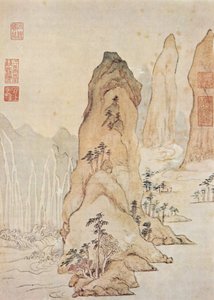
wen chia
1583 , China
Osnovne informacije
- Artistic Movement Or Style: World Goes Pop
- Artists Or Movements Influenced By This Artist: ['']
- Artists Who Influenced This Artist: ['']
- Date Of Death: 1583
- Notable Artworks:
- Evelyne Axell
- Joav BarEl
- Thomas Bayrle

