

 Pregledaj u prostoru
 Pošalji
 Podeli
 Detalji o delu

 Преузми
 Slični predmeti
 Rendgenski snimak
 Slajdovi
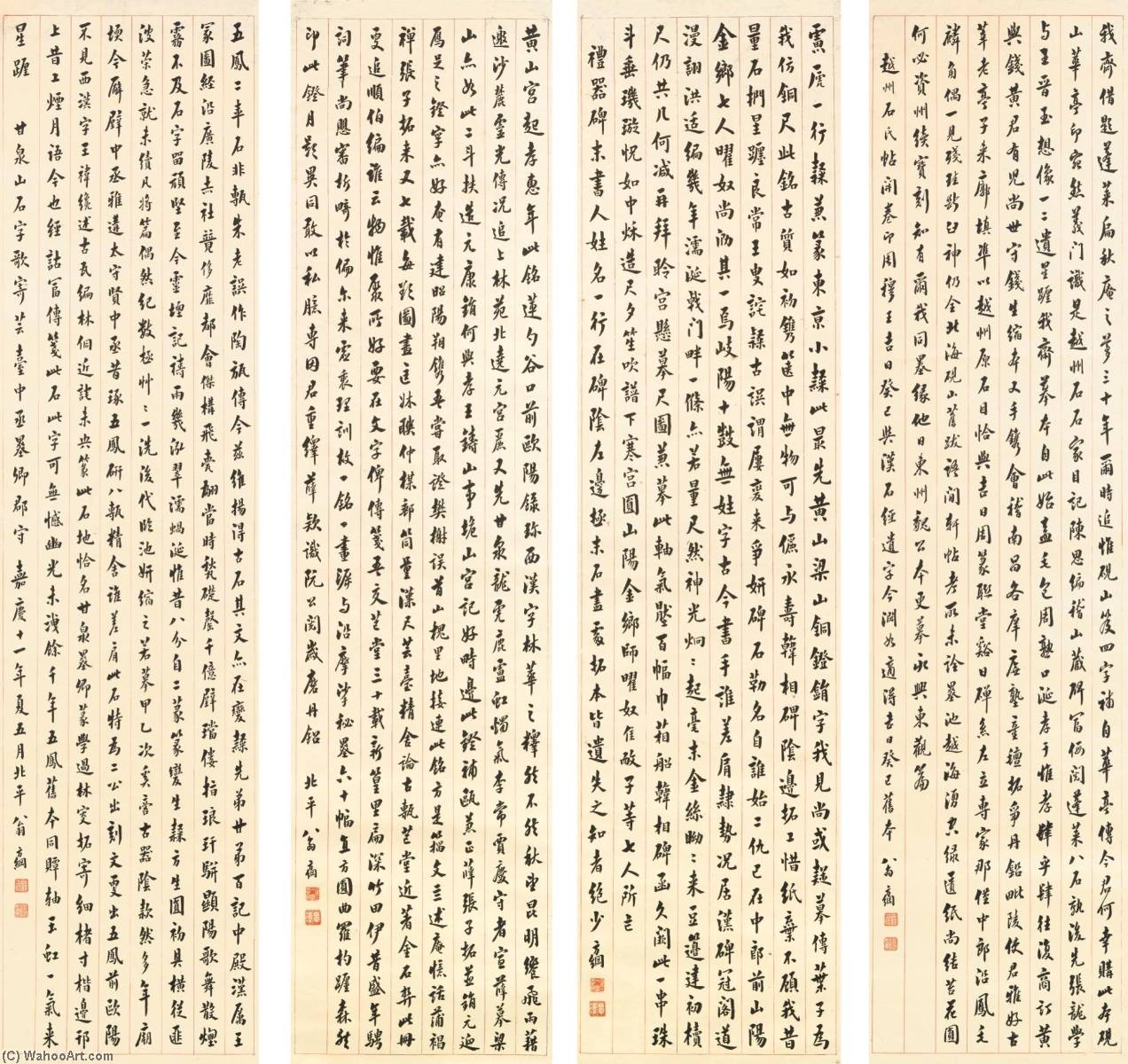
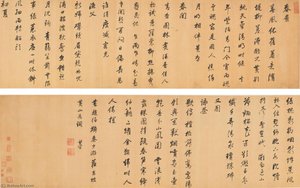
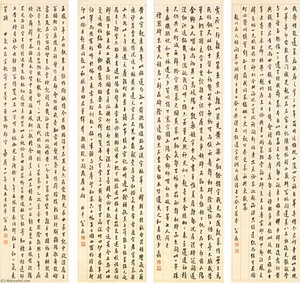
Calligraphy in Xingshu
 130.0 x 32.0 cm
 Pročitaj više
Ručno rađena uljana reprodukcija
Ručno oslikano uljanim bojama na platnu u dimenzijama i okviru po vašem izboru, izrađeno po porudžbini od strane naših umetnika. ( Kupi print Kupi digitalnu sliku)




































Izaberite jednu od naših unapred definisanih veličina koje odgovaraju originalnim proporcijama umetničkog dela.

Можете унети сопствене димензије како бисте прилагодили дело одређеном оквиру или простору. Ако одабрана величина не одговара пропорцијама оригинала, слика ће бити исечена или проширена додатним елементима који се ручно насликавају. Дигитални prikaz ће вам бити послат на одобрење пре почетка производње.
Имајте на уму да преглед на екрану не одражава стварно исецање или проширење. Само приказ (mockup) ће тачно приказати коначну композицију.
Иако су доступне прилагођене величине, препоручујемо да одаберете димензију из дефинисане листе како бисте сачували оригиналне пропорције.
Nakon narudžbine, tim ArtsDot.com će klijentu putem e-pošte poslati uputstva i dostaviti prikaz predloženog rešenja
Isporuka širom sveta () za 3/4 nedelje umesto uobičajenih 5 nedelja. (21 август). Bez kompromisa po pitanju kvaliteta.

Besplatna ekspresna dostava širom sveta

Visokokvalitetno laneno platno

Kompletno osiguranje transporta

Garancija povraćaja carine i uvoznih dažbina

Garancija vernosti boja

Politika povrata u roku od 60 dana (samo u slučaju nedostataka)

Garancija povrata novca od 100%

Popust pri grupnoj kupovini
 Opcija sa staklom dostupna je samo za dimenzije manje od 110 cm

Calligraphy in Xingshu
Tehnika reprodukcije
Dimenzije reprodukcije
-


Konačna cena
$ 263
Srodna umetnička dela
Biografija umetnika
Weng Fanggang: A Cultivated Legacy in Calligraphy and Thought
Born in Beijing’s Daxing District in 1733, Weng Fanggang (翁方綱) emerged as a pivotal figure during the late Qing Dynasty – a time of profound intellectual ferment and artistic refinement. More than simply a calligrapher, he was a philosopher, literary critic, and collector deeply invested in shaping the aesthetic landscape of his era. His life’s work reveals a complex interplay between formal tradition and innovative thought, culminating in a unique approach to calligraphy and a significant contribution to the burgeoning “School of Musculature” (Jili Pai). His story is inextricably linked to the influence of Su Shi – a poet whose legacy he meticulously cultivated, transforming his admiration into a vibrant cultural phenomenon.
Early Life and Courtly Recognition
Weng’s early life was marked by diligent study and a keen awareness of literary trends. He secured the prestigious Jinshi degree in 1752, an accomplishment that opened doors to service within the Qing court. Initially employed as a junior compiler, he steadily ascended through the ranks, eventually becoming a member of the Grand Secretariat – a position reflecting his considerable intellect and administrative abilities. However, Weng’s true passion lay not in bureaucratic affairs but in the pursuit of artistic excellence, particularly in calligraphy and poetry. His translation of Tao Yuanming's “Peach Blossom Spring” (桃花源) into Manchu for the Qianlong Emperor was a watershed moment, securing his royal patronage and establishing him as a respected scholar within the imperial court.
The Philosophy of Musculature: Challenging Convention
Weng Fanggang’s most enduring legacy rests on his development of the “School of Musculature” (Jili Pai), a critical approach to poetry rooted in the concept of ‘muscles’ – referring not to physical strength, but to the rigorous intellectual discipline required to understand and appreciate classical Chinese literature. He vehemently opposed the prevailing trend of “Han Studies,” which prioritized textual analysis over the deeper philosophical underpinnings of Confucianism. Weng argued that true scholarship demanded a holistic understanding of universal principles, embodied in the teachings of Zhu Xi – emphasizing contemplation and the pursuit of ‘righteousness’ (yili) as the foundation for all knowledge. His critique of Dai Zhen's approach, which he deemed overly focused on superficial details, highlighted his commitment to a more profound engagement with literary tradition.
The Cult of Su Shi: A Personal and Collective Endeavor
Perhaps the most fascinating aspect of Weng Fanggang’s career was his deliberate cultivation of the legacy of Su Shi (蘇軾). Recognizing Su Shi's profound influence on Chinese poetry, Weng initiated an annual birthday celebration in his honor – a ritual that quickly gained momentum and became deeply ingrained within Qing cultural life. This wasn’t merely a sentimental homage; it represented a strategic effort to preserve and promote Su Shi’s artistic ideals. Weng amassed a substantial collection of Su Shi's works, including the highly prized Songyang Manuscript (宋陽帖), acquired for an extraordinary sum of 60 Jin – a testament to his dedication. He even established a room in his personal library dedicated solely to Su Shi’s poetry, further solidifying his commitment to this particular literary figure. This “cult” wasn't confined to Weng himself; it involved collaborations with Chosŏn scholars from Korea, creating a vibrant transnational community united by their shared admiration for Su Shi.
Calligraphy and Lasting Influence
Beyond his philosophical pursuits, Weng Fanggang was a highly accomplished calligrapher. He meticulously studied the techniques of ancient masters like Ouyang Xun and Yu Shinan, specializing in Lishu script – a bold, angular style that conveyed both power and elegance. His calligraphy is characterized by its precision, balance, and profound understanding of brushwork. Weng’s work continues to be admired for its technical mastery and its embodiment of the aesthetic principles he espoused in his literary criticism. Weng Fanggang died in 1818, leaving behind a complex and influential legacy – one that bridges the realms of philosophy, literature, and art, shaping the intellectual and artistic landscape of late Qing China.
weng fanggang
1733 - 1818
Osnovne informacije
- Artistic Movement Or Style: Xingshu & Kaishu calligraphy
- Artists Or Movements Influenced By This Artist:
- Wang Yangming
- Li Bai
- Su Shi
- Artists Who Influenced This Artist:
- Ouyang Xun
- Yu Shinan
- Date Of Birth: 1733
- Date Of Death: 1818
- Full Name: Weng Fanggang
- Nationality: Chinese
- Notable Artworks:
- Peach Blossom Spring
- Su Shi Studio Essay
- Place Of Birth: Beijing, China

