

 Pregledaj u prostoru
 Pošalji
 Podeli
 Detalji o delu

 Преузми
 Slični predmeti
 Rendgenski snimak
 Slajdovi
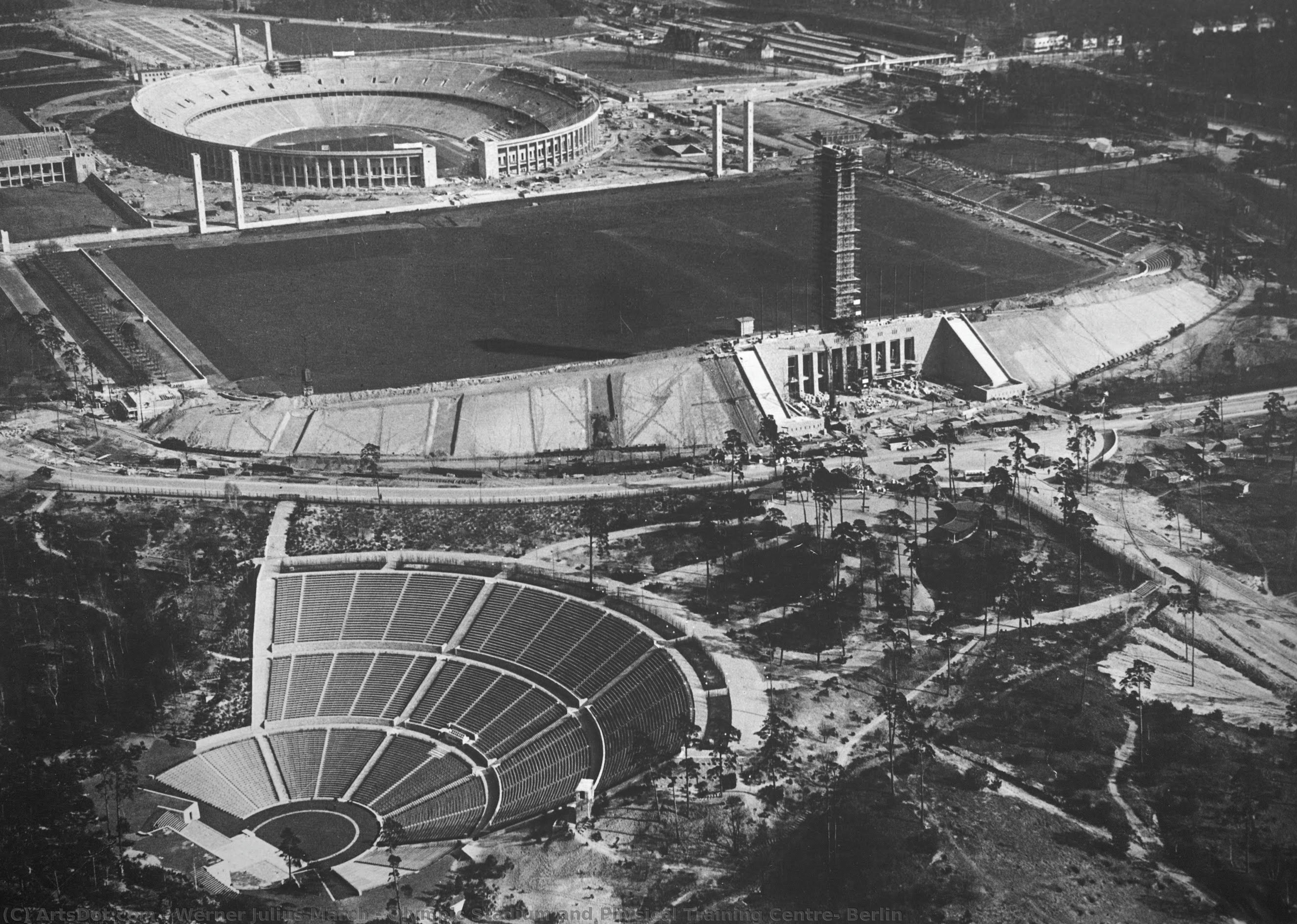
Olympic Stadium and Physical Training Centre, Berlin


 Pročitaj više
Giclee štampa / Umetnički otisak
Giclée štampa ili print na platnu muzejskog kvaliteta uz brzu proizvodnju i fleksibilne opcije završne obrade. ( Kupi ručno naslikanu sliku Kupi digitalnu sliku)




































Izaberite jednu od naših unapred definisanih veličina koje odgovaraju originalnim proporcijama umetničkog dela.

Možete uneti sopstvene dimenzije kako biste umetničko delo prilagodili specifičnom okviru ili prostoru. Ako odabrani format ne odgovara proporcijama originalne slike, mi ćemo ili iscrtati deo dela ili proširiti sliku pomoću ogledane ivice ili jednobojnog popunjavanja. Digitalni prikaz će vam biti poslat na odobrenje pre početka proizvodnje.
Imajte na umu da pregled na ekranu ne odražava stvarno iscrtavanje ili proširivanje. Samo će prikaz (mockup) precizno pokazati finalnu kompoziciju.
Iako su prilagođene dimenzije dostupne, preporučujemo da odaberete dimenziju sa unapred definisane liste kako biste očuvali originalne proporcije.
Dostava širom sveta () za 2 nedelje umesto uobičajenih 4/5 nedelja. (7 септембар)

Besplatna ekspresna dostava širom sveta

Visokokvalitetno laneno platno

Kompletno osiguranje transporta

Garancija povraćaja carine i uvoznih dažbina

Garancija vernosti boja

Politika povrata u roku od 100 dana (samo u slučaju nedostataka)

Garancija povrata novca od 100%

Popust pri grupnoj kupovini
 Opcija sa staklom dostupna je samo za dimenzije manje od 110 cm

Olympic Stadium and Physical Training Centre, Berlin
Giclee štampa / Umetnički otisak
Dimenzije reprodukcije
-


Konačna cena
$ 62
Srodna umetnička dela









Biografija umetnika
A Legacy Forged in Stone: The Life and Work of Werner Julius March
Werner Julius March, born in the vibrant heart of Berlin-Charlottenburg in 1894, was more than just an architect; he was a builder of national identity, a shaper of monumental spaces that echoed the ambitions of his time. His story is inextricably linked to the tumultuous history of 20th-century Germany, a narrative woven with threads of artistic innovation, political responsibility, and enduring architectural legacy. Coming from a distinguished lineage of architects – his father, Otto March, and brother, Walter March, both prominent figures in their field – Werner inherited not only a professional calling but also a deep understanding of the power architecture held to symbolize and influence society. He wasn’t simply designing buildings; he was crafting environments that would become backdrops for pivotal moments in history.Early Development and Influences
March's early career unfolded against a backdrop of rapid industrialization and evolving architectural styles. While details of his formal training remain somewhat scarce, it’s clear he absorbed the prevailing currents of German modernism, characterized by its emphasis on functionality, clean lines, and the integration of technology. However, his work would rarely be confined to purely minimalist aesthetics. He possessed a remarkable ability to synthesize diverse influences – from classical forms to the burgeoning possibilities of reinforced concrete – creating structures that were both powerfully contemporary and deeply rooted in tradition. The influence of his father’s practice likely instilled in him a respect for meticulous planning and execution, while exposure to the broader European architectural scene fostered an appreciation for innovative design solutions. He wasn't merely replicating styles; he was forging a unique path, one that would ultimately define his signature approach.The Olympic Stadium: A Monumental Achievement
Werner Julius March’s name is most indelibly associated with the construction of Germany’s 1936 Olympic Stadium in Berlin. Commissioned for the Summer Olympics, this colossal undertaking became a defining symbol of the Nazi regime's ambition and power. While the political context surrounding the stadium remains deeply controversial, it cannot be denied that March’s architectural vision was breathtakingly innovative. The stadium’s sweeping curves, its vast capacity, and its ingenious use of concrete created an awe-inspiring spectacle. He masterfully integrated elements of classical grandeur with modern engineering, resulting in a structure that felt both timeless and distinctly German. The design incorporated a tiered seating arrangement offering unobstructed views for over 100,000 spectators, alongside sophisticated drainage systems and underground passageways – features that were remarkably advanced for their time. The stadium wasn’t just a sporting venue; it was a carefully orchestrated display of national strength, a testament to the regime's perceived order and efficiency.Beyond Berlin: Architectural Projects in Italy
Despite his association with the 1936 Olympics, March’s career extended far beyond this single iconic project. Following World War II, he embarked on a significant period of work in Italy, where he undertook numerous architectural commissions. This shift reflects not only a pragmatic response to post-war conditions but also a genuine artistic affinity for Italian design and culture. He designed entire residential complexes, often characterized by their functional layouts and integration with the surrounding landscape. These projects demonstrate his versatility as an architect, showcasing his ability to adapt his style to different contexts while maintaining a consistent commitment to quality and innovation. He wasn’t simply imposing German architectural principles onto Italian soil; he was engaging in a dialogue with local traditions, creating spaces that were both modern and culturally sensitive.Historical Significance and Enduring Legacy
Werner Julius March died in Berlin in 1976, leaving behind a complex and multifaceted legacy. His work remains a subject of ongoing debate, particularly concerning his involvement with the Nazi regime’s architectural projects. However, to dismiss him solely as an architect of propaganda would be a profound oversimplification. He was a product of his time, navigating a politically charged environment while striving to create structures that were both aesthetically compelling and technically innovative. The Berlin Olympic Stadium, despite its controversial history, continues to stand as a testament to his architectural prowess – a monumental achievement that has influenced stadium design worldwide.- His Italian projects demonstrate a remarkable adaptability and sensitivity to local contexts.
- March’s ability to synthesize diverse influences—classical forms, modern engineering, and functional design—set him apart from his contemporaries.
- He represents a fascinating case study in the relationship between architecture, politics, and national identity.
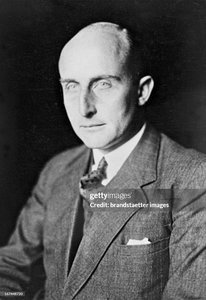
werner julius march
1894 - 1976 , Germany
Osnovne informacije
- Artistic Movement Or Style: Modernist Architecture
- Date Of Birth: 1894
- Date Of Death: 1976
- Full Name: Werner Julius March
- Nationality: German
- Notable Artworks: ['1936 Berlin Olympic Stadium']
- Place Of Birth: Berlin, Germany