

 Pregledaj u prostoru
 Pošalji
 Podeli
 Detalji o delu

 Преузми
 Slični predmeti
 Rendgenski snimak
 Slajdovi
 Stats
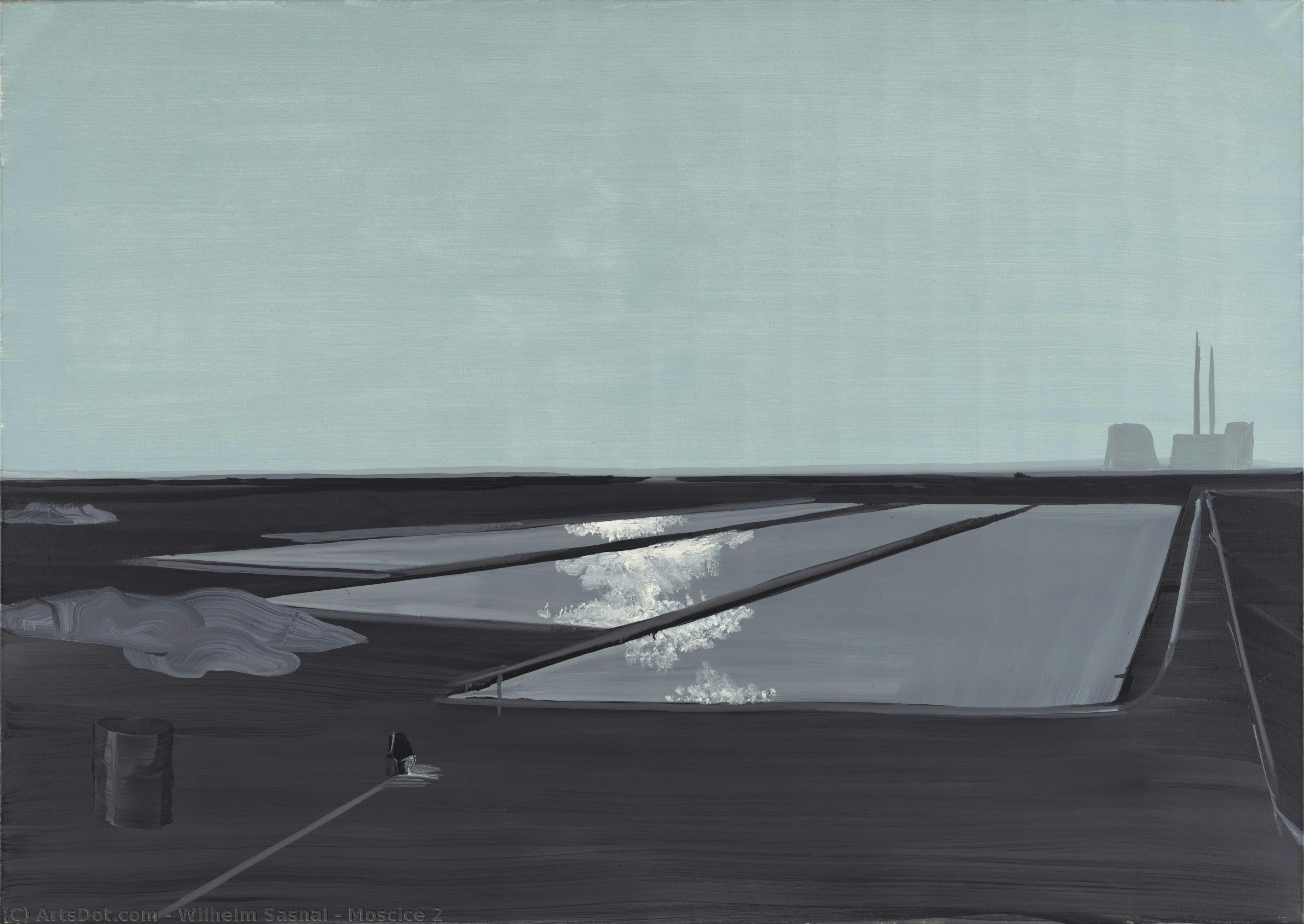
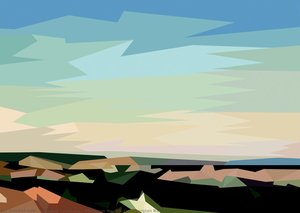
StatsMoscice 2
 2005
2005 100.0 x 140.0 cm
 Fundacija Serralves
 Pročitaj više
Kupite digitalnu sliku visoke rezolucije i poboljšanog kvaliteta, koja je znatno superiornija od onoga što vidite u online prikazu.
Svaka datoteka je pedantno pripremljena od strane naših stručnjaka koristeći napredne alate i profesionalnu ručnu retušu. Osiguravamo da svaka slika ima izuzetnu oštrinu, preciznu reprodukciju boja i fine detalje.
Konačna datoteka se dostavlja putem e-pošte u roku od 72 sata, optimizovana za neposrednu upotrebu u profesionalnim, izdavačkim i štamparskim okruženjima. To je isti kvalitet kojem veruju vrhunski studiji dizajna, izdavači i galerije.
Digitalna slika
Preuzmite datoteku visoke rezolucije za ličnu upotrebu, štampanje i kreativne projekte. ( Switch to Print Kupi ručno naslikanu sliku)
Uključeno uz svaku porudžbinu digitalne slike
Profesionalna digitalna isporuka, zagarantovana
Kada odaberete ArtsDot.com, ne dobijate samo sliku – vi primate profesionalno unapređeno digitalno umetničko delo, izrađeno sa najvećom preciznošću i uz garanciju zadovoljstva. Evo svega što automatski dolazi uz vašu porudžbinu:

Brza dostava putem e-pošte
Vaša digitalna slika visoke rezolucije biće vam poslata putem e-pošte u roku od 72 sata od poručivanja – spremna za trenutnu upotrebu.

Digitalna datoteka unapređena veštačkom inteligencijom
Vaše umetničko delo je profesionalno optimizovano korišćenjem naprednih AI alata i ručne obrade, čime se osiguravaju maksimalni detalji, oštrina i preciznost boja.

Besplatna ponovna isporuka doživotno
Slučajno ste obrisali ili izgubili svoju datoteku? Ne brinite – poslaćemo vam je ponovo u bilo kom trenutku, potpuno besplatno.

Bez troškova uvoza – zauvek
Uživajte u svojim umetničkim delima trenutno, bez carine, dažbina ili troškova dostave – digitalni download je uvek bez poreza.

Garancija vernosti boja
Uz pomoć profesionalnih alata i upravljanja bojama, osiguravamo da vaša digitalna slika što vernije odražava originalne boje.

Garancija zadovoljstva od 100 dana
Ako niste zadovoljni svojom digitalnom slikom, izvršićemo reviziju ili ćemo vam vratiti 100% novca u roku od 100 dana – bez ikakvih pitanja.

100% garancija povrata novca
Niste zadovoljni? Dobijte puni povraćaj novca u roku od 100 dana od prijema digitalne datoteke – bez suvišnih pitanja.

Popusti na velike porudžbine
Kupite 3 slike, uštedite 10% - Kupite 5 slika, uštedite 15% - Kupite 10+ slika, uštedite 20%. Odlično za kreativne projekte, galerije i agencije.
Srodna umetnička dela






Biografija umetnika
Wilhelm Sasnal: A Chronicle of Contemporary Reality
Wilhelm Sasnal, born in Tarnów, Poland, in 1972, isn’t merely a painter; he's a meticulous chronicler of our time. His work, spanning painting, photography, film, and graphic narratives, offers a disconcerting yet compelling reflection on memory, history, pop culture, and the lingering shadows of Eastern Europe’s communist past. Sasnal doesn’t seek to offer grand pronouncements or overt political statements; instead, he quietly observes, collects fragments – images ripped from newspapers, stills from films, snapshots of everyday life – and reassembles them into a complex tapestry that invites prolonged contemplation.
His early artistic trajectory was shaped by the Ładnie group in Kraków, a collective known for its deliberately unskilled aesthetic. Rejecting the prevailing academic standards of the time, they produced paintings depicting their immediate surroundings with a detached, almost clinical precision. This initial approach established a foundation – a willingness to engage with the banal and the commonplace – that would become central to Sasnal’s later work. It was a deliberate act of resistance against the perceived pretension of the art establishment, a quiet assertion of authenticity rooted in observation rather than grand ambition.
The Language of Fragments
Sasnal's distinctive style is characterized by its layered complexity and its masterful manipulation of image. He rarely begins with a fully formed concept; instead, he allows images to emerge organically from his collection of found materials. These fragments – often sourced from mass media, historical documents, or personal photographs – are then subjected to a series of transformations: they’re cropped, distorted, juxtaposed, and recontextualized, creating a sense of unsettling familiarity. His paintings frequently resemble photographic documentation, yet they possess an inherent ambiguity that challenges the viewer's perception of reality.
The influence of art history is palpable in Sasnal’s work. References to figures like Neo Rauch, with his deliberately ambiguous and often surreal landscapes, are evident. However, Sasnal transcends mere imitation; he imbues these historical references with a distinctly contemporary sensibility. He draws inspiration from sources as diverse as Hans Christian Andersen's fairy tales (particularly "The Assistant"), the Holocaust depicted in Art Spiegelman’s “Maus,” and even the iconic imagery of Elvis Presley. These disparate elements are woven together, creating a visual dialogue that speaks to the fragmented nature of modern experience.
Expanding Mediums: Painting, Film, and Beyond
While painting remains at the core of Sasnal’s practice, he has increasingly explored other mediums, demonstrating a restless curiosity and a willingness to experiment. His films, in particular, are notable for their meticulous attention to detail and their unsettling atmosphere. “The Band” (2002), based on Sonic Youth's live performance, captures the energy of the music scene while simultaneously hinting at a darker undercurrent. “Swiniopas,” his 2008 feature film adaptation of a Polish fairytale, is a stark and evocative meditation on isolation and longing, filmed entirely in black and white.
More recently, Sasnal has collaborated with his wife, Anka Sasnal, on “The Assistant” (2025), an adaptation of Robert Walser’s novel. This project further demonstrates his ability to engage with complex narratives and explore themes of alienation and the search for meaning in a rapidly changing world. His work is not confined to any single genre or style; it's a constantly evolving dialogue between painting, photography, film, and graphic narrative.
Recognition and Legacy
Sasnal’s work has garnered significant critical acclaim and recognition throughout his career. He received the Grand Prix prize on the Bielska Jesień Painting Biannual in 1999 and the Pegasus award in 2003, solidifying his position as a leading figure in contemporary Polish art. His inclusion in prestigious collections – including those of the Guggenheim Museum, Tate Modern, and the Saatchi Gallery – underscores the international recognition he has earned. In 2022, he was awarded the annual Paszport Polityki cultural award in the Creator of Culture category.
Wilhelm Sasnal’s art is not simply a reflection of the world around him; it's an active interrogation of its complexities and contradictions. He invites us to confront the unsettling beauty of everyday life, the weight of history, and the enduring power of image. His work stands as a testament to the ability of art to capture the elusive essence of contemporary reality – a chronicle painted in fragments, yet profoundly resonant.
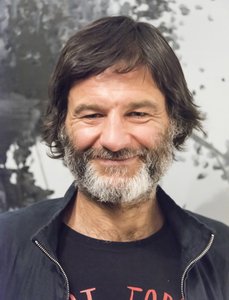
wilhelm sasnal
1972 -
Kratke činjenice
- Artistic Movement Or Style: Contemporary Painting
- Artists Or Movements Influenced By This Artist:
- Art Spiegelman
- Hans Christian Andersen
- Artists Who Influenced This Artist:
- Neo Rauch
- Claude Lanzmann
- Date Of Birth: December 29, 1972
- Full Name: Wilhelm Sasnal
- Nationality: Polish
- Notable Artworks:
- Moscice 1
- Moscice 2
- Moscice 3
- Place Of Birth: Tarnów, Poland