

 Pregledaj u prostoru
 Pošalji
 Podeli
 Detalji o delu

 Преузми
 Slični predmeti
 Rendgenski snimak
 Slajdovi
 Stats
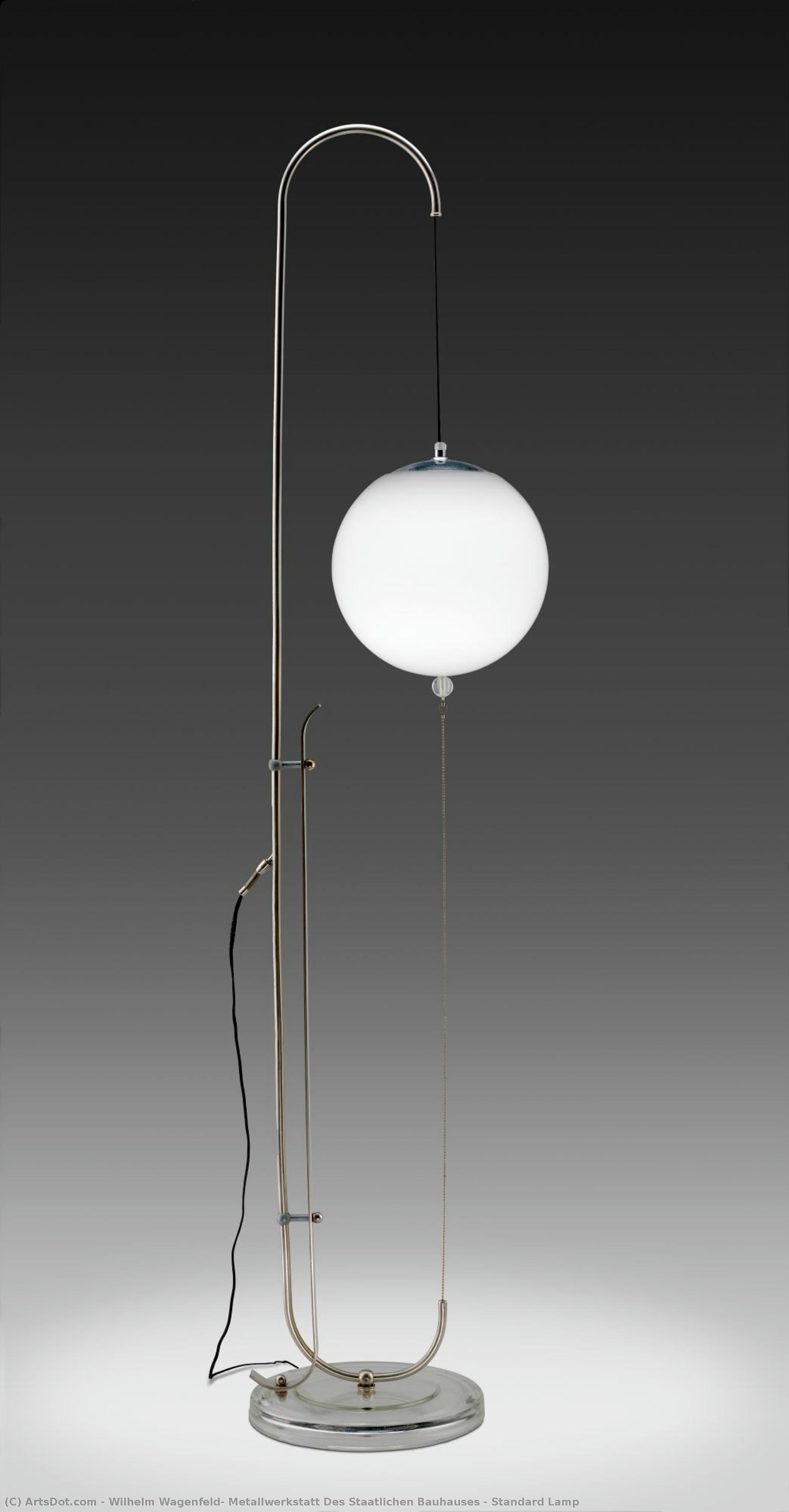
StatsStandard Lamp


 Pročitaj više
Kupite digitalnu sliku visoke rezolucije i poboljšanog kvaliteta, koja je znatno superiornija od onoga što vidite u online prikazu.
Svaka datoteka je pedantno pripremljena od strane naših stručnjaka koristeći napredne alate i profesionalnu ručnu retušu. Osiguravamo da svaka slika ima izuzetnu oštrinu, preciznu reprodukciju boja i fine detalje.
Konačna datoteka se dostavlja putem e-pošte u roku od 72 sata, optimizovana za neposrednu upotrebu u profesionalnim, izdavačkim i štamparskim okruženjima. To je isti kvalitet kojem veruju vrhunski studiji dizajna, izdavači i galerije.
Digitalna slika
Preuzmite datoteku visoke rezolucije za ličnu upotrebu, štampanje i kreativne projekte. ( Switch to Print Kupi ručno naslikanu sliku)
Uključeno uz svaku porudžbinu digitalne slike
Profesionalna digitalna isporuka, zagarantovana
Kada odaberete ArtsDot.com, ne dobijate samo sliku – vi primate profesionalno unapređeno digitalno umetničko delo, izrađeno sa najvećom preciznošću i uz garanciju zadovoljstva. Evo svega što automatski dolazi uz vašu porudžbinu:

Brza dostava putem e-pošte
Vaša digitalna slika visoke rezolucije biće vam poslata putem e-pošte u roku od 72 sata od poručivanja – spremna za trenutnu upotrebu.

Digitalna datoteka unapređena veštačkom inteligencijom
Vaše umetničko delo je profesionalno optimizovano korišćenjem naprednih AI alata i ručne obrade, čime se osiguravaju maksimalni detalji, oštrina i preciznost boja.

Besplatna ponovna isporuka doživotno
Slučajno ste obrisali ili izgubili svoju datoteku? Ne brinite – poslaćemo vam je ponovo u bilo kom trenutku, potpuno besplatno.

Bez troškova uvoza – zauvek
Uživajte u svojim umetničkim delima trenutno, bez carine, dažbina ili troškova dostave – digitalni download je uvek bez poreza.

Garancija vernosti boja
Uz pomoć profesionalnih alata i upravljanja bojama, osiguravamo da vaša digitalna slika što vernije odražava originalne boje.

Garancija zadovoljstva od 100 dana
Ako niste zadovoljni svojom digitalnom slikom, izvršićemo reviziju ili ćemo vam vratiti 100% novca u roku od 100 dana – bez ikakvih pitanja.

100% garancija povrata novca
Niste zadovoljni? Dobijte puni povraćaj novca u roku od 100 dana od prijema digitalne datoteke – bez suvišnih pitanja.

Popusti na velike porudžbine
Kupite 3 slike, uštedite 10% - Kupite 5 slika, uštedite 15% - Kupite 10+ slika, uštedite 20%. Odlično za kreativne projekte, galerije i agencije.
Srodna umetnička dela






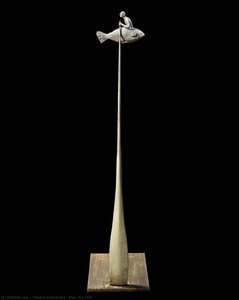
Biografija umetnika
The Architect of Minimalist Elegance
Wilhelm Wagenfeld (1900-1990) stands as a cornerstone figure in German industrial design, celebrated for his unwavering commitment to functionality and timeless beauty—principles deeply rooted in the Bauhaus ethos. Born in Bremen, Germany, Wagenfeld’s formative years instilled within him a profound appreciation for craftsmanship and precision, shaping his artistic vision throughout his prolific career. His early training encompassed silversmithing and drawing, disciplines that honed his understanding of material properties and design aesthetics—skills he would later translate into groundbreaking innovations that continue to resonate in the modern home.
His intellectual journey began at the Bremen Kunstgewerbeschule, where he absorbed the radical teachings of prominent Bauhaus luminaries such as Walter Gropius, Marcel Breuer, and László Moholy-Nagy. These mentors championed a revolutionary approach to design: one that prioritized geometric forms, rational construction, and the deliberate elimination of superfluous ornamentation. This period of intense study provided the philosophical foundation for his belief that an object's true value lies in its utility and the seamless marriage of art and industry.
The Bauhaus Legacy and the Mastery of Light
Wagenfeld’s enrollment at the Bauhaus in Weimar between 1923 and 1925 proved pivotal, cementing his allegiance to modernist ideals. Under the direct guidance of László Moholy-Nagy in the metal workshop, he explored experimental techniques for manipulating light and material. It was during this era of intense creativity that he conceived the iconic WG 24 lamp in 1926 (often referred to as the Bauhaus Lamp). This masterpiece, characterized by its clear geometric form and the sophisticated use of glass and metal, embodies the very essence of functional aesthetics. The lamp remains a true classic, still faithfully produced today as a testament to his ability to create objects that transcend fleeting trends.
His role at the Metallwerkstatt des Staatlichen Bauhauses solidified his reputation as both a master craftsman and a visionary designer. Within this workshop, he spearheaded the production of numerous groundbreaking objects, ranging from intricate glassware to essential tableware. His work was never merely about decoration; it was about the profound relationship between individuals and the objects that surround them. As Wagenfeld himself famously suggested, while form is a vital component, the true soul of an object is found in its use—the way it integrates into the rhythm of daily life and contributes to the development of culture.
A Prolific Career and Enduring Influence
Following the closure of the Bauhaus in Weimar, Wagenfeld’s career transitioned into a period of significant industrial impact. Moving through various roles, including serving as an assistant in the metal workshop at the State Academy for Handicrafts and Architecture, he eventually emerged as a highly successful freelance designer and consultant. He collaborated with some of the most prestigious names in German industry, such as Jenaer Glaswerk Schott & Gen., Rosenthal, Braun GmbH, and WMF. Through these partnerships, his designs for glassware, tea sets, and dinnerware reached a global audience, bringing high-quality modernist design to the masses.
The historical significance of Wagenfeld’s work is reflected in the numerous accolades he received, including the Grand Prix at the Milan Trienale in 1957 and the Bundespreis Gute Form. His legacy is preserved not only in the collections of prestigious institutions like the Museum of Modern Art in New York and the V&A in London but also in the very fabric of contemporary living. His ability to achieve widespread recognition through functional excellence ensured that his name would remain synonymous with the pinnacle of 20th-century industrial design.
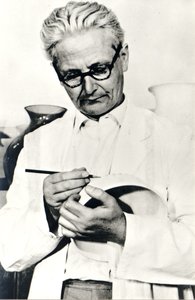
wilhelm wagenfeld; metallwerkstatt des staatlichen bauhauses
1900 - 1990 , Germany
Kratke činjenice
- Artistic Movement Or Style: Bauhaus
- Artists Who Influenced This Artist:
- Christian Dell
- László Moholy-Nagy
- Date Of Birth: April 15, 1900
- Full Name: Wilhelm Wagenfeld
- Nationality: German
- Notable Artworks:
- Diana hanging lights
- Kubus
- K
- Place Of Birth: Bremen, Germany