

 Pregledaj u prostoru
 Pošalji
 Podeli
 Detalji o delu

 Преузми
 Slični predmeti
 Rendgenski snimak
 Slajdovi
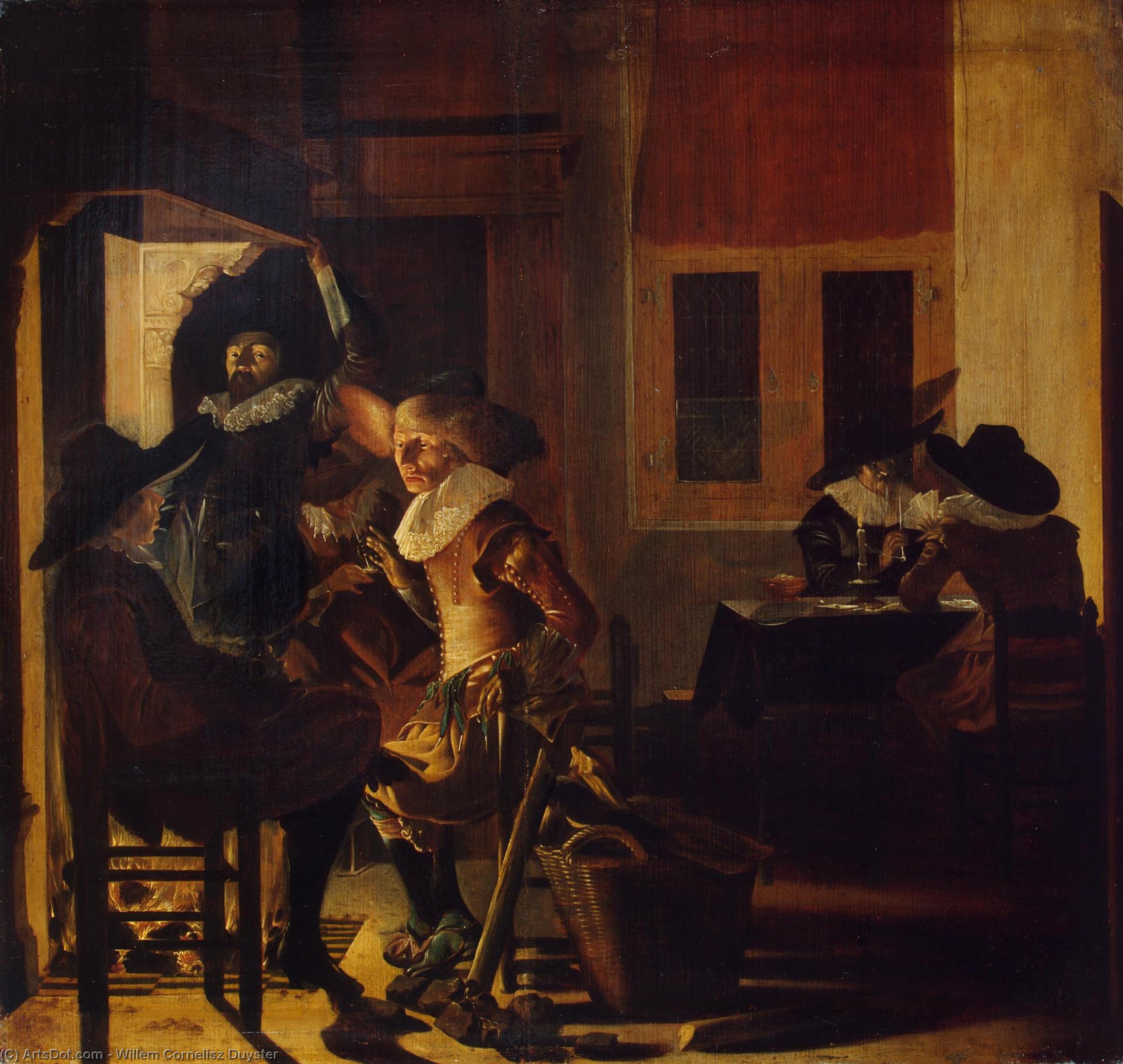
Soldiers Beside A Fireplace_2
 Pročitaj više
Ručno rađena uljana reprodukcija
Ručno oslikano uljanim bojama na platnu u dimenzijama i okviru po vašem izboru, izrađeno po porudžbini od strane naših umetnika. ( Kupi print Kupi digitalnu sliku)




































Izaberite jednu od naših unapred definisanih veličina koje odgovaraju originalnim proporcijama umetničkog dela.

Можете унети сопствене димензије како бисте прилагодили дело одређеном оквиру или простору. Ако одабрана величина не одговара пропорцијама оригинала, слика ће бити исечена или проширена додатним елементима који се ручно насликавају. Дигитални prikaz ће вам бити послат на одобрење пре почетка производње.
Имајте на уму да преглед на екрану не одражава стварно исецање или проширење. Само приказ (mockup) ће тачно приказати коначну композицију.
Иако су доступне прилагођене величине, препоручујемо да одаберете димензију из дефинисане листе како бисте сачували оригиналне пропорције.
Nakon narudžbine, tim ArtsDot.com će klijentu putem e-pošte poslati uputstva i dostaviti prikaz predloženog rešenja
Isporuka širom sveta () za 3/4 nedelje umesto uobičajenih 5 nedelja. (27 август). Bez kompromisa po pitanju kvaliteta.

Besplatna ekspresna dostava širom sveta

Visokokvalitetno laneno platno

Kompletno osiguranje transporta

Garancija povraćaja carine i uvoznih dažbina

Garancija vernosti boja

Politika povrata u roku od 60 dana (samo u slučaju nedostataka)

Garancija povrata novca od 100%

Popust pri grupnoj kupovini
 Opcija sa staklom dostupna je samo za dimenzije manje od 110 cm

Soldiers Beside A Fireplace_2
Tehnika reprodukcije
Dimenzije reprodukcije
-


Konačna cena
$ 263
Srodna umetnička dela



Biografija umetnika
The Quiet Observer of Dutch Military Life
In the vibrant, bustling atmosphere of Amsterdam during the seventeenth century, a period defined by the luminous heights of the Dutch Golden Age, Willem Cornelisz Duyster (1599–1635) emerged as a master of the intimate. While many of his contemporaries sought to capture the sweeping grandeur of historical epics or the stiff formality of aristocratic portraiture, Duyster turned his gaze toward a much more grounded and human subject: the cortegaarddje, or guardroom scenes. He eschewed the thunder of battlefield glory in favor of the quiet, unvarnable realities of military life, finding profound narrative potential in the pauses between conflicts.A Tapestry of Influence and Technical Brilliance
Duyster’s artistic evolution was a sophisticated blend of inherited tradition and personal innovation. His early training as a portraitist provided him with an essential foundation in anatomical precision, but it was his engagement with the works of contemporaries like Jacob Jansz van Velsen and Gerard ter Borch the Younger that truly refined his vision. From Van Velsen, he drew an ability to orchestrate complex social dynamics within domestic settings, while from Ter Borch, he inherited a devotion to psychological realism and an almost obsessive attention to detail. This synthesis allowed him to transform simple genre paintings into deep explorations of character and human interaction.His technical mastery was perhaps most breathtakingly evident in his treatment of texture. Duyster possessed a singular ability to render the tactile world; under his brush, heavy velvets and shimmering silks seemed to catch the light with a convincing, palpable weight. In works such as A Wedding Feast, the fabrics do not merely serve as costume but act as luminous protagonists, their intricate weaves and lustrous surfaces demonstrating an unparalleled command over color and light that remains captivating to the modern eye.
The Human Heart within the Guardroom
What ultimately secures Duyster’s place in the pantheon of Dutch Masters is his refusal to idealize his subjects. His soldiers are not mere symbols of valorous heroism; they are flesh-and-blood individuals, imbued with palpable emotion and complex interpersonal relationships. Through subtle glances, weary postures, and the quiet intimacy of shared moments, Duyster captured the psychological depth of those living within the barracks. He did not merely paint soldiers; he painted the human condition, ensuring that his guardroom scenes remain as poignant and resonant today as they were in the seventeenth century.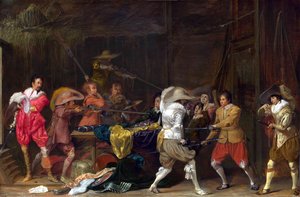
Willem Cornelisz Duyster
1599 - 1635 , Netherlands
Osnovne informacije
- Artistic Movement Or Style: Dutch Golden Age
- Artists Or Movements Influenced By This Artist: ['Gerard ter Borch the Younger']
- Artists Who Influenced This Artist: ['Jacob Jansz van Velsen']
- Date Of Birth: Amsterdam, Netherlands (1599)
- Date Of Death: 1635
- Full Name: willem cornelisz duyster
- Nationality: Dutch
- Notable Artworks:
- A Wedding Feast...
- Portrait of a Woman...
- Portrait of a Man...
- Place Of Birth: Amsterdam

