

 Pregledaj u prostoru
 Pošalji
 Podeli
 Detalji o delu

 Преузми
 Slični predmeti
 Rendgenski snimak
 Slajdovi
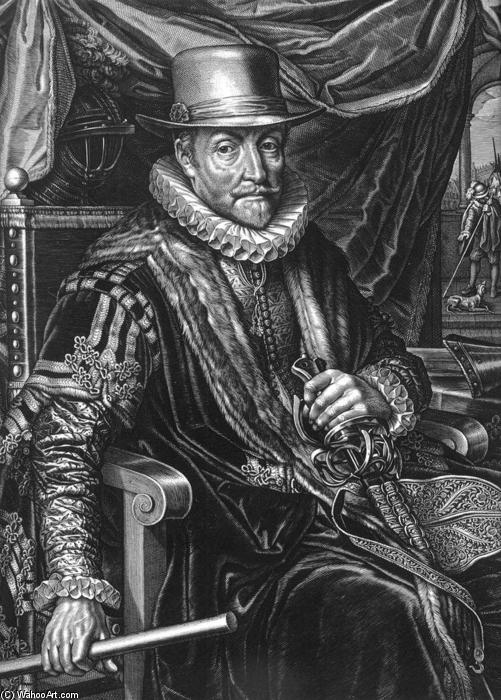
Portrait of William the Silent (detail)
 Oil On Canvas
- WallArt
- Baroque
 1623
1623 408.0 x 302.0 cm
 Rijksmuseum
 Pročitaj više
Kupite digitalnu sliku visoke rezolucije i poboljšanog kvaliteta, koja je znatno superiornija od onoga što vidite u online prikazu.
Svaka datoteka je pedantno pripremljena od strane naših stručnjaka koristeći napredne alate i profesionalnu ručnu retušu. Osiguravamo da svaka slika ima izuzetnu oštrinu, preciznu reprodukciju boja i fine detalje.
Konačna datoteka se dostavlja putem e-pošte u roku od 72 sata, optimizovana za neposrednu upotrebu u profesionalnim, izdavačkim i štamparskim okruženjima. To je isti kvalitet kojem veruju vrhunski studiji dizajna, izdavači i galerije.
Digitalna slika
Preuzmite datoteku visoke rezolucije za ličnu upotrebu, štampanje i kreativne projekte. ( Kupi print Kupi ručno naslikanu sliku)
Uključeno uz svaku porudžbinu digitalne slike
Profesionalna digitalna isporuka, zagarantovana
Kada odaberete ArtsDot.com, ne dobijate samo sliku – vi primate profesionalno unapređeno digitalno umetničko delo, izrađeno sa najvećom preciznošću i uz garanciju zadovoljstva. Evo svega što automatski dolazi uz vašu porudžbinu:

Brza dostava putem e-pošte
Vaša digitalna slika visoke rezolucije biće vam poslata putem e-pošte u roku od 72 sata od poručivanja – spremna za trenutnu upotrebu.

Digitalna datoteka unapređena veštačkom inteligencijom
Vaše umetničko delo je profesionalno optimizovano korišćenjem naprednih AI alata i ručne obrade, čime se osiguravaju maksimalni detalji, oštrina i preciznost boja.

Besplatna ponovna isporuka doživotno
Slučajno ste obrisali ili izgubili svoju datoteku? Ne brinite – poslaćemo vam je ponovo u bilo kom trenutku, potpuno besplatno.

Bez troškova uvoza – zauvek
Uživajte u svojim umetničkim delima trenutno, bez carine, dažbina ili troškova dostave – digitalni download je uvek bez poreza.

Garancija vernosti boja
Uz pomoć profesionalnih alata i upravljanja bojama, osiguravamo da vaša digitalna slika što vernije odražava originalne boje.

Garancija zadovoljstva u roku od 60 dana
Ako niste zadovoljni svojom digitalnom slikom, revidirat ćemo je ili vratiti 100% novca u roku od 60 dana – bez ikakvih pitanja.

100% garancija povrata novca
Niste zadovoljni? Obezbedite pun povrat novca u roku od 60 dana od trenutka kada ste primili svoju digitalnu datoteku – bez suvišnih pitanja.

Popusti na velike porudžbine
Kupite 3 slike, uštedite 10% - Kupite 5 slika, uštedite 15% - Kupite 10+ slika, uštedite 20%. Odlično za kreativne projekte, galerije i agencije.
Portrait of William the Silent: A Dutch Master's Regal Vision
The year is 1623, Delft, Netherlands – a city brimming with artistic fervor during the Golden Age. Within its workshops and studios, Willem Jacobsz Delff meticulously crafted this arresting portrait of William the Silent, a figure whose name would forever be synonymous with Dutch independence and resilience. More than just a likeness, this painting is a carefully constructed statement about power, piety, and the burgeoning spirit of a nation challenging imperial authority. It’s a window into a pivotal moment in European history, rendered with the precision and emotional depth characteristic of Delff's masterful style.
Delff, born in 1580 and tragically passing away in 1638, was a key figure in Delft’s artistic landscape. His lineage—descended from a family of artists—provided him with an invaluable foundation, but it was his own keen eye for detail and ability to capture the essence of his subjects that truly set him apart. This portrait exemplifies his skill; he doesn't simply depict William the Silent; he embodies him – projecting an aura of authority, solemnity, and quiet strength.
A Symphony of Detail: Technique and Composition
The painting’s immediate impact lies in its remarkable level of detail. Delff employed a meticulous oil-painting technique, layering thin glazes to achieve subtle gradations of tone and texture. Observe the intricate folds of William's doublet, the rich velvet of his robes, and the delicate rendering of his hands resting upon the sword – each element rendered with painstaking accuracy. The artist’s use of chiaroscuro—the dramatic interplay of light and shadow—creates a sense of volume and depth, drawing the viewer’s eye to the subject's face and emphasizing his regal bearing.
The composition itself is carefully balanced. William occupies the central space, seated in an ornate chair that echoes the grandeur of the royal court he represented. The background, subtly populated with figures – one holding a flag or banner – hints at the political landscape surrounding him, suggesting both authority and the weight of responsibility. The careful arrangement of elements—the chair, the clothing, the distant figures—creates a harmonious whole, reinforcing the portrait’s sense of formality and importance.
Symbolism Woven into the Fabric
Beyond its technical brilliance, the portrait is rich in symbolism. The sword, prominently displayed, represents William's role as a military leader and his commitment to defending the Dutch Republic against Spanish aggression. The elaborate attire—rich fabrics, intricate embroidery, and jeweled details—underscores his status as a noble figure, a prince of the realm. Even the setting itself – an opulent chair within what appears to be a royal chamber – speaks volumes about William’s position and power.
Furthermore, the portrait reflects the prevailing religious climate of the time. The solemn expression on William's face suggests piety and devotion, aligning him with the Protestant cause that he championed. The overall effect is one of dignified strength, a visual representation of a man dedicated to his duty and his faith.
A Legacy of Regal Portraiture
“Portrait of William the Silent (detail)” by Willem Jacobsz Delff stands as a testament to the artistic achievements of the Dutch Golden Age. It’s not merely a portrait; it's a historical document, a political statement, and an enduring work of art. Reproductions of this captivating image offer a glimpse into a pivotal moment in European history, allowing us to connect with the spirit of a nation forging its own destiny. The painting’s meticulous detail, masterful composition, and profound symbolism continue to resonate today, making it a timeless masterpiece worthy of admiration and preservation.
Srodna umetnička dela
Biografija umetnika
A Delft Master of Baroque Portraiture
Willem Jacobsz Delff, whose life spanned the vibrant years between 1580 and 1638, remains a luminous figure within the tapestry of the Dutch Golden Age. To encounter his work is to step into an era where portraiture transcended mere likeness; it became a carefully orchestrated performance of status, emotion, and enduring dignity. Born in Delft, this artistic crucible nurtured a talent that was both technically brilliant and deeply resonant with human experience.
His early life was steeped in the very atmosphere of artistic patronage. He did not emerge into art as an isolated genius, but rather as part of a vibrant, creative lineage. The shadow and guidance of his father, Jacob Willemsz. Delff I—a respected portraitist in Delft—provided him with an invaluable apprenticeship in capturing the subtle nuances of familial connection and individual character. This immersion within a family steeped in artistic endeavor, further bolstered by the talents of his brothers, established a profound foundation for his own mastery.
The Craftsmanship of Line and Light
Delff’s early professional renown was built upon an extraordinary command of engraving. He possessed a gift for translating the richness of oil paint into the stark, precise beauty of monochrome print. These engravings reveal a meticulous eye, capable of rendering texture—be it velvet, lace, or polished metal—with astonishing fidelity. Yet, while his prints speak to his technical prowess as a draftsman, it is his paintings that truly capture the sweep of his artistic ambition.
His mature style is undeniably marked by the grandeur and drama inherent in Baroque art. Delff understood how light could sculpt a sitter’s face, how deep shadows could suggest untold narratives, and how opulent composition could elevate a mere portrait into an emblem of power. Whether depicting members of royalty or the affluent merchant class, his subjects are never simply observed; they are presented under a spotlight of historical significance.
Capturing Nobility and Psychological Depth
The subject matter that most defines Delff’s legacy is the portrayal of the elite—the nobility and those who held significant sway in Dutch society. His portraits are not merely flattering records; they are psychological studies veiled in finery. He had a remarkable ability to imbue his sitters with an aura of inherent dignity, making the viewer feel privy to a moment of quiet, powerful contemplation.
The symbolism woven into these works is subtle but pervasive.
A particular glance might suggest political acumen; the richness of the fabrics speaks to accumulated wealth. Delff mastered the art of suggestion, allowing the sitter’s own bearing and the artist's masterful handling of light to do much of the narrative heavy lifting for him. His commitment to realism never sacrificed the necessary theatricality required by the Baroque aesthetic.
Historical Resonance and Enduring Legacy
Willem Jacobsz Delff stands as a vital bridge between the intimate portraiture traditions of his father and the grand, dramatic statements of high Baroque art. His career serves as a testament to the enduring power of the family workshop in sustaining artistic excellence during periods of intense cultural flourishing. Though he passed away in 1638, his contribution to the visual record of the Dutch Golden Age remains indelible.
For the modern admirer of art,
exploring Delff’s oeuvre is an invitation into a world where technical mastery meets profound human observation. His work invites us not just to admire the paint, but to contemplate the weight of history held within a single, exquisitely rendered gaze.
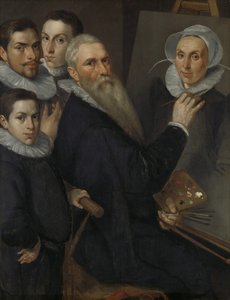
Willem Jacobsz Delff
1580 - 1638 , Netherlands
Kratke činjenice
- Artistic Movement Or Style: Baroque Portraiture
- Artists Who Influenced This Artist: ['Jacob Willemsz Delff I']
- Date Of Birth: 1580
- Date Of Death: 1638
- Full Name: Willem Jacobsz Delff
- Nationality: Dutch
- Notable Artworks: ['Family portrait']
- Place Of Birth: Delft, Netherlands

